
Meditation When You Are Tired: Choose Practice or Rest


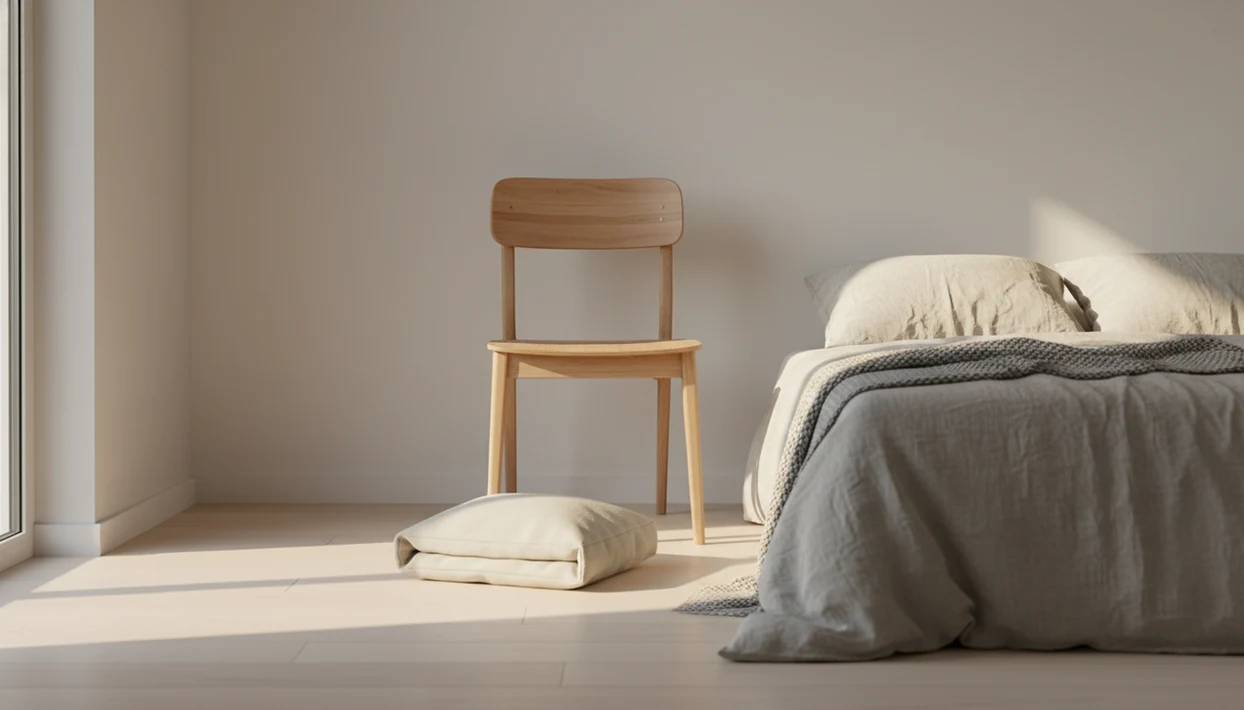
Meditation when you are tired means adapting your posture, session length, and focus to low energy rather than forcing a long sit. Shorten the practice, choose an upright but comfortable position, and treat sleepiness as information, not failure. Feeling sleepy during meditation is common and can reflect fatigue rather than poor technique. If you keep nodding off, sleep may be more useful than another meditation method.
Start by choosing your goal: a little alertness, a brief reset, or rest. Upright breathing, eyes-open sensory awareness, standing grounding, and slow walking offer simple ways to practice attention. A body scan or deliberate rest practice may suit winding down. Repeatedly falling asleep is a reason to prioritize sleep, not to push harder.
The essentials
- Feeling sleepy during meditation is common and often reflects real fatigue, not poor technique.
- Useful tired-day practices are short, sensory, and kind: upright breathing, standing grounding, walking, body scan, or a deliberate rest practice.
- If you repeatedly fall asleep during meditation, prioritize sleep and use meditation as support, not a substitute for rest.
Five practices for low-energy days
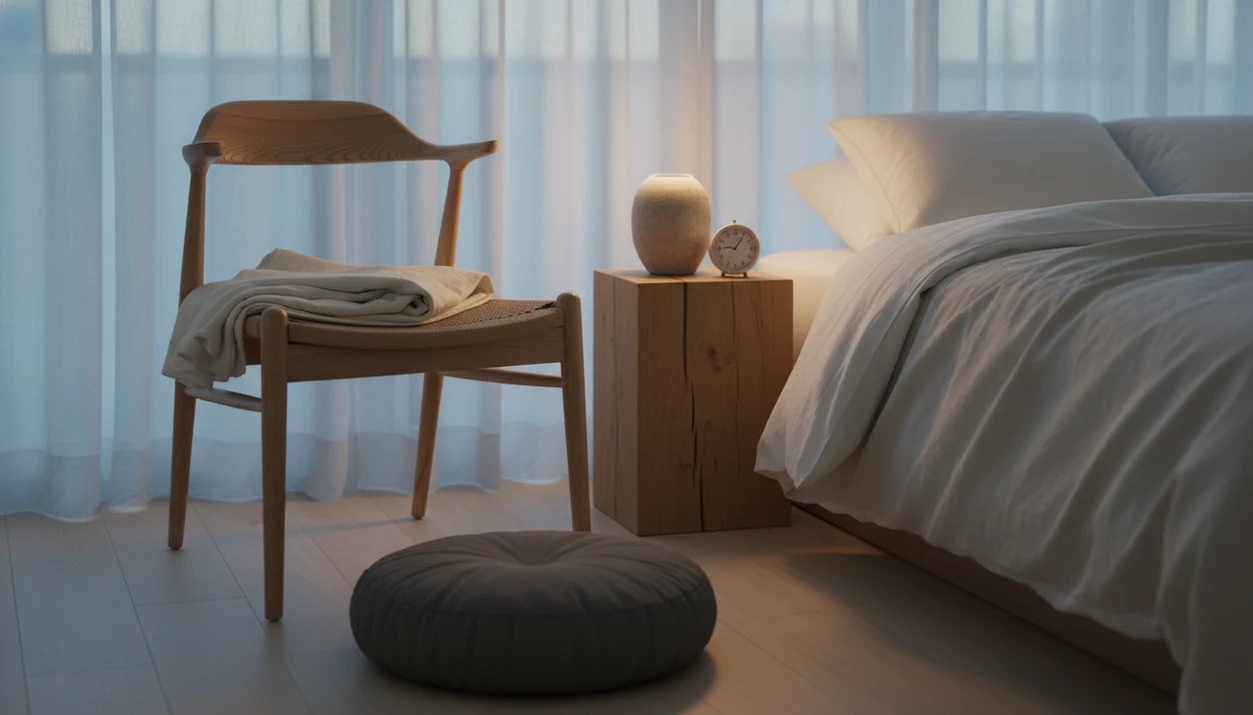
The best meditation when tired is the one that matches your actual goal: alertness, emotional steadiness, habit continuity, or sleep. Falling asleep is not automatically a mistake if rest is what your body needs.
- Short upright breath meditation: Sit on a chair, keep the spine lifted, and follow three to ten breaths.
- Eyes-open sensory meditation: Rest your gaze on one plain object and notice sound, touch, and sight.
- Standing grounding: Feel the feet on carpet or tile, then notice weight shifting without fixing anything.
- Slow walking meditation: Walk a short hallway and track lifting, moving, and placing.
- Body scan or R.E.S.T.-style rest practice: Let the body soften on purpose when sleep is acceptable.
If the priority is keeping a daily habit alive on low energy, Mindful.net fits because it organizes short guided options by technique and situation. For a fuller basics path, use our how to meditate guide.
How posture and sensory input affect drowsiness
Meditation when tired works by lowering outside stimulation enough for you to notice the sleep pressure that was already there. The quiet does not create tiredness so much as remove the noise that was covering it.
Stillness, dim light, closed eyes, and slow breathing reduce sensory input, which is the stream of sights, sounds, and tasks that keeps the brain busy. Alert attention practice uses a little lift: upright posture, eyes softly open, clearer anchors, or movement. Rest-oriented meditation and body scanning do the opposite on purpose; they reduce effort, widen attention, and let the body settle. Neither style is better in every moment. They serve different goals.
Posture, eyes, movement, and duration change the odds of drowsiness because they change how much alerting signal the body receives. Sitting tall or standing gives more wakefulness than lying down. Open eyes usually help more than closed eyes. Walking adds gentle activation. A three-minute practice is less likely to become a nap than a twenty-minute sit. If sleepiness returns again and again, read it as a possible need for sleep, not proof that the technique failed.
Choose attention, a reset, or sleep before starting
Before you meditate when tired, make one simple decision: are you practicing attention, taking a reset, or admitting you need sleep? That choice keeps the session kind, safe, and short.
- Ask what your body is requesting right now. If your head keeps dropping, your eyes burn, or you feel unsafe to continue tasks, sleep or real rest may be the wiser practice. If you are dull but functional, a brief attention reset can help.
- Choose a space before you begin, especially for standing or walking meditation. Clear a small path, move cords or bags, and use a familiar room rather than improvising while foggy.
- Avoid anything that asks too much balance or judgment. Skip stairs, slippery floors, curbside practice, and any “just for a minute” meditation near driving, parking, machinery, or cooking.
- Set a short timer for two to ten minutes. This protects the practice from becoming another endurance test and gives you permission to stop while you still feel steady. For an earlier practice, try early morning meditation with a brief session before the day becomes busy.
3 reasons sleepiness appears during meditation
Sleepiness during meditation usually appears because stillness lowers stimulation and reveals fatigue that was already present. Quiet rooms, closed eyes, slow breathing, and fewer tasks can all make sleep pressure easier to feel.
There are three common reasons. First, you may have real sleep debt. The CDC reported that 35.2% of surveyed U.S. adults slept less than seven hours and 37.9% had unintentionally fallen asleep during the day in the prior month CDC guidance. Second, your setup may be too sleep-like: late evening, a soft couch, heavy meal, warm blanket. Third, the technique may be too passive for your energy level. An evening meditation habit can fit before bedtime, provided you leave enough time for the sleep you need.
The ambient room hum between prompts can feel soothing at first. Then the head dips.
If your priority is understanding whether this is meditation or exhaustion, Mindful.net helps because the Mindfulness Practices App separates breath, body scan, movement, and rest practices into plain-language choices.
Set up a two- to ten-minute practice
Use meditation when tired by checking your energy first, then choosing a posture and anchor that fit the moment. Two to ten minutes is often enough on a low-energy day.
- Check: Ask, “Do I need sleep, a reset, or a small attention practice?”
- Choose: Sit upright for alertness, stand for grounding, walk for restlessness, or lie down if sleep is fine.
- Set: Put a phone timer on for 2, 5, or 10 minutes.
- Anchor: Use breath, foot pressure, sound, or a simple visual point.
- Close: Notice how you feel and end without judging the session.
Beginners who keep forcing 20-minute sits often quit sooner. Shorter works better here because the practice matches the nervous system you actually brought to the chair. If your routine has lapsed, restart your meditation habit with a short practice that feels manageable on tired days.
When fatigue makes attention slide toward half-formed plans or unfinished chores, Mindful.net points you back to a practical next step: choose a shorter guided exercise, name the technique clearly, and let the session be simple rather than heroic.
Compare sitting, standing, walking, and lying down
Meditating while tired is easier when you choose the format before you begin. Sitting, standing, walking, and resting each train attention differently.
| Practice | Best for | Not for | How to do it | Drowsiness risk |
|---|---|---|---|---|
| Upright breath meditation | Gentle alertness | Severe sleepiness | Sit tall and count breaths | Medium |
| Eyes-open sensory practice | Closed-eye drowsiness | Dark bedrooms | Look down softly and notice sound or touch | Low |
| Standing grounding | Quick reset | Balance problems | Feel both feet and breathe | Low |
| Walking meditation | Tired but restless days | Unsafe spaces | Walk slowly and feel each step | Low |
| Body scan | Releasing tension | Staying highly alert | Move attention through the body | Medium-high |
| Lying-down rest | Winding down or sleep | Continuous attention training | Lie down and sense contact | High |
Good tired-day meditation offers attention practice, not proof that you can override biology. Mindful.net covers this middle ground because it pairs technique libraries with practical notes on when to adjust.
4-step deliberate rest practice for falling asleep during meditation
Are you falling asleep during meditation every time? If you nod off repeatedly, stop treating the session like a concentration test and choose deliberate rest instead.
Try this simple R.E.S.T.-style structure:
- Relax the body: Let the jaw unclench behind closed lips.
- Exhale slowly: Make the out-breath longer than the in-breath for a few rounds.
- Sense contact: Feel the chair, mat, bed, or floor holding you.
- Thank yourself for stopping: End the effort to push through.
This is useful for winding down, but it is not the strongest choice for training continuous attention. If sleep arrives, let the session become rest. No drama.
For people who keep fighting drowsiness, deliberate rest is often kinder than another alertness tactic because it responds to the real signal.
3-minute eyes-open sensory awareness for sleepiness during meditation
Eyes-open sensory awareness is a good choice when closed eyes make you sleepy during meditation. A soft gaze gives the brain a little structure without turning practice into staring.
Sit upright and look downward, or rest your eyes on a neutral object like a wall corner. Use one sensory anchor: sound, touch, or sight. You might notice the ribs widening under a sweater, the pressure of the seat, or one rectangle of light on the floor.
Sample instruction: “Keep the eyes gently open. Notice the air conditioner hum. Notice cold fingertips. Notice one patch of color in the room. If attention blurs, move to the next simple sensation.”
When the issue is closed-eye fog, Mindful.net handles it well because the technique library includes sensory and everyday mindfulness options, not only still seated practice. You can compare more options in meditation techniques for beginners.
Use another anchor if breathing feels uncomfortable
You do not have to focus on breathing to meditate. If breath awareness brings discomfort or panic, try the pressure of the chair, sensations in your hands, a plain object, or sounds in the room. NHS mindfulness guidance includes sounds and body sensations as alternatives. Choose one anchor and return to it when attention wanders.
Keep breathing ordinary and comfortable, especially if you have respiratory symptoms. Do not add breath holds or force deeper breaths to stay awake. Change position, switch anchors, or stop if you develop pain, worsening breathlessness, dizziness, panic, or marked distress. Guy’s and St Thomas’ guidance advises stopping uncomfortable exercises and discussing them with a clinician or MBSR trainer.
6-step slow walking meditation for tired but restless days
Slow walking meditation is a middle-ground practice for people who feel too tired to sit but too restless to sleep. It adds movement while keeping attention simple.
- Stand at one end of a clear space.
- Feel both feet on the floor before moving.
- Walk slower than usual.
- Label each step as lifting, moving, placing, or just feel it.
- Turn carefully at the end of the path.
- Stop after three to six minutes and notice your energy.
Use a hallway, bedroom, or quiet office space. Avoid stairs, traffic, slippery floors, and clutter. The office stairwell is tempting, but not if you are foggy or unsteady.
For tired restlessness, walking practice tends to work better than lying down because movement supplies enough alertness to keep attention available.
How these tired-day practices were selected
These tired-day meditation practices were chosen for safety, simplicity, secular framing, low cognitive load, and adjustable alertness. The evidence comes from broader mindfulness and sleep research, plus practical teaching experience, not large trials only on meditating while tired.
- Beginner safety: Practices avoid breath strain, extreme stillness, and long sessions.
- Simplicity: Each method can be done with a phone timer and ordinary space.
- Secular framing: The goal is attention practice and rest awareness, not belief.
- Low cognitive load: Tired users need fewer instructions, not more.
- Adjustable alertness: Eyes open, standing, walking, or lying down changes the energy level.
A randomized clinical trial in JAMA Internal Medicine found mindfulness meditation improved sleep quality in older adults with moderate sleep disturbance compared with sleep-hygiene education JAMA study. NCCIH also notes that meditation programs may help sleep quality and insomnia severity, with moderate effects and clear limits NCCIH overview.
When practice becomes dozing, frustration, or worry
Meditating while tired can backfire if it turns into automatic dozing, self-criticism, or rumination. The aim is to notice and return, not create another reason to feel behind.
First, very relaxed techniques can blur mindfulness and sleep. That is fine when rest is the aim, but not when you want steadier attention. Second, forcing alertness can produce frustration. You sit there counting breaths and quietly arguing with your eyelids. Third, tiredness can make thoughts sticky, especially worries about work, family, or health.
Choose sleep when the body clearly needs it. Choose a shorter practice when you want continuity. Choose standing, walking, or eyes-open awareness when you need a little more alertness.
Mindful.net is useful in this decision point because it presents practices by situation, which makes it easier to choose rest, movement, or sitting without overthinking.
Adjust your practice time before adding more effort
If your usual meditation time keeps turning into a struggle to stay awake, try moving the session rather than making yourself concentrate harder. Choose another available moment, such as after your morning routine instead of at bedtime. For a few sessions, notice when drowsiness begins and whether the new time feels workable. Keep this informal: you are finding a place for practice in your day, not grading your alertness. Avoid making room for meditation by cutting into the time you have set aside for sleep.
- Keep the practice length and focus the same when trying a different time, so you have fewer changes to compare. A morning meditation habit can begin with a short session you repeat at a realistic time each day.
- If the new time is still difficult, check whether your seated position needs support rather than holding yourself rigidly upright.
- On a separate occasion, try leaving your eyes softly open and notice whether that makes attention easier.
- Keep the adjustment that feels useful. If none helps, reconsider the schedule rather than treating each session as a test to pass.
Meditation Limits for Fatigue
- Meditation cannot replace sufficient sleep or resolve exhaustion from workload, caregiving, medical conditions, chronic stress, or lifestyle demands alone.
- Seek professional support for severe insomnia, trauma symptoms, or mood disorders if practice increases rumination or distress.
- Lying down may lead to sleep rather than attention training, and research specifically on meditation while tired remains limited.
- For a steadier foundation, start with mindfulness meditation before adding variations for tired days.
Meditating while tired: common questions
Should I meditate when tired or go to sleep?
Choose sleep if you keep nodding off or are too sleepy to continue tasks safely. If you feel dull but can stay awake comfortably, try a short upright or eyes-open practice. Meditation can support awareness and rest, but it cannot replace sufficient sleep.
Why do I get sleepy as soon as I start meditating?
Stillness and fewer sights, sounds, and tasks can make existing fatigue more noticeable. A warm room, soft couch, closed eyes, or late-evening session may also encourage dozing. Try an upright chair and open eyes if attention is your goal, but do not use posture to fight a clear need for sleep.
Is falling asleep during meditation bad?
Falling asleep is not a moral failure or proof of poor technique. It may be acceptable when your aim is rest or winding down. If you want to train continuous attention, shorten the session or change posture. Repeated dozing is also a reason to prioritize sleep.
Can I meditate lying down when I am exhausted?
Yes. Lying down is a recognized option for body-scan practice, and it can suit fatigue, pain, or mobility limitations. Choose a supported position that does not worsen pain or breathing. Expect a greater chance of falling asleep, so use a chair instead if staying alert matters.
How long should I meditate when I am tired?
Try two to ten minutes rather than forcing your usual session length. You can also follow three to ten comfortable breaths and stop. Choose a simple anchor, such as sound or contact with the seat. End sooner if sleepiness, discomfort, or distress makes continuing unhelpful.
Can I keep my eyes open during meditation?
Yes. Open eyes and a more upright, relaxed posture are accepted adjustments for drowsiness. Rest your gaze downward or on a neutral object rather than staring. Keep attention on one sound, sensation, or visual detail, and return gently when you notice your mind has wandered.
Why do I feel more tired after meditation?
A quiet session may make fatigue easier to notice rather than remove it. A lying-down or deeply relaxing practice can also leave you closer to sleep than alert attention. If alertness was your goal, try a shorter eyes-open session. Meditation alone cannot resolve ongoing exhaustion.
Should I take deep breaths to stop feeling sleepy?
Do not force deep breaths or hold your breath to fight sleepiness, particularly if breathing is already uncomfortable. Use ordinary breathing, or focus on sound, hand sensations, or contact with the chair. Stop if symptoms worsen; changing the anchor is more appropriate than pushing through discomfort.