



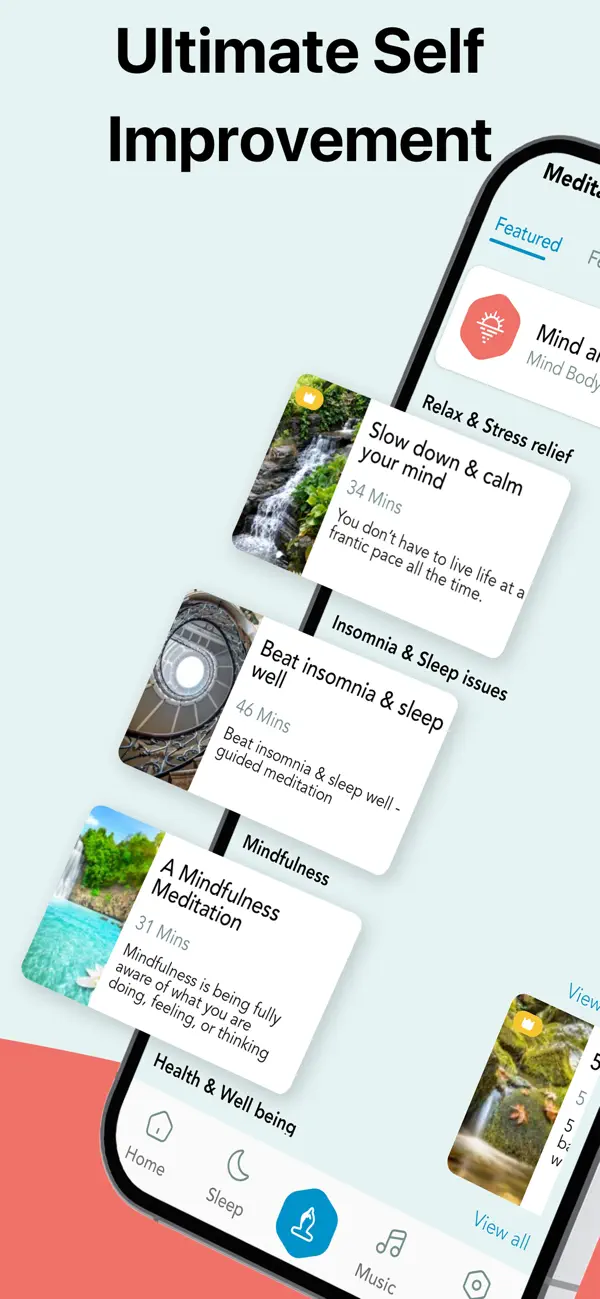
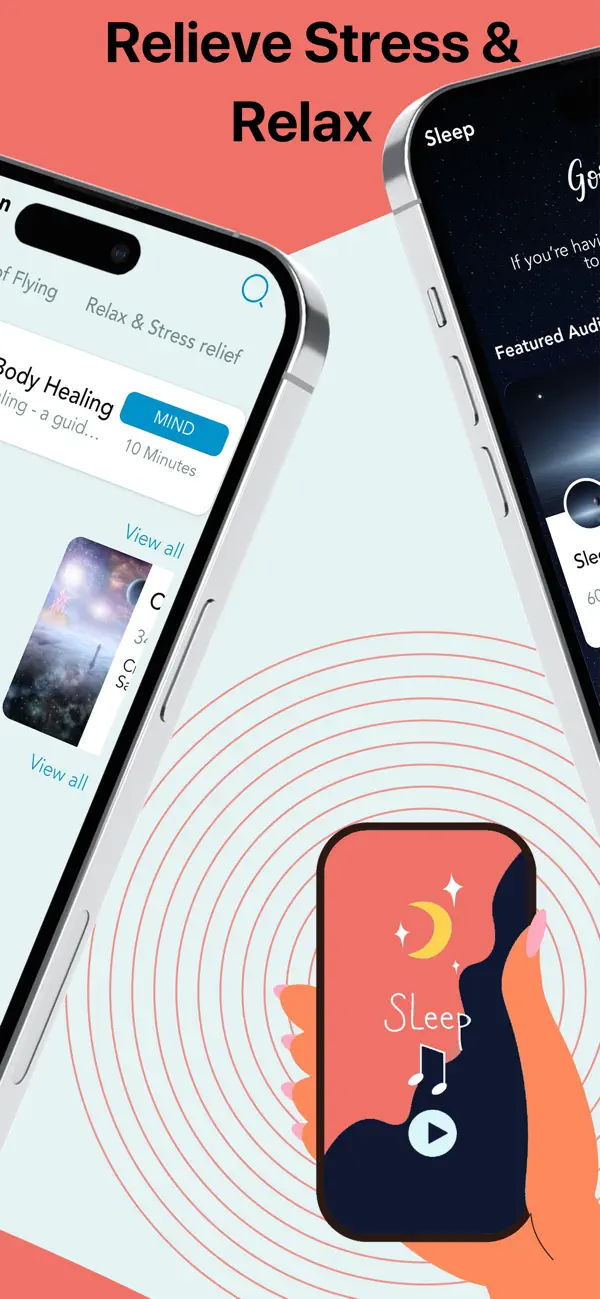
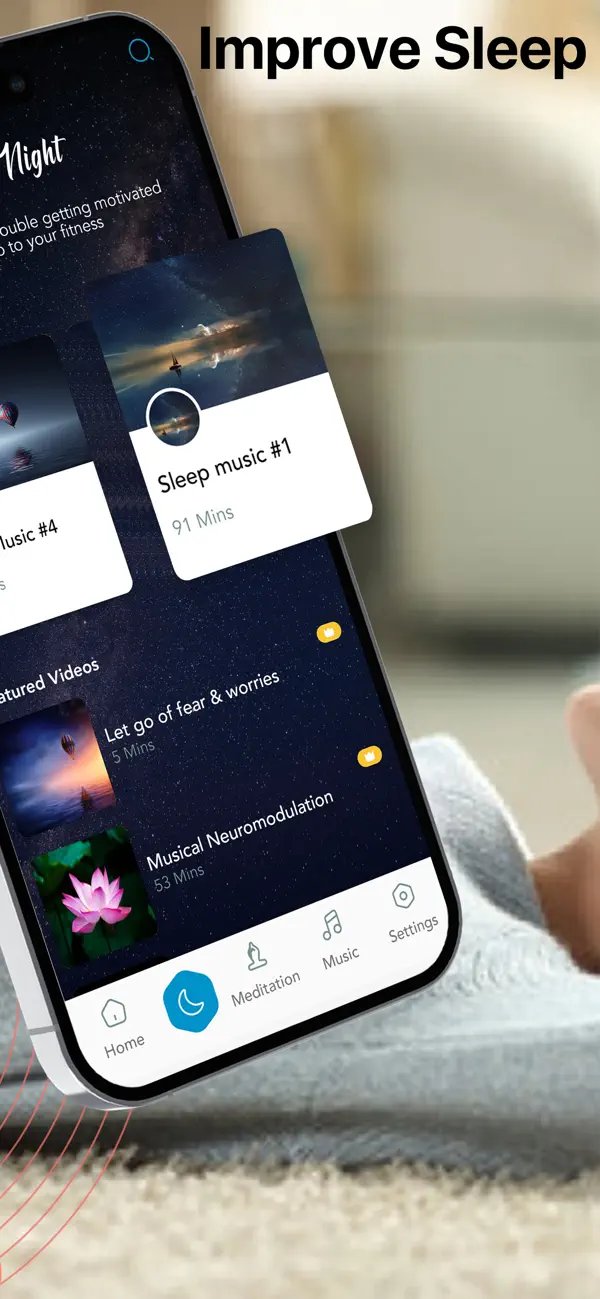
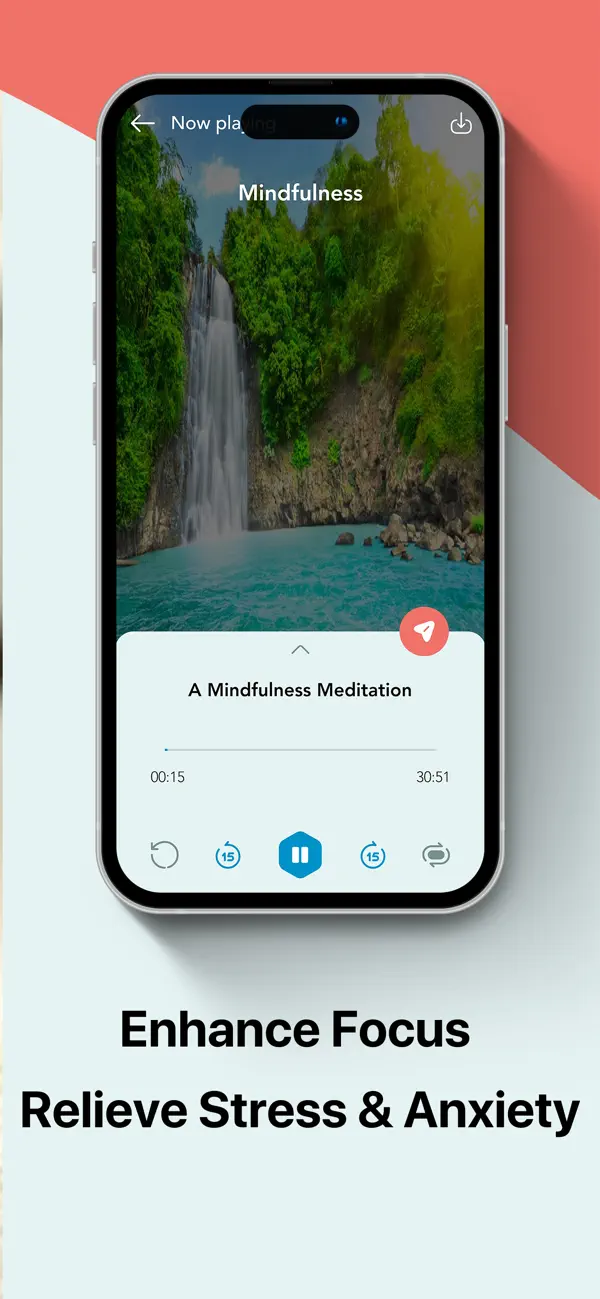
Definition: The Mindful meditation app offers secular guided meditations, mindfulness sessions, and breathing practices for beginners and everyday use.
Quick answer: what the app offers
Quick answer: Mindful.net is a secular mindfulness publication with its own mindfulness meditation app. The app offers guided meditations, breathing practices, mindfulness sessions, relaxation and stress relief sessions, sleep music, and sleep audio. It is a free download on iPhone and Android, with optional in app purchases. You can use it alongside the publication's guides to everyday awareness.
Who it’s for
For: beginners, busy professionals, students, parents, and anyone interested in secular mindfulness without unnecessary jargon.
Not for: crisis support, trauma treatment, psychiatric care, or replacing therapy. An app is not a substitute for professional support.
Mindful.net at a glance
| Type | Secular mindfulness publication with a meditation app |
|---|---|
| Audience | People exploring mindfulness, including beginners |
| Practice style | Secular mindfulness |
| Download | Free on iPhone and Android, with optional in app purchases |
| Core features | Guided meditations, mindfulness sessions, breathing practices, relaxation and stress relief sessions, sleep music and sleep audio |
| Care boundaries | Not a replacement for therapy or crisis care |
Mindful.net app snapshot: features, access, and everyday use

If you are new to mindfulness, a guided meditation can give you something concrete to follow. The Mindful.net app offers audio practices for meditation, breathing, mindfulness, relaxation, and stress relief. You do not need to hold a particular belief or already know how to meditate. Begin with a practice that interests you, and allow yourself time to become familiar with paying attention.
A practical starting point is to set aside a few minutes when you are unlikely to be interrupted. Sit in a position that feels comfortable, choose a guided meditation, and listen. The publication's articles can provide additional context about breath awareness, wandering thoughts, and bringing attention back to the present.
The app is free to download on iPhone and Android, with optional in app purchases. Sleep music and sleep audio are also available for listening as part of an evening routine.
How Mindful.net fits everyday practice
Mindful.net brings together a secular mindfulness publication and an app offering guided meditations, mindfulness sessions, and breathing practices. These resources give you ways to explore attention and make space for a pause. Relaxation and stress relief sessions provide another option, but no session can guarantee calm. Mindfulness practice should sit alongside appropriate care, not replace clinical treatment or support when you need it.
5 facts about mindfulness apps for beginners
- A mindfulness app is a digital tool that can provide guided meditation, breathing practices, and other ways to explore attention through audio.
- Secular mindfulness does not require religious belief, chanting, or a spiritual identity. You can approach it as practice in noticing your present experience.
- Research suggests possible benefits, with important limits. A 2021 meta analysis of mindfulness and meditation app trials reported small to moderate average improvements in stress, depression, and well being. Those findings do not establish results for every app.
- For beginners, clear guidance matters more than the number of audio tracks. Mindful meditation involves noticing and returning attention, not expecting every session to feel relaxing.
- Apps can offer a starting point, but they are not clinical care. Severe, persistent, or unsafe symptoms call for appropriate professional support.
Having a practice available on your phone can make it easier to choose a pause during an ordinary day.
What matters next is how you use that opportunity. Pick a manageable moment, listen to the guidance, and notice what happens without treating the session as a test you must pass.
Mindfulness for daily stress, attention, sleep, and relationships
Mindfulness practice may support stress management, attention, and emotional awareness, but experiences vary. Research on apps generally reports modest average benefits, not instant or dramatic changes. Findings about one intervention should not be treated as proof that every meditation app produces the same results.
Everyday mindfulness might mean pausing before answering a sharp message, noticing shoulder tension while reading email, or taking a few comfortable breaths before a difficult conversation. These are examples you can try yourself, rather than a prescribed app program or a promise of a particular outcome.
If work stress is your main concern, relaxation and stress relief sessions are one option in the app. You can also explore mindfulness for stress for ideas about bringing awareness into workplace routines and difficult moments.
Sleep music and sleep audio may form part of a bedtime routine, but they are not sleep medicine. Persistent sleep difficulties deserve professional attention. The mindfulness practices guide offers further examples of awareness in everyday life.
Key features of the Mindful meditation app
The app offers guided meditations, mindfulness sessions, breathing practices, relaxation and stress relief sessions, sleep music, and sleep audio. These provide several ways to make room for practice or rest. You can choose according to your interests without expecting any single type of audio to meet every need.
Guided meditation for beginners
Guided meditation gives you spoken instructions to follow while practicing. When you are starting out, it can help to remember that a wandering mind is ordinary, not evidence that you are doing something wrong. For additional reading about getting started, the publication's guide to mindfulness for beginners explains the basics outside the app.
Everyday mindful moments beyond formal practice
Mindfulness can also involve noticing your feet on the floor, the movement of a bus, or a breath before opening your laptop. These moments do not need an app feature or a recorded session. Explore the publication's meditation techniques guide for explanations of different approaches, then consider which ideas suit your circumstances.
You do not have to try every technique at once. Begin with one way of paying attention, and give yourself room to learn what feels manageable.
What to look for in a mindfulness meditation app
A useful mindfulness app should offer guidance you can understand and describe its purpose without exaggerated promises. For beginners, the important question is whether the practice feels approachable, not whether the app has the largest collection of audio. Clear information about access and care boundaries matters too.
When comparing options, think about how you intend to practice. You might want spoken meditation guidance, breathing practices, or audio for an evening routine. Consider when you could listen without feeling rushed, and whether the instructions make sense to you. A few minutes set aside regularly may be more manageable than an ambitious plan you cannot sustain. Keep expectations proportionate: research suggests possible benefits, but mindfulness is not a guarantee of better sleep, perfect focus, or relief from a mental health condition.
- Look for guided practices with instructions that make sense to you as a beginner.
- Consider how listening could fit your routine without assuming every app offers a particular session length.
- Choose an ordinary daily cue, such as finishing breakfast, to help you remember to practice without pressure.
- Prefer secular, accessible explanations if that matches your needs, and avoid unnecessary jargon.
- Check download and purchase information, and remember that an app does not replace mental health or sleep care.
Attention practice: focus, notice, and return
A basic mindfulness exercise involves choosing a focus, noticing when attention wanders, and returning gently. The return is part of the practice, not a correction for failing. You may repeat this many times, even during a brief period of meditation.
For example, you might notice your chest moving as you breathe, realize you are thinking about tomorrow's errands, and bring attention back to the next breath. Spoken guidance can support this process. You do not need to stop thinking or force yourself to feel calm.
A routine can help you make time for practice. Choose a specific cue and place, such as sitting in a comfortable chair after breakfast, then decide what you will do. This is a personal plan, not an app tracking feature. Research on implementation intentions suggests that specific plans about when and where to act can support follow through, although they do not guarantee consistency.
Mindfulness and relaxation overlap, but they are not identical. Relaxation aims at easing tension; mindfulness involves noticing experience, including thoughts or feelings that remain uncomfortable. App research suggests modest potential benefits, while individual responses and willingness to continue can differ considerably.
6 steps to start practicing with a meditation app
Getting started does not need a complicated setup. Choose one manageable routine and give yourself time to become familiar with listening, noticing, and returning your attention.
- Set aside a few quiet minutes in an existing routine, such as before opening your laptop.
- Choose a guided meditation in the app and settle into a comfortable position before listening.
- When thoughts arise, notice them without judging yourself and return to the focus of the practice.
- Choose an everyday cue for practicing again, rather than relying on motivation alone.
- When you want more context, read about another approach in the publication's meditation techniques guide.
- Try one mindful moment outside a session, such as noticing your steps while walking up a stairwell.
If you have stopped after a few scattered attempts, make the next step smaller. Returning to one manageable practice is enough; there is no need to make up for missed days.
Mindfulness for beginners, professionals, parents, and students
People approach mindfulness for many reasons: curiosity, a wish to pause during busy days, or an interest in noticing thoughts and emotions more clearly. The Mindful.net app offers secular audio practices, while the publication provides reading for people who want more context. Neither requires you to adopt a spiritual identity.
Professionals might set aside time between work tasks for a breathing practice or guided meditation. A quiet place can help, but your attention may still wander. The point is to notice and return, not to create a perfect setting.
Parents and caregivers might pause before responding to conflict or noise. Students may also be interested in mindfulness research; a 2021 randomized trial involving medical students examined perceived stress after a mindfulness app intervention, as described in this NIH research. That study does not establish results for the Mindful.net app.
The app is not treatment for severe anxiety, depression, trauma, or crisis situations. If you are considering Calm, Headspace, mindful.org, or Mindful.net, the best mindfulness app guide provides additional reading about your options.
Understanding app descriptions and research claims
When reading about a mindfulness app, distinguish its stated features from claims about health outcomes. A description of guided audio tells you what the product offers. A claim about stress, mood, or sleep needs relevant research and careful attention to the limits of that evidence.
This page describes Mindful.net's own app and publication. It is not an independent review, a report of personal testing, or an assessment of clinical effectiveness. The app features listed here are separate from the broader research about mindfulness and meditation apps linked throughout the article.
- Identify what is actually offered, such as guided meditations, breathing practices, mindfulness sessions, or sleep audio.
- Match evidence to the claim. Research about another app or a broader category cannot establish the same outcome for this product.
- Check access details. Mindful.net is a free download on iPhone and Android, with optional in app purchases; free download does not mean every item is free.
- Keep care boundaries clear. An app should not be treated as therapy, crisis support, trauma treatment, or medical care for sleep problems.
- When comparing descriptions, check that feature and access information is current rather than assuming older articles still apply.
Peer reviewed trials, research reviews, clinical guidance, and public health resources can help put claims in context. Personal testimonials and marketing descriptions are not substitutes for that evidence, and even a well designed study has limits.
Mindfulness App Limits
- Mindfulness research reports small to moderate average benefits, not guaranteed individual outcomes or proof that a particular app works.
- Downloading an app does not guarantee lasting practice, and Research on mental health app engagement reports low retention.
- No mindfulness app replaces therapy, psychiatric care, trauma treatment, or crisis support.
- If practice increases distress, pause and consider seeking guidance from a qualified professional.