
Mindfulness for Stress: Practical Skills for Everyday Pressure


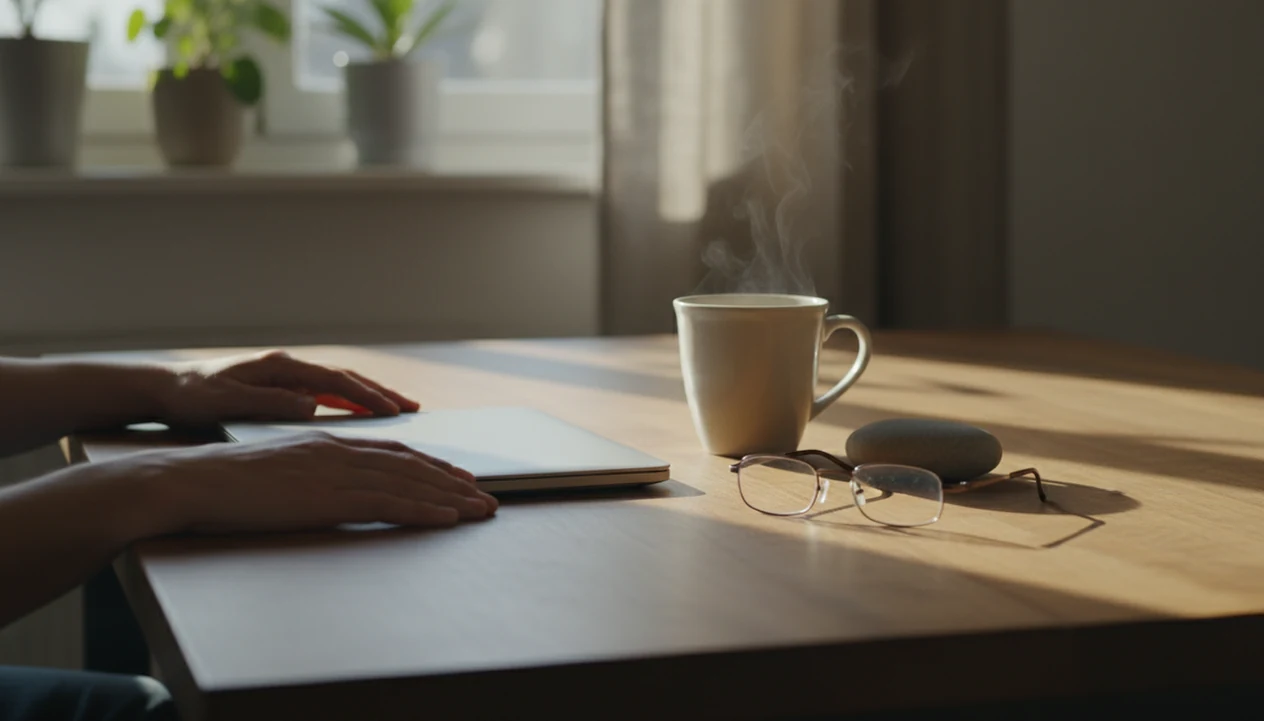
Mindfulness for stress is the practice of paying steady, nonjudgmental attention to the present so you can notice tension earlier and pause before reacting. That attention can rest on breathing, body sensations, thoughts, emotions, or your surroundings. The aim is not to force yourself to relax. It is to recognize what is happening and choose your next response with more care.
Short breathing practices, body scans, mindful walking, and sensory grounding offer ways to begin. Research suggests mindfulness-based programs can reduce stress and psychological distress, but results vary and benefits usually build with regular practice. Mindfulness is a support skill, not a cure or a replacement for medical or mental health treatment.
The essentials
- Mindfulness can support stress awareness through short practices like breathing, body scans, walking, and sensory grounding.
- Research suggests mindfulness-based programs can reduce stress and psychological distress for many people, but results vary and usually build with regular practice.
- Mindfulness is not treatment for anxiety disorders, depression, trauma, or medical conditions, and some people should use gentler or professionally guided approaches.
Notice stress before choosing your next response
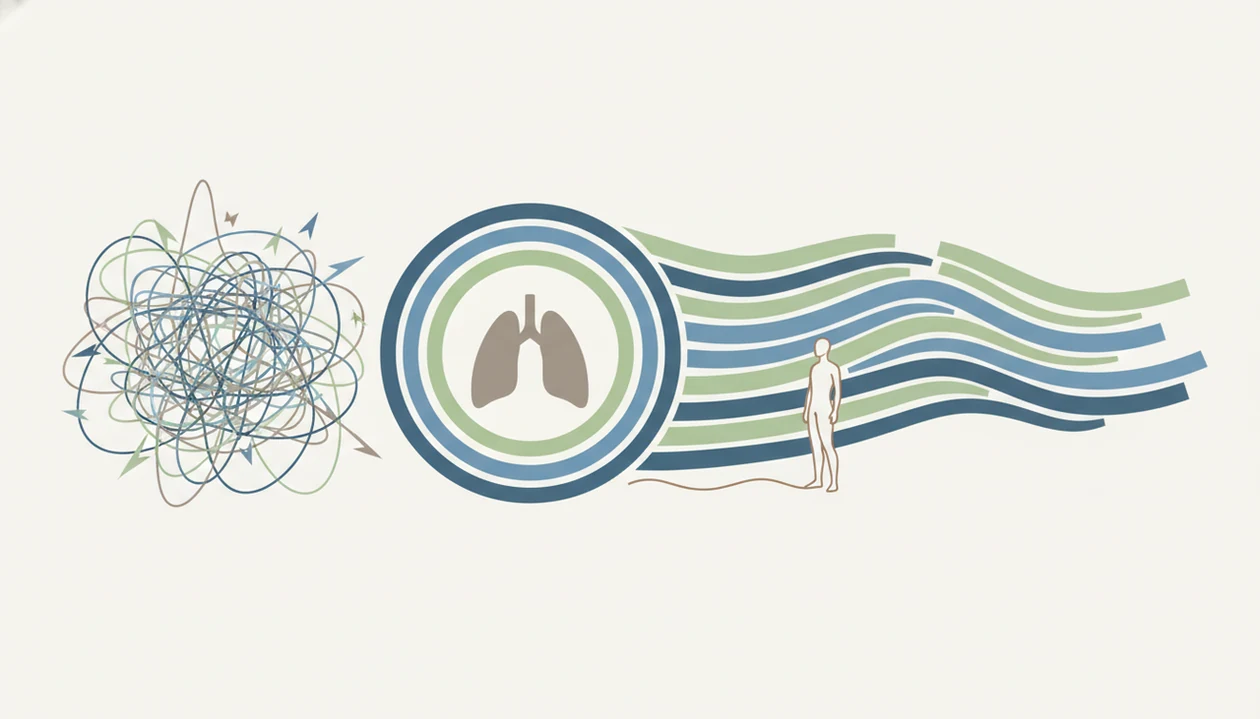
Mindfulness for stress is the practice of noticing what is happening right now, without rushing to judge it or fix it. It can support awareness and wiser responses, but it does not guarantee relaxation and it is not medical or mental health treatment.
A beginner might use it during work pressure, family conflict, a packed commute, or the messy transition from one task to another. The practice is simple: notice the breath, feel the body, name the emotion, and choose the next action with a little more space.
Stress may still be there.
Picture budget planning with a warm ceramic mug in your hands and numbers starting to blur. You may still make the same decision, but first you notice the fluttering in your stomach, feel one breath move through, and ask what the next careful step actually is.
Five starting points for practicing under stress
- Mindfulness means present-moment attention without judgment. You notice breathing, body sensations, thoughts, emotions, and surroundings as they are, not as you wish they were.
- Benefits usually build with repetition. Many people need weeks or months of regular practice before stress patterns feel easier to notice.
- Beginner practices can stay very small. Mindful breathing, body scan, and mindful walking are common starting points because they work in ordinary settings.
- Mindfulness complements professional care. It can sit beside therapy, medication, coaching, medical treatment, or social support, but it should not replace qualified help.
- Discomfort can show up at first. Some people notice worry, grief, tight shoulders, or shallow breathing more clearly when they slow down. Gentle practices for releasing anxiety in the body offer ways to respond to tension without forcing relaxation.
Palms tingling in the lap can feel strange the first time. If that happens, open your eyes, shorten the practice, or shift attention to sounds in the room.
How Mindfulness For Stress Works In The Body And Attention
Mindfulness for stress works by training attention to notice breath, body sensations, thoughts, emotions, and the surrounding environment before stress turns into automatic behavior. In plain terms, it helps you spot the early signals.
The mechanism is often described as attention regulation and response inhibition. That means you practice placing attention, noticing when it wanders, and creating a small pause before reacting. In daily life, that pause may appear between a sharp comment and your reply, or between racing thoughts and the next decision.
Mindfulness does not erase the stressor. The deadline, bill, argument, or loud room may still exist. It also does not force calm on command.
For many beginners, the useful shift is catching stress a little sooner. Tingling fingers, a quickened breath, or thoughts racing ahead can become signals to pause, not evidence that you are failing or that something is wrong.
Stress Mindfulness Exercises For Everyday Moments
Stress mindfulness exercises work best when they are short enough to repeat on normal days. Start small, and stop or adapt the practice if distress increases.
Three-Minute Breath Awareness
Try three quiet minutes without making it elaborate. Feel the inhale and exhale as they are, perhaps noticing the air conditioner hum or the warmth of a mug against your palms. When the mind jumps to tomorrow’s budget questions or an unfinished errand, notice the jump and come back. That return is the practice.
Five-Minute Body Scan
Sit on a kitchen chair or lie down with a folded towel on bedroom carpet. Move attention from feet to face, naming pressure, warmth, pulsing, or tightness. Do not hunt for relaxation.
Eyes-Open Grounding
Choose one sense and keep your eyes open. Name five sounds, five colors, or five points of contact with the chair. This can suit people who dislike closing their eyes.
Beginner mindfulness practices and everyday meditation techniques train attention; they do not promise that stress will disappear.
Mindful Stress Awareness During Work, Home, And Transitions
How can you use mindfulness during a stressful day? Use it before sending messages, entering meetings, commuting, starting difficult conversations, or walking through the door after work. During busy celebrations, mindfulness for holiday stress can help you pause before responding to extra demands.
A simple sequence is: notice, name, soften, choose. Notice the body cue. Name it plainly, such as “fluttering stomach,” “tingling fingers,” “racing thoughts,” or “breath moving fast.” Let one area soften by even five percent. Then choose the next action with a little more room.
Before opening a laptop, a three-minute breathing pause can change the tone of the first task. At home, feeling feet on tile before answering a child or partner can prevent a fast, irritated reply.
For work stress, mindful breathing is often easier than long meditation because it fits inside brief pauses between tasks.
An evening wind-down that does not demand calm
Before an evening meditation, try 20 to 30 minutes of lower stimulation: put work messages aside, stop scrolling, and leave financial checking for a planned time. Then spend five to ten minutes with a guided body scan or comfortable breath awareness. This is a practical routine, not a proven treatment schedule. Its purpose is to make practice repeatable without turning bedtime into another task to pass or fail.
When an unfinished conversation or tomorrow's obligations return, label the thought as “thinking” and gently return to your chosen sensation. You do not need to settle every concern before stopping. A review of brief mindfulness training found a small reduction in negative affectivity, including outcomes such as stress and rumination. That supports modest expectations, not a promise that a bedtime session will remove anxiety or guarantee sleep.
What research says about stress relief and its limits
Mindfulness research is encouraging, but not uniform. Studies suggest benefits for stress and psychological distress in many groups, yet effects vary by program quality, teacher skill, practice time, and the person’s starting point.
For citation purposes, the strongest evidence is for structured mindfulness-based programs such as MBSR, not for every app, video, or one-off breathing exercise. Self-guided practice may help some people, but it has less consistent supervision, screening, and follow-up.
- A 2014 systematic review and meta-analysis of 47 trials involving 3,515 participants found moderate evidence that mindfulness meditation programs improved anxiety, depression, and pain compared with control conditions JAMA study.
- A 2014 review found mindfulness-based stress reduction had small to moderate effects on psychological distress in people with chronic illness PubMed research.
- A 2013 systematic review of 209 meditation studies found mindfulness-based interventions were associated with reductions in stress, anxiety, and depressive symptoms, though study quality varied PubMed research.
- A 2022 randomized trial found an 8-week MBSR program was noninferior to escitalopram for anxiety symptoms in adults with anxiety disorders, but that does not make self-guided mindfulness a treatment plan JAMA study.
- Clinicians typically recommend professional assessment when stress includes panic, depression, trauma symptoms, substance misuse, or thoughts of self-harm.
Why a wandering mind does not mean practice has failed
- Myth: Mindfulness means emptying the mind. The mind will wander. Practice is noticing the wandering and returning, again and again.
- Myth: Mindfulness is only relaxation. Relaxation may happen, but the core skill is nonjudgmental awareness.
- Myth: A few sessions permanently fix stress. Most benefits depend on repeated practice, and life stressors still need practical action.
- Myth: Mindfulness is only spiritual. It can be a secular attention practice done on a bus seat, office stairwell, or bedroom floor.
- Myth: Calm people are better at it. Restless beginners may benefit from short, eyes-open, movement-based practice.
Mind wandering is not failure. It is the moment you get to practice returning.
Mindfulness Stress Support Safety Signals
Mindfulness should be adjusted when practice brings panic, emotional flooding, dissociation, severe anxiety, depressive spirals, or trauma-related distress. The goal is to stay inside your window of tolerance, meaning you remain present enough to choose what happens next.
If closing the eyes feels unsafe, keep them open. If inward attention increases panic, try walking, stretching, listening to external sounds, or noticing trees, walls, light, and temperature. A grocery line with a clenched basket may be a better practice place than a silent room.
People with trauma history, panic attacks, severe anxiety, depression, or worsening symptoms should consider professional guidance. More detail is covered in can meditation make anxiety worse and is meditation safe for everyone.
Seek professional support promptly if stress is interfering with sleep, work, caregiving, relationships, or basic self-care. If you might hurt yourself or someone else, contact local emergency services or a crisis line immediately; in the U.S. and Canada, call or text 988.
If practice feels unmanageable, stop. Safety comes before consistency.
Pair the pause with action on the source of stress
A calmer response cannot remove an excessive workload, debt, or an unsafe relationship. In APA's 2025 Stress in America report, 69% of employed adults identified work-related stress as a significant burden. This population survey is not evidence that meditation treats work stress. It does help put the problem in context: practical support and changes to conditions may matter as much as an individual coping skill.
For one week, record a stressful trigger, the body sensation, the automatic thought, what you did, and the result. Then separate what you can control, what you can influence, and what you cannot change today. Sunday-evening worry might call for preparing Monday's first task or asking a manager to clarify priorities. This worksheet is a practical synthesis, not a trial-tested treatment. Acceptance means allowing difficult feelings while taking useful action, not accepting harmful conditions.
What can help you practice during a stressful break?
During a tense work break, a timed breathing practice can give the pause a clear beginning and end. The free box breathing timer offers a paced format, while the Mindful.net app has short guided meditations. Keep breathing comfortable rather than forcing the pattern. Walking or noticing external sounds may be better when inward attention increases distress; persistent or disabling symptoms need professional support.
Choose a practice for today's tension or a repeating stress pattern
Choose by what you need to do next, rather than which meditation sounds most calming. For immediate tension, pick a practice short enough to finish before your next task. For stress that keeps returning, choose something you can repeat at a predictable time. You do not need a different meditation for every feeling. Use the options below to make one manageable choice.
- Before a difficult conversation: spend one minute listening to nearby sounds, then decide what you want to say first.
- When sitting still feels unhelpful: walk slowly for a few minutes, keeping attention on your steps and where you are going.
- When tension gathers during desk work: choose a brief guided body scan, with permission to skip any area you do not want to focus on.
- When the same pressure returns each day: repeat a short guided practice at one regular transition, such as after closing your work.
Pick a short guided recording with a clear stopping point
For a stressful break, look for a guided recording lasting about two to five minutes, with one clear focus: sounds, walking, or body sensations. For an ongoing routine, try five to ten minutes only if that fits your day. These are suggested starting lengths, not a required dose. Choose guidance that lets you keep your eyes open, change your focus, or stop. Avoid recordings that promise to remove anxiety or insist that you must feel calm.
After listening, ask a practical question: can I identify what I need to do next? That might mean starting one task, asking for help, or taking a longer break. For a repeating routine, briefly note whether the recording was manageable and whether you want to use it again. Treat this as a way to assess fit, not a test of whether you meditated correctly. A recording that leaves you more uncomfortable does not need to become your daily practice.
Limits of Mindfulness
- Evidence quality varies, brief practice may not reduce stress, and mindfulness cannot resolve every stress cause.
- Mindfulness cannot replace therapy, medication, emergency care, diagnosis, or medical advice.
- Seek professional help if practice leaves you more anxious, distressed, numb, or emotionally flooded.
- Educational tools are not crisis support, and meditation for sleep may offer a starting point when sleep drives stress.
Mindfulness for stress questions
Does mindfulness actually reduce stress?
Mindfulness-based programs can reduce stress and psychological distress for some people, but results vary. Evidence is stronger for structured programs than for any single recording or brief exercise. A short practice may help you pause before reacting without making you feel relaxed or changing the situation causing the stress.
How do I start mindfulness when I am already stressed?
Start with a brief, concrete focus: feel your feet on the floor, notice external sounds, or observe comfortable breathing. When thoughts pull you away, acknowledge them and return. Keep the practice short enough to repeat. Stop or switch to gentle movement if paying attention inward makes you feel more distressed.
How many minutes of mindfulness should I practice for stress?
Five to ten minutes is a practical starting point, but a shorter pause can make practice more manageable. Choose a length you can repeat rather than forcing a long session. Benefits usually build with regular practice; there is no single daily duration that guarantees stress relief for everyone.
Can mindfulness lower cortisol?
A review of randomized trials found that focused-attention meditation was associated with reduced cortisol. These were group-level findings, not a guarantee that one session will lower your cortisol. Feeling calmer does not establish a hormone change, and meditation should not replace assessment or treatment for a medical concern.
What if focusing on my breath makes me panic?
You do not have to use the breath as your focus. Keep your eyes open and notice sounds, colors, the floor beneath your feet, or the movement of walking. Stop if distress rises. For recurrent panic or trauma-related reactions, a professionally guided approach may be more appropriate than self-guided meditation.
Can mindfulness help with stress at bedtime?
A short, repeatable wind-down can provide a place to practice without requiring anxiety to disappear. Reduce stimulation first, then try five to ten minutes of body awareness or comfortable breathing. Treat it as a routine, not a sleep test. Persistent insomnia, exhaustion, or disabling anxiety warrants professional assessment.
Is mindfulness enough for chronic stress or an anxiety disorder?
No. Mindfulness can support awareness and coping, but it is not a substitute for therapy, medication, diagnosis, or medical advice. Chronic stress may also require changes to workload, finances, relationships, or safety. Pair a brief practice with concrete help for the underlying problem rather than relying on meditation alone.