
Meditation For Sleep As A Bedtime Awareness Routine
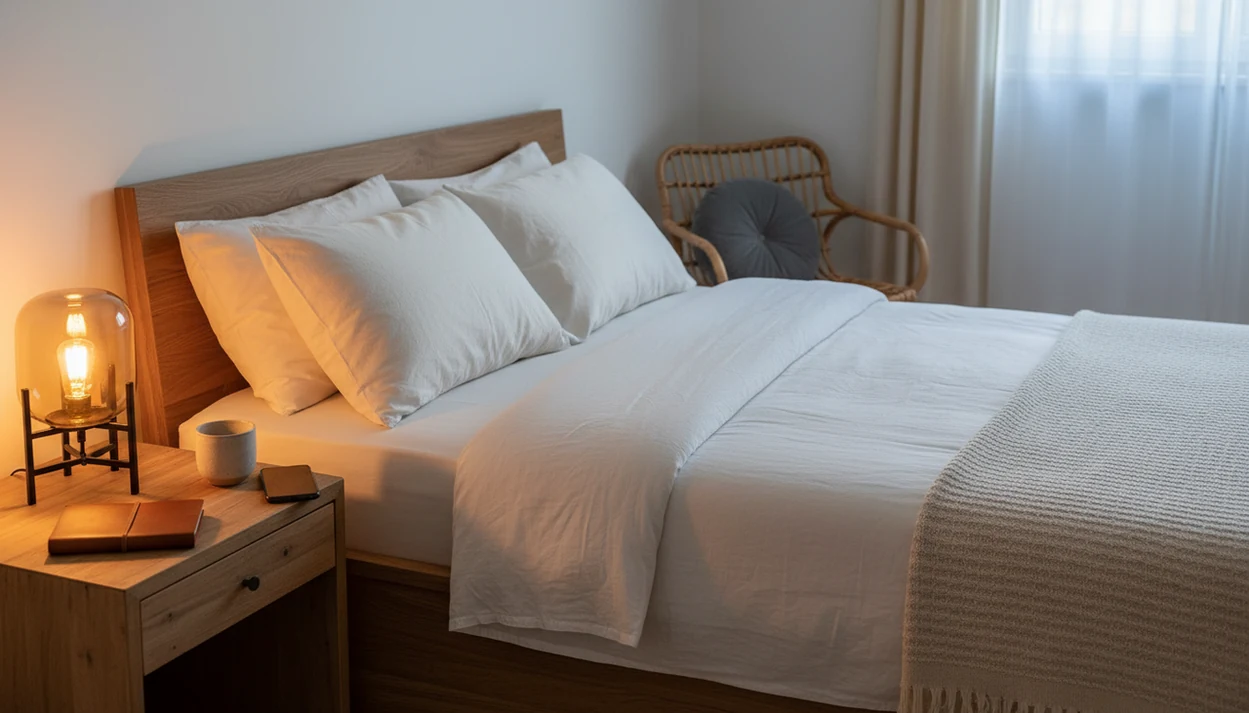
Meditation for sleep is a gentle bedtime awareness practice that can help you wind down by focusing on breath, body sensations, or a calming guided cue. It is best framed as a relaxation routine that supports healthy sleep habits, not as a treatment for insomnia or sleep disorders.
Scope: This guide is educational and is not medical advice. Meditation may support relaxation before bed, but persistent insomnia, suspected sleep apnea, severe daytime sleepiness, or distress should be discussed with a qualified healthcare professional.
TL;DR
- Sleep meditation is a wind-down practice, not a cure for insomnia or a way to force sleep.
- Beginner-friendly options include breath awareness, bedtime mindfulness, gentle visualization, and a body scan for sleep.
- Benefits are more realistic when the practice is repeated over time and paired with basic sleep hygiene.
Meditation for sleep at a glance
Meditation for sleep is a bedtime wind-down routine that uses attention, breath, and body awareness to support relaxation and sleep readiness. It should not be described as insomnia treatment, even when it helps someone feel calmer before bed.
Beginners can start with a short guided practice, a body scan for sleep, or simple breath awareness while lying down. Five slow rounds of breathing may be enough; an elaborate routine is not required. The point is to notice and return, not to perform relaxation perfectly.
Short sleep is common. The CDC reports that about 35% of U.S. adults sleep less than 7 hours on average, which helps explain interest in non-drug wind-down routines like meditation CDC guidance.
If you keep wanting to check the hour, treat that impulse as part of the practice: notice the pull, let the room stay quiet, and return to the next breath. One pattern we notice is that resisting the urge often takes more energy than naming it gently.
What meditation for sleep means in plain language
Meditation for sleep is a simple practice done near bedtime to settle attention, tension, and pre-sleep arousal.
In plain language, you give the mind one gentle place to rest, such as the breath, the body, or a quiet guided voice. You are not trying to empty the mind. You are also not trying to knock yourself out on command.
Wandering thoughts are expected. You may notice a performance review replaying in your mind, rain tapping the glass, or the urge to calculate how much rest you have left. The core skill is noticing that shift and returning attention without scolding yourself.
Good mindfulness practices and meditation techniques for beginners and daily life deliver a repeatable attention practice, not a guaranteed medical fix or a shortcut around sleep care.
Five facts about sleep meditation beginners should know
- Sleep meditation relaxes the mind and body before bed. It is not meant to force sleep, sedate you, or replace clinical insomnia care.
- Common options include breath awareness, body scan for sleep, visualization, and bedtime mindfulness. A guided cue can help when the room feels too quiet.
- Benefits are usually more realistic with regular practice over weeks. One difficult night does not mean the method failed.
- Sleep meditation works better with sleep hygiene basics. Schedule, light, noise, caffeine, alcohol, and screens still matter.
- Significant sleep problems deserve professional help. Suspected sleep apnea, chronic insomnia, severe daytime sleepiness, or major distress should be discussed with a healthcare professional.
For beginners, a short guided body scan is often easier than silent meditation because the next cue gives attention somewhere concrete to land.
How meditation for sleep works in the nervous system
Meditation for sleep works indirectly by reducing cognitive and physical arousal. Attention to breathing, body sensations, or a calm voice can soften the loop of worrying, checking the clock, and tightening the body.
Two useful terms are rumination and parasympathetic activation. Rumination means repetitive thinking that keeps replaying itself. Parasympathetic activation refers to the body’s rest-and-digest mode, which may become more available when breathing slows and muscles stop bracing.
Clinicians typically recommend treating persistent sleep problems according to the cause, not relying on meditation alone. The U.S. National Center for Complementary and Integrative Health notes that mindfulness meditation can help reduce anxiety and stress, both of which often feed sleep difficulty NCCIH overview.
A three-minute breathing pause before opening a laptop can also lower daytime stress. That matters because bedtime is not the only place sleep pressure builds.
Bedtime mindfulness routine for a 10-minute wind-down
This 10-minute bedtime mindfulness routine is an optional practice, not a prescription. Use it as a practical next step when you want to wind down without turning sleep into another task.
- Set the room by lowering bright light, silencing alerts, and placing the phone face down.
- Lie down comfortably or sit on a pillow if lying down makes you restless.
- Notice the breath for several rounds, especially the exhale heard in a quiet room.
- Scan the body from feet to face, pausing at tense areas without trying to fix them.
- Allow thoughts by naming “planning” or “remembering,” then returning to breath or body.
- End without pressure by letting the practice fade, whether sleep arrives or not.
If the routine feels frustrating, shorten it to 2 minutes. Simple breathing is still practice.
Tools like Mindful.net can be one option for guided practice, alongside Headspace, Calm, or a plain timer.
Body scan for sleep script with real-world distractions
How do you do a body scan for sleep when your mind keeps wandering? Start at the feet, move slowly upward, and let each breath be a chance to notice rather than force relaxation.
Notice warmth gathering inside your socks. Let the ankles loosen if they want to. Notice the lower legs, knees, and thighs. Let the hips feel supported. Feel the belly rise and fall. Notice the ribs, arms, hands, throat, cheeks, and the space around the eyes. Sense the whole body resting at once. Let the next breath arrive.
Noise does not ruin the practice. Planning thoughts do not ruin it either. If discomfort appears, adjust once if needed, then return to the next body area. If you catch yourself checking whether sleep is happening, label that “checking” and come back to contact with the mattress.
Tension does not have to disappear for the practice to count.
Meditation for sleep evidence and realistic benefits
The evidence for meditation for sleep supports modest sleep-quality benefits, not instant or guaranteed results. A 2015 randomized clinical trial of 49 older adults with moderate sleep disturbance found significant sleep quality improvement after a 6-week mindfulness program compared with sleep-hygiene education PubMed research.
A 2019 systematic review and meta-analysis of 18 randomized controlled trials found mild improvement in sleep quality across different groups, but the evidence quality was rated low NIH research. That cautious wording matters. It means meditation may help some people, but research does not support big promises.
The most common medically supported way to improve persistent sleep problems is proper assessment combined with sleep-habit changes, not meditation used as a stand-alone treatment.
If stress is a major part of the pattern, our guide to mindfulness for stress explains daytime practices that may support the evening routine.
Common myths about bedtime mindfulness and insomnia
These myths can make bedtime mindfulness feel like another thing to fail at. A more useful view is smaller: practice noticing, soften what can soften, and keep sleep expectations realistic.
- Myth: sleep meditation cures insomnia. Reality: it may support relaxation, but it is not a stand-alone treatment for chronic insomnia or diagnosed sleep disorders.
- Myth: you must empty your mind. Reality: noticing thoughts and returning attention is the practice.
- Myth: it should work in minutes. Reality: benefits may build gradually and vary from night to night.
- Myth: meditation replaces sleep hygiene. Reality: caffeine, screens, light, noise, alcohol, and irregular schedules still matter.
For people who become more anxious during practice, it may help to read about whether can meditation make anxiety worse before forcing longer sessions.
When to get professional help for sleep problems
Get professional help when sleep problems are persistent, dangerous, or tied to significant distress. Meditation can be part of a calming routine, but it should not postpone assessment when symptoms suggest a sleep disorder or worsening mental health.
A useful next step is to treat the pattern as information, not a personal failure:
- Track how long the problem has lasted, especially insomnia that continues for weeks despite steady sleep-habit changes.
- Notice breathing red flags such as choking, gasping, pauses in breathing, or loud snoring that disrupts a partner or household.
- Protect safety if daytime sleepiness is severe, you feel at risk of drowsy driving, or work and caregiving are being affected.
- Name emotional warning signs, including panic at bedtime, trauma responses during body-focused practice, persistent distress, or worsening anxiety or depression.
- Contact a qualified healthcare professional or mental health clinician and describe the pattern clearly.
You can still use breath awareness or a short body scan while waiting for care. The key is keeping meditation in the support role, not making it the gatekeeper for getting help.
Limitations
Meditation for sleep has real limits. It can be useful, but it cannot carry the whole job of sleep health.
- Research shows mild to small-to-moderate sleep-quality improvements, not a guaranteed solution.
- It should not replace medical assessment for chronic insomnia, suspected sleep apnea, severe daytime sleepiness, or major mental health concerns.
- Some beginners notice racing thoughts more strongly at first, especially in a dark room with no other input.
- Guided audios and apps can create reliance on devices or headphones for some users.
If practice brings up distress, our page on meditation side effects covers warning signs and safer adjustments.
A Practical Observation
One mistake we notice often: people try to make sleep meditation feel peaceful immediately, then assume it failed when the first few minutes feel busy. We usually suggest treating that busyness as information, not a verdict. For tired parents, shift workers, and people coming down from high-focus work, the early restlessness often seems to be the transition itself becoming visible.
What Surprised Us in Practice
- Meditation for sleep is usually less about forcing drowsiness and more about giving the mind fewer jobs to do.
- Compared with breathing exercises, sleep meditation often works better when the main problem is mental rehearsing, not just physical activation.
- A slow exhale can be useful, but counting every breath may keep some people too mentally alert.
- A body scan may feel distracting at first because you are noticing sensations that were already present under the cool sheet.
- If a hallway night light keeps pulling attention, treating it as a neutral object may work better than trying to ignore it.
What Not to Optimize
For most beginners, the exact script, voice, or sequence matters less than whether the routine feels repeatable on an ordinary night. We usually suggest choosing one simple cue, such as breath, body weight, or sound, and letting the practice be imperfect. The best sleep practice is often the one you can repeat when you are already tired.
Before You Try This
- If closing your eyes increases panic or feels unsafe, keep the eyes softly open or choose a grounding practice instead.
- If meditation becomes another performance goal, shorten it to two minutes and let the aim be winding down, not succeeding.
- If you are a shift worker coming home in daylight, pair the practice with consistent environmental cues rather than expecting darkness to do all the work.
- If a sleep story makes you follow the plot too closely, a body scan or simple sound awareness may be a better fit.
- If sleep problems are persistent, severe, or affecting safety, this routine should not replace professional support.
Environmental Setup That Actually Matters
A useful variation is to set one sensory anchor before the practice begins: the feel of the cool sheet, the edge of the pillow, or the faint glow of a hallway night light. This can help parents, nurses, musicians, or athletes shift from a demanding role into a quieter one without needing a perfect room. The room does not have to be silent; it only has to offer one cue you can return to.
Hidden Limits People Miss
Some advice emphasizes breath control because it is simple and portable, while other advice favors open awareness because controlling the breath can feel effortful for certain people. This is similar to the way a brief pause in Mindfulness at Work can help one person reset, while another needs a more structured Before Email Pause to reduce decision fatigue. Conflicting advice is often a sign that different people are solving different bedtime problems.
A Quick Technique Map
| Technique | Best for | Minutes |
|---|---|---|
| Body scan with neutral labeling | Noticing tension without trying to fix every sensation | 8-15 min |
| Slow exhale breathing | A simple wind-down when the body feels revved up | 3-7 min |
| Sleep story with soft attention | Racing thoughts that need a gentle narrative track | 10-20 min |
Why Mindful.net fits this specific need
Mindful.net is useful here because the guidance frames bedtime meditation as a practical wind-down routine, not a cure-all. Related guides such as Mindfulness at Work and the Before Email Pause can also help readers practice shorter resets earlier in the day, so bedtime is not carrying the entire burden.
FAQ
Does sleep meditation treat insomnia?
Sleep meditation may support relaxation and sleep readiness, but it should not be framed as treatment for insomnia. Chronic insomnia or suspected sleep disorders should be assessed by a healthcare professional.
How long should sleep meditation be?
Most beginners can start with 5 to 15 minutes. Consistency usually matters more than making the session long.
Can beginners do sleep meditation?
Yes, beginners can use simple breath awareness, guided audio, or a body scan while lying down. A free mindfulness app can be helpful if you want short guided options without starting from silence.
What is a body scan?
A body scan is a meditation practice that moves attention through the body to notice sensations and soften tension where possible. It does not require tension to disappear.
Should I meditate in bed?
Lying in bed is common for sleep meditation because the goal is winding down. If bed practice becomes frustrating, seated practice on a kitchen chair or cushion may work better.
What if thoughts keep racing?
Racing thoughts are common during bedtime mindfulness. The practice is to notice the thought, name it lightly, and return to the breath or body.
Is guided sleep meditation better?
Guided sleep meditation can help beginners because the voice provides structure. Unguided practice also works for people who prefer quiet or do not want headphones.
When should I get sleep help?
Get professional support for chronic insomnia, suspected sleep apnea, severe daytime impairment, or persistent distress. Meditation can support healthy habits, but it should not delay appropriate care.