
Mindfulness for Beginners: Start Small, Notice More
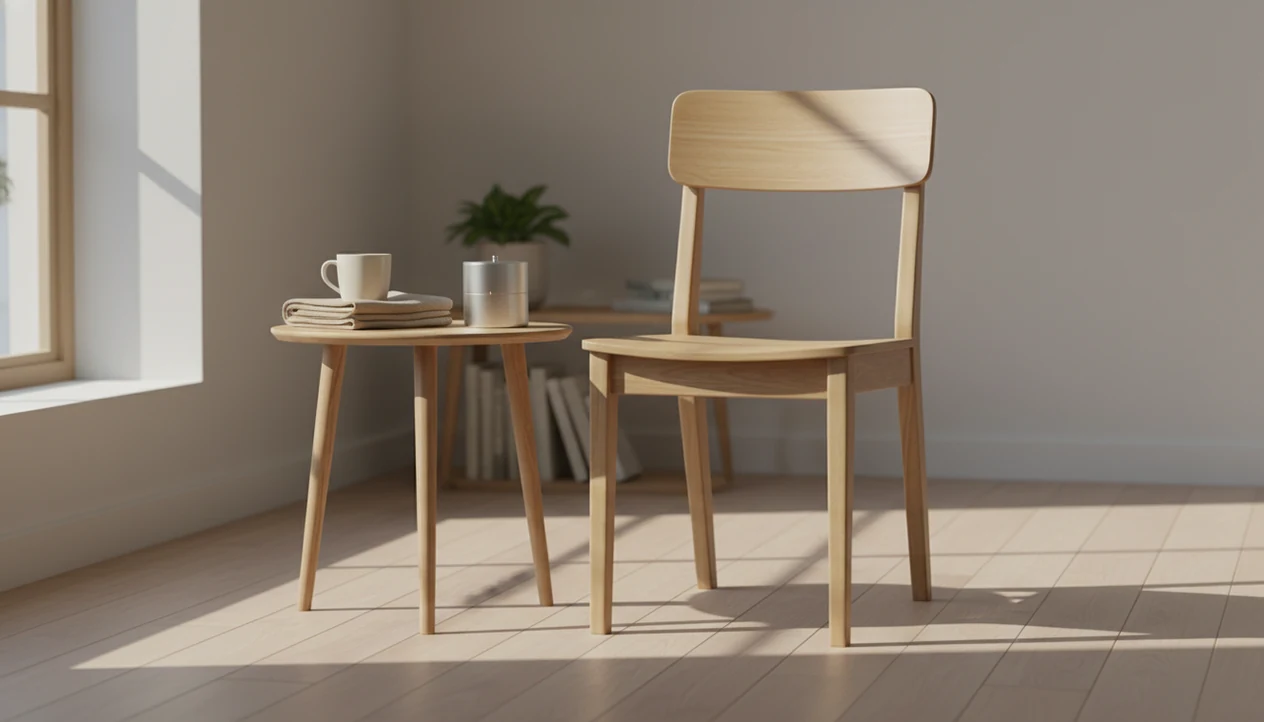
Mindfulness for beginners is the practice of paying gentle, non-judgmental attention to the present moment through breath, body sensations, thoughts, emotions, and surroundings. Start with 5 minutes a day, expect your mind to wander, and practice returning attention without criticizing yourself.
> Definition: Mindfulness is the secular skill of intentionally noticing present-moment experience with curiosity, steadiness, and less automatic judgment.
TL;DR
- Begin with short 5-minute sessions using breath, body, or senses as your anchor.
- Mindfulness is not about stopping thoughts; it is about noticing thoughts and returning attention kindly.
- The easiest beginner path is one formal practice per day plus small mindful moments during ordinary routines.
What beginners actually need to know about mindfulness
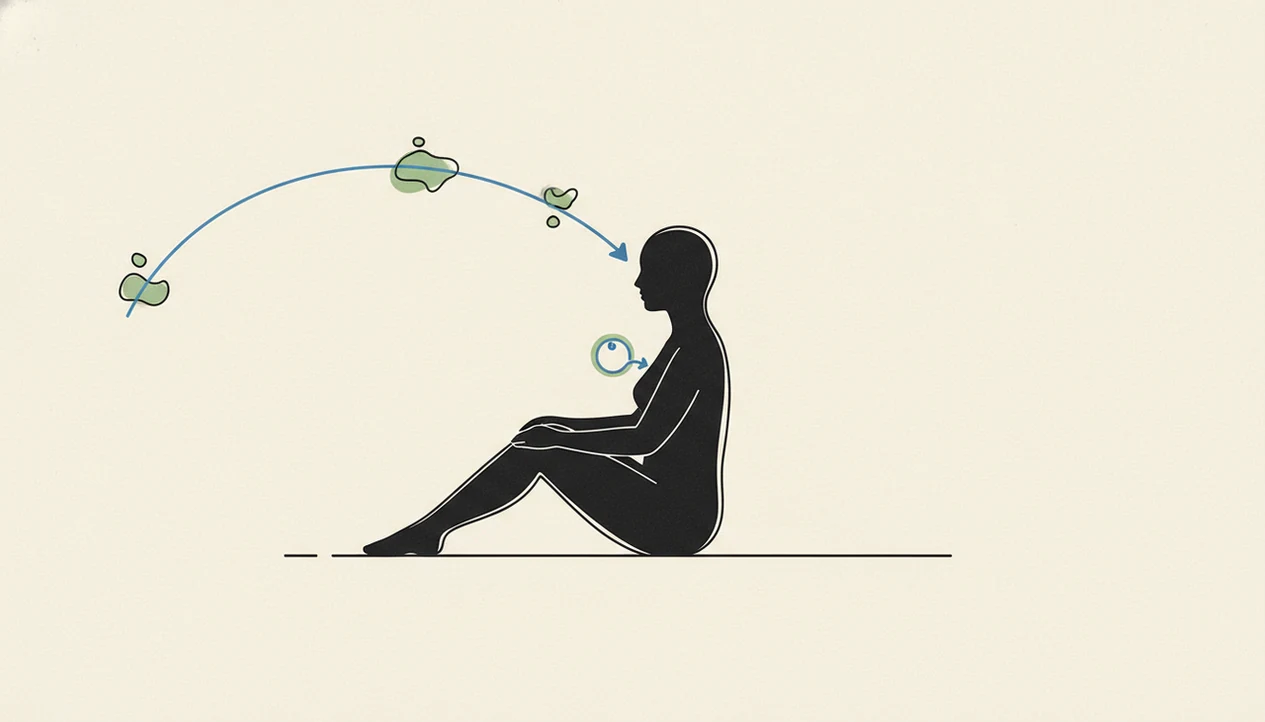
Beginner mindfulness means paying present-moment attention to thoughts, emotions, body sensations, breath, and surroundings without quickly judging them as good or bad. It is a secular attention practice, so you can use it while sitting, walking, eating, commuting, or having a conversation.
If you are new, skeptical, or restarting after years away, these five points matter most:
- Mindfulness is intentional attention. You choose one thing to notice, then return when the mind drifts.
- Mindfulness does not require religion or special posture. A kitchen chair, bus seat, or office stairwell can work.
- Evidence supports benefits for many people. Research is strongest for structured programs and stress-related outcomes, not every claim.
- Short sessions are realistic. A phone timer set for 5 minutes is enough to begin.
- Mindfulness is not thought-stopping. The practice is noticing and returning.
Tools like Mindful.net can help beginners compare mindfulness practices and meditation techniques for everyday life, but the basic skill starts without any app.
7-day simple mindfulness starter plan
A simple 7-day beginner mindfulness plan is 5 minutes daily, at the same time if that fits your life, with one anchor and one short reflection note. Wandering is expected. Restlessness is expected. The main repetition is not “emptying your mind”; it is noticing that attention moved and gently bringing it back.
For beginners, breath, body sensations, and sounds are the easiest anchors because they are always available. If you want a broader foundation, our what is mindfulness guide explains the concept in more detail.
| Practice | Time | Anchor | Best moment to use it |
|---|---|---|---|
| Breath noticing | 5 minutes | Natural inhale and exhale | Before opening your laptop |
| Body scan | 5 minutes | Feet, legs, shoulders, jaw | After waking or before bed |
| Sound practice | 5 minutes | Nearby and distant sounds | Lunch break or commute |
| Daily reflection | 1 minute | One sentence in a notebook | Right after practice |
The reflection note can be plain: “Mind jumped to tomorrow’s warehouse shift. Came back to the breath twice.” That counts.
How mindfulness for beginners works in the mind
Mindfulness works by training attention in a simple loop: choose an anchor, notice distraction, and return without treating the distraction as failure. One pattern we notice with beginners is that they often expect a silent mind, when the useful skill is seeing thoughts as mental events rather than instructions you have to obey.
That matters in ordinary moments. A door handle touched before entering a tense meeting can become a cue to pause. You notice the tight chest, the rehearsed reply, and the urge to rush. Then you have a little more response flexibility, or space between stimulus and reaction.
A 2021 JAMA Psychiatry meta-analysis of 136 randomized trials found small-to-moderate improvements in anxiety, depression, and stress for mindfulness-based programs compared with inactive controls JAMA study. A 2014 JAMA Internal Medicine systematic review found moderate evidence that meditation programs can improve anxiety, depression, and pain, while noting limited evidence for some other outcomes JAMA study. Mindfulness practices and meditation techniques for beginners and daily life can build steadier attention and response flexibility, not instant calm or medical treatment.
Mindfulness practice setup for first-time beginners
You do not need a cushion, app, belief system, special clothing, or silent room to try mindfulness. The practical setup is a stable seat, an upright but relaxed posture, a timer, and a low-pressure attitude.
Settle in a position that feels steady enough to stay with for a few minutes. Your hands might rest around a warm coffee mug, on your lap, or at your sides. Keep your spine upright but not rigid. Eyes can be open, lowered, or closed. If closing your eyes feels unsafe or too intense, keep them open and quietly name what you see, like a teaching whiteboard, a doorway, or the line where the wall meets the ceiling.
For people with trauma history, panic, or overwhelming distress, shorter practice may be safer than pushing through. Try 30 seconds of sensory grounding instead. Feel the chair. See the wall color. Stop if symptoms worsen.
The National Center for Complementary and Integrative Health notes that meditation is generally considered safe for healthy people, but people with physical or mental health conditions should discuss intensive or worsening practice effects with a clinician NCCIH overview.
How to start mindfulness with a 5-minute session
To start mindfulness, use one short session with a clear anchor and a natural stopping point, such as the end of a short breathing round or a few quiet minutes. The goal is not to perform meditation well; it is to practice returning attention once, twice, or many times.
- Set a timer for 5 minutes so you are not checking the clock.
- Sit or stand steadily with feet grounded, hands resting, and spine upright but not stiff.
- Choose one anchor such as natural breathing, feet on the floor, or sounds in the room.
- Notice wandering when attention moves to planning, memories, worries, or the grocery list.
- Return gently to the anchor until the timer ends, using normal breathing rather than forced breathing.
This anchor-notice-return loop mirrors core components used in structured mindfulness training, including Mindfulness-Based Stress Reduction, which typically teaches attention to breath, body sensations, and everyday experience over repeated practice sessions. For a more detailed sitting practice, the how to meditate for beginners guide walks through posture, breath, and common early problems. After this session, write one line: “What did I notice, and what helped me return?”
One sentence is enough.
4 simple mindfulness exercises for everyday life
Simple mindfulness works best when it fits ordinary routines, not just quiet meditation time. These four micro-practices help beginners respond less on autopilot during the day.
Three-Breath Reset
Use the Three-Breath Reset in ordinary transition points: at the top of the parking garage stairs, beside a camping lantern while unpacking gear, or just before starting a task you have been avoiding. Feel one inhale and one exhale three times. Then notice one simple after-effect, such as tingling fingers, a slower pace, or the echo of the space around you.
Mindful Handwashing
Use Mindful Handwashing after the restroom or before cooking. Notice water temperature, soap texture, and the movement of your fingers without turning it into a long ritual.
First Bite Practice
Use First Bite Practice at the start of a meal. Notice color, smell, chewing, and the first swallow before reaching for the next bite.
Before-Reply Pause
Use the Before-Reply Pause before answering a message, especially when annoyed. Feel the phone in your hand, take one breath, then decide whether to send, edit, or wait.
For busy beginners, micro-practices are often easier than long sessions because they attach attention training to routines that already happen.
Common beginner mindfulness myths and practice mistakes
Most beginner mindfulness problems come from expecting the wrong thing. Mindfulness is not emptying the mind, becoming spiritual, meditating for an hour, or instantly fixing mental health problems.
- The empty-mind myth: Thoughts will continue. The practice is noticing them without being pulled along every time.
- The religion myth: Mindfulness can be taught as a completely secular practice, separate from any belief system.
- The long-session myth: Five minutes is a valid start. Consistency matters more than impressive duration.
- The instant-fix myth: Mindfulness may support stress and mood for many people, but it is not a cure-all.
- The “good session” mistake: Judging every practice as success or failure adds pressure.
Other common mistakes include forcing calm, changing anchors every minute, and using practice to avoid difficult feelings. If you are sorting out mindfulness vs meditation, remember that mindfulness can happen inside meditation or during daily life.
2-week signs your beginner mindfulness practice is working
Early progress often looks subtle: you notice distraction sooner, pause before reacting, recognize jaw tension behind closed lips, or recover from stress a little faster. These are practical signs, even if you do not feel peaceful during practice.
For 2 weeks, track three items: practice minutes, anchor used, and one observation. A notebook margin filled with breath counts may tell you more than a mood score. Benefits usually require consistency over weeks or months, so do not judge the whole practice after two sessions.
Meditation has also become more common. Among U.S. adults using complementary health approaches, meditation rose from 4.1% in 2012 to 14.2% in 2017, according to a National Center for Health Statistics report CDC guidance. That growth is context, not proof it works for everyone. For realistic timing, compare your notes with a meditation benefits timeline.
When to seek professional support for mindfulness practice
Seek professional support if mindfulness repeatedly makes you feel less safe, less present, or more depressed. A practice should be adjustable; it should not become something you endure while symptoms escalate.
- Stop the session if panic rises quickly, you feel detached from your body or surroundings, intrusive memories flood in, or depression feels heavier afterward.
- Switch to external grounding by opening your eyes, naming five things you see, pressing your feet into the floor, touching a textured object, or listening for ordinary room sounds.
- Shorten or pause practice if the same pattern keeps returning, especially with trauma history, severe anxiety, or mood symptoms that are getting worse.
- Contact a therapist or doctor when distress is persistent, confusing, or interfering with sleep, work, relationships, or daily care.
- Use a crisis line or emergency service right away if you might harm yourself or someone else, feel unable to stay safe, or are losing touch with reality.
Mindful.net offers educational mindfulness content and practice guidance. It is not a diagnosis, therapy, medication advice, crisis support, or a substitute for care from a qualified professional.
Limitations
Mindfulness has real limits, and beginners should know them before making it a daily practice. It can change how you relate to pain, stress, and emotion, but it may not remove the underlying cause.
- Mindfulness is not a quick fix; changes are often gradual and modest.
- It should not replace professional care during acute mental health crises, severe depression, psychosis, bipolar disorder, or safety concerns.
- Some people feel more distress when turning attention inward, especially with trauma history.
- Evidence is stronger for structured programs and general stress-related outcomes than for every condition or every app.
If you want a balanced evidence summary, our benefits of mindfulness article separates likely benefits from overclaims.
Related guides
Three Situations Where This Helps
| If you... | Try | Why | Note |
|---|---|---|---|
| Your thoughts race as soon as you sit down in an ordinary chair. | Try 3 minutes of breath counting, then write one neutral line in a one-line journal. | A short container may make wandering feel less like failure and more like part of the Anchor-Notice-Return loop described in /what-is-mindfulness. | If sitting still feels overwhelming, start with mindful walking or grounding instead. |
| You are a shift worker coming home wired but too tired for a long routine. | Set a kitchen timer for 5 minutes and notice one body sensation at a time. | A timed practice removes the decision of when to stop, which often matters when attention is already depleted. | Do not use mindfulness as a way to force sleep; treat it as a low-pressure transition. |
| You are skeptical and dislike spiritual-sounding instructions. | Use plain labels: breathing, hearing, thinking, planning, returning. | Simple labels keep the practice practical and reduce the feeling that you need to perform calm. | If you need fast orientation during distress, grounding may be a better first move than seated mindfulness. |
What Beginners Usually Misunderstand
Mindfulness is not a quick mood switch; it is more like practicing the skill of noticing what is already happening without immediately fighting it. For beginners, that can feel surprisingly unrelaxing at first because the mind may seem louder once you stop distracting it. A useful expectation is: mindfulness may help you relate differently to stress, but it does not require you to feel peaceful on command.
Maintenance Routine Worth Keeping
| If you... | Try | Why | Note |
|---|---|---|---|
| You practiced 4 or more days this week. | Keep the same time and add only 1 minute next week. | Consistency tends to matter more than session length for most beginners. | Do not upgrade the routine so much that it becomes easy to avoid. |
| You practiced once or twice and forgot the rest. | Attach 2 minutes of mindfulness to an existing cue, such as after brushing your teeth or after making coffee. | A familiar cue reduces the need for motivation and keeps the practice ordinary. | Skipping days is information, not evidence that you are bad at mindfulness. |
| You felt more agitated after practice. | Shorten the session and compare mindfulness with grounding: name objects in the room, then return to one breath. | Grounding may feel more concrete when the nervous system seems stirred up, while mindfulness asks for broader noticing. | If practice repeatedly feels unsafe or destabilizing, consider professional support. |
| You want mindfulness mainly for stress recovery. | Pair a 5-minute sit with a brief note about what helped you settle afterward. | This keeps the focus practical and connects naturally with Stress Recovery ideas from /mindfulness-for-stress. | Mindfulness can support a routine, but it is not a substitute for rest, care, or medical advice. |
Technique Snapshot
| Technique | Best for | Minutes |
|---|---|---|
| Breath counting in an ordinary chair | A skeptical beginner who wants a clear task | 3-5 min |
| One-line journal after sitting | Noticing patterns without turning practice into homework | 2-4 min |
| Kitchen-timer body scan | Ending the session without checking the clock repeatedly | 5-10 min |
A Practical Observation
One mistake we notice often: beginners try to judge the session by whether they felt calm, when the more useful question may be whether they noticed and returned at least once. We usually suggest treating the first week as a small attention experiment, not a personality test. The awkward opening minute is common, especially when someone is trying to look mindful instead of simply noticing breathing, sound, or thought.
The best beginner practice is usually the one you can repeat without negotiating with yourself.
Why Mindful.net fits this specific need
Mindful.net’s beginner guides are built for practical choice points: what to try, when to shorten practice, and when another support may fit better. This page can pair naturally with the Anchor-Notice-Return explanation and Stress Recovery guide when a beginner wants plain-language next steps rather than guru-style advice.
FAQ
How do I start mindfulness?
Choose one anchor, set a 5-minute timer, notice when your mind wanders, and return gently. Start with breath, body sensations, or sounds.
What is beginner mindfulness?
Beginner mindfulness is present-moment attention practiced in short, repeatable ways. It usually begins with noticing breath, body, thoughts, emotions, or surroundings without harsh judgment.
Can mindfulness stop thoughts?
Mindfulness does not stop thoughts. It helps you notice thoughts as mental events instead of automatically believing or following them.
How long should beginners meditate?
Beginners can start with 5 minutes a day. Increase only when the practice feels sustainable, not because longer seems more serious.
Is mindfulness religious?
Mindfulness can be practiced in a completely secular way. It does not require a belief system, prayer, or spiritual language.
What should I focus on during mindfulness?
Beginner-friendly anchors include natural breathing, feet on the floor, body sensations, sounds, and simple sensory cues. Apps such as Mindful.net can help organize these options.
Why does my mind wander during mindfulness?
Mind wandering is normal and expected. Noticing that it wandered is part of the practice, not a sign of failure.
Can mindfulness reduce stress?
Mindfulness may reduce stress for many people, especially when practiced consistently through structured methods. It should not be treated as a guaranteed result for every person.
When should mindfulness be avoided?
Mindfulness alone is not appropriate during crisis, safety risk, psychosis, severe depression, or overwhelming trauma symptoms. In those situations, seek qualified support; Mindful.net can offer educational practice guidance, but it is not crisis care, diagnosis, therapy, or medical treatment.