
Mindfulness for Beginners with Anxiety: Short Practices and Stop Signs


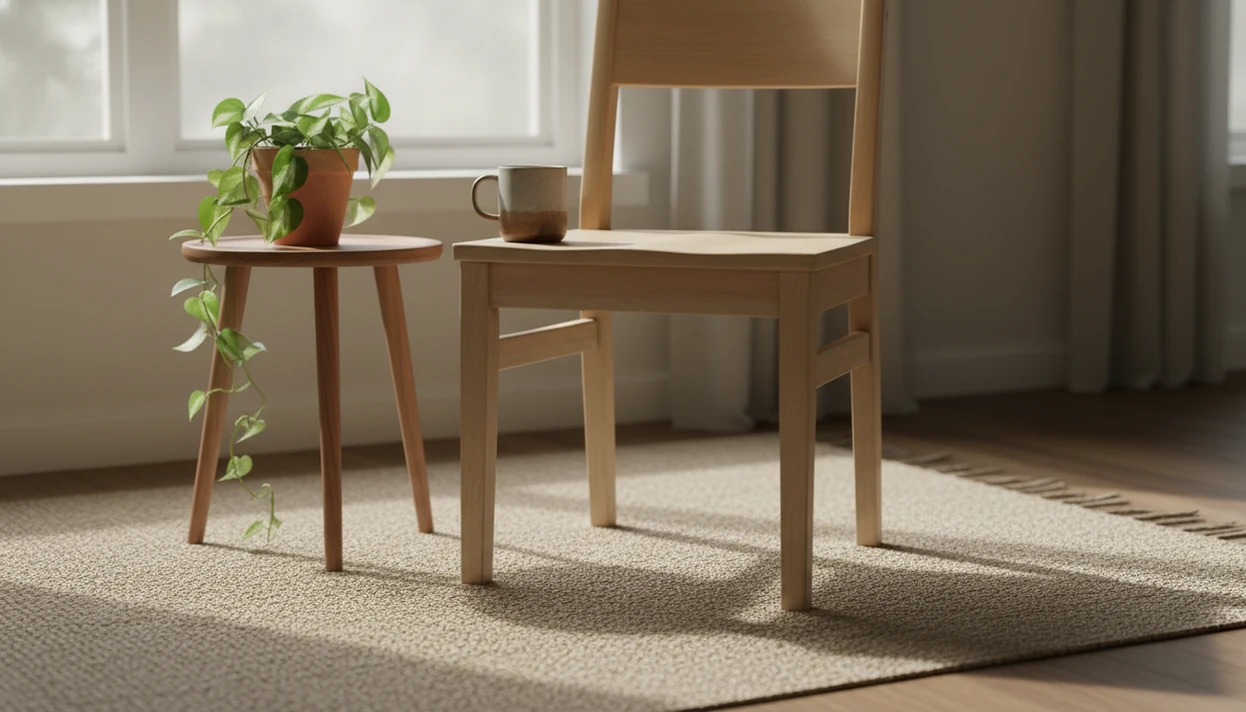
Mindfulness for beginners with anxiety starts with brief, choice-based practice and grounding anchors such as sight, sound, or feet on the floor. Anxiety-aware mindfulness means noticing present-moment experience with curiosity and less judgment, while making adjustments that reduce overwhelm. Begin with 30 seconds to 5 minutes. Keep your eyes open if that feels safer, and choose a nearby object or sound if focusing on your breath feels uncomfortable.
The goal is to notice anxiety without automatically following every worried thought, not to force yourself to feel calm. Stop if panic, dissociation, or trauma memories intensify. Mindfulness can support anxiety management, but it does not replace therapy, medication, or crisis care. A short practice with a clear ending is enough to begin.
Definition: Anxiety-aware mindfulness is the practice of noticing present-moment experience with curiosity and less judgment while using adaptations that reduce overwhelm.
The essentials
- Start with very short practices: 30 seconds, 1 minute, or 5 minutes is enough.
- Use external anchors such as sounds, objects, or feet on the floor if breath focus feels uncomfortable.
- Mindfulness can support anxiety, but it is not a replacement for therapy, medication, or crisis care.
Start with eyes open and an external anchor
Anxiety-aware mindfulness means paying attention on purpose to the present moment with curiosity and without judgment, while keeping the practice gentle enough to feel manageable. For anxious beginners, the goal is noticing anxiety, not making it disappear.
The safest starting practices are often eyes open, feet on the floor, sounds in the room, and sessions as short as 30 seconds. You might sit on a kitchen chair, feel tile under your feet, and name one sound before stopping. That counts.
Beginner mindfulness practices can build steadier attention and kinder self-awareness, but they do not guarantee calm or replace medical treatment.
If anxiety is severe, panic is frequent, PTSD symptoms are active, or you feel at risk of harming yourself, use mindfulness only with qualified support. Crisis symptoms need immediate professional or emergency care.
Notice worry without treating it as an instruction
Mindfulness anxiety support works by training attention to notice worry loops earlier and return to a present-moment anchor. In plain language, it helps you see, “I’m having a what-if thought,” before the thought becomes the whole room.
The mechanism is partly about attention regulation and cognitive defusion. Attention regulation means you practice moving attention on purpose. Cognitive defusion means thoughts are noticed as mental events, not automatic instructions. Sensations may still feel uncomfortable. A tight chest can still be a tight chest. The shift is in how quickly you add fear, judgment, or a second story.
Research is cautiously encouraging, but not definitive. A 2014 JAMA Internal Medicine meta-analysis of 47 randomized clinical trials found moderate evidence that mindfulness meditation programs can improve anxiety symptoms (JAMA study). The National Center for Complementary and Integrative Health also describes meditation as generally safe for many people, while noting that it should not replace conventional care when symptoms need treatment (NCCIH overview).
For anxious beginners, an external anchor is often easier than inward focus because it gives attention somewhere less charged to land.
A brief pause is not the same as anxiety treatment
A 30-second grounding exercise and a structured mindfulness program serve different purposes. One may help you regain attention in the moment; the other involves repeated practice over weeks. A 2014 review of 47 randomized clinical trials found a small-to-moderate average improvement in anxiety from mindfulness meditation programs at about eight weeks, with a smaller benefit at three to six months.
Those findings do not establish that a one-minute exercise, calming sound, or particular anchor produces the same results. Judge a brief practice by a modest question: can you notice what is happening and return attention without becoming more distressed? Anxiety that repeatedly disrupts work, school, sleep, or relationships needs assessment by a qualified clinician, even when grounding offers temporary relief.
Six ways to make practice more manageable
Beginner mindfulness anxiety adaptations should increase choice, control, and permission to stop. Breath focus and body scans are optional, not required, especially if inward attention makes symptoms louder. When sadness accompanies anxiety, mindfulness for sadness offers gentle practices that leave room for difficult feelings.
| Adaptation | Best for | How to try it | When to skip it |
|---|---|---|---|
| Eyes-open practice | Feeling unsafe with eyes closed | Rest your gaze on a wall, plant, or doorway | Skip if visual input feels overstimulating |
| External sound anchor | Racing thoughts | Notice one sound, then another | Skip if noise feels sharp or triggering |
| Feet-on-floor grounding | Spinning worry | Press feet into carpet or tile for three breaths | Skip if body focus increases panic |
| Short breath noticing | Mild anxiety | Notice one inhale and one exhale | Skip if breath focus feels controlling |
| Walking mindfulness | Restless energy | Feel each step for 30 seconds | Skip if dizziness or panic rises |
| Object-in-hand practice | Needing something concrete | Hold a pen, stone, or fabric edge | Skip if touch cues trauma memories |
A phone timer set for 1 minute is plenty.
A short anxiety practice in five steps
Short mindfulness for anxiety works best as a small, structured pause with a clear ending. If you are highly anxious, use the 30-second version and stop sooner if distress spikes.
- Choose a safe position. Sit, stand, or lean against a wall where you can see the room.
- Set a short timer. Pick 30 seconds, 1 minute, or 5 minutes, not an open-ended session.
- Pick an external anchor. Use a sound, a visible object, or the feeling of feet on the floor.
- Name what is present. Try, “Worry is here,” “tightness is here,” or “planning is happening.” When worry shifts into frustration, mindfulness for anger can help you pause before responding to difficult feelings.
- End by orienting to the room. Look around, name three objects, and choose the next ordinary action.
Pause the practice if panic rises fast, you feel unreal or disconnected, or the exercise feels destabilizing. Stopping is part of the method. If nighttime anxiety is the pattern, a short practice can fit inside a bedtime routine for adults without turning bedtime into another task.
Five mindfulness options for anxiety and when not to use them
The most useful beginner practice depends on how anxiety shows up. Long silent meditation is often not the best starting point for anxious beginners because it can leave too much space for worry spirals. If anxiety centers on social situations, meditation for social anxiety offers gentle practices tailored to those moments.
Best for racing thoughts
5-4-3-2-1 senses: Best for fast mental loops; not for people who feel overwhelmed by scanning. Name five things you see, four you feel, three you hear, two you smell, and one you taste.
Sounds in the room: Best when thoughts are loud; not for sound-sensitive moments. Rain tapping during a walking practice can become a simple anchor.
Best for body-based anxiety
Feet on floor: Best for shaky or floating feelings; not for people whose body focus increases panic.
Mindful walking: Best for restless anxiety; not for dizziness, unsafe surroundings, or intense panic.
Hand-on-object practice: Best when you need something concrete; not when touch brings up trauma memories.
Not for intense panic spikes
If severe panic, trauma flashbacks, or dissociation appear, stop and seek guided support. A visual tool like an emotion wheel may be gentler than closing your eyes.
What beginners can realistically expect
These five facts summarize what mindfulness can and cannot do for anxiety. They are meant as education, not diagnosis or treatment advice.
- Mindfulness is noticing, not clearing the mind. The moment you notice the mind wandered to a grocery list, you are practicing.
- Brief daily practice usually matters more than long occasional practice. Thirty seconds before opening a laptop can be more realistic than a forced 30-minute sit. If loneliness accompanies your anxiety, mindfulness for loneliness offers gentle ways to acknowledge isolation and support connection.
- Research shows possible anxiety benefit, not guaranteed relief. The response varies by person, practice style, symptom severity, and support.
- Discomfort can temporarily increase for some people. Inward attention may make sensations, thoughts, or memories feel more vivid at first.
- Mindfulness belongs alongside professional care when symptoms are moderate to severe. Clinicians typically recommend support plans that match symptom level, history, safety, and daily functioning.
In a randomized clinical trial of adults with generalized anxiety disorder, an 8-week mindfulness-based stress reduction program reduced anxiety symptoms more than stress-management education; that was a structured clinical program, not a promise that every beginner will feel better after one session (PubMed research).
Four common anxiety-aware mindfulness mistakes beginners can avoid
Many beginners think mindfulness requires an empty mind. It doesn’t. Noticing thoughts and returning to an anchor is the practice, even if it happens twenty times in one minute.
Another mistake is assuming anxious sensations mean the practice is not working. A racing heart, tight jaw, or busy mind may still be present. One simple phrase can help: “Of course anxiety is here right now.” It names the moment without scolding it. If anxious tension affects conversations, mindfulness for anger in relationships offers ways to pause before reacting to someone close.
Longer is not always better. For anxiety-aware mindfulness, 30 seconds can be wiser than 20 minutes if the shorter practice keeps you steady. Breath focus is also not mandatory. If watching the breath makes you feel trapped, use sounds, a visible object, or the chair under you.
Small counts. Really.
Five signs to stop and seek support
Does mindfulness anxiety support ever need to stop? Yes. Stop the practice if it makes you feel less safe, less present, or more at risk.
Watch for these five stop signs:
- Panic rapidly increases instead of settling.
- Numbness, unreality, or dissociation grows.
- Trauma memories feel unmanageable.
- Urges to self-harm appear.
- You feel less safe in your body, room, or situation.
Re-ground by opening your eyes, naming objects in the room, pressing your feet into the floor, or contacting a trusted person. Use any pre-planned coping strategy from your therapist, doctor, or support plan. The cursor can wait on that email.
Suicidal thoughts, self-harm urges, or crisis symptoms require immediate professional or emergency support. If you are in the U.S. and might harm yourself, call or text 988 for the Suicide & Crisis Lifeline; outside the U.S., contact local emergency services or a local crisis line. Mindfulness is not crisis care.
Stopping is not failure. It is anxiety-aware practice. For broader support ideas that stay within educational limits, mental health exercises can help you compare gentle options. For practices addressing feelings and rest, explore emotion and sleep support while keeping your individual needs and limits in mind.
A clear ending for short anxiety practices
An open-ended session can feel harder to manage when anxiety is already high. The free meditation timer lets you give a practice a clear endpoint, starting with 30 seconds or one minute. The Mindful.net app also includes a meditation timer and short guided meditations. Keep your eyes open and choose an external anchor if needed. Stop before the timer ends if distress increases; persistent or disruptive anxiety calls for professional support rather than a longer session.
Mindfulness Limits for Anxiety
- Mindfulness benefits are usually gradual and partial, and cannot replace therapy, medication, diagnosis, or crisis services.
- Trauma histories may require adapted practices when mindfulness feels destabilizing, as the VA notes ().
- Seek a clinician for severe anxiety, PTSD, panic disorder, medication questions, trauma treatment, or crisis planning.
- If sleep contributes to anxiety, sleep hygiene may also matter.
Starting mindfulness with anxiety: common questions
How long should I meditate if I have anxiety?
Start with 30 seconds, one minute, or up to five minutes, with a clear ending. You do not need to complete the planned time if distress increases. Longer sessions are not automatically better. Choose a length that lets you notice an anchor without feeling trapped in the practice.
Can I practice mindfulness with my eyes open?
Yes. Rest your gaze on a nearby object, wall, or doorway while staying aware of the room. Eyes-open practice can be a useful starting option when closing your eyes feels unsafe. If visual input feels overwhelming, try a sound or the contact of your feet with the floor instead.
Should I keep meditating during a panic attack?
Do not force yourself to continue if panic is rapidly increasing. Stop, open your eyes, look around, and try a familiar grounding or coping strategy. Contact a trusted person if needed. Recurrent panic warrants professional assessment; a meditation exercise is not a substitute for a treatment or safety plan.
How do I know if mindfulness is helping my anxiety?
Look for a change in how you respond, not only whether anxiety disappears. You might notice a worry sooner or return attention to the room without immediately following the thought. Benefits vary, and research usually examines programs over weeks. Repeated distress during practice is a reason to reconsider the approach.
Is mindfulness safe if I have PTSD or dissociation?
Some practices may intensify trauma memories, numbness, or feelings of unreality. Keep eyes open, use external anchors, and keep sessions brief if you choose to practice. Stop if you feel less present or less safe. A clinician familiar with your symptoms can help decide which practices, if any, fit your care.
Can mindfulness replace therapy or medication for anxiety?
No. Mindfulness can be a supporting skill, but it does not replace diagnosis, therapy, medication, or crisis services. Seek professional support when anxiety is persistent, worsening, panic-driven, or interfering with sleep and daily life. Temporary relief from an exercise does not establish that the underlying problem has been treated.