
Mindfulness for Emotional Awareness: Notice Feelings Before Reacting


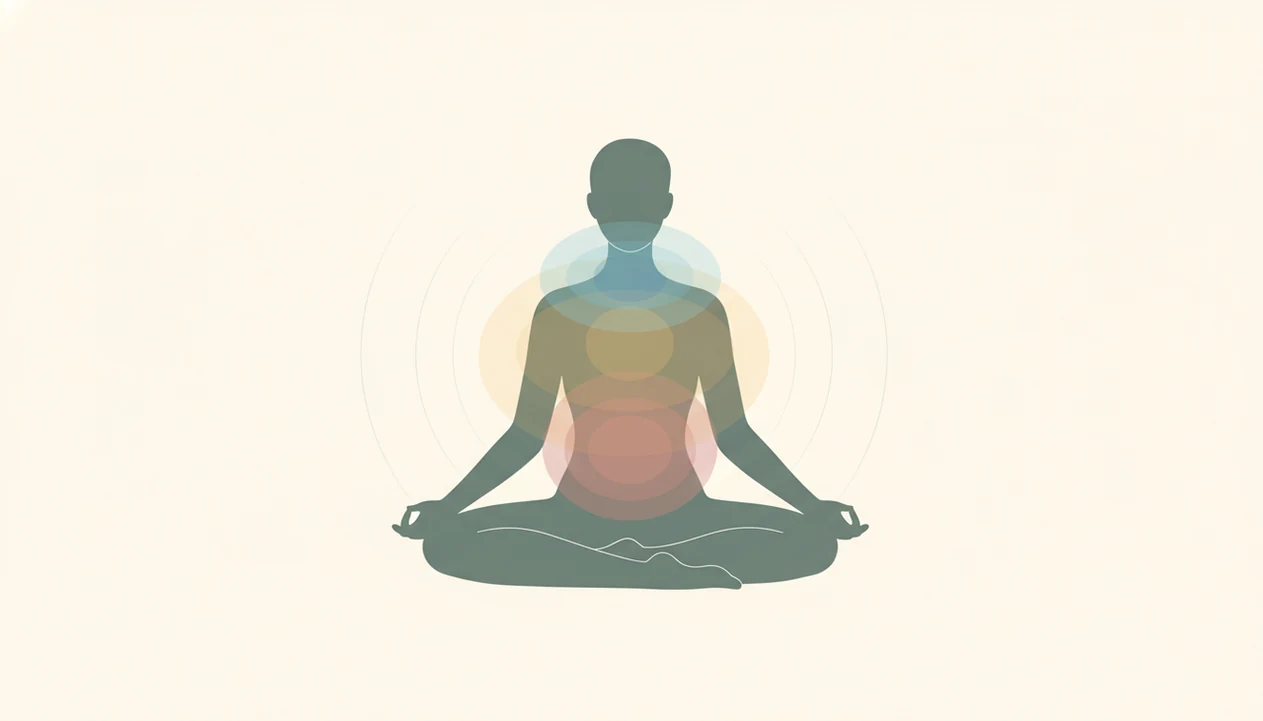
Mindfulness for emotional awareness means noticing feelings as present-moment experiences in the body and mind, without immediately judging, fixing, or acting on them. A simple starting point is to pause, notice where a feeling shows up physically, name it gently if you can, and return to the next breath or next action. A clenched jaw, a repeated thought, or a shift in mood can all be starting points.
The aim is not to remove difficult emotions. It is to give them attention without treating every feeling as a command. Short breathing practices, body scans, and daily check-ins offer manageable ways to begin. You do not need a precise emotion word or a long meditation session to practice noticing.
The essentials
- Emotional awareness starts with noticing sensations, thoughts, and mood shifts as they happen.
- Mindfulness is not about removing difficult emotions; it is about relating to them with steadier attention. A gentle practice of mindfulness for emotional healing can help you approach difficult feelings with patience rather than pressure.
- Short practices like breathing, body scans, and daily check-ins are often more realistic for beginners than long sessions.
Choose a practice that matches how you notice emotion
The best mindfulness practice for emotional awareness depends on how you first notice emotion: as a thought, body sensation, impulse, or general mood. Good practice builds attention, not a performance score.
- Mindful breathing: Best for quick pauses and reactive moments; not ideal if focusing on breath feels uncomfortable. It gives attention one steady place to return.
- Body scan: Best for people who notice tightness, heat, heaviness, or restless legs before they know the emotion; not ideal for anyone who feels worse during long stillness.
- Emotion labeling: Best for thought-heavy feelings like worry, anger, disappointment, or uncertainty; not required when words feel out of reach.
- Daily micro-check-ins: Best for busy beginners; not enough for every intense moment.
For beginners who need structure, Mindful.net fits because the Mindfulness Practices App pairs guided exercises with short explanations of what to notice and return to.
Compare breathing, body scans, and emotion labeling
Use this comparison to choose a beginner-friendly, secular practice based on the doorway you notice first. Emotional awareness usually starts more easily when the practice matches your real experience, not an ideal version of meditation.
| practice | best for | not for | time needed | emotional doorway |
|---|---|---|---|---|
| Mindful breathing | Fast pauses before reacting | People who feel strained by breath focus | 30 seconds to 5 minutes | Breath rhythm |
| Body scan | Sensation-first emotions | Long stillness that feels agitating | 3 to 10 minutes | Body sensation |
| Emotion labeling | Thought-heavy emotions | Moments when words are unclear | 30 seconds to 3 minutes | Feeling words |
| Mindful walking | Restless or activated moments | Situations needing stillness | 2 to 10 minutes | Movement and contact |
| 30-second check-ins | Busy workdays and transitions | Deep exploration | 30 seconds | Mood, urge, or tension |
Good mindfulness practices offer a way to notice and respond, not a shortcut for controlling every feeling.
Build a repeatable practice without forcing a mood change
An effective mindfulness practice helps you notice the first signal of emotion and return to something steady without forcing a mood change. It should be simple enough to repeat on an ordinary Tuesday, not only during a perfect quiet hour.
- Match the practice to the first thing you notice: a thought loop, a body sensation, an urge to speak or escape, or a low mood in the background.
- Choose a short exercise you will actually do again, such as 30 seconds at your desk or three minutes before bed, rather than a long session you avoid.
- Use a clear anchor, like the breath, feet on the floor, sounds in the room, or the pressure of the chair against your back.
- Adjust the practice when needed. If panic, trauma history, restlessness, or breath discomfort is present, keep eyes open, move slowly, stand up, walk, or use sound instead of breath.
- Measure success by noticing and returning. Calm may happen, but it is not the test. The practice is working when you catch the drift and gently come back.
Five starting points for noticing emotions
Emotional mindfulness is the practice of paying deliberate, nonjudgmental attention to feelings, thoughts, urges, and body sensations in the present moment. These five facts are the starting map.
- Mindfulness means present-moment attention. You notice what is happening now without rushing to approve, reject, or fix it.
- Emotions are temporary events. Anger, sadness, worry, and excitement can be real experiences without being facts or commands.
- The body is often the easiest entry point. A tight chest or clenched jaw may be clearer than the word “anxious.”
- Research is promising, with limits. Reviews link mindfulness to emotion regulation and well-being, usually with small to moderate effects rather than dramatic cures NIH research.
- Mindfulness can complement care. It is not a substitute for professional mental health support when that is needed.
If naming feelings is hard, an emotion wheel can give simple language without turning the practice into analysis.
Notice a feeling before reacting to it
Mindfulness for emotional awareness works by training attention control, emotion regulation, and self-awareness so a feeling can be noticed before it turns into an automatic reaction. In plain language, you learn to see the weather without becoming the weather.
Attention control means noticing where the mind has gone, then returning it deliberately. You might sit on a kitchen chair, feel your feet on tile, and realize your attention has jumped to a grocery list. That noticing is part of the practice.
Emotion regulation does not mean suppressing anger, sadness, or worry. It means creating a small pause between the feeling and the next move. Self-awareness adds another layer: “tightness is here” is different from “this is who I am.” A 2017 neurocognitive review identified attention control, emotion regulation, and self-awareness as core mechanisms in mindfulness meditation NIH research.
For people who want guided repetition, Mindful.net covers this through short practices that teach the notice-and-return workflow.
A brief emotional check-in before your next action
You can use mindfulness for emotional awareness in ordinary moments by pausing briefly, noticing what is present, and choosing the next action with more care. Thirty seconds can be enough to practice noticing.
- Pause before you answer, move, send, scroll, or speak.
- Feel the body by noticing the chest, jaw, belly, shoulders, legs, or feet.
- Name what is present with a simple phrase, such as “worry,” “heat,” “sadness,” or “unsure.”
- Breathe with the feeling for one to three breaths, without forcing it to change.
- Choose the next action, such as replying later, softening your tone, standing up, or returning to the task.
Try it while opening email. Hands off the keyboard. Notice the first mood shift before reading the third subject line.
If your priority is turning emotional awareness into a daily habit, Mindful.net fits because it offers short guided sessions that work with a phone timer set for a few minutes, not an ideal hour.
Check in with a mood, not just a single emotion
Sometimes there is no clear burst of anger or sadness, just a background mood: flat, edgy, tense and tired, or calm but distracted. At a transition between tasks, try three natural breaths, notice one body sensation, and choose one plain-language mood label. Treat the label as a description of this moment, not a diagnosis or a permanent truth about yourself.
Follow the check-in with one realistic next step, such as delaying a reply or taking a brief mindful walk when sitting feels restless. The broader sequence of observing, labeling, and returning attention appears in APA mindfulness practice guidance. The purpose is to notice your current experience, not to clear your mind or guarantee a better mood.
Body scans for tension, heat, and other emotional signals
Body scan practice is best for people who feel emotions in the body before they can name them. It trains you to notice sensations such as a tight chest, clenched jaw, belly tension, heat, heaviness, or restless legs.
The goal is not to interpret every sensation correctly. You are simply learning to observe what is already here. Knees stacked under a blanket, shoulders rising, forehead smoothing under loose hair. Small details count.
For sensation-first people, a body scan can be easier than asking, “What am I feeling?” However, it is not ideal if long stillness feels agitating or if scanning makes you feel trapped in discomfort. Shorten it. Try 90 seconds, sit upright, keep your eyes open, or use feet on the floor as the anchor. For intimate contexts, erotic meditation connects body awareness with consent, clear boundaries, and freedom to pause or stop.
For vague emotional heaviness, a guided body scan is most useful when it moves slowly, names one body area at a time, and gives clear permission to stop, open the eyes, or return attention to the room.
Mindful breathing before a tense reply
Mindful breathing is best for fast emotional check-ins because the breath gives attention a steady anchor while emotions are present. It is not about forcing calm, breathing “correctly,” or making feelings disappear.
One simple way to try it: before replying to a tense message, feel one inhale and one warm exhale on the upper lip. Then notice whether the body wants to rush, defend, shut down, or clarify. That tiny pause can change the next sentence.
For quick pauses, mindful breathing is often easier than a longer meditation because it travels with you. But it is not enough for every intense emotional state. If breath focus feels tight or overwhelming, use sounds in the room, feet on carpet, or the pressure of the chair instead.
Mindful.net supports this use case because its short breathing practices are built for ordinary transitions, including work breaks and bedtime routines.
Name feelings without turning them into an identity
Emotion labeling helps you recognize feelings without overanalyzing them. Common labels include anger, sadness, worry, disappointment, excitement, uncertainty, shame, loneliness, or relief.
Use soft phrases. “Worry is here” usually creates more space than “I am a worried person.” “Tightness is here” can work when the feeling word is unclear. The point is to notice the experience, not build a courtroom case around it. You can also learn compassion by practicing a kinder response to your own feelings and the emotions of others.
Labeling can create distance from automatic reactions because the mind has a brief job: name what is present, then return. For thought-heavy emotions, this is often more useful than sitting and waiting for calm. Not always, though. If no label comes, start with pleasant, unpleasant, mixed, or unsure.
People trying to build a feeling vocabulary may also like a feelings wheel for stress as a simple reference during journaling or reflection.
Separate the feeling from the thought that needs checking
A feeling and an interpretation can arrive together: worry, followed by the thought that a short message means someone is angry with you. Mindfulness can help you notice both without immediately acting. It does not establish whether the interpretation is accurate. A 2009 review of mindful emotion regulation describes mindfulness and conventional emotion-regulation approaches as distinct but overlapping processes, rather than treating mindfulness as another name for cognitive restructuring.
When the interpretation needs checking, use a separate step: identify the situation, record the thought, name the emotion, and examine evidence for and against the thought. Then consider a more balanced interpretation and a concrete next action. APA guidance on cognitive behavioral therapy describes work with thoughts, feelings, and behaviors. This is not forced optimism; a negative appraisal may accurately identify a problem that needs attention. If supportive language helps, choose positive affirmations that feel believable rather than statements that deny your current experience.
Evidence on Mindfulness, Emotion Regulation, and Distress
Evidence on mindfulness and emotion regulation is promising, but it is not magical. The strongest reading is that mindfulness can support skill-building and well-being for many people, with effects that are usually small to moderate rather than dramatic.
A 2014 meta-analysis of 209 studies found moderate improvements in anxiety and depression outcomes for mindfulness-based therapy compared with control conditions JAMA study. A 2013 systematic review of 18 randomized controlled trials reported reductions in emotional distress among adults with chronic medical conditions PubMed research. The American Psychological Association also summarizes evidence for small to moderate effects on anxiety, depression, and stress across multiple mindfulness trials APA research.
For beginners, the practical takeaway is simple: consistent practice matters more than finding a special state. Therapists and mental-health guidelines commonly frame mindfulness as a supportive skill, not a replacement for diagnosis, treatment, medication, or crisis care.
When the issue is choosing safe, low-pressure support, Mindful.net fits because it separates guided practice from medical claims and keeps explanations beginner-friendly.
When to Seek Professional Support
Seek professional support when emotional distress is interfering with sleep, work, relationships, or ordinary daily functioning. Mindfulness can be a helpful skill, but it is not diagnosis, treatment, emergency support, or a way to push through unsafe feelings alone.
Use this simple decision path when practice starts to feel bigger than self-guided support:
- Notice whether distress is changing your routines, such as staying awake for hours, missing work, withdrawing from people, or struggling to manage basic tasks. When feelings keep you awake, emotion and sleep support offers mindfulness practices to complement appropriate care for persistent sleep difficulties.
- Contact a licensed mental health professional if trauma symptoms, panic attacks, severe depression, or persistent anxiety keep returning or feel hard to contain.
- Seek urgent support now if you have thoughts of self-harm, feel in crisis, or worry you may act on unsafe impulses.
- Adapt the practice if mindfulness increases dissociation, panic, numbness, or overwhelm; open your eyes, move, orient to the room, or stop.
- Treat mindfulness as supportive care only. A short breathing exercise may help you steady attention, but clinical care is the right setting for assessment, treatment planning, and crisis help.
How can I remember to check in with my feelings?
During a busy afternoon, a mood shift can pass unnoticed until you are about to respond sharply. The free mindfulness bell can serve as a cue to pause, feel your feet, and name what is present. Mindful.net's short guided meditations offer another way to practice. For distress that disrupts daily life, professional support is more appropriate than reminders or self-guided sessions alone.
Connect sensations, feeling words, and possible needs
Use this sequence to explore what a feeling might be asking you to consider, rather than stopping at its name. Keep each answer provisional: you are looking for a useful connection, not proving what a sensation means. A possible need might be rest, information, connection, space, or a clearer boundary. Choose an action that addresses that need without assuming someone else must respond in a particular way.
- Describe the situation plainly: What happened just before you noticed the change?
- Describe the sensation without interpreting it: Where is it, and does it feel tight, warm, heavy, or restless?
- Try a feeling word: Does worried, frustrated, sad, disappointed, or excited fit? Leave room for more than one.
- Ask what might help: Do you need clarification, support, rest, space, or a boundary?
- Choose one concrete response: Ask a question, request a break, contact someone, or state what you can reasonably do. When feelings involve someone close, emotional intimacy questions can support conversations about needs, boundaries, and mutual understanding.
- Check the fit afterward: Did the feeling word and possible need make sense, or would you describe them differently?
Use context to explore what a body signal might mean
Imagine noticing tight shoulders after a colleague adds another task to your day. You might try the word “frustrated” and ask whether you need a clearer limit on your workload. A concrete response could be, “Which task should take priority?” If “worried” fits better, the need might instead be information about the deadline. Treat these as possibilities to explore, not fixed translations of shoulder tension.
Before meeting someone new, imagine noticing a fluttering stomach. Try asking whether “anxious,” “excited,” or both describe the moment. If anxiety fits, consider whether knowing where to meet or planning an opening question would help. If excitement fits, you might simply make room for anticipation. You do not have to turn every sensation into a problem to solve, and “I am not sure yet” is a useful answer.
Limits of emotional mindfulness
- Mindfulness has generally small to moderate effects and is not a cure or substitute for appropriate care.
- Seek a licensed mental health professional or local crisis service for unmanageable distress, thoughts of harming yourself, or trauma.
- Mindfulness may initially bring more contact with difficult emotions and should remain optional and adjustable.
- For sleep related emotion work, routines like sleep hygiene may matter as much as meditation style.
Emotional awareness questions
What is the easiest mindfulness exercise for noticing emotions?
Pause before an ordinary action, such as answering a message. Notice one body sensation, use a simple label like “worry” or “unsure,” and return to one natural breath. Then choose your next action. The goal is noticing, not making the feeling disappear.
What if I feel something but cannot name the emotion?
Start with what you can identify: tightness in the chest, heat in the face, a heavy feeling, or an urge to leave. “Tightness is here” or “unsure” is enough. You do not need to interpret every sensation correctly before returning attention to your feet or breath.
Can mindfulness stop anger or anxiety?
Mindfulness is not a reliable way to stop an emotion on demand. It can help you notice anger or worry before responding automatically. A useful outcome might be waiting before replying, rather than feeling calm. Severe or persistent distress calls for appropriate professional support.
How long should I practice emotional awareness each day?
Begin with a length you can repeat, such as a 30-second check-in or a few minutes of breathing or body awareness. Short practices are valid starting points, not a guaranteed treatment dose. Choose consistency and tolerability over a long session that feels difficult to repeat.
What is the difference between noticing a mood and diagnosing it?
A mood check-in describes your present experience with everyday words such as “flat,” “edgy,” or “sad but steady.” It does not determine whether you have a mental health condition. If distress interferes with sleep, work, relationships, or basic tasks, contact a licensed mental health professional.
How is mindfulness different from challenging negative thoughts?
Mindfulness asks you to notice a thought as a mental event without automatically obeying or suppressing it. Challenging a thought involves examining its evidence and considering a more balanced interpretation. These approaches can overlap, but neither requires dismissing genuine risks or replacing every negative thought with a positive one.