
Meditation Techniques for Beginners: Choose Your First Practice


Meditation techniques for beginners are repeatable attention practices, including breath awareness, body scan, loving-kindness, open monitoring, and walking meditation. They train steadiness and awareness by focusing on an anchor, observing present-moment experience, or intentionally cultivating kindness and calm. You do not need to stop thinking. The practice is noticing when attention wanders and returning without judging yourself.
Start with 5 to 10 minutes a day and choose one method that fits the situation: breath awareness for focus, body scan for tension, walking for restlessness, or loving-kindness for social stress. Keep the session comfortable enough to repeat. A useful starting point is one clear anchor, a short timer, and permission to change the practice if it feels distressing.
At a glance
- Beginners should start with short daily sessions, usually 5-10 minutes, instead of occasional long sessions.
- The best technique depends on the moment: breath awareness for focus, body scan for tension, walking meditation for restlessness, and loving-kindness for social stress.
- Meditation is not about stopping thoughts; it is about noticing thoughts and returning attention without judgment.
Compare five beginner techniques by posture and purpose
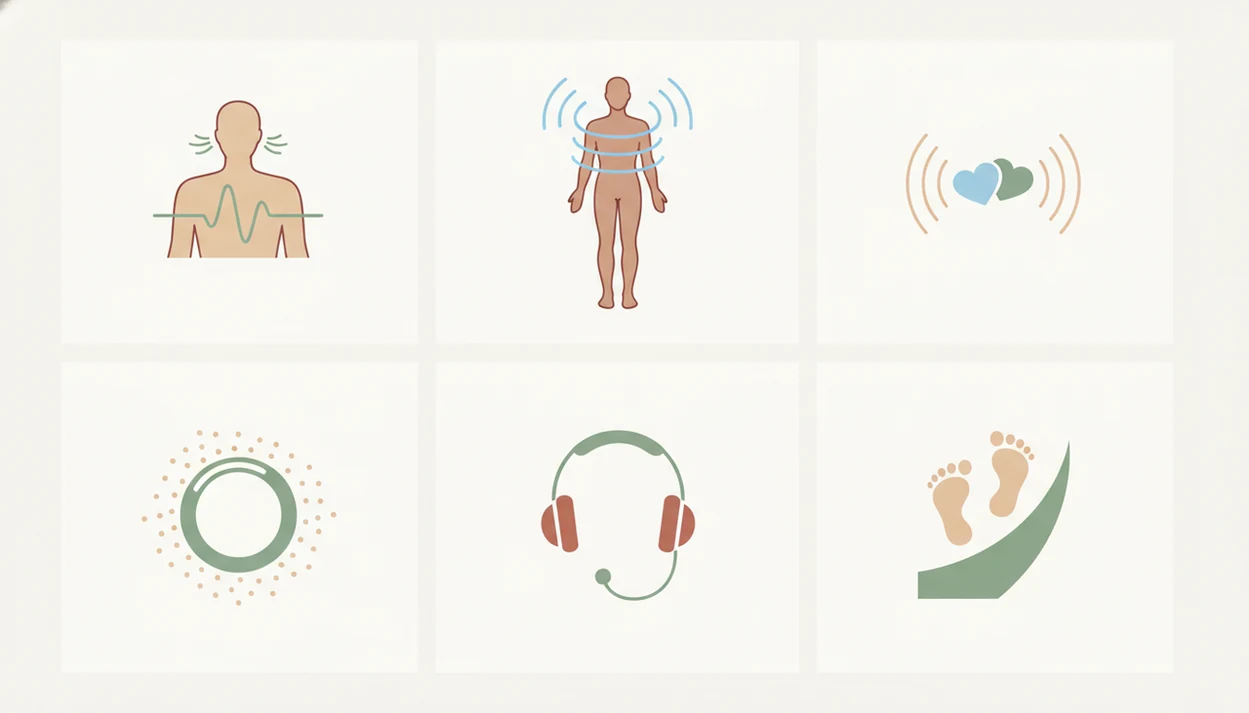
Beginner meditation techniques work best when matched to the moment, not forced into one “right” style. You don’t need special equipment, floor sitting, flexible hips, incense, or a spiritual belief to begin.
| Technique | Best use case | Posture | Session length | Difficulty | What to focus on |
|---|---|---|---|---|---|
| Breath awareness | Focus, stress, busy thoughts | Seated, standing, lying down | 5-10 min | Easy | Breath at nose, chest, or belly |
| Body scan | Tension, sleep, after work | Lying down or seated | 5-15 min | Easy | Body sensations, area by area |
| Loving-kindness | Self-criticism, resentment, loneliness | Seated or lying down | 5-12 min | Moderate | Phrases of goodwill |
| Open monitoring | Mindfulness, emotional reactivity | Seated, eyes open or closed | 3-10 min | Harder | Sounds, thoughts, feelings, sensations |
| Guided meditation | New beginners, structure | Any stable posture | 5-20 min | Easy | Teacher’s instructions |
| Walking meditation | Restlessness, commute transitions | Slow walking | 5-10 min | Easy | Feet, balance, movement |
You do not need a perfect setup. A hallway bench, a patch of quiet near a practice room, or standing with a dog leash in hand can be enough if you can stay reasonably alert.
Choose a supported posture and a short practice window
Before you start, make the practice small, safe, and easy to leave. Meditation is usually better learned during ordinary moments than during an acute crisis.
- Choose a low-pressure time when you are not trying to solve a panic attack, major conflict, or safety emergency with meditation alone. A quiet morning, lunch break, or five minutes after work is enough.
- Use a stable place that helps your body feel supported: a chair, bed, floor cushion, yoga mat, or familiar walking path. Comfort matters more than looking traditional.
- Set a short timer for 3-10 minutes so you do not keep checking the clock. If the timer feels harsh, choose a softer sound. For a brief first session, try three minute meditation scripts with simple instructions you can follow.
- Decide on eyes open or closed based on what feels steadier today. Eyes open can help if closing them makes you sleepy, spacey, or uneasy.
- Stop or shorten the session if panic, dissociation, numbness, or overwhelm increases. Opening your eyes, standing up, feeling your feet, or switching to walking meditation all count as wise adjustments.
Five starting rules for beginner meditation
Here is the quick version: most beginners do better when they choose one technique for one real situation, instead of collecting a long menu of options. These five facts keep the choice simple and practical.
- Major types of meditation include mindfulness, breath awareness, body scan, loving-kindness, open monitoring, and walking meditation.
- Short daily sessions are usually better for habit formation than rare long sessions, because repetition in a stable context is central to habit automaticity 664.
- Mindfulness meditation techniques involve noticing present-moment experience and returning attention without judgment.
- Research links structured meditation programs with small to moderate improvements in anxiety, depression, and pain, but these are not cures.
- Meditation can be practiced seated, lying down, standing, walking, eyes open, or eyes closed.
For beginners, breath awareness is often easier than open monitoring because the breath gives the mind one clear place to return.
How Meditation Techniques Work In The Mind And Body
Meditation is attention training, not a command to relax instantly. The loop is simple: pick an anchor, notice when the mind has wandered, bring attention back, and repeat.
That repetition is the point. In attention practice, the wandering mind is not the failure; the return is the useful rep. Your anchor might be breathing, body sensation, sound, slow movement, or a short phrase. One day it may be a shirt sleeve brushing your skin. Another day it may be the museum quiet of a study room, with a fluttering stomach settling a little as you come back to the next breath.
Researchers often study structured programs, such as mindfulness-based stress reduction, rather than casual one-off practice. A 2014 JAMA Internal Medicine review found small to moderate improvements in anxiety, depression, and pain across randomized trials JAMA study. The most useful reading is modest: meditation may support coping and awareness, but it should not be treated as a guaranteed treatment.
Everyday mindfulness and meditation techniques for beginners deliver repeatable attention practice, not instant calm or medical treatment.
What research supports, and what it does not promise
Research findings about meditation usually concern a defined program, not a few minutes of any technique. A 2014 systematic review of meditation programs found moderate evidence for improvements in anxiety and depression at eight weeks. It also found no evidence that these programs were superior to active treatments such as exercise, medication, or behavioral therapies. That does not mean the options are interchangeable for an individual.
The same review found low or insufficient evidence for several outcomes, including sleep, attention, weight, and substance use. A body scan may be a practical bedtime activity, but that is different from proving it treats insomnia. Choose a technique for a concrete purpose, such as practicing attention or noticing tension, rather than expecting one exercise to improve every part of health.
How To Use Meditation Techniques In Daily Life
Use meditation techniques by matching the method to the moment you are actually in. If you are stirred up before an exam, try a brief Parking Lot Pause: stop at the edge of the next task, feel one clear body sensation, name what is pulling at your attention, and take three easy breaths before continuing. A short guided meditation in Mindful.net’s Mindfulness Practices App can provide a starting instruction; after hearing it, bring attention to the practice rather than the screen.
- Set a realistic time, such as 5 minutes in the morning, during a work break, on a commute, before bed, or after an emotionally difficult moment.
- Choose one meditation technique based on the situation: breath for focus, body scan for tension, walking for restlessness, or loving-kindness after conflict.
- Sit, lie down, stand, or walk in a stable and alert posture, without trying to look like a meditation photo.
- Focus on the chosen anchor and gently return when distracted by planning, replaying, or the grocery list.
- End by noticing one thing you learned, not by judging whether the session was good.
One practical next step is to compare guided and unguided practice, especially if repeated instructions help you stay with the exercise. The guided vs silent meditation question is worth asking early.
Mindfulness Meditation Techniques For Present-Moment Awareness
Does mindfulness meditation mean relaxing or clearing the mind? No. Mindfulness meditation means paying attention to present-moment experience without judgment, then returning when attention drifts.
Breath Awareness Meditation
Start by sitting in a chair with both feet grounded. Notice one breath location, such as the nostrils, chest, or belly. When thoughts pull you away, label it softly as “thinking” and return to the next breath. If you want a fuller step-by-step version, use a dedicated breath awareness meditation guide.
The cursor may still blink on an unfinished email. That’s normal.
Open Monitoring Meditation
Open monitoring widens the field. Instead of staying with one anchor, you notice sounds, thoughts, feelings, and sensations as they come and go. It can help with busy thoughts, stress, emotional reactivity, and everyday grounding.
Beginners should not start with long, intense open-awareness sessions if they already feel overwhelmed. Try 2-3 minutes first, or learn the structure through open monitoring meditation before extending the time.
Focused attention and open monitoring: two different instructions
Focused attention gives you one object to return to, such as breathing, a sound, or a bodily sensation. Open monitoring asks you to notice thoughts, feelings, sensations, and sounds without making one object the sole focus. A 2022 meta-analysis of these approaches associated both with improved attentional capability, although results varied by task and study quality.
For a beginner, one anchor can make the instruction easier to follow: notice a breath, recognize distraction, and return. A randomized comparison within mindfulness-based cognitive therapy suggested greater benefit from focused-attention training than open-monitoring training. That finding does not establish a universally better technique. Start with an object-based practice, then try broader awareness if it feels manageable rather than confusing or overwhelming. If concentration practice interests you, learn about jhana meditation before considering more intensive forms of attention training.
Body Scan And Walking Meditation Techniques For Restlessness
Body-based meditation techniques are valid practices, not lesser versions of seated meditation. They are often easier when stillness feels irritating or thoughts feel loud. If gentle movement feels more comfortable, try mindful stretching while noticing sensations and staying within your limits.
Body Scan Meditation
Body scan meditation moves attention through the body, usually from feet to head or head to feet. You notice warmth, pressure, tingling, tightness, numbness, or nothing much at all. Use it for physical tension, bedtime wind-down, after work, or when the mind keeps rehearsing conversations.
Thumbs resting on chair arms can be an anchor too.
A focused body scan meditation practice is often more useful than trying to force breath awareness when the body is tense.
Walking Meditation
Walking meditation uses slow steps as the anchor. Feel the soles of the feet, shifting weight, balance, and the small pause before the next step. Use it after sitting at a desk, during a midday break, or before a difficult conversation.
Loving-Kindness Meditation Techniques For Social Stress
Loving-kindness meditation is the silent repetition of goodwill phrases toward yourself and others. It is beginner-friendly, secular, and useful when social stress has left the mind sharp-edged.
Common phrases include “May I be safe,” “May I be steady,” “May you be well,” and “May we find ease.” The usual sequence is self, an easy person, a neutral person, a difficult person only if appropriate, and then a wider group.
This practice does not require forced affection. It also does not mean approving harmful behavior, reopening contact, or pretending conflict did not matter. It gives the mind a different groove to practice.
Use loving-kindness after self-criticism, resentment, loneliness, conflict, or an awkward social exchange. For more phrase examples, a loving-kindness meditation guide can help without making the practice sentimental.
Thoughts, posture, and other meditation misconceptions
Misunderstanding meditation makes beginners quit early. These corrections are simple, but they change the practice.
- Myth: meditation means stopping all thoughts. The correction is that noticing and returning is the practice.
- Myth: you must sit cross-legged. Chairs, lying down, standing, and walking can all work if the posture is stable and alert.
- Myth: meditation is automatically religious. Beginner mindfulness can be taught as a fully secular practice.
- Myth: meditation works instantly in a crisis. It is a skill built through repetition, not a switch.
- Myth: one technique fits everyone. Rotating through a small library helps beginners compare what fits their temperament.
The pocket check is real; a reminder helps only if you actually pause.
Adjust your practice for sleepiness, tension, or distraction
Most meditation problems are not signs that you are doing it wrong. They are information about which posture, anchor, or session length fits today.
- Open your eyes or sit taller if the practice keeps turning into a nap. A little more light, a straighter spine, or both feet on the floor can bring back enough alertness without making the session tense.
- Switch anchors if breath focus feels tight, controlling, or irritating. Sounds in the room, contact with the chair, or slow walking may be steadier than tracking each inhale.
- Label judgment as thinking when the mind starts grading the session. “Bad at this,” “too distracted,” and “not calm enough” are just more thoughts to notice and release.
- Shorten the timer when restlessness spikes. Two honest minutes of returning attention often teach more than ten minutes of white-knuckling through agitation.
- Pause the practice if difficult memories, panic, numbness, or dissociation intensify. Open your eyes, orient to the room, stand up, and consider clinician-guided meditation before trying again.
The adjustment is part of the practice, not a failure of it.
When to shorten a session, stop, or seek help
Distress during meditation is not automatically a sign of progress. A 2020 systematic review of 83 studies estimated meditation-related adverse events in 8.3% of participants overall, with substantially different estimates across study types. Reported events included anxiety, depression, and cognitive disturbances, and they could occur without a previous mental-health diagnosis. The estimate is not a prediction of your personal risk.
If breath focus makes you tense or panicky, shorten the session, open your eyes, or shift attention to sounds or your feet while walking. Stop rather than push through escalating panic, feeling unreal or detached, marked agitation, or intrusive traumatic memories. Persistent symptoms, inability to sleep, or unusual perceptual experiences call for qualified clinical help. If you feel unsafe or have suicidal thoughts, seek urgent help rather than continuing meditation.
A seven-day plan to try breath, body, walking, and kindness
A first-week plan should test several meditation techniques without turning practice into homework. Use 5-10 minutes each day, then ask one question: “What did I notice?”
- Practice breath awareness on Day 1. Set a timer for 5 minutes and return to one breath location.
- Repeat breath awareness on Day 2. Notice whether the second session feels familiar, boring, easier, or harder.
- Try body scan on Day 3. Move attention through the body and soften effort where possible.
- Use walking meditation on Day 4. Walk slowly and feel each step from heel to toe.
- Practice loving-kindness on Day 5. Repeat simple phrases toward yourself and one easy person.
- Try short open monitoring on Day 6. Notice sounds, thoughts, feelings, and sensations for 3-5 minutes.
- Choose the most usable technique on Day 7. Repeat it and answer, “What did I notice?”
For many beginners, a small technique library works better than one rigid method because different days bring different obstacles.
Between tasks: a reminder to pause and notice
Between an email and your next task, a brief pause can give you a chance to notice your feet, nearby sounds, or one natural breath. The free mindfulness bell can serve as a reminder. For a longer session, the Mindful.net app includes a meditation timer and short guided meditations. Neither replaces clinician guidance when practice brings persistent distress.
Limits of Self-Guided Meditation
- Meditation offers educational support, but it is not a replacement for qualified mental health care.
- Evidence is strongest for stress, anxiety, mood, and pain coping, but weaker for major disease outcomes and weight loss.
- Seek professional help for severe anxiety, depression, trauma symptoms, psychosis, dissociation, panic symptoms, or safety concerns.
- Intensive retreats, long silent sessions, or poorly matched practices can increase distress, including challenges documented in this Article.
Beginner meditation questions
Which meditation technique should a beginner try first?
Breath awareness is a simple starting point because it gives you one clear anchor. Sit comfortably, notice breathing at the nose, chest, or belly, and return when distracted. If focusing on breathing feels uncomfortable, try sounds, contact with the chair, or the sensations of walking instead.
Is five minutes of meditation enough to start?
Five minutes is a reasonable beginner session if it feels manageable and repeatable. You do not need to force a longer target. NHS guidance offers an approximately 20-minute example, but that is not proof of an ideal duration. Increase time gradually only when the practice remains useful and comfortable.
What should I do when I keep thinking during meditation?
Notice that thinking has taken your attention, then return to your chosen anchor. You can silently label it “thinking” if that helps. Repeated distraction does not make the session a failure. The exercise is recognizing the shift and returning, not keeping the mind blank.
Can I meditate with my eyes open?
Yes. Closing your eyes is optional, and open eyes may suit you better if you become sleepy or feel distressed. Keep your posture supported and choose a clear anchor, such as sounds or contact with the floor. Walking meditation also offers an alternative to sitting with closed eyes.
What is the difference between a body scan and breath meditation?
Breath meditation returns attention to breathing at one location. A body scan moves attention through different body areas, noticing sensations such as pressure, warmth, tightness, or numbness. Neither requires a particular feeling. Choose breath awareness for a simple fixed anchor, or a body scan to attend to physical tension.
Can walking meditation replace seated meditation?
Walking meditation is a valid attention practice, not a lesser substitute. Walk slowly on a familiar, safe path, notice the sensations of each step, and return when distracted. It can be a better fit when sitting is uncomfortable or restlessness makes stillness difficult. Seated practice is not a requirement.
Why does focusing on my breath make me anxious?
Breath focus can feel tight, controlling, or distressing for some people. You do not need to keep using it. Open your eyes, shorten the session, or attend to nearby sounds or your feet while walking. Stop if distress escalates, and seek qualified help if anxiety persists or disrupts daily life.
Which meditation technique can help me wind down before bed?
A gentle body scan can give you a structured way to notice tension before bed. Lie down or sit comfortably and move attention through the body without trying to force relaxation. Treat it as a wind-down practice, not a proven treatment for insomnia; evidence for meditation improving sleep remains limited.