
Mindful Nature Appreciation: A Practical Guide
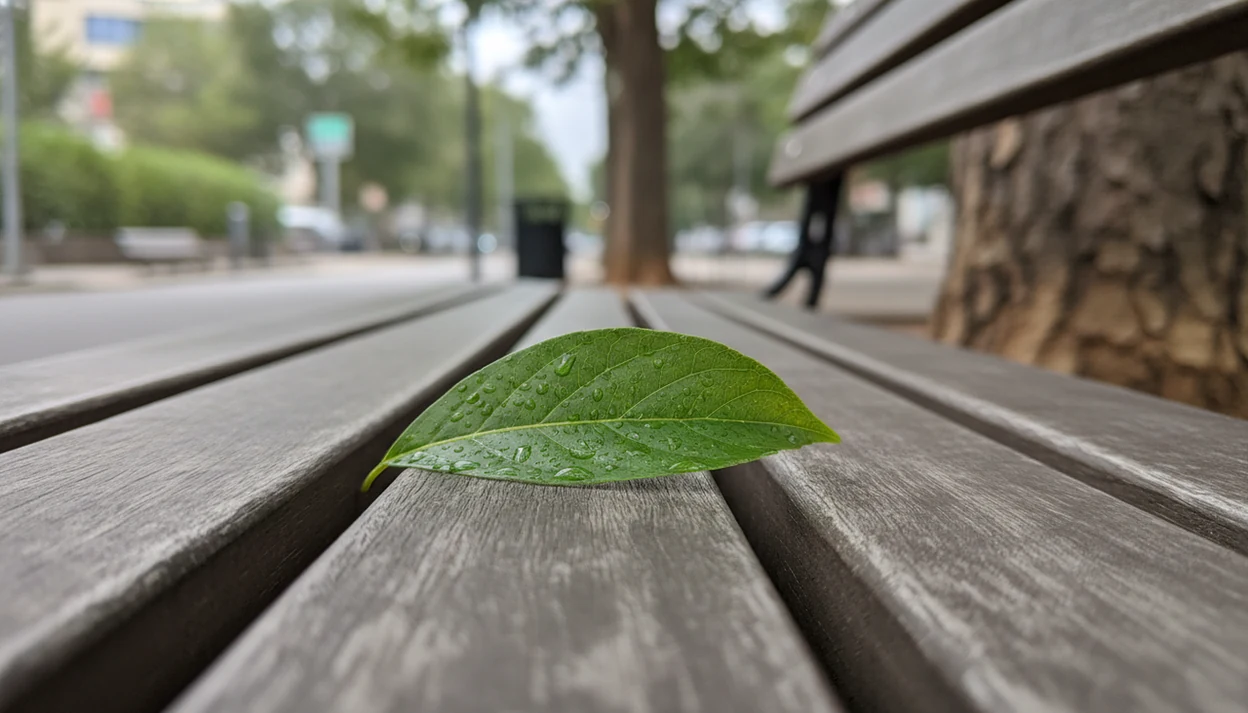
Mindful nature appreciation is the practice of slowing down outdoors and paying close, non-judgmental attention to natural details such as trees, sky, sounds, scents, textures, and weather. You do not need a forest or long hike; a park bench, street tree, balcony plant, or window view can be enough.
> Definition: Mindful nature appreciation combines present-moment awareness with intentional attention to natural elements in everyday surroundings.
TL;DR
- Use your senses to notice nature directly instead of walking or sitting on autopilot.
- Short nature practices may support mood, attention, and stress reduction, but they are not a treatment for mental health conditions.
- The practice works in wild places, city parks, gardens, balconies, and even with a single leaf or houseplant.
Mindful nature appreciation meaning and 60-second practice frame
Mindful nature appreciation is present-moment, non-judgmental awareness applied to natural details around you. The aim is noticing what is actually here, not forcing the mind to go blank.
Field note: a 60-second frame can stay very plain. Pause, sense the ground under you, find one living or weather-made detail, and quietly name it. It might be moss in a sidewalk crack, rain on a railing, a cloud edge, balcony basil, or a houseplant beside a stack of course notes. If attention veers toward assignments, dinner plans, or a customer support queue you still need to answer, that is not failure.
That’s the practice.
Return to the leaf edge, the cloud line, the sound of rain tapping during a walking practice, or the cool air on your face. Mindfulness practices and meditation techniques for beginners and daily life deliver trainable attention and steadier noticing, not instant calm or a guaranteed emotional reset.
Five mindful nature appreciation facts beginners should know
- Mindful nature appreciation combines two skills: basic mindfulness and intentional attention to plants, sky, water, weather, and natural sound.
- Short practice counts: a few regular minutes with a tree, window, or garden can be useful even without pristine wilderness.
- Sensory detail matters more than distance: one slow minute with bark texture may teach more attention than a rushed mile.
- Possible benefits are supportive: nature appreciation may support calm, mood, attention, and connectedness for many people.
- It is not a cure-all: use it as a supportive practice, not as a substitute for therapy, medication, crisis care, or professional guidance.
For beginners, mindful nature appreciation is often easier than silent seated meditation because the senses provide clear anchors. A bird call, a shifting shadow, or a single wet leaf gives the mind somewhere ordinary to return. One pattern we notice is that students often settle faster when the practice has something specific to observe, rather than a vague instruction to “clear the mind.” If you want a broader foundation first, our guide to meditation techniques explains several beginner-friendly attention practices.
Before you start: safety, access, and setup
Before you practice, make the setting safe enough that attention can soften. Mindful nature appreciation works best when you are not asking your nervous system to ignore real hazards, discomfort, or access needs.
- Choose a steady place: pick somewhere that feels physically and emotionally workable, such as a familiar park bench, quiet sidewalk, balcony, window, or room with a plant.
- Check the conditions: notice weather, heat, cold, terrain, traffic, lighting, allergies, air quality, and mobility needs before you begin.
- Select one small anchor: use a leaf, cloud, bird sound, tree bark, stone, houseplant, or patch of sky instead of trying to take in everything at once.
- Decide how to use your eyes: keep them open if that feels safer; eyes-closed practice is optional, not more advanced.
- Adapt access indoors: when outdoor time is limited, practice with shells, leaves, wood grain, nature sounds, a window view, or any natural object you can notice closely.
How mindful nature appreciation works in attention and mood
Mindful nature appreciation works by shifting attention from abstract thinking toward sensory experience. In plain terms, you give the mind a real-time anchor: color, sound, texture, temperature, movement.
Researchers often describe this through attention restoration and rumination. Attention restoration means the mind may recover from directed mental effort when it rests on gently engaging natural input. Rumination means repetitive, self-focused thinking. A 2015 randomized study found that a 90-minute nature walk reduced rumination and activity in a brain region linked with it, compared with an urban walk Pnas.1510459112.
Mindful labeling helps too. “Green.” “Wind.” “Warm stone.” These small labels can interrupt autopilot without turning the practice into analysis. Research has also linked nature exposure with mood, working memory, blood pressure, and connectedness, though walking, outdoor time, and mindful attention may all contribute. The cursor blinking on an email feels different after two minutes with the sky.
How to use mindful nature appreciation in 6 steps
Use mindful nature appreciation by choosing a small natural focus, slowing your body, and returning to sensory details when the mind wanders. Start smaller than you think you need.
- Set a time window: choose 2 to 20 minutes, or set a phone timer for 5 minutes.
- Choose one safe focus: use a tree, route, garden bed, balcony plant, window view, or patch of sky.
- Slow your body first: relax your shoulders, soften your jaw, and feel your feet on carpet, tile, soil, or pavement.
- Notice through the senses: look, listen, smell, touch where safe, and feel breath and body sensations.
- Return gently: when thought pulls you away, say “thinking” or “planning,” then come back to one detail.
- Close with appreciation: write or say one sentence, such as “I noticed the light changing on the leaves.”
For people who like a breath anchor before going outside, breath awareness meditation can pair well with this practice.
Mindful nature appreciation tips for parks, cities, and indoors
Mindful nature appreciation can be adapted to parks, dense cities, indoor spaces, and limited mobility. The common thread is direct sensory contact with something natural.
Park practice: walk slowly and pause at one feature, such as a tree trunk, pond edge, bird call, or patch of grass. Let the pause be longer than usual.
Urban practice: use street trees, clouds, weeds in pavement, birds on wires, rain, shadows, or the smell of wet concrete after weather changes.
Indoor practice: try houseplants, window views, nature sounds, shells, leaves, wood grain, stones, or natural fabric textures.
Limited mobility practice: use seated practice, wheelchair-accessible routes, balcony time, or a natural object held in the hand. Stay aware of traffic, weather, terrain, and personal boundaries.
2-minute single-leaf practice
Hold or look at one leaf for two minutes. Notice color variation, veins, edges, weight, scent, and any urge to label it as pretty or ordinary.
10-minute mindful nature walk
Walk at about half your usual pace for ten minutes. Stop twice, listen for three layers of sound, and let the next exhale soften your face and hands. If your heartbeat is racing, keep the practice gentle: notice one color, one movement, and one patch of light without trying to make your body change on command.
Common mindful nature appreciation mistakes
Common mistakes usually come from trying too hard, choosing the wrong setting, or measuring the practice by how calm you feel. The fix is to make the exercise smaller, safer, and more sensory.
- Start with gentle noticing: let calm be a possible side effect, not the assignment. Notice the leaf, cloud, sound, or air temperature without demanding that your body relax on command.
- Choose a workable place: avoid noisy, crowded, unsafe, or emotionally charged settings when you are new. A familiar window, balcony plant, or quiet bench may teach more than a dramatic trail.
- Stay with sensation: if you find yourself researching the plant, comparing species, or analyzing the weather, return to color, texture, shape, movement, or sound.
- Treat distraction as normal: wandering attention is not failure. Name it lightly, then come back to one detail, such as the edge of a stone or the rhythm of rain.
- Keep sessions short: begin with one to five minutes before stretching longer. Comfort builds through repetition, not through forcing a long practice too soon.
Mindful nature appreciation use cases and cautions
Mindful nature appreciation fits people who want a practical, secular attention practice, especially when stillness feels hard. It is not appropriate as a replacement for clinical or crisis support.
| Use case | Good fit? | Why it matters |
|---|---|---|
| Beginner mindfulness | ✅ Best for | Nature gives concrete anchors like sound, color, and movement. |
| Difficulty with seated meditation | ✅ Best for | Walking or standing can feel more natural than sitting still. |
| Workday, caregiving, commuting, or study breaks | ✅ Best for | A short reset can fit between tasks, even near a window. |
| Therapy, medication, crisis care, or trauma treatment | ❌ Not for | These require qualified support, not a nature exercise alone. |
| Unsafe outdoor settings or distressing quiet | ❌ Not ideal | Safety and emotional steadiness come before practice goals. |
For people who struggle to locate body signals outdoors, body scan meditation can build that skill indoors first. A cushion sliding on hardwood is optional; a kitchen chair works.
Mindful nature appreciation evidence: 5 research findings
Research suggests nature exposure can support mood, attention, stress physiology, and connectedness, but studies often examine walking, forest bathing, or nature viewing rather than mindful nature appreciation alone.
- A 90-minute nature walk study found reduced rumination compared with an urban walk.
- A 2017 meta-analysis of 32 controlled studies found moderate improvement in positive affect and a small reduction in negative affect after nature exposure S10339 017 0803 9.
- A 50-minute nature walk study with 36 participants found better working memory task performance and improved positive mood compared with an urban walk J.1467 9280.2008.02225.X.
- A review of forest bathing research reported short-term physiological effects, including blood pressure and stress-marker changes, while noting variation across study designs NIH research.
- A short nature-viewing study found that brief exposure to nature images could increase nature connectedness and pro-environmental intentions compared with control images S0272494416300980.
For stress-related support, the most defensible claim is modest: mindful nature appreciation may help some people shift attention and mood in the short term, while professional care remains important for significant symptoms.
Mindful nature appreciation support from Mindful.net
Mindful.net is a mindfulness app that teaches mindfulness practices and meditation techniques for beginners and everyday life. It can be useful if you want optional guidance before stepping outside, especially for attention, breathing, and short daily practice.
For this use case, Mindful.net works best as a Mindfulness Practices App for learning the basic cue: notice, name, and return. The outdoor practice still happens in direct contact with the tree, sky, plant, sound, or weather in front of you. Think of the guidance as a trail marker, not the destination.
You do not need an app to appreciate nature. A safe route, a few unhurried minutes, and one natural detail are enough. Still, tools like Mindful.net, Calm, Headspace, and mindful.org can help beginners learn the “notice and return” rhythm before practicing outdoors, much like an Elevator Pause teaches you to use a brief transition as a cue for attention.
One simple way to try it: use a short guided session, then leave the headphones behind and notice the first three natural sounds outside. The bell tone ending the practice can become your cue to stand up slowly.
Limitations
Mindful nature appreciation is low-cost and accessible for many people, but it has real limits.
- Most research shows short-term benefits; there is less long-term trial evidence for sustained mental health outcomes.
- It is not a stand-alone treatment for moderate-to-severe anxiety, depression, trauma, panic, psychosis, or crisis states.
- Safe and pleasant green-space access is unequal across neighborhoods, schedules, bodies, and budgets.
- Individual responses vary. Some people feel bored, sad, unsafe, restless, or uncomfortable in quiet outdoor settings.
If meditation instructions feel easier than outdoor improvising, the guided vs silent meditation comparison can help you choose a starting style.
Who Benefits Most — and Least
Before you start, it helps to separate mindful nature appreciation from a goal-oriented walk, photography outing, or workout. This practice tends to fit people who can pause for a short session, keep a steady breath, and use one clear anchor such as leaf color, wind sound, or the feeling of shade; it may be a poor fit when the setting feels unsafe, overstimulating, or physically uncomfortable. The useful question is not “Is nature calming?” but “Can this place support noticing without forcing an outcome?”
Three Situations Where This Helps
- Do not optimize for the most beautiful location; a reliable window view may work better than a dramatic park you rarely visit.
- Do not turn the session into a step count or performance goal; if movement is the main anchor, consider linking it with Mindful Walking instead.
- Do not chase a special mood; noticing one ordinary detail clearly is often a better marker than feeling peaceful.
- Do not compare it too closely with breathing exercises; breath practice narrows attention, while nature appreciation often lets attention widen gently.
- Do not stay in a setting that feels exposed, unsafe, or irritating just because it is “natural”; the practice needs enough ease to observe.
What Testing Suggests
One pattern we repeatedly notice is that beginners often try to make nature appreciation feel profound too quickly. We usually suggest starting with one clear anchor, such as cloud movement or bark texture, and letting the steady breath stay in the background rather than becoming another task. In our editorial review, short sessions seem easier to repeat when the person chooses a familiar place instead of waiting for an ideal landscape.
One Pattern We Notice
One pattern we repeatedly notice is that people expect nature practice to work because the scenery is pleasant, when the more dependable shift may come from reducing decisions. A named method like the Green-Blue-One Cue can help: notice one green thing, one blue or open-space cue, and one body sensation, then return without judging the result. This resembles the Anchor-Notice-Return loop described in mindfulness practice, but the anchor is environmental rather than only internal.
The Cost-and-Effort Tradeoff
For many beginners, the first minute is mostly settling, the next few minutes reveal how busy attention is, and the final minute is where the practice starts to feel less effortful. A five-minute session near a tree, balcony plant, or patch of sky may be more repeatable than a long weekend hike. The best return usually comes from making the practice easy enough to repeat, not impressive enough to describe.
At-a-Glance Options
| Technique | Best for | Minutes |
|---|---|---|
| Green-Blue-One Cue | Beginners who need a simple outdoor anchor without planning a route | 3-5 min |
| Window Weather Scan | Shift workers, parents, or anyone practicing indoors with limited access | 2-6 min |
| Slow Path Noticing | Walkers who want nature attention without turning it into exercise tracking | 7-15 min |
A repeatable nature practice beats a perfect nature setting.
Why Mindful.net fits this specific need
Mindful.net is useful here because the guidance stays practical: choose an anchor, notice what is present, and return without turning the session into a performance. Readers can pair this page with the Anchor-Notice-Return explanation in /what-is-mindfulness or use /mindful-walking when gentle movement feels like the better entry point.
FAQ
What is mindful nature appreciation?
Mindful nature appreciation is paying present-moment attention to natural details without judging them. For example, you might spend one minute noticing the veins, color, and texture of a leaf.
How do I practice mindful nature appreciation outside?
Choose a safe place, slow your pace, and notice one thing you can see, hear, smell, or feel. When your mind wanders, gently return to that natural detail.
Can I practice mindful nature appreciation indoors?
Yes, you can use a houseplant, window view, shell, stone, leaf, wood texture, or nature sounds. Indoor practice is useful when weather, mobility, or access makes outdoor practice difficult.
How long should mindful nature appreciation take?
Two to 20 minutes can be enough for a beginner practice. Longer walks are optional, not required.
Is mindful nature appreciation the same as meditation?
It overlaps with meditation because both train attention and returning. It differs because the main anchor is nature, often during walking, standing, or looking.
Do I need a forest for mindful nature appreciation?
No, you can practice with city trees, gardens, balcony plants, clouds, weeds, or a single leaf. The key is close attention, not wilderness.
What should I notice first during mindful nature appreciation?
Start with sight, sound, touch, breath, or one small natural detail. Pick whatever feels easiest to notice without straining.
Can mindful nature appreciation reduce stress?
It may reduce stress for some people by shifting attention toward sensory experience and away from rumination. It should not be used as a replacement for professional mental health care.
What if I get distracted while practicing mindful nature appreciation?
Distraction is normal and expected. Gentle returning is the practice, not a mistake.