
Quick Meditation Break: A Simple Practice for Busy Moments


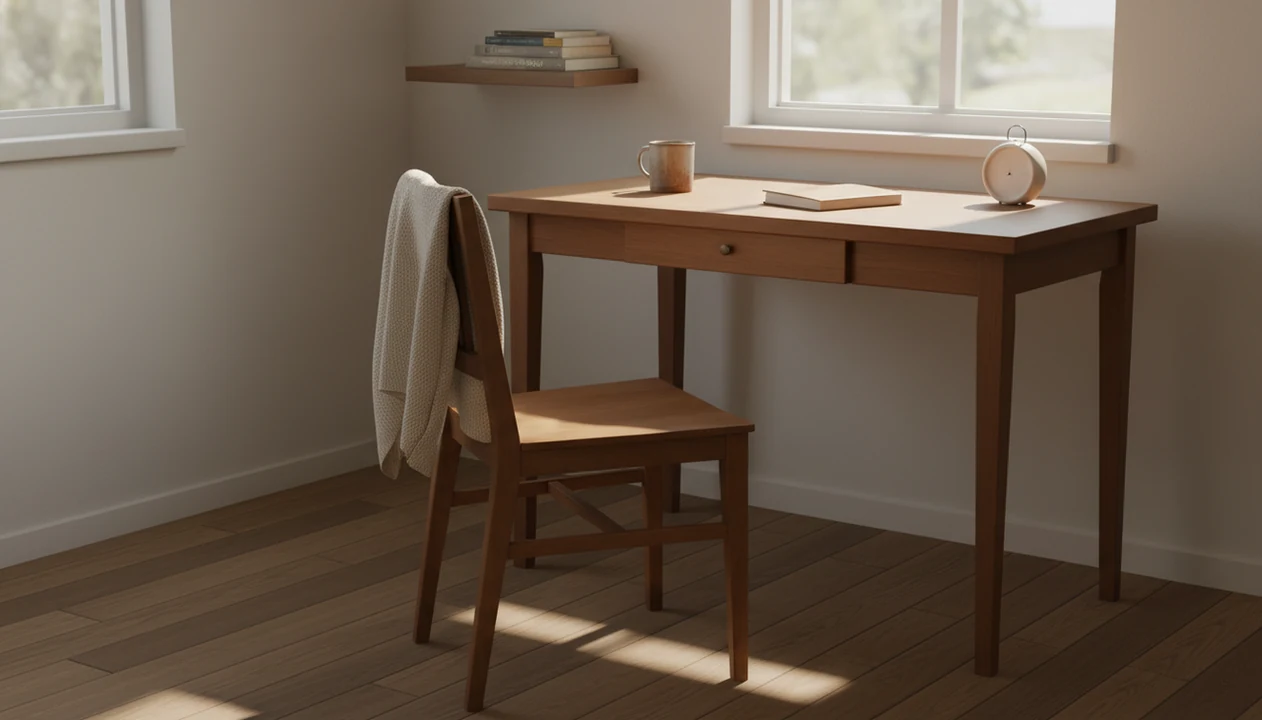
A quick meditation break is a 1 to 10 minute pause that brings your attention back to your breath, body sensations, or surroundings. It is a brief, secular mindfulness practice, not an attempt to empty your mind. Choose one anchor, such as nearby sounds or the feeling of your feet on the floor. When thoughts pull you away, notice that and return.
You can practice between meetings, before answering a tense message, or at home before starting the next task. No special equipment or silent room is needed. The aim is to interrupt automatic reacting and notice what is happening, not to guarantee calm. Short breaks may support attention and stress awareness, but they are not medical treatment. Before responding to someone who frustrates you, try loving kindness for difficult people to practice goodwill without excusing harmful behavior.
The essentials
- Use one anchor: breath, body sensations, sounds, or contact with the chair or floor.
- Mind-wandering is not failure; returning attention is the core practice.
- Short breaks can help with attention and stress awareness, but they are not medical treatment.
Use a short pause between everyday tasks
A quick meditation break is a 1- to 10-minute intentional pause that brings attention back to one present-moment anchor. It can happen at work, between meetings, in transit, or at home before the next task starts.
The practice is secular and practical. You are not trying to create perfect calm, blank out thoughts, or perform a ritual. You might sit on a kitchen chair, stand near a window, or pause in an office stairwell and feel your feet on the floor.
Short counts.
One simple way to try it is to choose breath, sound, or body contact for a few minutes. Tools like Mindful.net can help beginners understand the basics, but the break itself does not require an app. For busy beginners, a short anchor-based pause is often easier than a long meditation because it fits into real task transitions.
Choose one anchor and expect distraction
A quick meditation break works better when you keep it simple. These five facts prevent the most common beginner frustration.
- Choose one anchor. Use the breath, body sensations, nearby sounds, or the feeling of the chair under you. Trying to notice everything usually scatters attention.
- Expect thoughts. The mind may jump to a grocery list, an email, or tonight’s plans. That is normal.
- Skip the equipment. No cushion, candle, silent room, or app is required.
- Favor comfort over ritual. Sit, stand, or lean in a way that lets you stay awake and steady.
- Repeat more than you extend. Consistency usually matters more than session length, especially for beginners. For structured practice and feedback, mindfulness workshops can help you learn alongside others and build consistency.
Mindfulness practices and meditation techniques for beginners and daily life deliver attention practice and stress awareness, not instant calm or medical treatment.
Before You Start a Quick Meditation Break
Before you start a quick meditation break, set up the conditions so the pause is safe, simple, and easy to finish. You do not need a perfect room; you need a clear boundary and an anchor that fits this moment.
- Choose a setting where it is appropriate to close your eyes, lower your gaze, or look softly at one spot without losing awareness of what is around you.
- Avoid practicing while driving, operating tools or machinery, crossing streets, cooking over heat, or supervising anything where someone’s safety depends on your full attention.
- Decide whether breath, sound, or body contact feels most available today. If the breath feels tight or distracting, use room sounds or the feeling of your feet instead. If you prefer a steady sound anchor, try pink noise meditation during your next short pause.
- Set a low-stakes timer for a short span, such as 2, 3, or 5 minutes, so the session has a clear ending and you are not checking the clock.
- Use eyes-open practice if closing your eyes brings anxiety, dizziness, fogginess, or disorientation. Keep the gaze relaxed and return to a steady outside point.
Quick Meditation Break Attention Loop
A quick meditation break works through an anchor-distraction-return loop: choose an anchor, notice attention drift, and return without scolding yourself. The important skill is not holding perfect focus; it is recognizing the moment attention has wandered.
Here is the mechanism in plain language. The anchor gives attention a home base. Distraction shows you what the mind is doing. Returning trains cognitive control, which means the ability to redirect attention on purpose. The loop may repeat dozens of times in three minutes.
The ambient room hum between prompts can become the anchor.
Research on mindfulness programs is more developed than research on single short breaks. A 2014 JAMA Internal Medicine meta-analysis found mindfulness meditation programs showed moderate evidence for improving anxiety, depression, and pain versus nonspecific active controls (JAMA study). A randomized study of brief mindfulness training also reported mood and cognitive improvements after short training sessions, but those sessions were longer than a typical 2- to 5-minute break (PubMed research).
Five Steps for a Quick Meditation Break Anywhere
Use this no-app quick meditation break at a desk, in a hallway, as a car passenger, or at home. The full family of related meditation techniques can wait; start with one small reset now.
- Set a timer for 1 to 10 minutes, or choose three slow breaths if a timer feels awkward.
- Place your body in a steady posture, sitting or standing, with your jaw and shoulders allowed to soften.
- Choose one anchor, such as the breath, feet on tile, room sounds, or contact with the chair.
- Notice when the mind wanders, then return to the anchor without making a problem out of it.
- Re-enter slowly by opening your eyes, naming the next task, and taking one ordinary breath before moving.
A quick meditation break usually works best when it ends with a gentle re-entry, while abrupt task-switching can make the pause feel unfinished.
Attach the break to one reliable daily cue
Choose one event that already happens most days, such as finishing breakfast, opening your first message, or returning from lunch. Attach a three- to five-minute pause to that event. Decide on the anchor in advance so the instruction is concrete: after lunch, sit down and feel your feet on the floor until the timer ends.
Short sessions remove some of the time barrier, but repetition still needs a plan. In one study included in a review of brief practices for healthcare providers, 40 of 45 participants attended at least one five-minute session over four weeks, while only 19 attended eight sessions. Once your first pause becomes consistent, consider adding a second task transition rather than immediately lengthening it.
Quick Meditation Break Timing Guide for 2, 3, 5, and 10 Minutes
Shorter sessions still count. Choose the length that fits the moment, not the length that sounds most impressive.
| Duration | Best use case | Simple focus | What to expect |
|---|---|---|---|
| 2 minutes | Before sending a tense message or joining a call | Feel the breath or feet | A brief interrupt to automatic reacting |
| 3 minutes | Between meetings or after screen overload | Count exhales from one to five | Enough time to notice the body settle |
| 5 minutes | Lunch break, parked passenger seat, or home reset | Breath awareness or sounds | A practical daily baseline for many people |
| 10 minutes | End of workday or bedtime transition | Breath, body scan, or guided audio | More room to notice patterns and restlessness |
Brief-meditation studies suggest short repeated practice can matter, but they do not prove every 5-minute session will change your mood or stress level (PubMed research). If breath feels clear, try breath awareness meditation. If body tension is louder, body scan meditation may fit better.
What research says about five-minute meditation
A 2019 systematic review of brief mindfulness interventions included 85 studies, 84 of them randomized controlled trials. Benefits were reported after single sessions and practices as short as five minutes, including effects on stress and attention. But the review defined brief practice more broadly than this guide, allowing sessions of up to 30 minutes and programs lasting up to four weeks.
That evidence supports trying a short pause, not promising a particular result from every session. A 2025 review of practice duration and frequency found that the minimum effective amount for broader, lasting outcomes remains unclear. Comparisons have not consistently shown that longer or more frequent practice produces better results. Choose a manageable duration rather than treating the timer as a measure of success.
Quick Meditation Break Use Cases and Safety Boundaries
A quick meditation break is useful for brief resets, task transitions, overthinking spirals, and stress awareness. It is not designed for crisis support, replacing therapy, treating medical conditions, or forcing calm.
| Situation | Best for | Not ideal for |
|---|---|---|
| Between tasks | Marking a clean transition before the next activity | Avoiding a necessary conversation or decision |
| Overthinking | Shifting attention from thought loops to body or sound | Erasing thoughts completely |
| Work stress | Noticing tension before reacting | Treating burnout or panic symptoms |
| Restlessness | Practicing return after distraction | Judging yourself for not relaxing |
| Difficult emotions | Creating a small pause before action | Processing trauma without support |
Some sessions feel neutral. Some feel fidgety. That does not mean you did it wrong.
If distress is persistent, intense, or tied to safety concerns, professional support is the practical next step. Apps such as Mindful.net, Calm, and Headspace can support practice, but they should not replace qualified care.
Common Quick Meditation Break Mistakes
Most quick meditation break mistakes come from trying too hard. Beginners often make the practice heavier than it needs to be.
- Empty-Mind Chasing: Trying to stop thought usually creates more tension. The practice is noticing and returning, not mental silence.
- Anchor Hopping: Switching from breath to sound to posture every few seconds can keep the mind busy. Pick one anchor and stay with it.
- Relaxation Scoring: Judging the session by whether relaxation happens misses the point. Some useful sessions feel plain.
- Ideal-Condition Waiting: Waiting for a quiet room means many real-life chances disappear. During an elevator ride, leave messages unopened and briefly notice the contact of your feet with the floor.
- Early Drop-Off: Stopping after a distracted first week is common. If your hand keeps reaching for your phone before the timer ends, that is not failure; it is the exact habit the break is helping you notice.
If silent practice feels too open, the guided vs silent meditation comparison can help you choose a format without turning the decision into another project.
Choose Rest, Movement or Meditation for This Moment
Before choosing meditation, ask: “What do I need right now?” If you feel tired, consider resting without giving yourself another task. If you have been sitting and want to move, try a gentle stretch or a short walk. If you want space to notice your thoughts before deciding what to do, choose meditation. Hunger, thirst or an unfinished practical need may call for a different response. Treat these as options, not rules. You do not have to meditate to make the break worthwhile.
A Guided Self-Care Break That Ends With One Helpful Action
Use this brief reflection when you are unsure what kind of care to choose. Read each prompt slowly, leaving a little space to answer without forcing a response. The aim is not to solve everything during the break. It is to name one present need and choose a manageable response, even if that means putting meditation aside for now.
- Ask yourself: “What feels most demanding right now?” Name something specific, such as tiredness, physical discomfort or pressure to finish a task.
- Ask: “What am I expecting myself to push through?” Notice whether that expectation can wait.
- Consider: “Would rest, movement or quiet reflection fit this need?” Choose the option that seems most appropriate, rather than the one you think you should choose.
- Give yourself permission to take that option. Rest briefly, move comfortably or spend a quiet moment noticing what is on your mind without trying to resolve it.
- Before returning, choose one practical next step, such as getting water, adjusting your seat or asking for more time.
Short Meditation Break Limits
- A short meditation break does not treat anxiety, depression, insomnia, burnout, trauma, panic, or medical conditions.
- Seek professional medical care, psychotherapy, medication guidance, or crisis support when needed, rather than relying on meditation.
- Benefits vary, and some people notice little change or become more aware of stress before feeling calmer.
- A tool that can guide 10-minute meditation may offer more support and reduce guesswork.
Quick meditation break questions
How do I take a one-minute meditation break?
Pause in a safe place and choose one anchor, such as your feet on the floor or nearby sounds. Keep returning to that anchor whenever you notice distraction. Finish by looking around and choosing your next action. One minute is a brief attention practice, not a promise of relief.
Can five minutes of meditation help?
Research on brief mindfulness interventions has reported benefits from practices as short as five minutes, including effects on stress and attention. Results vary, and some studies involve repeated sessions rather than a single break. Five minutes is a reasonable starting point, but it is not an established minimum for lasting benefits.
How long should a meditation break at work last?
Choose one to ten minutes that fit the task transition and your responsibilities. A two-minute pause can fit before a call; five minutes may suit a lunch break. Start with a duration you can repeat. Evidence does not establish one ideal length or show that longer sessions are always better.
What should I do if my mind keeps wandering?
Notice where attention went, then return to the same anchor without scolding yourself. You may repeat this many times during a short break. The practice is recognizing distraction and redirecting attention, not maintaining perfect focus. Avoid switching anchors every few seconds just because thoughts keep appearing.
Can a quick meditation break stop overthinking?
It can give you a brief alternative to following a thought loop: feel your feet, listen to sounds, or notice breathing. It does not erase thoughts or resolve the problem behind them. After the pause, choose a concrete next action, including returning to a conversation or task that needs attention.
What if I do not feel calmer after a meditation break?
Calm is not required for the practice to count. You may simply notice tension or distraction more clearly. Avoid grading the session only by relaxation. If focusing on breathing feels uncomfortable, use sounds or body contact instead. A short break is not treatment for persistent anxiety, panic, or other medical conditions.
Do I need guided audio for a short meditation break?
No. A timer and one clear anchor are enough, and even a timer is optional. Guided audio can help if you want reminders to return attention or a defined beginning and ending. Choose guidance or silence based on what makes the pause easier to follow, not on an assumption that either is more effective.