
Pain During Meditation: What to Change and When to Stop


Pain during meditation is a reason to adjust your practice, not a test to endure. Stillness can make physical aches, emotional distress, or memories more noticeable than they were while you were busy. Mild, stable discomfort may be manageable with a change of position or a shorter session. Sharp, worsening, or emotionally overwhelming pain calls for a pause.
Start by making the practice more comfortable: use a chair or cushions, keep your eyes open, or try gentle movement instead of sitting still. Anxiety, trauma memories, panic, or suicidal thoughts need extra support and may not be safely addressed through solo meditation. The aim is to stay aware without ignoring signals that something is wrong.
Definition: Meditation feels painful when stillness increases awareness of physical aches, emotional distress, or memories that were easier to ignore while busy.
What matters most
- Mild discomfort during meditation is common; sharp, worsening, or overwhelming pain is a signal to pause and modify.
- Physical pain often improves with a chair, cushions, shorter sessions, or movement-based mindfulness.
- Emotional pain, trauma memories, panic, or suicidal thoughts call for extra support and may not be best handled through solo meditation.
Mild discomfort versus pain that means stop
“Is it normal if meditation feels painful?” Sometimes, yes, but only within limits. Manageable discomfort is usually dull, mild, stable, and workable with attention. You can notice it, breathe, adjust slightly, and still feel oriented in the room.
Warning-sign pain feels different. It may be sharp, escalating, numbing, panic-inducing, dissociative, or strong enough to affect walking, sleep, work, or basic functioning afterward. If pain moves from “annoying” to “unsafe,” change position or stop before pushing through.
A simple rule: discomfort can be observed and adjusted; danger signs deserve action. If you would describe the sensation as stabbing, electric, numbing, or out of control, the practice has already moved past useful mindfulness.
Pain does not mean you are bad at meditation. It often means your body needs support, your nervous system needs a slower pace, or the practice needs a different form.
Feet on carpet count as practice.
A safety-first meditation feels ordinary: you notice, adjust, and return. You do not have to win a silent battle with your knees. A secular mindfulness practice can begin with ordinary noticing and adjustment, without requiring spiritual beliefs.
Physical aches, emotions, and adverse meditation experiences
- Meditation can reveal pain already present in the body because attention becomes quieter and more focused.
- Back, knee, hip, and neck pain may come from posture, immobility, muscle tension, or pre-existing conditions.
- Emotional pain can surface as anxiety, grief, anger, shame, or old memories.
- Adverse meditation experiences are documented in research and should be taken seriously; one systematic review found that some studies reported meditation-related adverse events such as increased anxiety, pain, or distress in up to 25% of participants, though many were temporary NIH research.
- Modification is a valid meditation skill, not a failure.
One useful reframe: meditation is not “sit still no matter what.” The broader family of meditation techniques includes breath, sound, walking, compassion, and open-eye practices.
How stillness and posture can make pain more noticeable
Painful meditation happens when stillness reduces distraction, increases interoception, and makes body signals or emotional material feel louder. Interoception means sensing the body from the inside, such as pressure, heat, tightness, or the chest movement beneath a shirt.
Static posture can also load joints and tighten muscles. A floor sit may expose back, hip, or knee issues that were hidden while moving around. Low back pain is common in the general population; the World Health Organization estimates that 619 million people had low back pain in 2020 WHO report, so quiet sitting may be the first time some people notice it clearly.
Focused attention can amplify fear around pain, especially when someone is trying to force relaxation. The mind starts checking, resisting, and bracing. Tight loop. Learning how to stop thinking during meditation means letting thoughts pass, not forcing your mind into silence.
Emotional pain may arise because the mind has fewer distractions from avoided material. Meditation is widely used; the CDC reported that 14.2% of U.S. adults used meditation in the past year in 2017, up from 4.1% in 2012 CDC guidance.
A response plan when meditation starts to hurt
Use mindfulness as a response plan, not a toughness test. The practical next step is to notice what is happening and change the conditions early.
- Pause and name the pain without judging it: “tight back,” “sadness,” “buzzing anxiety,” or “sharp knee.”
- Check the signal: ask whether it is mild, sharp, worsening, emotional, or unsafe.
- Adjust your posture with a chair, cushion, wall support, or lying down.
- Shorten the session to one to five minutes if longer sits increase distress. You can practice mindfulness in small steps, beginning with brief moments of attention rather than demanding longer sessions.
- Shift the anchor to grounding, sound, open eyes, or gentle movement. Choose the best mindfulness practice for your day by considering your comfort, available time, and current emotional state.
- Stop and seek support if pain is intense, destabilizing, persistent, or linked with panic or self-harm thoughts.
A useful meditation practice supports steadier attention and safer choices; it does not require you to endure pain. When attention drifts, mind wandering during meditation is normal, and you can gently refocus without treating it as failure.
Adjust your seat, support, and session length
For physical pain, the first move is usually support. A chair with both feet grounded is valid meditation, especially for back, knee, or hip discomfort.
- Chair sitting: Sit on a kitchen chair or firm office chair with feet flat and spine supported.
- Props: Support knees, hips, back, and wrists with cushions, folded blankets, or a wall.
- Lying down: Lie down if sleepiness is acceptable and pain would otherwise dominate the session.
- Short sessions: Use a phone timer for one to five minutes before trying longer practice.
- Movement practice: Try walking meditation or mindful stretching when stillness aggravates pain.
For beginners with body pain, supported sitting is often easier than floor sitting because it reduces joint load and makes adjustment simpler. If breath practice feels less provocative than scanning painful areas, start with breath awareness meditation. Persistent, severe, nerve-like, or worsening pain deserves medical assessment.
Grounding when emotions or trauma memories surface
Emotional pain during meditation is real, but it is not automatically healing. Anxiety, grief, anger, shame, or old memories can surface when the room gets quiet and the mind has fewer tasks.
Start with present-room grounding. Name three colors you can see, feel the chair under you, or listen to the exhale heard in a quiet room. Open your eyes. Turn toward a window. Let the practice become more external.
Titration helps. Touch discomfort briefly, then return to safety before you feel flooded. That might mean ten seconds of noticing sadness, then thirty seconds feeling your feet on tile.
Open-eye practice, guided practice, short sessions, or movement may be safer than closed-eye silence. The guided vs silent meditation choice matters more when emotions spike.
Red flags include panic, dissociation, suicidal thoughts, flashbacks, or inability to function. Clinicians typically recommend professional support for severe trauma symptoms, crisis risk, or distress that worsens daily life.
In the U.S., if suicidal thoughts feel active or immediate, call or text 988 for the Suicide & Crisis Lifeline Reference; outside the U.S., use local emergency or crisis services.
If focusing on breathing makes you feel worse
Breathing does not have to be your meditation anchor. If attention to your breath increases panic, discomfort, or breathlessness, try listening to sounds or looking at a steady object with your eyes open. The NHS explanation of mindfulness includes attention to sounds, thoughts, breathing sensations, and parts of the body, rather than requiring breath focus.
Keep breathing ordinary and comfortable. Do not add breath holds, prolonged inhalations, or forced deep breaths when breathing is difficult. Stanford's pain-center mindfulness materials describe observing the breath where it is most noticeable. Stop if symptoms worsen; unexplained or worsening breathlessness needs clinical advice, not a more demanding meditation exercise.
Who can use these adjustments, and who needs support
This meditation feels painful guide is best used for mild, adjustable discomfort. It is not a tool for diagnosing pain or managing crisis-level distress.
| Fit | Who it helps | Safer next step |
|---|---|---|
| ✅ Best for mild physical discomfort | Beginners with posture uncertainty, restlessness, or tight hips and back | Use a chair, props, and shorter sessions |
| ✅ Best for manageable emotions | Everyday learners who want secular mindfulness modifications | Try grounding, sound, or open-eye practice |
| ✅ Best for comparing options | People deciding between breath, body, movement, or guided practice | Try one change at a time |
| ❌ Not for medical diagnosis | Severe, persistent, nerve-like, or worsening pain | Seek medical evaluation |
| ❌ Not for crisis care | Suicidal thoughts, psychosis symptoms, flashbacks, or dangerous distress | Contact qualified support or emergency help |
When to Seek Medical or Mental Health Support
Seek support when meditation pain is sharp, persistent, worsening, nerve-like, or emotionally unsafe. Stop the practice if pain escalates during the session or if your sleep, work, walking, relationships, or basic functioning gets worse afterward.
Separate the signals before deciding what to do:
- Treat physical red flags as medical issues if pain feels electric, numb, radiating, severe, linked with weakness, or keeps returning despite posture changes and shorter sessions.
- Call a medical professional for persistent or worsening pain, especially back, neck, hip, knee, or nerve-like symptoms that meditation seems to expose.
- Pause trauma-focused practice if you notice flashbacks, dissociation, panic, feeling unreal, losing time, or being unable to settle after stopping.
- Reach out to mental health support when meditation brings suicidal thoughts, urges to self-harm, psychosis-like experiences, or distress that affects daily life.
- Use urgent help immediately if you might harm yourself or someone else, cannot stay safe, or feel out of control. In the U.S., call or text 988 or use emergency services; in other countries, contact your local crisis line or emergency-care number.
Meditation can wait. Safety comes first.
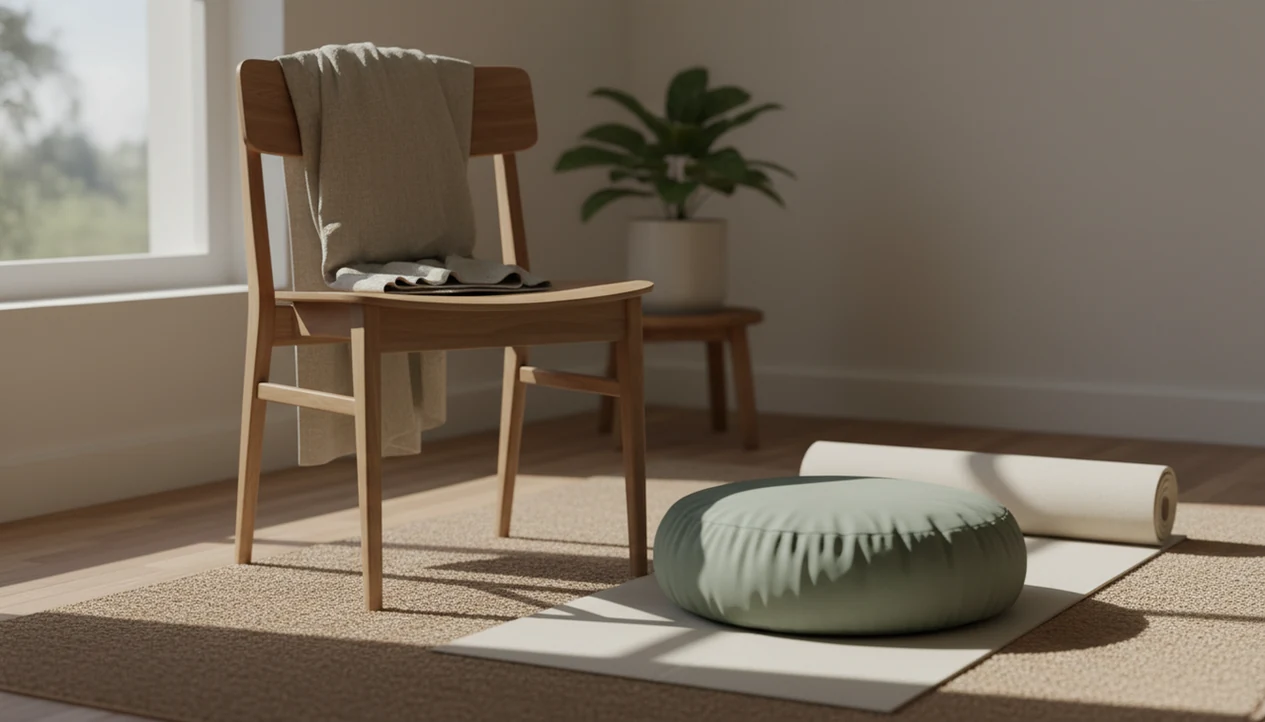
A supported chair posture as a reminder to adjust
For the page image, show the safer choice rather than an idealized pose: a person meditating on a chair with feet grounded and a cushion supporting the back. The picture should show adjustment, not endurance. A soft lamp in a quiet corner works better than a dramatic retreat pose.
Caption: Meditation should be adjustable: a chair, cushion, open eyes, or shorter session can make practice safer and more sustainable.
Alt text: Person using posture support in a chair because meditation feels painful during sitting practice.
Use the visual as a cue: if the body braces, modify. Knees can be supported, eyes can stay open, and the session can be short. For people comparing body-focused methods, the body scan vs breath meditation distinction can help avoid practices that intensify pain too quickly.
Meditation Limits for Pain
- Seek medical evaluation for persistent, severe, worsening physical pain, or pain that feels nerve related.
- Meditation cannot replace mental health care, trauma therapy, or crisis support.
- This guide is education, not diagnosis or treatment, and meditation can increase anxiety, pain, or distress.
- Long silent sits, intensive retreats, or body scans may be inappropriate for some trauma histories.
Questions about pain during meditation
Why does my body hurt more when I meditate?
Stillness can make existing aches more noticeable because there are fewer distractions. Sitting without moving can also put pressure on joints or tighten muscles, especially in the back, hips, knees, or neck. Change position rather than assuming the pain is part of meditation. Persistent or worsening pain needs medical evaluation.
Should I push through pain during meditation?
No. Mild, stable discomfort can be noticed while you adjust your position, but endurance is not the goal. Stop for sharp, escalating, numbing, or overwhelming pain. If symptoms continue after the session or interfere with walking, sleep, work, or basic functioning, seek appropriate medical or mental health support.
Can I meditate in a chair if sitting cross-legged hurts?
Yes. Crossed legs are not required. Use a chair with your feet flat on the ground and support your back if needed. Cushions or folded blankets can support other uncomfortable areas. Start with one to five minutes, and change position or stop if pain increases rather than trying to hold a particular pose.
Is it okay to meditate lying down when my back hurts?
Lying down is a recognized meditation posture, not a failed attempt at sitting meditation. Choose a supported position that does not worsen pain or breathing. You may fall asleep more easily, so a chair with your eyes open may suit you better when the aim is alert attention rather than rest.
Why do I cry or feel emotionally overwhelmed during meditation?
Quiet attention can bring grief, anxiety, shame, anger, or old memories into awareness. Crying does not automatically mean the practice is helping or harming you. If you feel overwhelmed, open your eyes, notice the room, and stop if needed. Trauma memories, panic, or ongoing distress are reasons to seek support rather than continue alone.
What can I focus on if watching my breath causes panic?
Try sounds, a visual object, or contact with the chair or bed instead of breathing sensations. Keep your eyes open if that feels safer, and let breathing remain ordinary rather than forcing it deeper. Shorten or stop the session if panic increases. Meditation is not a replacement for care for recurring panic.
Should I keep doing a body scan if it makes pain worse?
You do not need to keep attention fixed on a painful area. Widen attention to the whole body, switch to sound or touch, or change position. A shorter practice may be more manageable. Stop if pain or distress increases, and discuss recurring problems with a clinician or an appropriately trained meditation teacher.
When should I stop meditating and seek help?
Stop when pain becomes sharp, severe, worsening, electric, radiating, or linked with numbness or weakness. Seek support for persistent symptoms or distress that affects daily functioning. Panic, dissociation, or trauma memories may need mental health care. Suicidal thoughts call for urgent support, not an attempt to manage the crisis through solo meditation.