
Trauma Informed Meditation: Short Practices, Choice, and Safety


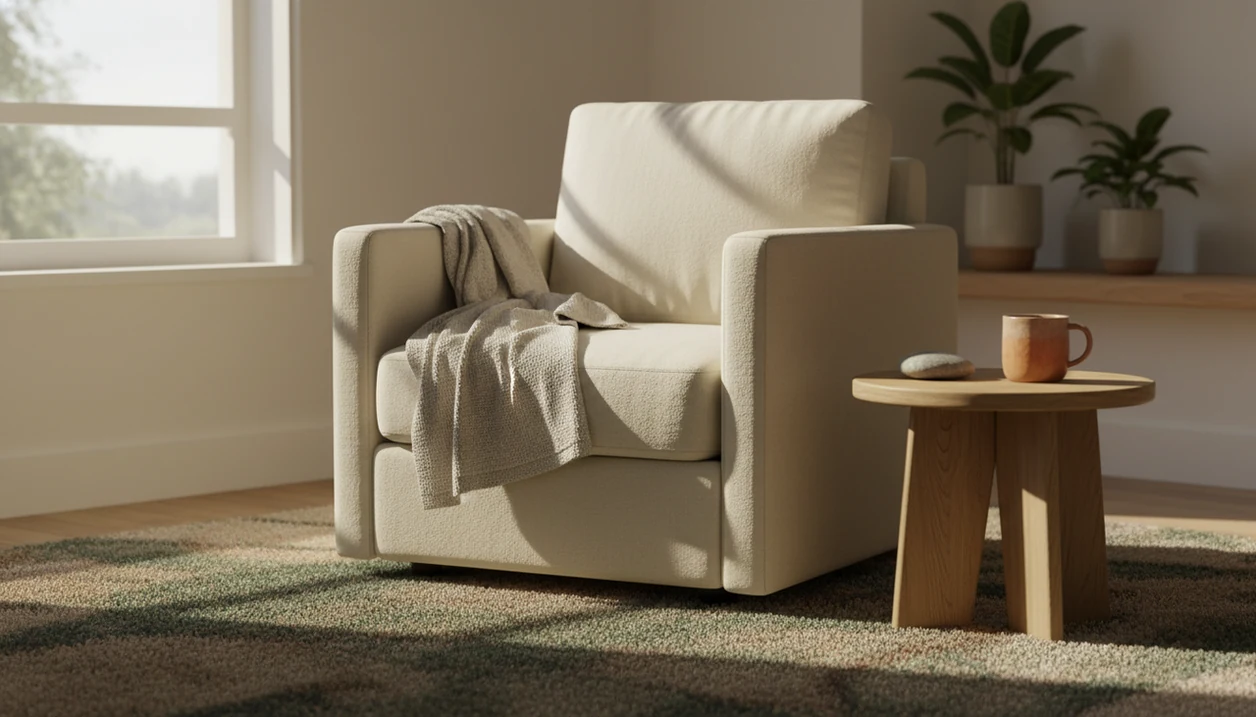
Trauma informed meditation is an adjustable mindfulness practice that puts emotional safety, choice, and grounding before stillness or intensity. It adapts attention exercises so people with trauma histories can build present-moment awareness without pushing beyond a workable level of emotional activation. Breath focus, closed eyes, and long silent sessions are not requirements.
Begin with 1 to 3 minutes and choose an anchor such as sound, a visible object, or your feet on the floor. Keep your eyes open if that helps, and give yourself permission to move or stop. Meditation can support coping, but it is not exposure therapy, trauma processing, or a replacement for PTSD care. Panic, flashbacks, numbness, or feeling disconnected are reasons to pause and seek support.
The essentials
- Start with 1 to 3 minutes, eyes open if helpful, and choose an anchor such as sound, sight, touch, or feet on the floor.
- Avoid treating meditation as exposure therapy, trauma processing, or a replacement for PTSD care.
- Stop, orient to the room, move, or seek support if meditation brings panic, flashbacks, numbness, or dissociation.
Choice and grounding come before stillness
Trauma informed meditation is mindfulness practice built around choice, grounding, and emotional safety rather than rigid technique. It asks, “What helps this person stay present enough?” before it asks them to sit still, close their eyes, or watch the breath.
That does not mean avoiding every uncomfortable feeling. Some mild restlessness, sadness, or distraction can appear in any attention practice. The difference is that the practice stays adjustable. You can open your eyes, shift posture, use sound, or stop.
Many people have lived through trauma, but not everyone with trauma has PTSD. In the United States, about 70% of adults have experienced at least one traumatic event, according to the National Council for Mental Wellbeing Trauma Informed Care. A trauma-sensitive approach respects that background without making assumptions.
The point is not performance. The warmth of a ceramic mug can count.
Five safety points before you begin
- Standard meditation cues can activate trauma responses. Closed eyes, breath focus, long silence, and body scanning may bring panic, flashbacks, shutdown, or numbness for some people.
- Agency is central. Opting out, changing anchors, moving, or ending the session is part of the method, not a failure. Facilitators can use this teaching meditation guide to support participant choice and make stopping or changing anchors easier.
- Anchors can be external. Sound, sight, touch, movement, and a steady object on the desk can work better than deep inward focus.
- Meditation can support coping, but it is not PTSD treatment by itself. Clinicians typically recommend evidence-based trauma care when symptoms are intense, persistent, or impairing.
- The evidence is promising but mixed. Mindfulness-based interventions show moderate PTSD symptom improvements in some studies, yet research quality varies and trauma-informed protocols are still developing.
Flexible attention training is the aim of these mindfulness practices, not guaranteed calm, trauma resolution, or medical treatment.
Use anchors to stay connected to the present
Trauma informed meditation works by using attention anchors as present-moment orientation tools. An anchor gives the mind something simple to return to, such as the touch of a shirt sleeve on skin, the color of a recipe card, or the sound of kids playing in the next room.
A useful phrase here is “window of tolerance.” In plain language, it means the zone where you can feel something without becoming flooded, frozen, or disconnected. Trauma can narrow that window. Meditation may help some people notice early shifts, but it should not push them past what feels workable.
Choice matters because trauma often involves threat, helplessness, or loss of control. Choosing posture, anchor, duration, and whether to stop can reduce that old threat pattern. The CHOICE framework offers another way to keep agency and emotional safety central in trauma informed practice.
This is regulation practice, not trauma processing. Calm may happen, but it is not required. Sometimes the win is simply noticing, “I’m getting activated,” and turning toward the room.
Set up a short practice with a clear stopping plan
How do you set up trauma informed meditation safely? Start by choosing conditions that make stopping easy, then decide what you will do if the practice becomes too much.
- Choose a manageable place. Use a kitchen chair, bus seat, or room with the door partly open if full privacy feels uneasy.
- Set a short limit. Try 1 to 3 minutes before attempting longer meditation techniques.
- Name warning signs. Watch for dizziness, panic, numbness, tunnel vision, flashbacks, or feeling far away.
- Pick a grounding plan. You might look for five blue objects, press feet into the floor, or describe the room aloud.
- Keep movement available. Stand, stretch, walk, or hold a textured object if sitting still feels trapping.
- Use support when symptoms are severe. Recent trauma, intense dissociation, or crisis-level distress calls for professional help, not solo practice.
A closed door with hallway noise is still a real practice space.
A 1 to 3 minute practice with room to adjust
Use trauma informed meditation in small steps, with permission to change the plan at any point. For many beginners, one careful minute is more useful than ten forced minutes. If longer practice eventually feels manageable, adapt a mindfulness retreat at home around short sessions and frequent breaks.
If you are doing this after a hard day, keep something ordinary nearby: a mug, a sweater sleeve, a pen cap, or the edge of the table. A plain object can give your attention somewhere to land without forcing you inward.
- Set a short timer. Choose 1 to 3 minutes, or use a tool that can guide 10-minute meditation only when longer practice feels safe. For brief practice, short guided meditation scripts can provide structure while leaving room to change anchors or stop.
- Choose an anchor. Pick sound, sight, feet, touch, or breath if breath feels okay.
- Orient to the room. Keep eyes open or softly lowered, and notice the doorway, wall color, and nearest object.
- Return gently. When thoughts move to a grocery list, label “thinking” and come back.
- Notice body signals. You do not have to soften, relax, or change anything.
- Stop if activation rises. Move, look around, drink water, or use your grounding plan.
- Close with ordinary action. Fold a blanket, open a window, or send the simple text you were avoiding.
Notice, choose, and return. Then step back into the day.
Choose an anchor: sound, sight, touch, feet, or breath
The best trauma informed meditation anchor is the one that helps you stay present without overwhelming your system that day. Breath is optional, not mandatory.
| Anchor | Often helpful when | Use caution when |
|---|---|---|
| Breath | Breathing feels neutral or steady | Breath focus increases panic or tightness |
| Feet | You need external grounding | Standing feels unsafe or dizzy |
| Sound | Room sounds feel orienting | Sudden noise startles you strongly |
| Visual focus | Eyes closed feels unsafe | Visual scanning becomes hypervigilant |
| Touch object | Texture feels steadying | The object has stressful associations |
| Walking | Stillness feels trapping | Movement increases agitation |
| Body scan | Body awareness feels tolerable | Internal sensations feel overwhelming |
External anchors often work better when inward focus feels too intense. Body scans and long silence can be risky for some people, so compare options before choosing body scan meditation or silent practice.
The safest anchor can change by day. That’s normal.
If a body scan feels too intense
A body scan does not have to cover every part of the body. Start by looking around the room, then choose a neutral contact point, such as your hands or the chair beneath you. The body-scan safety guidance recommends keeping eyes open if helpful, skipping difficult regions, and stopping when panic, dissociation, or intrusive trauma material intensifies.
Check your willingness to continue during the exercise, not just at the start. Agreeing to try a body scan does not mean agreeing to stay with every sensation. You can return to room sounds, open your eyes, move, or end the practice. If you choose breath awareness, notice breathing as it is rather than forcing deeper or slower breaths.
Grounding during walks, chores, and work breaks
Trauma informed meditation can happen during ordinary routines, not only on a cushion. Everyday mindfulness often feels safer because attention has a simple task and a clear way out.
- Mindful walking: Notice street signs, tree shapes, or the rhythm of your shoes. Keep attention partly outward.
- Warm-water routines: During handwashing or dishwashing, feel temperature, texture, and movement. Dish soap bubbles under warm water can be enough.
- Tea or shower practice: Use steam, sound, and contact with the cup or towel as anchors.
- Workday pause: Take three breaths before opening a laptop, or feel both feet before answering a hard message.
- Before-stress practice: Try grounding before a meeting, therapy session, or family call, not only during a crisis.
Who can start gently and who needs guidance
Trauma informed meditation fits people who want flexible, secular mindfulness with clear opt-outs. It needs extra care when symptoms are intense, unstable, or linked to recent trauma.
| Group or situation | Fit | Practical guidance |
|---|---|---|
| Beginners who want flexible mindfulness | Best for | Start with short, eyes-open practice |
| People overwhelmed by breath meditation | Best for | Use sound, sight, feet, or touch instead |
| People comparing guided and silent practice | Often useful | Consider the guided vs silent meditation debate before long silence |
| Severe dissociation or frequent flashbacks | Use caution | Practice with clinician guidance |
| Psychosis, mania, or active instability | Use caution | Ask a qualified professional first |
| Recent trauma or crisis-level distress | Not ideal for solo use | Prioritize safety, support, and care |
| Replacing therapy or medication | Not appropriate | Meditation is supportive, not a substitute |
For people who feel overwhelmed by standard breath practice, external-anchor meditation is often easier than breath focus because it keeps attention connected to the surrounding room.
What PTSD research supports, and what it does not
Research on mindfulness for PTSD is encouraging in places, but it does not support big cure claims. A randomized trial in veterans with chronic PTSD found that mindfulness-based stress reduction reduced symptom severity compared with present-centered group therapy JAMA study.
A 2018 systematic review found moderate improvements in PTSD symptoms from mindfulness-based interventions, while noting mixed evidence quality and the need for stronger trials NIH research. The U.S. Department of Veterans Affairs notes that mindfulness may help people cope with trauma reactions, while evidence-based PTSD treatments remain the recommended clinical path Mindfulness.Asp.
Trauma-informed meditation is a narrower practice style, and its evidence base is still developing. Mindfulness-based stress reduction has more research than many app-based or informal trauma-sensitive practices.
For PTSD symptoms, the most medically supported path is trauma-focused care, with mindfulness used as a coping skill when it is safe and appropriate.
Meditation safety research has reporting gaps
A 2020 systematic review of meditation-related adverse events estimated an overall rate of 8.3%, with substantially different estimates in experimental and observational studies. Anxiety, depression, and cognitive anomalies were the most frequently reported categories. These findings concern meditation broadly, not specifically short, choice-based trauma informed practices, so they cannot predict your individual risk.
Missing reports of harm are not proof that a practice is safe. In a 2016 review of mindfulness meditation for chronic pain, only 7 of 38 trials stated whether they monitored adverse events. That reporting gap helps explain why clear stopping instructions, adjustable practices, and access to professional support matter alongside possible benefits.
When to seek professional help for trauma symptoms
Seek professional help when trauma symptoms feel intense, unstable, recent, or unsafe to manage alone. Meditation can support coping, but it is not trauma processing or a replacement for clinical care.
Red flags include flashbacks, dissociation, panic, thoughts of self-harm, or distress that feels like a crisis. If symptoms started after a recent traumatic event, or if they are changing quickly, solo practice is not the safest container. A licensed trauma-informed clinician can help you pace grounding skills, choose safer anchors, and decide when deeper trauma work is appropriate.
- Pause the practice. Open your eyes, move, orient to the room, and do something ordinary before trying again.
- Contact support. Reach out to a licensed therapist, doctor, trauma-informed clinician, or trusted support person.
- Use urgent help. If you may harm yourself, cannot stay safe, or feel in immediate danger, contact emergency services or a local crisis line.
- Bring the reaction to therapy. Tell your therapist what happened during meditation so the practice can be adjusted, shortened, or paused.
Getting help is not a failure of mindfulness. It is often the most trauma-informed choice.
Trauma Informed Meditation Limits
- Meditation can support awareness and coping, but cannot replace trauma focused therapy, medication decisions, crisis support, or medical care.
- It may increase anxiety, flashbacks, body discomfort, emotional flooding, numbness, or dissociation in some people.
- Seek professional guidance before solo practice with severe dissociation, psychosis, recent trauma, mania, or crisis level symptoms.
- Research quality is mixed, and online claims often overstate meditation’s benefits for PTSD or complex trauma.
Trauma informed meditation questions
How is trauma informed meditation different from regular meditation?
Trauma informed meditation makes choice and grounding explicit. You can keep your eyes open, use an external anchor, move, skip an exercise, or stop. Rather than requiring breath focus or stillness, it adjusts the practice to help you remain present without becoming overwhelmed. It does not ask you to process traumatic memories.
Can meditation trigger flashbacks or panic?
Yes. Closed eyes, breath focus, body scanning, and long silence can bring panic, flashbacks, numbness, or disconnection for some people. If this happens, stop rather than trying to push through. Look around the room, use an external anchor, or move. Repeated or intense reactions are a reason to seek professional guidance.
Should I keep my eyes open when meditating with trauma symptoms?
You can keep your eyes open throughout the practice. A steady, ordinary object can give your attention somewhere to rest without requiring inward focus. If looking around becomes tense or watchful, try another anchor, such as contact with a chair or a steady room sound. Closed eyes are not a goal you need to reach.
How long should a beginner with trauma symptoms meditate?
Start with 1 to 3 minutes, with permission to finish sooner. The useful measure is whether you can stay oriented and adjust the practice, not how long you sit. Longer sessions are not automatically better. If even a brief practice brings intense symptoms, pause solo meditation and ask a qualified clinician for guidance.
What should I do if I dissociate while meditating?
Stop the exercise and shift attention outward. Open your eyes, describe the room, notice visible objects, or feel your feet on the floor if that is helpful. Do not continue inward focus while feeling disconnected. Severe or recurring dissociation needs assessment from a qualified mental-health clinician; urgent safety concerns need emergency or crisis support.
Can trauma informed meditation replace PTSD therapy?
No. Meditation may support coping and present-moment awareness, but it is not trauma processing or a substitute for trauma-focused treatment. PTSD symptoms that are intense, persistent, or disruptive need clinical care. A qualified clinician can help decide whether meditation belongs in your care plan and how to adapt it.
Is a body scan a good choice if I have trauma symptoms?
It depends on how attention to body sensations affects you. A body scan can amplify pain, panic, or trauma-related sensations for some people. Try a neutral area, such as the hands or contact with a chair, and skip any region you do not want to attend to. External anchors are a valid alternative.