
Everyday Mindfulness Skills for Chores, Conversations, and Stress


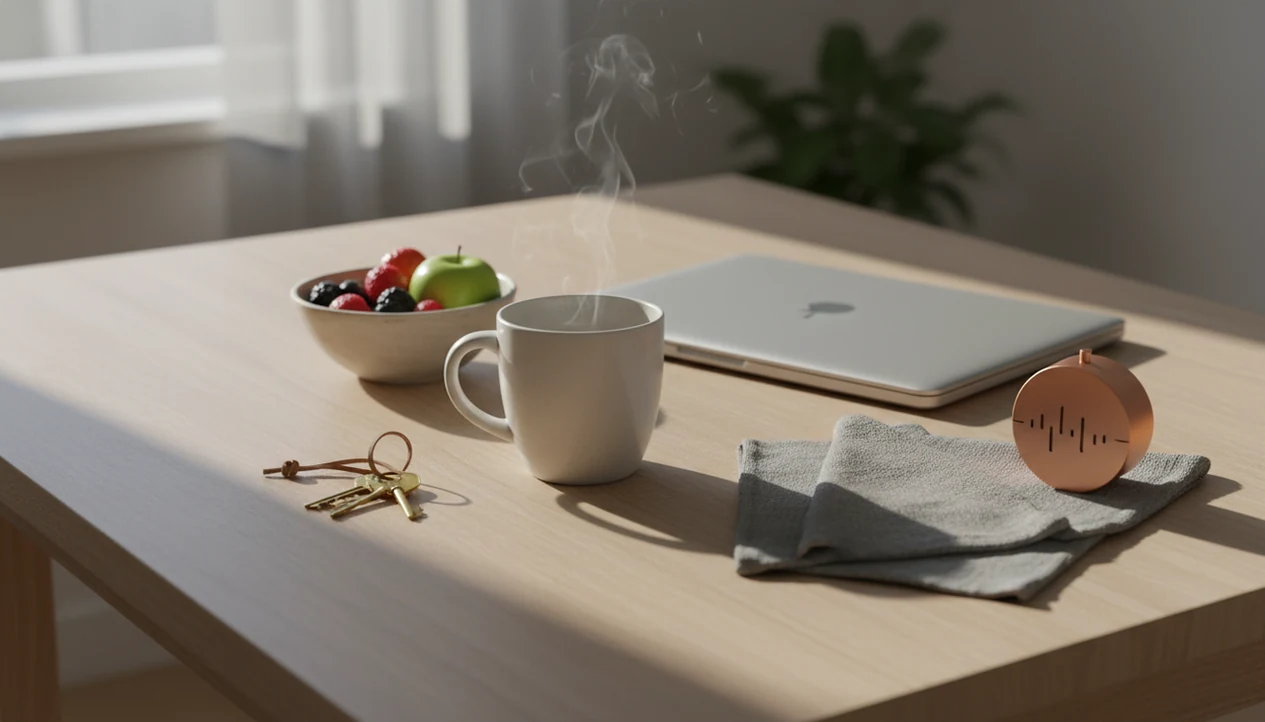
Everyday mindfulness skills are brief attention practices that help you notice the present moment, pause before reacting, and choose your next response more deliberately. They fit into breathing, eating, walking, listening, email, chores, and the transitions between tasks. You do not need a long meditation session: listening without rehearsing your reply or noticing a tense jaw before answering can be a practice.
The aim is not to empty your mind or feel calm on command. It is to notice thoughts, sensations, and surroundings without immediately judging or reacting. Research supports mindfulness for stress and mood, but benefits vary, and it does not replace medical or mental health care.
The essentials
- Mindfulness is not emptying your mind; it is noticing thoughts, sensations, and surroundings without immediately judging or reacting.
- The most useful everyday skills are pausing, breathing, body awareness, mindful listening, mindful eating, and noticing triggers before choosing a response.
- Research supports mindfulness for stress, mood, concentration, and burnout, but it is not a substitute for medical or mental health care.
Five Truths About Mindfulness When Life Is Already Moving
- Mindfulness means present-moment attention. In plain terms, it is paying attention on purpose, right now, with less judgment.
- Mindfulness is trainable. It is not a calm personality type you either have or lack.
- Everyday practice counts. Breathing, walking, eating, listening, chores, email, and conflict can all become attention practice.
- Thoughts do not need to stop. The skill is noticing that the mind wandered, maybe to a grocery list, then returning.
- Benefits are supported, not guaranteed. Studies link mindfulness with lower perceived stress, better mood, improved focus, and reduced burnout, but results vary.
Before you start, drop the myth that mindfulness needs a long, silent session. One ordinary cue is enough: rain tapping the glass, a hand closing around a dog leash, or the first breath after stepping indoors with warm cheeks from a walk.
Notice, name, allow, choose: the pause before a response
Mindfulness skills for everyday life work by shifting attention from autopilot to intentional awareness. The useful moment is the small pause between a trigger and your next response.
The mechanism is simple: notice, name, allow, choose. You notice a sensation, thought, emotion, or cue in the room. You name it softly, such as “tight chest,” “irritation,” or “planning.” You allow it to be present without rushing to fix it. Then you choose what to do next.
That might mean taking one breath before guiding a museum group into the next gallery, or noticing a dry mouth before answering a hard question. Attention, body sensations, thoughts, emotions, curiosity, and nonjudgment all work together here. Evidence links this kind of practice with stress and mood benefits, but it does not guarantee symptom relief or solve the situation itself. When a difficult question feels like criticism, practicing how to take nothing personally can help you stay open.
Mindfulness practices and meditation techniques for beginners and daily life build steadier attention, not instant calm on command.
What research supports, and what remains uncertain
Research on mindfulness is supportive, but mixed in quality. The strongest signal is that structured practice can help some people reduce perceived stress, psychological distress, mood symptoms, and burnout.
Because mindfulness studies vary in design, teacher quality, practice dose, and control groups, the safest reading is “promising support,” not a guaranteed effect for every person.
A 2019 systematic review and meta-analysis of workplace mindfulness-based programs found significant reductions in perceived stress, with a pooled effect size of −0.51 (source: NIH research). A separate 2019 randomized trial of 3,515 adults found that an 8-week online mindfulness-based cognitive therapy course reduced psychological distress with a moderate effect size compared with usual care.
The larger evidence base points in the same direction. A 2014 meta-analysis of 209 studies, with about 12,145 participants (source: J.Cpr.2013.05.005)., reported moderate effects for anxiety and mood symptoms. A 2016 study of healthcare professionals found that an 8-week mindfulness program reduced burnout scores by about 20-25% and improved mindfulness and empathy measures.
Clinicians typically recommend mindfulness as a supportive skill, not as a replacement for diagnosis, therapy, medication, or crisis care.
Build a brief practice around one daily cue
Use mindfulness in short, repeatable moments during the day. The goal is not to feel peaceful every time; it is to notice and return. Try a pause between elevator floors, one breath while vacuuming the hallway, or a moment noticing the smooth end of a paintbrush handle before speaking again.
- Attach the practice to something you already do. Let opening email, attending a meeting, unlocking your phone, eating, or getting ready for bed remind you to pause.
- Take one slow breath. Before hitting send, let your hands come off the keyboard and feel the pause.
- Notice the body. Sense your jaw, shoulders, belly, or feet on the floor without trying to change everything.
- Name the environment. Silently note one sound, one color, and one physical contact point.
- Choose your response. Reply, wait, move, eat, speak, or stop based on what fits, not only on the first impulse.
For beginners, mindful breathing is often easier than longer silent meditation because the breath gives attention a clear place to return. A fuller practice is covered in our breath awareness meditation guide.
Match the skill to stress, meals, conversations, or movement
The best mindfulness skill depends on the moment. Match the practice to the friction you can actually notice.
| Situation | Skill to use | How it helps |
|---|---|---|
| Stress spike | Mindful breathing | Gives attention one steady anchor before reacting |
| Tension or fatigue | Body scan | Helps you notice tight areas, like neck muscles releasing by degrees |
| Meals or cravings | Mindful eating | Slows the urge-choice loop and brings taste back into focus |
| Conversations | Mindful listening | Reduces rehearsing your reply while the other person speaks |
| Transitions, commuting, breaks | Mindful walking | Uses movement, steps, and surroundings as attention cues |
Body scan practice usually works best when tension is obvious, while breath practice fits people who want a portable cue in public. If you want a longer comparison, the body scan vs breath meditation guide explains the tradeoffs.
Brief pauses before email, phone checking, and difficult replies
Everyday mindfulness works best when the practice is small enough to use under pressure. Aim for 10 to 60 seconds, especially in moments you normally rush through.
- Email and meetings: Pause for one breath before opening your inbox or speaking in a meeting. A quiet pause before hitting send can prevent a sharp reply.
- Before checking your phone: Notice its weight in your hand and name what prompted you to reach for it: “Checking,” “Avoiding,” or “Looking for something.”
- Conflict: Feel your feet, soften the breath, and listen through one full sentence before replying. The steering wheel grip, the office doorway, or the kitchen chair can all be cues. During conflict, learning to stop taking things personally can support a calmer response without dismissing your feelings.
- Food choice or craving: Notice the urge, the body sensation, and the choice point. You can still eat; the skill is seeing the moment more clearly.
Keep road and task safety ahead of inward attention
During walking, running, cycling, or exercise, mindfulness should include your surroundings, not draw attention away from them. On a safe, predictable stretch, briefly notice foot pressure or arm movement, then check traffic, terrain, and other people. Keep your eyes open and stop the exercise if it competes with safe action. NHS mindfulness guidance includes awareness of both internal experience and the world around you. For outdoor practice, try mindful hiking on a safe trail while staying aware of terrain and other people.
Driving calls for attention to the road, speed, mirrors, signs, and traffic flow. Do not add meditation, prolonged breathing exercises, or phone use. Noticing a tight grip can be a cue to return attention to driving, not to begin a body scan. This applies the APA description of present-moment awareness to safety; it is not a driving-specific clinical protocol.
Avoid forcing calm or treating distraction as failure
Common mindfulness mistakes usually come from trying too hard to get a special result. The practice is not forcing calm; it is noticing what is already happening and choosing the next workable response.
- Notice the goal you are chasing. If you are trying to make anxiety, anger, or sadness disappear, soften the aim. Name what is present instead: “pressure,” “worry,” “heat,” or “planning.” To explore recurring reactions on paper, try journal prompts for self sabotage that encourage reflection rather than self criticism.
- Return without scoring yourself. Wandering thoughts are not failure. When the mind drifts to tomorrow’s meeting or an old argument, gently come back to the breath, feet, sound, or task.
- Start with small cues. Use 10 seconds before email, one bite at lunch, or one breath at a doorway before attempting long silent sessions.
- Choose safer anchors. If inward attention feels too intense, keep your eyes open, name objects in the room, feel the chair, or listen to outside sounds.
- Take the next action. Mindfulness should not become avoidance. After the pause, send the message, ask for help, set the boundary, rest, or make the practical choice in front of you. If avoidance keeps repeating, learning how to stop self sabotage can help you turn awareness into practical action.
Who brief everyday practices suit, and who needs other support
Mindfulness skills for everyday life are best for people who want secular, practical attention training inside normal routines. They are not a substitute for emergency support or clinical treatment.
| Best for | Not ideal for |
|---|---|
| Beginners who want plain-language practice | Urgent mental health crises or thoughts of self-harm |
| People who prefer brief routines over long sessions | Replacing therapy, medication, or medical care |
| Stress awareness, focus, and emotional pauses | Trauma survivors using inward attention without adaptation |
| Communication habits, listening, and conflict pauses | Anyone whose symptoms worsen during practice |
| Everyday routines like walking, meals, chores, and email | Expecting guaranteed productivity or permanent calm |
A folded towel on bedroom carpet is enough for practice, but some people like guidance. Mindful.net can be a beginner-friendly support option when you want short prompts, technique explanations, or a practical next step through the Mindfulness Practices App. For structured sitting practice, our meditation techniques page compares common options.
When to Seek Professional Support
Seek professional support when mindfulness makes symptoms sharper, more frightening, or harder to manage. A useful practice should not require you to push through panic, dissociation, trauma memories, or a sense of being unsafe.
Use mindfulness as one tool, not as proof that you should handle everything alone. If you live with severe anxiety, depression, PTSD, substance use concerns, or symptoms that disrupt sleep, work, relationships, or safety, a licensed clinician can help you choose a safer plan.
- Stop the exercise if panic rises, you feel detached from your body or surroundings, trauma symptoms increase, or the room starts to feel unreal.
- Orient outward by opening your eyes, naming objects in the room, feeling your feet, or looking toward a steady point.
- Contact a licensed clinician if symptoms are intense, recurring, or connected to anxiety, depression, PTSD, substance use, or past trauma.
- Use emergency services or a crisis line right away if there is imminent risk of self-harm or harm to someone else.
- Ask your therapist about adaptations such as grounding, eyes-open practice, movement, shorter sessions, or outward-facing attention.
How can you make time for an everyday mindfulness pause?
Between chores or before opening email, a short timed pause can give you a clear beginning and end. The free online meditation timer supports a few minutes of attention practice; the Mindful.net app also offers breathing exercises. During a conversation, crossing a street, or another task needing your attention, a brief pause without a device is a better fit.
Everyday Mindfulness Limits
- Mindfulness cannot replace professional treatment for major depression, PTSD, severe anxiety, substance use concerns, or urgent distress.
- Benefits depend on regular practice, may initially feel modest, and have varying evidence quality.
- Inward attention can feel uncomfortable, especially with trauma history or panic symptoms.
- If silent practice feels too exposed, the guided vs silent meditation comparison explains when outside cues can help.
Everyday mindfulness questions
How do I remember to practice mindfulness during a busy day?
Choose one repeatable cue, such as opening email, starting lunch, or finishing a meeting. At that moment, pause for one natural breath and notice your feet, jaw, or surroundings. Keep the practice small enough to repeat rather than trying to remember it throughout the entire day.
How long should an everyday mindful pause last?
A pause can last 10 to 60 seconds, or just one natural breath before responding. A few minutes can suit a more deliberate practice. There is no established ideal duration for every person or task, and research on structured programs does not prove that every brief pause produces the same benefits.
How can I be more mindful during a conversation?
Listen through one full sentence before preparing your reply. Notice when you start rehearsing, judging, or planning what to say, then return attention to the speaker. During disagreement, feeling your feet and taking one natural breath may help you pause, but it will not resolve the disagreement by itself.
Can everyday mindfulness stop overthinking?
Mindfulness does not require thoughts to stop. It gives you a way to notice a thought, label it briefly as planning or remembering, and return to the task or surroundings. Persistent worry may still need other support, especially when it disrupts sleep, work, relationships, or your sense of safety.
Is it safe to practice mindfulness while driving?
Keep attention on driving: traffic, speed, mirrors, signs, and road conditions. Do not meditate, close your eyes, use your phone, or begin prolonged breathing exercises. A brief awareness of bodily tension should help you return to the driving task, not pull attention away from hazards.
What should I do if mindfulness makes me anxious or detached?
Stop the exercise rather than pushing through it. Reorient to your surroundings instead of continuing inward attention. Seek professional support if panic, detachment, or trauma symptoms increase, or if symptoms interfere with daily life. Mindfulness is an optional supportive skill, not a replacement for treatment or emergency help.