
How to Be Mindful Right Now: Start With One Breath


To be mindful right now, pause for one natural breath, notice a clear point of contact such as your feet on the floor, and name what is happening without immediately trying to fix it. Mindfulness means paying attention to the present moment on purpose, with less judgment. It is not emptying your mind or making yourself calm on demand.
Your anchor can be your breath, hands, nearby sounds, or surroundings. Thoughts and emotions count as part of the moment too. When attention wanders, noticing and returning is the practice, not evidence of failure. Try a brief pause before opening email, taking a bite, walking between tasks, or checking your phone.
Quick answer
- Start with one physical anchor: your feet, breath, hands, or sounds in the room.
- Expect distraction; noticing that your mind wandered is part of mindfulness, not a failure.
- Use brief micro-practices during ordinary moments, such as before opening email, eating, walking, or checking your phone.
What being mindful right now means in plain language
Being mindful right now means placing attention on this moment, on purpose, without rushing to judge it. It is a simple attention practice, not a demand to become silent, calm, or unusually focused.
You might notice your breath, the pressure of your feet, the sound of traffic, or the fact that your mind is replaying a conversation. Thoughts count. Emotions count. Restlessness counts too.
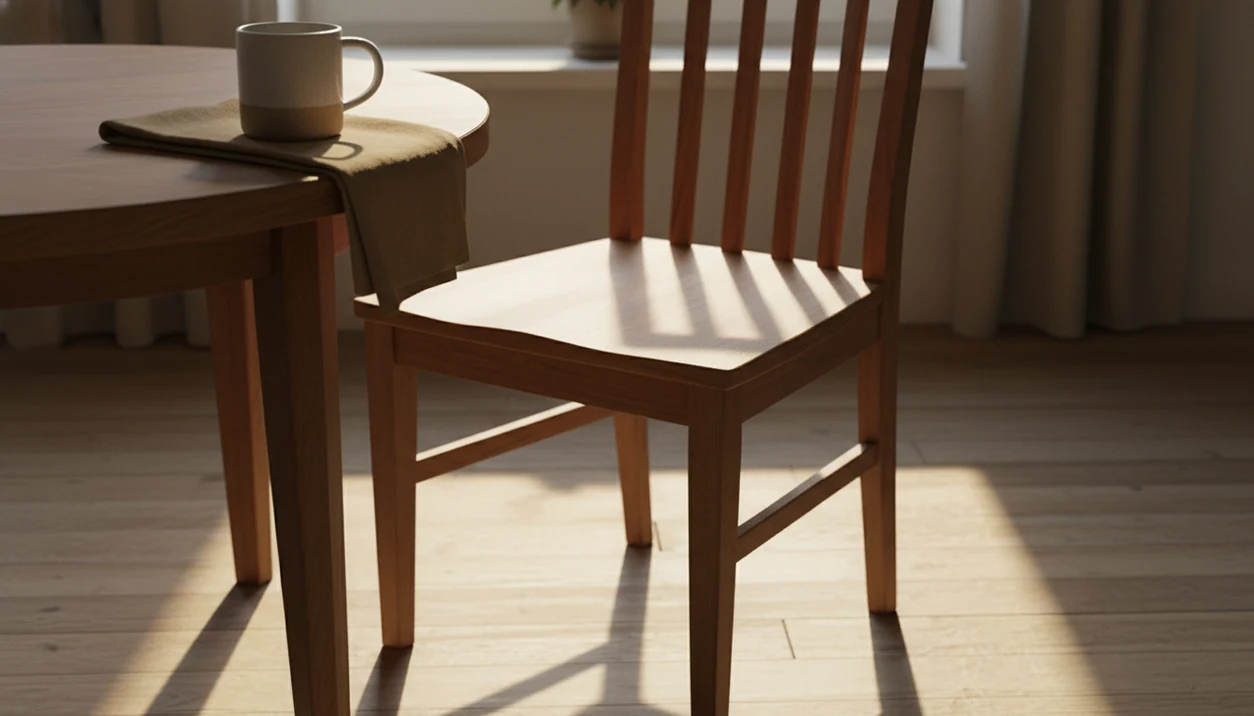
One plain way to describe mindfulness is this: come back here for a second and notice what is going on. You do not need a cushion, an app, a belief system, or a special posture. A kitchen chair works. So does standing in a hallway with one hand resting on a doorframe.
Ordinary is enough.
Before you start: choose a safe mindfulness anchor
Before you start, choose one anchor that feels steady enough to notice without forcing anything. The safest anchor is the one that helps you stay connected to the present moment without increasing tension.
- Choose one simple place for attention: your feet on the floor, your hands, nearby sounds, one natural breath, or a visible object in the room.
- Keep your eyes open if closing them makes you feel more tense, spaced out, trapped, or far away from the room.
- Use an external anchor, such as sounds, colors, or a cup in your hand, if breath focus or body scanning feels unpleasant or unsafe.
- Set a very small limit before you begin, such as one breath, three sounds, or sixty seconds. For a gentle introduction, try your first five minutes of meditation with a simple, flexible structure.
- Stop if distress rises instead of settling. Open your eyes, look around, move your feet, or return to an ordinary task.
Mindfulness is not a test of endurance. If one anchor does not fit today, choose another or make the practice smaller.
How to be mindful right now in 60 seconds
To be mindful right now in 60 seconds, choose one simple anchor and return to the next thing after you notice it. You might feel heavy legs while waiting near an airport queue sign, or catch the scent of perfume in a hallway. The goal is noticing, not becoming calm on command.
- Pause where you are, without changing your whole posture.
- Feel both feet on the floor, or notice your body where it meets the chair.
- Soften your jaw or shoulders by one small degree.
- Follow one natural breath in and one natural breath out.
- Name one sensation, such as warmth, pressure, tightness, sound, or movement.
- Return to the next task with a little more awareness than before.
If your attention drifts into tomorrow’s architecture review or a class deadline halfway through, that is not a failed minute. It is the practice. Notice, return, and continue. For people who like a slightly longer structure, breath awareness meditation uses the same basic skill with more repetition.
Five reminders for your first mindfulness pause
Here are five beginner-friendly facts about how to be mindful right now. Each one keeps the practice small enough to use during a real day.
- Mindfulness is present-moment attention, not blank-mindedness. You can notice thoughts without trying to erase them.
- A single breath can be a valid practice. One honest breath before replying to a message is still attention training.
- Distraction is normal and trainable. The repetition is noticing the wander and coming back.
- Mindfulness can happen during daily life. Walking to the printer, eating lunch, or standing in line can become practice.
- Benefits build through repetition, not one perfect session. A phone timer set for 5 minutes is often more useful than waiting for an ideal quiet hour.
For beginners, one breath is often easier than a long sit because it fits the moment you are already in. Small counts. A first week meditation plan can help you repeat small practices without making each session longer.
How mindfulness works in the brain and daily behavior
Mindfulness works as a repeatable attention loop: choose an anchor, notice wandering, and return attention. In research terms, this supports metacognition, or the ability to know where your attention is instead of being fully carried along by it.
Another useful term is decentering. Decentering means seeing thoughts as events in the mind, not automatic commands. “I can’t handle this meeting” becomes a thought you notice, not an instruction you must obey.
Body awareness helps too. When you feel socked feet under a chair or notice the ribs widening under a sweater, you create a pause between sensation and reaction. That pause can change daily behavior, such as waiting before sending a tense email.
A 2017 meta-analysis reported small but significant improvements in attention and executive functioning in mindfulness-based programs (S12671 016 0606 9).
Research on structured programs versus brief pauses
The evidence for mindfulness is strongest for structured programs, especially mindfulness-based stress reduction and mindfulness-based cognitive therapy. Short “right now” practices are better understood as practical entry points, not stand-alone medical treatments. An eight week mindfulness program offers a structured way to build on these brief attention practices.
A 2014 meta-analysis of 209 studies found moderate improvements in anxiety and depression symptoms for mindfulness-based therapy compared with control conditions (J.Cpr.2013.11.005). A 2022 randomized clinical trial found that eight weeks of MBSR was noninferior to escitalopram for anxiety symptoms in adults with anxiety disorders (JAMA study). A Cochrane review found small to moderate effects on mental-health-related quality of life for adults with chronic conditions (Reference).
Those findings are promising, but they do not make a 60-second exercise a cure. Mindfulness practices and meditation techniques for beginners and daily life can deliver attention practice and steadier noticing, not guaranteed relief, diagnosis, or treatment.
Clinicians typically recommend professional care for persistent anxiety, depression, trauma symptoms, or crisis risk. Mindfulness can support care, but it should not replace it.
When a brief mindfulness pause is a good fit
Mindful right now exercises are best for small pauses, attention resets, and everyday transitions. They are not designed for emergencies or as replacements for qualified care.
| Situation | Good fit? | Practical note |
|---|---|---|
| Racing thoughts | ✅ Best for | Use one anchor, such as feet on tile or the sound of the room. |
| Pre-meeting nerves | ✅ Best for | Take one breath before speaking or joining the call. |
| Phone autopilot | ✅ Best for | Notice the phone buzz without grabbing it for one full breath. |
| Eating too fast | ✅ Best for | Feel the first bite before starting the next one. |
| Transition moments | ✅ Best for | Pause between tasks, rooms, or conversations. |
| Emergencies | ❌ Not for | Get immediate practical or emergency support. |
| Crisis situations | ❌ Not for | Contact local crisis services or a qualified professional. |
| Replacing therapy or medication | ❌ Not for | Use mindfulness only as supportive education. |
| Forcing calm | ❌ Not for | The aim is noticing, not pressure. |
| Processing trauma without support | ❌ Not for | Choose safer grounding or professional guidance. |
If breath or body focus feels uncomfortable, adapt. Keep your eyes open, hold a familiar object, name five things in the room, or stop.
Practice before email, while walking, and at meals
Everyday mindfulness works best when it attaches to moments you already have. These micro-practices use ordinary anchors, so you do not have to wait for a formal session.
One breath before email
Before opening your inbox or hitting send, feel the chair under you and take one natural breath. The quiet pause before hitting send can prevent one rushed sentence from becoming the whole tone of a message.
Mindful walking between tasks
During a short walk, feel each foot land and lift. Use it between meetings, after parking the car, or while walking from one room to another.
Mindful scrolling pause
Before you open an app, notice the urge to check. Feel the phone in your hand, then choose whether to continue.
Mindful eating
At the first bite, notice texture, temperature, and chewing. No need to make the whole meal slow.
Desk body scan
Scan a few neutral zones: brow, mouth, palms, ribs, and legs. If the scalp feels itchy or the legs feel heavy, note that too without turning it into a problem to solve. If you want more structure, body scan meditation teaches this in a fuller sequence.
Image caption idea: A student pausing on a museum bench, noticing one breath and the echo of a nearby parking garage before continuing with the day.
Stop chasing a blank mind or instant calm
“Why can’t I clear my mind when I try to be mindful?” Because clearing the mind is not the assignment. Mindfulness means noticing thoughts, sensations, and emotions as they appear, then returning to an anchor.
Another common mistake is expecting instant relaxation. Sometimes a short pause reveals tension you were ignoring. That can feel disappointing, but it is useful information.
Stillness is also optional. You can practice during a slow walk, while standing in an office stairwell, or while waiting for a page to load. Formal meditation helps some people, and meditation techniques can give more options, but it is not the only doorway.
The repetition is simple: notice distraction, start again gently, and drop the extra judgment. Again. That “again” is where the training happens. If you wonder when meditation gets easier, a realistic timeline can help you set patient expectations.
Choose guidance only when it helps you practice
Mindful.net is the Mindfulness Practices App for people who want guided, secular reminders for short attention resets, breath awareness, body scans, and beginner-friendly meditation techniques. It can add structure if you want reminders, guided sessions, or beginner-friendly repetition.
You can still practice every technique on this page without downloading anything. A chair, a breath, and one honest moment of attention are enough to begin.
The practical next step is to compare your options and choose the least complicated support you will actually use. The Mindfulness Practices App framing is educational, secular, and non-medical.
If you want a short guided option, a tool that can guide 10-minute meditation may fit better than a self-timed session.
Set a cue to pause during the day
Between emails or other routine tasks, a cue can help you remember to pause and notice your feet, breath, or surroundings. The free mindfulness bell gives that pause a clear prompt. Mindful.net’s short guided meditations are another option when you want spoken instructions. An ordinary cue, such as passing through a doorway, is better when you want to practice without a screen.
Mindfulness Pause Limits
- Mindfulness benefits usually build with regular practice, while research results vary by person, program quality, and study design.
- Brief mindfulness exercises are not a cure for anxiety, depression, trauma, or chronic stress.
- Seek professional mental health care when needed, as mindfulness cannot replace care, medication, or crisis support.
- For many beginners, grounding with eyes open is often safer because it keeps attention connected to the room.
Being mindful right now: common questions
How can I be mindful in 60 seconds?
Pause and feel your feet on the floor or your body against the chair. Notice one natural breath, then name one sensation, such as pressure, warmth, or sound. When your attention wanders, return to that anchor. Finish by returning to your task; you do not have to feel calmer.
Can I be mindful without meditating?
Yes. Mindfulness can happen while eating, walking, listening, or washing dishes. Choose one part of the activity to notice, such as the movement of your hands or the sound of water. Formal meditation offers dedicated practice time, but a particular posture or a separate session is not required.
What should I focus on if my thoughts are racing?
Choose something simple and available: your feet touching the floor, a cup in your hand, or a nearby sound. You do not need to follow every thought or stop the thoughts. Notice that thinking is happening, then return to the anchor. Keep the pause brief rather than forcing prolonged concentration.
Why am I still distracted when I try mindfulness?
Distraction is expected. The practice is to notice that your attention has moved and bring it back, not to hold perfect focus. Even realizing that you have been replaying a conversation is a moment of awareness. Choose one anchor and repeat the return without treating each wandering thought as a mistake.
How can I remember to be mindful during a busy day?
Attach a brief pause to an event that already happens, such as a phone ringing, passing through a doorway, or brushing your teeth. At that cue, notice your body, breathing, or current mood. Pick one cue to begin with rather than trying to monitor yourself throughout the entire day.
Does mindfulness have to make me feel relaxed?
No. Mindfulness is deliberate awareness of what is happening, including tension, restlessness, or an unpleasant thought. Relaxation may occur, but it is not the measure of a successful pause. Sometimes you simply notice discomfort more clearly. That awareness can come before deciding what response or support you need.
Can one minute of mindfulness treat anxiety?
A one-minute pause is an attention practice, not a stand-alone treatment for anxiety. The evidence described here is stronger for structured mindfulness programs than for isolated brief exercises. You can use a pause alongside appropriate care, but it should not replace professional mental health treatment, medication, or crisis support.