
How to Meditate While Exercising: Simple Steps for Safer Mindful Workouts


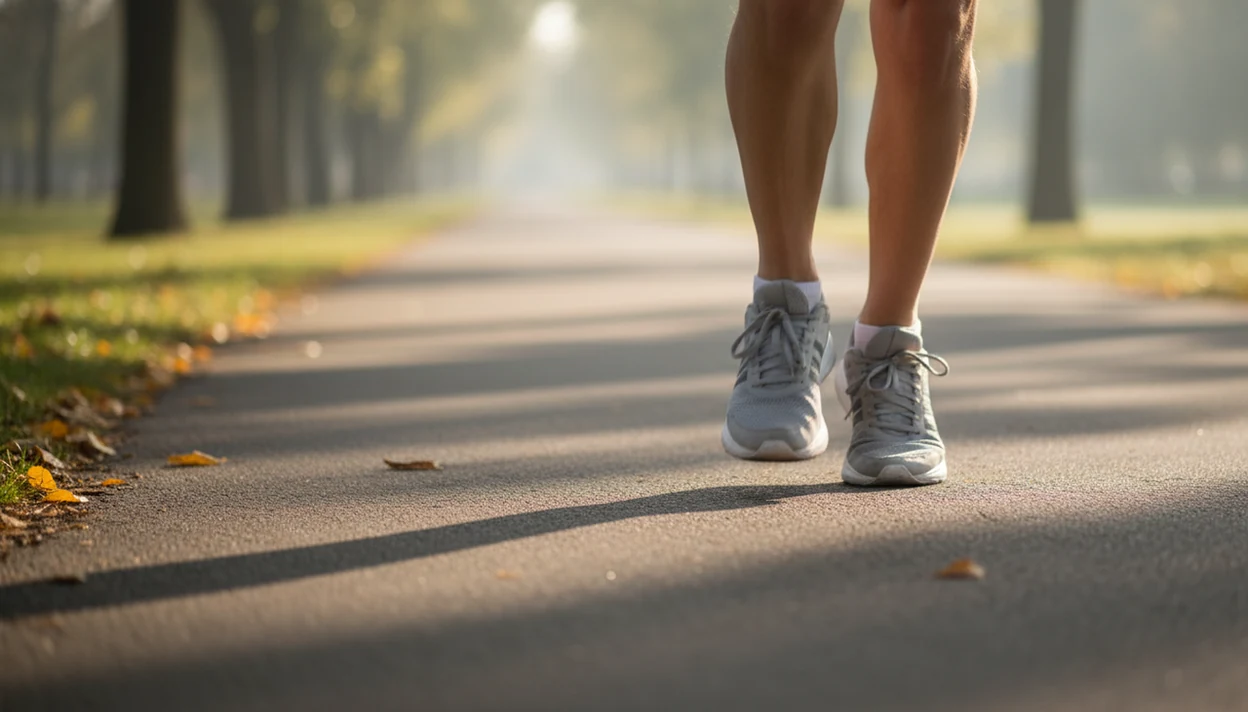
Meditating while exercising means using physical activity as the focus of a secular mindfulness practice, rather than treating movement and meditation as separate activities. Choose one anchor, such as footsteps, breath, posture, muscle effort, or cadence. When attention drifts, return to that anchor without judging the distraction. You do not need to empty your mind or feel perfectly calm.
Start with 2-5 minutes during familiar walking, cycling, easy running, yoga, or warm-up movement before attempting a whole mindful workout. Keep your eyes open and your attention broad enough to notice traffic, uneven ground, form, fatigue, and pain. Warm cheeks or tingling fingers also deserve attention. The practice should make you more aware of what is happening, not less.
The essentials
- Start with 2-5 minutes of mindful walking, cycling, running, yoga, or warm-up movement before trying a whole mindful workout.
- Use one clear anchor, breath, feet, posture, muscle sensation, or step count, and return to it without judging distractions.
- Mindful exercise should make you more aware, not less aware, so traffic, form, fatigue, and pain signals still come first.
What meditating while exercising means in daily workouts
Meditating while exercising means using movement as the focus of meditation. Instead of sitting still with the breath, you pay attention to walking, running, lifting, stretching, pedaling, or flowing through a posture. If you are comparing movement awareness with mantra practice, consider Transcendental Meditation vs mindfulness to clarify their differences.
The goal is not to empty the mind. It is to notice breath, body sensations, surroundings, and distraction, then come back to the movement. On a walk, that might mean feeling feet meet pavement. In the gym, it may mean noticing posture before the next repetition.
Common forms include mindful walking, easy running, cycling, strength training, yoga, tai chi, and stretching. A beginner-friendly approach keeps the practice secular and practical. Returning to a movement anchor without criticizing yourself practices steadier attention and kinder self-correction; it does not guarantee instant calm or cure stress.
If you want seated basics first, our meditation techniques guide covers simple starting points.
The attention cycle: notice, return, keep moving
Meditation during exercise works as a simple attention cycle: pick something steady, realize attention has drifted, come back, and keep going. The returning is not a mistake in the workout; it is the meditation part of the workout. To understand how this attention practice compares with another approach, explore Vipassana vs mindfulness before choosing your focus.
Rhythmic movement gives attention a pattern it can recognize. Steps, pedal strokes, arm swings, and breathing cycles are easier to revisit than a broad instruction like “stay present.” If you are a caregiver fitting in a few laps around a hospital courtyard, your mind may still leap toward test results, parking validation, or who needs a ride home.
A few useful terms help. Interoception means sensing internal body signals, like breath or heartbeat. Proprioception means knowing where your body is in space, such as knee position during a lunge. Breath awareness and external awareness keep the practice balanced. If observing body sensations interests you, Vipassana meditation introduces a seated practice focused on noticing experience.
The evidence is related, not exact. Studies often involve tai chi, mindfulness programs with exercise, or mindfulness-based physical activity. In one U.S. adult survey, 53.1% used exercise for stress management and 25.6% practiced meditation, according to a 2018 NIH research.
What the research separates: movement benefits and mindfulness benefits
Exercise can help mood without a meditation component. A 2024 review of randomized walking trials found reductions in depressive symptoms across 44 trials and anxiety symptoms across 26 trials. Effects differed considerably between studies. That distinction matters: feeling better after a mindful walk does not establish that mindfulness, rather than walking itself, caused the improvement.
Research specifically on mindful walking is promising but less certain. A 2022 systematic review of 14 mindful-walking studies found a statistically significant improvement in at least one mental or cardiovascular outcome in 13 studies. However, the authors reported serious methodological limitations and uncertainty about clinical importance. These findings support further study, not a promise of reliable symptom relief.
There is also early evidence that mindfulness during exercise might support activity itself. In a 2020 pilot trial involving 50 underactive adults, participants exercising with a mindfulness recording did more moderate-to-vigorous activity at one-week follow-up than a heart-rate-monitor comparison group. The trial primarily assessed feasibility and acceptability; it does not establish that this approach creates a lasting exercise habit.
Choose familiar movement and a safe setting
Before you start meditating while exercising, set the conditions so attention practice does not compete with basic safety. Pick movement you already know, keep the setting simple, and let awareness stay wide enough to include the room, road, or trail.
- Choose familiar movement that you can do comfortably without learning new technique at the same time. Walking, gentle cycling, mobility work, or an easy warm-up is usually better than a new lift or route.
- Start somewhere low-risk with clear space, steady footing, and no traffic, clutter, heavy equipment, or fast decisions.
- Keep intensity low or moderate until attention feels steady. If breathing, form, or pace becomes the whole story, slow down.
- Keep your eyes open and include surroundings in the practice. Notice sounds, sight lines, people, surfaces, and equipment along with breath or body sensation.
- Pause or stop if you feel sharp pain, dizziness, panic, unusual shortness of breath, or any symptom that feels unfamiliar or wrong.
How to meditate while exercising in 5 steps
Use this how to meditate while exercising guide during an easy workout, not your hardest session of the week. Keep the first attempt short enough that you can finish without negotiating with yourself.
Do this only during movement that already feels easy and familiar. If you are learning a new lift, running route, bike route, or sport skill, keep attention on technique and safety first.
- Set a simple intention before starting, such as “stay with my feet” or “notice effort without judging it.”
- Choose one anchor like breath, footsteps, cadence, muscle sensation, or contact with the ground.
- Start with 2-5 minutes during a warm-up, walk, easy spin, light jog, or gentle mobility block.
- Return gently when distracted, using a phrase like “thinking, return” without scolding yourself.
- Close with a check-in on body, mood, and effort before moving on or stopping.
One simple way to try it: choose a short stretch of walking, begin at an easy pace, and feel each step through the soles of your shoes. When attention drifts, use a Three-Breath Reset, then return to the next step rather than replaying the whole walk in your head.
That’s enough for day one.
Walking, cycling, running, and lifting: choosing your starting point
The easiest exercises for mindful movement are rhythmic, repetitive, and low enough in intensity that you can still notice details. Walking usually comes first because the anchor is obvious and the stakes are low.
| Exercise type | Beginner fit | Why it works or gets harder |
|---|---|---|
| Walking | High | Steady pace, clear foot contact, easy to pause |
| Gentle cycling | High | Cadence gives attention a simple rhythm |
| Easy running | Medium | Repetition helps, but effort can dominate |
| Yoga or mobility work | High | Posture, breath, and stretch sensations are clear |
| Tai chi | High | Designed as slow, coordinated moving meditation |
| Heavy lifting | Lower at first | Form and safety cues must stay primary |
| HIIT or team sports | Lower at first | Speed, competition, and decisions divide attention |
| Technical trails | Lower at first | Terrain demands constant visual scanning |
Tai chi is a classic moving meditation. In a 2011 randomized trial of people with heart failure, a 12-week tai chi program improved quality of life and exercise self-efficacy compared with education alone, but this is indirect evidence for meditating during exercise broadly: NIH research
How to use mindful exercise anchors during workouts
Mindful exercise anchors give attention one place to land during movement. Pick one anchor per session so the practice stays simple.
For example, on a sidewalk walk, you might feel heel, arch, toe for ten steps, hear a car pass, then return to the next footfall without making a big moment out of it. For walks with a pet, try mindful dog walking while keeping attention on your dog and surroundings.
- Breath anchor: Best for walking, warm-ups, easy cycling, and gentle yoga. If breath focus feels tight, soften it or switch anchors; breath awareness meditation explains this in more detail.
- Footstep anchor: Useful for walking and running. Count four steps, then start again.
- Muscle anchor: Helpful during strength training or mobility work. Notice the working muscle, joint position, and release.
- Sound anchor: Good for outdoor movement when you need open awareness. Hear traffic, birds, voices, and wind without chasing each sound.
- Effort anchor: Useful when pace rises. Name the effort level as easy, moderate, or hard.
Music or light guidance is fine if it supports attention. If it turns the workout into background noise, lower the volume or go silent for one block.
How to meditate while exercising safely around traffic, terrain, and pain
Mindful exercise should increase awareness, not reduce it. If attention becomes narrow or dreamy, widen it to include surroundings, form, and safety cues.
- Traffic stays primary: Keep eyes open, scan intersections, and avoid deep inward focus near cars, bikes, and crossings.
- Terrain matters: Watch for roots, curbs, wet floors, loose gravel, gym mats, and moving equipment.
- Weather changes the practice: Heat, cold, wind, and poor visibility can affect pacing and body signals.
- Other people count: In a gym or park, leave space and notice people entering your path.
- Pain needs respect: Normal effort may feel warm, heavy, or tired. Sharp, worsening, unusual, dizzy, or radiating sensations are different.
Lower the intensity while learning. High-intensity intervals, technical trails, heavy lifts, and competitive drills need performance and safety cues first.
Calendar alert after a long meeting, shoes on, one slow lap around the block. That can be the whole practice. Between meetings or workout sets, mindfulness while waiting offers another opportunity to practice attention without adding activity.
How to build a 2-week beginner mindful exercise routine
A realistic routine starts with short mindful blocks and builds slowly. Consistency matters more than intensity, especially while attention is still learning where to rest.
Try this two-week progression:
- Days 1-3: Add 2 minutes of mindful walking, warm-up cycling, or stretching.
- Days 4-6: Increase to 3-5 minutes and use the same anchor each time.
- Days 7-10: Try one 5-minute mindful block inside a normal walk, run, gym session, or mobility routine.
- Days 11-14: Use two mindful blocks, one near the start and one near the end.
For running, use cadence or foot contact. For gym workouts, use setup, breath, and muscle sensation. For stretching, notice edges without pushing past them. These how to meditate while exercising tips work better when they are boring enough to repeat.
A systematic review found that mindfulness-based physical activity interventions can improve physical activity outcomes and adherence in some groups, although effects vary by program and population: NIH research
Five mistakes that make mindful exercise harder or less safe
Most mindful exercise problems come from straining to “do it right” or zoning out so completely that safety cues disappear.
- Trying to blank the mind: Thoughts will appear. The practice is noticing them and returning to movement.
- Zoning out on autopilot: Mindful movement is awake and specific, not disappearing into miles or reps.
- Judging wandering thoughts as failure: Wandering is the repetition that trains attention. Return without a speech.
- Forcing calm during hard effort: Hard work may feel intense. Let effort be effort instead of demanding peace.
- Ignoring pain or safety signals: Meditation is not a reason to push through sharp pain, poor form, or risky surroundings.
Reset the plan.
If close body focus makes you tense, use an external anchor. Sound, sight lines, or room awareness can be steadier than tracking every sensation. For a gentler internal option, body scan meditation can teach sensation awareness outside exercise first.
How can I time a short mindful warm-up?
For a two-minute mindful warm-up in a clear indoor space, the free online meditation timer can mark a short practice period without repeated clock checks. Mindful.net also offers short guided meditations for a separate pause before exercise. During road cycling, technical lifts, or unfamiliar movement, attention to surroundings and technique is more useful than following meditation instructions.
Mindful Exercise Limits
- Evidence is indirect, drawing largely from tai chi, yoga, cardiac rehabilitation, and mindfulness activities rather than every workout type.
- Seek professional care or emergency support when needed because mindful exercise cannot replace medical care, physical therapy, or mental health treatment.
- Focusing closely on body sensations can increase anxiety for some people, so external anchors may work better.
- Intense, competitive, or technical activities may initially limit deep mindfulness, and apps must remain secondary to immediate safety.
Meditating during exercise: common questions
Can you meditate while exercising instead of sitting still?
Yes. Movement can be the object of meditation: notice a footfall, pedal stroke, or muscle sensation, then return when attention wanders. It is not identical to seated practice, which offers fewer competing demands. Choose familiar, easy movement and keep safety cues in view.
What is the easiest exercise for moving meditation?
Walking is a practical starting point because foot contact gives attention a clear, repeated anchor and you can pause when needed. Begin with 2-5 minutes on a familiar, low-risk route. Gentle mobility work or easy stationary cycling can also suit beginners who prefer an indoor setting.
How do I meditate while running?
Try a short mindful block during an easy, familiar run. Notice foot contact or cadence, with occasional checks of your jaw, shoulders, posture, breathing, and effort. Keep watching the route. Do not let inward attention replace normal pacing, hydration decisions, or responses to pain and fatigue.
Can strength training count as meditation?
Familiar strength exercises can include mindful attention to posture, muscle effort, and controlled movement. Technique and equipment safety still come first. A new lift, heavy effort, or complicated movement is not the place to narrow attention to breathing alone. You can also practice during rest periods.
Should I control my breathing during mindful exercise?
You can notice breathing without deliberately slowing or changing it. If breath focus feels tight or makes you anxious, switch to footsteps, cadence, or sounds around you. During harder effort, let breathing respond to the activity and prioritize exertion, technique, and safety.
Can I listen to music while exercising mindfully?
Music does not automatically prevent mindful exercise. The key is to keep noticing movement, effort, and surroundings rather than letting the audio absorb all your attention. Near traffic, other people, or moving equipment, hearing what is happening around you takes priority over music or spoken guidance.
What should I do when my mind wanders during a workout?
Notice the distraction and return to your chosen anchor, such as the next footfall or repetition. A brief label like “thinking” can help you recognize what happened without analyzing it. Repeatedly returning is the practice, not evidence that you have failed to meditate.
Can I practice mindful movement with pain or limited mobility?
Mindfulness does not require walking. Seated movement, supported standing, or wheelchair movement can use hand sensations, chair contact, or sounds as anchors. Keep activity within clinician-approved limits when needed. Stop for sharp or escalating pain, numbness, instability, or sudden loss of strength rather than meditating through those signals.