
When Does Meditation Get Easier? A Beginner Timeline and Signs of Progress


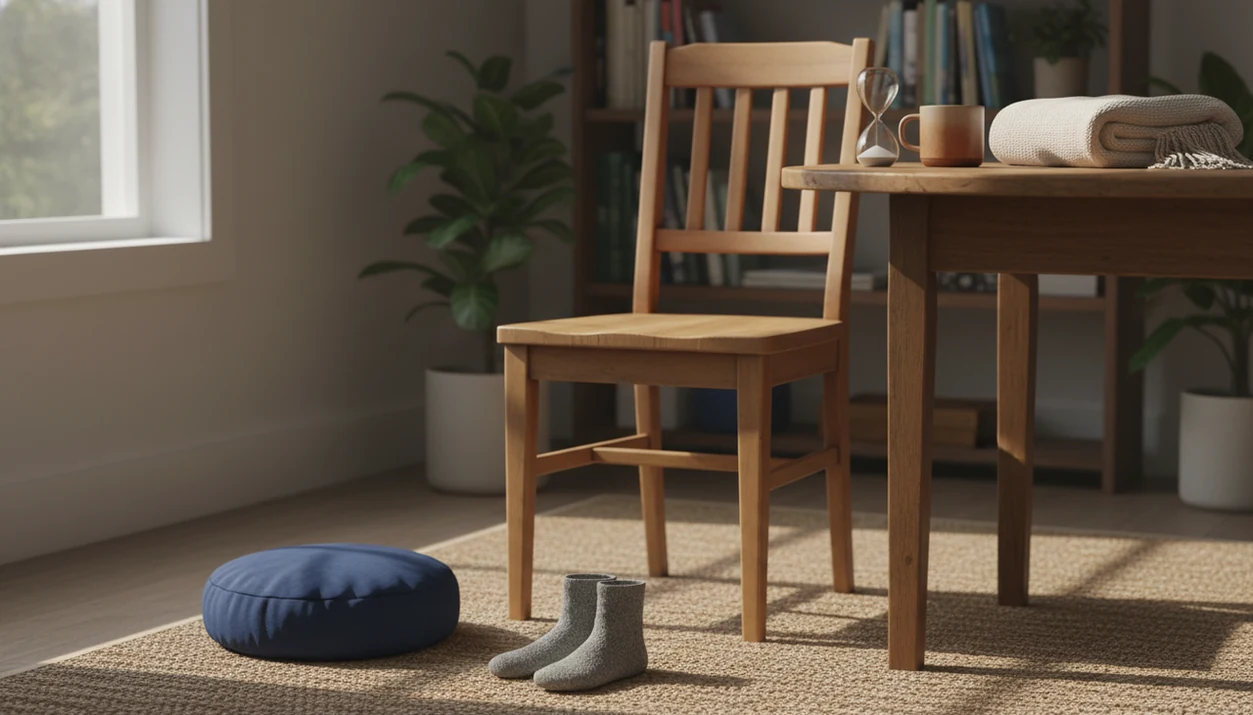
Meditation often starts to feel easier after a few weeks of short, consistent practice, but there is no exact day when it clicks. Easier means less effort spent fighting thoughts and more familiarity with noticing distractions, softening restlessness, and returning to an anchor. It does not mean keeping your mind blank or feeling calm every time you sit.
At first, attention, posture, boredom, and restlessness can all demand effort at once. Aim for five to ten manageable minutes a day rather than occasional long sessions. Look for smaller changes: starting with less reluctance, recognizing wandering sooner, or returning without criticizing yourself. Those shifts matter even on days when your mind feels busy.
Definition: Meditation gets easier when the practice shifts from forcing calm to repeatedly noticing what is happening and returning to a simple anchor with less self-criticism.
Signs to look for
- Meditation feels hard at first because attention, posture, boredom, and restlessness are all being trained at once.
- Most beginners do better with 5-10 minutes daily than with occasional long sessions.
- Progress usually looks like faster recovery from distraction, not fewer thoughts.
What may change in your first few weeks
When does meditation get easier? Many beginners notice meditation becoming more familiar after a few weeks of manageable daily practice, especially when sessions stay short enough to repeat.
Easier does not mean effortless. It also does not mean thought-free, deeply calm, or “good” every time. A more realistic sign is that you sit down with less dread, notice wandering sooner, and return without turning the session into a personal review.
The first shift is often small. You set a phone timer for five minutes, feel your feet on the carpet, and stop arguing with every thought. Grocery list. Email. Back to the breath.
That counts.
For beginners, short daily meditation is often easier than occasional long practice because it trains the return without making the session feel like a test.
Five facts about learning to meditate
- Meditation feels hard for most beginners. Early practice asks attention to stay with one thing, and most minds are used to switching constantly.
- Short daily sessions are usually more sustainable than long occasional sessions. Five minutes on a kitchen chair often teaches more than one strained 30-minute sit on Sunday.
- Wandering thoughts are part of the practice, not a failure. The moment you notice the mind has left the anchor is the training moment.
- Restlessness, boredom, and sleepiness are common beginner meditation problems. They are not signs that you are unusually bad at meditation.
- There is no universal timeline, but consistency changes the experience. After repeated practice, the room, timer, posture, and anchor begin to feel less unfamiliar.
If you want the plain starting point before technique choices, our mindfulness for beginners guide explains the basic skill without spiritual language.
Why Meditation Feels Hard in the First 2-4 Weeks
Meditation feels hard at first because focused attention can feel mentally expensive when the mind is used to steady stimulation. The goal is not to shut the mind off; the goal is to notice and return.
The noisy mind problem
When you sit still, the mind may suddenly seem louder. Planning, replaying, judging, and remembering were already happening, but fewer distractions are covering them. Three breaths before opening a laptop can reveal a surprising amount of inner chatter.
The restless body problem
The body also complains. Knees ache, shoulders rise, the jaw tightens, and impatience shows up as a need to move. Adjusting posture is not cheating. A chair, wall support, or open-eyed practice can keep attention practice from becoming a battle with your joints.
Mindfulness practices and meditation techniques for beginners and daily life deliver better noticing and returning, not permanent calm on command.
How repeated returns train attention
Meditation practice works through a repeatable loop: notice, return, soften, repeat. In plain terms, you train attentional control, the ability to notice where the mind is and guide it back without adding extra struggle.
Repetition can make sustaining attention less effortful over time. You are not building a blank mind. You are building familiarity with the act of coming back. The ambient room hum between prompts may still be there, but it stops feeling like an enemy.
Evidence is strongest for structured programs, often around eight weeks. In a 2011 study, an 8-week mindfulness meditation program was associated with an average 4.9% increase in gray matter concentration in the left hippocampus, a region linked with learning and memory NIH research. A 2014 systematic review of 47 randomized trials with 3,515 participants found small to moderate improvements in anxiety, depression, and pain after about eight weeks of meditation programs JAMA study.
Structured meditation programs are studied more often than casual home practice, so timelines should be treated as guidance, not a guarantee.
Acceptance matters, not just concentration
A 2016 randomized study of 147 healthy young adults compared three days of attention monitoring plus acceptance with attention monitoring alone, relaxation training, and a reading control. The combined acceptance group had the lowest mind wandering, significantly below the monitoring-only group. This supports treating a nonjudgmental response as part of attention practice, not an optional extra.
The practical distinction is between recognizing a distraction and arguing with it. When planning appears, you can briefly acknowledge it and return to the feeling of your hands or feet without demanding that the thought disappear. The study does not establish when meditation becomes easy for everyone, but it gives a reason to practice returning with less force.
Set up a session you can repeat tomorrow
Before you begin, make the session easy enough that you are willing to repeat it. The setup should reduce strain, remove decisions, and make wandering thoughts part of the plan rather than a reason to quit.
- Choose a supported position. Sit on a chair, cushion, or the floor with your back near a wall if that helps. Comfort does not mean slouching; it means your posture is not stealing the whole practice.
- Pick one anchor. Decide before the timer starts whether you will use the breath, sounds in the room, the soles of the feet, or the hands resting in your lap.
- Set a kind timer. Choose a length that feels almost too manageable, especially at the beginning. Three steady minutes you do again tomorrow beats 20 minutes you dread.
- Expect the mind to leave. Agree in advance that thoughts, images, and plans will not restart the session. Noticing them is the return point.
- Modify if stillness feels unsafe. Keep the eyes softly open, stand, walk slowly, or stop and seek support if inward focus increases distress.
Five steps for a manageable daily practice
Use meditation in a way that protects repeatability. A tiny session you can do again tomorrow is more useful than a heroic sit you avoid for a week.
- Set a small time target. Start with 3-10 minutes, not the session length you think a “real meditator” should do.
- Choose one anchor. Use breath, sound, hands, or feet; hands resting on denim knees can be enough.
- Expect wandering before it happens. Decide in advance that thinking will appear, because it will.
- Return gently. Come back to the anchor without resetting the timer or judging the whole session.
- Repeat daily before increasing length. Add time only after the current length feels stable for several days.
For step-by-step posture, anchors, and simple scripts, our how to meditate for beginners guide walks through the basics. If you prefer spoken instructions, guided meditation can help you follow a simple practice without memorizing each step.
A 4-Week Meditation Plan for Restlessness and Wandering Thoughts
A gradual 4-week plan helps meditation feel familiar before it feels demanding. Frequency matters more than duration, especially when restlessness and wandering thoughts are the main obstacles.
| Week | Time target | Main practice | Adjustment rule |
|---|---|---|---|
| Week 1 | 3-5 minutes daily | Use a forgiving anchor, such as breath, sound, or feet. | Keep the session short even if it goes well. |
| Week 2 | 5-7 minutes daily | Add one simple label, such as “thinking” or “hearing.” | Label once, then return. Do not narrate everything. |
| Week 3 | 8-10 minutes daily | Stay with one anchor, with posture changes allowed. | Move quietly if pain becomes distracting. |
| Week 4 | 10 minutes daily | Keep 10 minutes, or add only 1-2 minutes. | Increase only if practice feels stable. |
A plan like this fits ordinary life. Office stairwell. Bus seat. Bedroom floor. The location matters less than the repetition.
6 Beginner Meditation Problems and Gentle Adjustments
Beginner meditation problems usually need adjustments, not more force. Changing posture, anchor, or session length is part of learning the practice.
| Problem | What it feels like | Gentle adjustment |
|---|---|---|
| Meditation restlessness | Urge to move, quit, or check the timer | Open your eyes, shorten the sit, or try walking meditation. |
| Boredom | The session feels flat or pointless | Use sound as the anchor, or notice boredom as a body sensation. |
| Sleepiness | Nodding off or foggy attention | Sit upright, practice earlier, or keep eyes softly open. |
| Frustration | “I’m bad at this” thoughts | Label “judging,” then return without restarting. |
| Body discomfort | Pain, pressure, or fidgeting | Change posture, use a chair, or support the back. |
| Intrusive thoughts | Sticky or upsetting mental content | Label “thinking,” feel the feet, or stop and seek support if needed. |
Meditation restlessness
Restlessness often means the body needs a lower-friction entry point. Walking practice can be a better first step than stillness.
Boredom during meditation
Boredom is not proof nothing is happening. It is often the mind missing novelty.
Too many thoughts
Too many thoughts does not mean too little meditation. Noticing them is the practice.
5 Myths About Hard Meditation Sessions
- Myth 1: If meditation still feels hard, I am not cut out for it. Difficulty is normal when attention practice is new, and hard sessions can still build the skill.
- Myth 2: Meditation only works when thoughts stop. Effective practice changes how you relate to thoughts, not whether thoughts appear.
- Myth 3: Beginners need 20-30 minutes for practice to count. A steady five minutes is often more beginner-friendly than a long session that creates avoidance.
- Myth 4: A messy session means I am going backward. Messy sessions still include noticing, returning, and learning where the mind goes.
- Myth 5: Experienced meditators always feel calm. Experienced practitioners still meet distraction, impatience, and emotion; they may recover with less drama.
6 Signs Meditation Is Getting Easier Even If Your Mind Still Wanders
Meditation is getting easier when your relationship to distraction changes, even if thoughts still appear often. The mind may wander, but the return becomes less tense.
- You start more easily. You resist the timer less than you did in week one.
- You stay for the full timer. Five minutes no longer feels like a small endurance event.
- You return faster. You notice planning, label it, and come back sooner.
- You judge less. A distracted session feels ordinary, not embarrassing.
- You notice body cues sooner. Tight shoulders, a clenched jaw, or shallow breathing show up earlier.
- You use mindfulness in daily life. You pause before answering a message instead of reacting immediately.
Some evidence suggests brief mindfulness training can improve attention, for example, a 2010 study found improvements after four 20-minute sessions, but that does not mean every session will feel calm PubMed research. If you want a broader view, the meditation benefits timeline explains what may change over days, weeks, and months.
When to Try Walking Meditation, Body Scans, or Sound Anchors
Try a different meditation technique when sitting breath practice creates dread, strain, or repeated avoidance. The anchor should support attention, not turn practice into a contest of stillness.
- Mindful walking: Useful when restlessness is high. Feel each step, turn slowly, and keep the practice simple.
- Body scan: Helpful when attention needs a larger field. You might notice the tongue softening from the palate, then move on.
- Sound meditation: Good when the breath feels too personal or tight. Let sounds come and go without chasing them.
- Loving-kindness phrases: Useful when self-criticism is the main barrier. Keep phrases plain and believable.
- Short daily-life mindfulness: Use one ordinary cue, like feet on tile or a hand on a door handle.
For many restless beginners, walking meditation is often easier than breath-only sitting because movement gives attention a steady physical rhythm. This is a comfort-based recommendation, not a guarantee; the easier technique is the one you can repeat without dread. Our meditation techniques library compares these options in more detail. Comparing guided and silent meditation can help you decide whether spoken prompts or quiet practice better support your attention.
When difficulty calls for stopping, not longer sessions
Ordinary wandering and boredom are different from distress that disrupts daily life. A systematic review of 83 studies estimated meditation-related adverse events at 8.3% overall, with substantially different estimates across study designs. That figure is not a prediction of your individual risk, but it is a reason not to treat every difficult reaction as something to push through.
Stop unsupervised practice and seek advice from a qualified clinician if meditation brings high distress, trauma-related re-experiencing, dissociation, mania-like activation, or difficulty functioning. Adding minutes is not the right response to these signs. Shortening a session or changing its anchor may help ordinary restlessness, but serious or disruptive symptoms need individualized assessment rather than a stricter practice schedule.
Meditation Timeline Limits
- Meditation has no universal timeline, and research on structured programs may not reflect casual home practice.
- Benefits are usually gradual and modest, not instant calm or permanent emotional control.
- Educational tools cannot diagnose, treat, or provide crisis support, and meditation cannot replace professional care.
- Seek professional evaluation when anxiety, depression, trauma symptoms, or crisis thoughts interfere with safety or daily functioning.
Questions about meditation getting easier
How many weeks does it take for meditation to get easier?
Many beginners find meditation more familiar after a few weeks of short, consistent practice. There is no reliable deadline. Look for less reluctance to begin, quicker recognition of distractions, and less self-criticism when you return. Feeling calm in every session is not a useful requirement.
Why does my mind still wander after months of meditation?
Meditation does not require thoughts to stop. Planning, remembering, and judging can still appear as practice becomes more familiar. A useful measure is how you respond: can you recognize wandering and return without a prolonged struggle? Continued thoughts alone do not mean your practice has failed.
How long should I meditate if sitting still feels difficult?
Start with three to five minutes if a longer session creates dread or strain. Keep that length manageable before increasing it. A supported chair, softly open eyes, or a sound anchor may help. You can also try walking meditation instead of making stillness the main task.
Do I need to meditate every day for it to get easier?
Short daily sessions can make practice more familiar and easier to repeat than occasional long sits. Treat daily practice as a useful aim, not a test you must pass. If you miss a day, resume with a manageable session rather than trying to compensate with a much longer one.
Is boredom during meditation a sign it is not working?
Boredom is a common beginner difficulty, not proof that meditation is ineffective. Try noticing how boredom feels in the body, or use sounds as your anchor. If the session feels so demanding that you keep avoiding it, shorten it rather than forcing yourself through a longer sit.
How can I tell meditation is helping if I do not feel calmer?
Look for changes in the practice itself: starting more readily, noticing distraction sooner, returning with less tension, or recognizing a clenched jaw before it dominates the session. These are useful signs of growing familiarity. They do not guarantee broader benefits or mean that every session will feel easier.
Should I switch techniques if focusing on my breath feels uncomfortable?
Yes, the breath is not the only possible anchor. Try sounds in the room, your hands resting in your lap, or the contact of your feet with the floor. Walking meditation is another option for restlessness. Choose an anchor that supports attention rather than making practice feel like a contest.
Can meditation make anxiety worse instead of easier?
Meditation can bring distressing experiences for some people. If anxiety intensifies, do not assume you need more practice time. Stop the session and consider professional advice, especially if symptoms persist or affect daily functioning. Meditation is not a substitute for treatment for severe anxiety, trauma symptoms, or other mental health concerns.