
Mindfulness Meditation: A Simple Starter Guide
Mindfulness meditation starts with a few minutes of present-moment attention: sit comfortably, notice your breath or body, and gently return when your mind wanders. You do not need a blank mind, special posture, or a long session to begin.
Mindful.net is a mindfulness app that teaches mindfulness practices and meditation techniques for beginners and everyday life.
- Start with 5 minutes a day, then build toward 10 minutes as the habit feels easier.
- Use one simple anchor at a time: breath, body sensations, sounds, walking, or a short guided meditation.
- Wandering thoughts are not failure; noticing and returning is the core skill.
Mindfulness meditation basics for beginners
Mindfulness meditation is the practice of paying attention to the present moment without judgment. In plain terms, you choose something happening now, notice it, and return when attention drifts.
Your anchor can be the breath, body sensations, sounds, thoughts, feelings, or the room around you. The goal is not to empty the mind. A grocery list may appear. So may irritation, sleepiness, or the itch on your ankle.
That still counts.
Mindfulness meditation for beginners can be seated, lying down, walking slowly, or woven into daily routines. Some people start on a kitchen chair with feet on the floor. Others use a bed edge or a short hallway walk.
As broad context, a 2012 National Health Interview Survey analysis reported that 18 million U.S. adults, about 8%, used meditation in the previous year NCCIH overview.
How mindfulness meditation works
Mindfulness meditation works by repeating a simple loop: choose an anchor, get distracted, notice the distraction, and return. The useful part is not staying perfectly focused; it is recognizing the drift and beginning again.
That return is the training mechanism. Each time you come back to the breath, body, sound, or step, you practice guiding attention instead of being carried along automatically. A light technical term is attentional control, which simply means learning how to place attention and redirect it when it moves. Nonjudgment helps because it removes the extra layer of “I am bad at this” or “I should feel calm by now.” Less self-criticism means less secondary frustration piled on top of the original thought, feeling, or body sensation.
- Choose one anchor. Use breathing, body contact, sound, or walking.
- Notice distraction. Thoughts, plans, emotions, and boredom all count.
- Return gently. Come back without scolding yourself.
- Repeat the loop. Let practice build gradually over days and weeks.
The effect is practice-based. A session may feel calming, irritating, sleepy, or ordinary, and mindfulness meditation is not instant calm or medical treatment.
Five mindfulness meditation facts every beginner should know
These five facts are the shortest useful version of a mindfulness meditation guide: start small, expect wandering, and treat returning as the practice.
- Mindfulness meditation means purposeful present-moment attention without judging what you notice.
- Beginners usually do better with 5 to 10 minutes than with a long session they avoid.
- Regular practice matters more than occasional intense effort.
- Wandering attention is normal; noticing the drift is part of the training.
- Mindfulness can support calm and stress reduction, but it is not a cure-all.
A 2014 JAMA Internal Medicine meta-analysis of 47 randomized controlled trials found moderate improvements in anxiety, depression, and pain for mindfulness-based programs compared with controls JAMA study. That does not mean every short session changes your mood right away. For beginners, consistency is usually more useful than chasing a special feeling.
Mindfulness meditation starter checklist
A starter checklist keeps mindfulness meditation practical: choose when, where, how long, and what to do when your mind wanders. You are removing decisions before you sit down.
- Time: Pick a realistic slot, such as after brushing your teeth or before opening your laptop.
- Place: Choose fewer interruptions, not perfect silence. A parked car or office stairwell can work.
- Posture: Use a chair, cushion, bed edge, or walking route.
- Timer: Set 3 to 10 minutes. A phone timer set for 5 minutes is enough.
- Practice type: Choose breathing, body scan, guided audio, or mindful walking.
- Return plan: When attention wanders, notice, soften, and return.
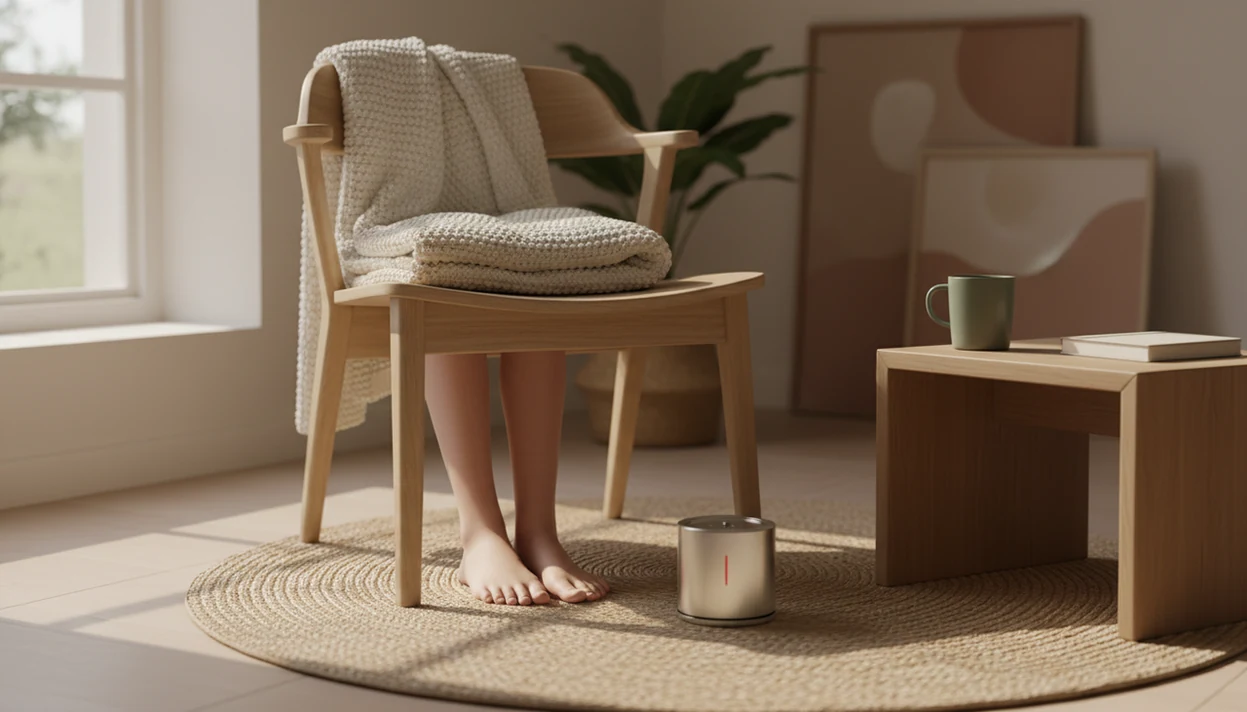
Image caption idea: a beginner seated on a chair with feet grounded, timer nearby, and relaxed hands, practicing mindfulness meditation.
If you want a printable version, use a mindfulness checklist for beginners before your first week.
Mindfulness meditation attention-training loop
Mindfulness meditation works through a simple attention-training loop: choose an anchor, notice distraction, and return gently. The repetition is the training, not evidence that you are doing it wrong.
The anchor might be breathing, the feeling of feet on tile, sounds in the room, or body contact with a chair. After a few breaths, the mind will likely move somewhere else. Planning dinner. Replaying a sentence. Wondering whether the timer is broken.
Then you notice and return.
The light technical term is “attentional control,” which means practicing where attention goes after it has been pulled away. Nonjudgment matters because it reduces the secondary struggle. You are not only feeling tension, then criticizing yourself for feeling tension. You are learning to notice what is already present with less extra friction.
Good mindfulness practices and meditation techniques for beginners and daily life deliver repeatable attention training, not instant calm or a substitute for care.
Five-minute mindfulness meditation session for today
Use this five-minute mindfulness meditation session today if you want a concrete first try. Guided audio and silent practice can follow the same structure.
- Set a timer for 5 minutes. Use a soft sound if possible.
- Sit or stand in a stable, comfortable posture. Let your shoulders drop a little.
- Rest attention on one anchor. Try breathing, body contact, or the cool air at the nostrils.
- Notice when the mind wanders. Label it quietly as “thinking” if that helps.
- Return gently without scolding yourself. Begin again with the next breath.
- Close by naming one thing you noticed. It might be tension, warmth, boredom, or sound.
For a guided option, let a teacher’s voice give the reminders. For silent practice, use the timer only. If you need more detail, the basic sequence is similar to learning how to meditate.
Seven-day mindfulness meditation plan for beginners
A seven-day plan helps you start mindfulness meditation without deciding from scratch every morning. Success means showing up, not feeling calm every time.
| Day | Minutes | Practice | Success cue |
|---|---|---|---|
| 1 | 5 | Breath awareness | You noticed one full breath |
| 2 | 5 | Breath plus posture check | You felt the body sitting |
| 3 | 5 | 3-minute body scan plus 2 minutes breathing | You found one tight or soft area |
| 4 | 5 | Guided mindful meditation | You followed one instruction |
| 5 | 5 | Mindful walk | You felt steps or balance |
| 6 | 7 to 10 | Silent sitting | You returned after distraction |
| 7 | 5 to 10 | Repeat the most doable practice | You chose what felt repeatable |
The body scan day may reveal tight calves against the mattress or a jaw you did not know you were holding. Keep it ordinary. A fuller first week meditation plan can help if you like structure.
Common mindfulness meditation mistakes
The most common mindfulness meditation mistakes come from trying too hard, going too long, or ignoring signals that you need more support. A good beginner practice should feel repeatable and basically safe, not heroic.
- Expect wandering instead of a blank mind. Thoughts will show up. The practice is noticing them and returning, even if you do that fifty times.
- Start smaller than your ambition. A 5-minute session you repeat is usually more useful than a 30-minute plan you avoid by day three.
- Stay with one anchor for the session. If boredom appears, notice boredom as part of the practice before switching from breath to sound to body to walking.
- Use meditation as support, not escape. Mindfulness can help you notice stress patterns, but it should not replace therapy, medication, crisis care, or honest conversations with people who can help.
- Stop when practice feels destabilizing. If panic, dissociation, traumatic memories, or worsening distress build during meditation, open your eyes, change posture, shorten the session, or stop. Seek qualified support if those reactions continue.
Guided mindfulness meditation versus silent mindful meditation
Guided mindfulness meditation is useful for structure and reassurance, while silent mindful meditation is useful for simplicity and self-directed practice. Beginners often benefit from alternating both during the first week.
| Option | Best for | Possible drawback | Beginner starting point |
|---|---|---|---|
| Guided meditation | Structure, reminders, first-week confidence | Too much talking can feel distracting | 5 minutes with one clear teacher |
| Silent meditation | Flexibility, quiet, learning to return alone | Beginners may feel unsure what to do | 3 to 5 minutes with a timer |
| Video or audio | Visual cues, bedtime routines, app support | Screens can pull attention outward | Use audio only if the screen distracts |
Videos and audio can help, but they are not required. Apps such as Mindful.net, Calm, and Headspace can be useful when you want a guided library, but a timer and a chair are enough to begin. If you use the Mindful.net Mindfulness Practices App, choose one beginner track and repeat it for a week before browsing the full library. That keeps the app from becoming another decision to manage.
Mindfulness meditation micro-practices for daily life
Micro-practices are short moments of mindfulness during normal life. They do not replace every formal session, but they make the habit easier to remember.
- One-minute email pause: Before opening your inbox, feel your feet and take a few breaths.
- Three-breath reset: Use it before a meeting or difficult conversation.
- Mindful sip: Notice warmth, smell, and swallowing with coffee or tea.
- Room-to-room walking: Feel the first three steps instead of rushing ahead mentally.
- Shower or handwashing practice: Notice temperature, pressure, and movement.
A calendar alert after a long meeting can become a reminder to breathe before the next task. Very small counts. For many beginners, a one-minute pause is easier to repeat than a plan that only works on ideal days. More examples live in our guide to how to practice mindfulness.
Mindfulness meditation fit for stress, trauma, and daily habits
Mindfulness meditation fits people who want a simple, secular attention practice, but it is not the right standalone tool for every situation. Match the practice to your needs and support level.
| Best for | Not ideal for |
|---|---|
| Beginners who want a daily attention habit | Crisis situations or active risk of self-harm |
| People seeking a secular way to relate to stress | Untreated severe depression, PTSD, psychosis, or destabilizing symptoms |
| People who can practice consistently in small doses | Anyone using meditation to replace prescribed treatment |
| People who want to notice habits before reacting | People who feel more dissociated or flooded during practice |
Clinicians typically recommend professional support when trauma history, severe anxiety, dissociation, or distressing reactions show up during meditation. NCCIH also notes that meditation can cause uncomfortable experiences for some people, so worsening panic, dissociation, or traumatic memories are reasons to stop and seek qualified support NCCIH overview. Mindfulness should not replace therapy, medication, medical treatment, or emergency care.
For stress-related everyday use, mindful meditation usually works best when it is brief, regular, and paired with normal supports like sleep, movement, and social connection.
Limitations
Mindfulness meditation has real limits, and naming them helps beginners use it more safely. Evidence supports some benefits, but the practice is not a medical treatment by itself.
- Benefits usually require regular practice over time.
- Short or inconsistent practice may produce little noticeable change.
- Evidence is stronger for stress and mild symptoms than for serious psychiatric disorders.
- Some people may feel more distress, difficult memories, panic, or dissociation.
NCCIH summarizes meditation benefits and safety with appropriate caution, including possible uncomfortable experiences for some people NCCIH overview. If practice makes symptoms worse, shorten it, open your eyes, change posture, or stop and seek qualified support.
A Smarter First Week
Myth: “If my mind wanders, I’m bad at meditation.”
Reality: noticing the wandering is part of the practice, not a failure of it. For a first week, sitting in an ordinary chair and returning to one breath may be enough.
Myth: “Mindfulness should feel like relaxation right away.”
Reality: mindfulness and relaxation overlap sometimes, but they are not the same job. Relaxation aims to soften the system; mindfulness practice often starts by noticing what is already happening.
Myth: “I need a perfect setup before this counts.”
Reality: a kitchen timer, a quiet-enough corner, and two honest minutes can count. The best first-week practice is usually the one you will repeat without negotiating with yourself.
A Field Note on Real Use
Lowest effort: one breath before standing up
This costs almost nothing and may help beginners build the habit of returning. It will not feel dramatic, but it reduces the pressure to create a “real meditation session” every time.
Medium effort: five minutes with a kitchen timer
This tends to give enough time to notice the attention loop without turning practice into a project. If breath focus feels too narrow, a basic Breath Awareness guide can make the object of attention clearer.
Higher effort: a one-line journal after practice
Writing one sentence such as “busy, sleepy, or steady” can reveal patterns across the week. The tradeoff is that tracking can become another performance score, so keep it descriptive rather than judgmental.
What Testing Suggests
One mistake we notice often: beginners try to prove they are calm in the first minute, then decide the practice is not working when ordinary thoughts keep arriving. We usually suggest treating that opening awkwardness as data, not a verdict. A shorter sit in an ordinary chair often seems more useful than a long session filled with self-correction.
Troubleshooting When It Feels Stuck
If mindfulness feels stuck, the problem may be too much ambition rather than too little discipline. Try shortening the session, opening your eyes, or using ordinary sounds as the anchor instead of forcing calm. People practicing around demanding schedules, including shift workers or caregivers, often do better with repeatable cues than with ideal conditions; Mindfulness at Work ideas can also translate practice into short resets between tasks.
Technique Snapshot
| Technique | Best for | Minutes |
|---|---|---|
| Chair-based breath awareness | Starting without special posture or gear | 3-5 min |
| Sound-noting practice | Racing thoughts when the breath feels too tight | 3-10 min |
| One-line journal close | Seeing patterns without overanalyzing the session | 1-2 min |
Mindfulness is not the absence of distraction; it is the repeated return after noticing distraction.
Why Mindful.net fits this specific need
Mindful.net’s beginner guides are designed for low-pressure practice choices rather than one-size-fits-all advice. This starter page connects naturally with Breath Awareness for a simple anchor and Mindfulness at Work for brief, real-life resets when a full session is unrealistic.
FAQ
How do I start meditating?
Set a timer for 3 to 5 minutes, sit comfortably, choose the breath or body as your anchor, and return gently when attention wanders. One short session is enough for a first start.
How long should beginners meditate?
Beginners can start with 3 to 10 minutes and build gradually. Consistency matters more than session length.
Can I meditate lying down?
Yes, lying down is fine if it supports comfort or pain relief. The tradeoff is that you may get sleepy.
Is guided meditation better?
Guided meditation is often easier for beginners because it gives structure and reminders. Silent meditation is better when you want flexibility and fewer outside cues.
Why does my mind wander?
The mind wanders because attention naturally shifts toward thoughts, sounds, memories, and plans. Noticing the wandering and returning is the core practice.
Am I doing meditation wrong?
You are probably not doing it wrong if you notice distraction, boredom, or restlessness. Success in mindfulness meditation is returning to attention, not staying perfectly focused.
What should I focus on?
Beginner-friendly anchors include breathing, body sensations, sounds, walking, or contact with the chair or floor. Choose one anchor per session.
Can mindfulness reduce stress?
Mindfulness may help reduce stress with regular practice, especially for everyday tension and mild symptoms. It is not a cure-all or a replacement for professional care.
When should I stop meditating?
Stop or shorten the session if distress, panic, traumatic memories, or dissociation increase. Seek professional support if these reactions continue or feel unsafe.