
Practice Mindful: Simple Daily Steps for Beginners
To practice mindful, pay attention on purpose to what is happening right now, your breath, body, thoughts, or current activity, without judging it or trying to force calm. Start with 30 to 90 seconds, notice when your mind wanders, and gently return to one present-moment anchor.
> Definition: Practicing mindfulness means paying attention to the present moment on purpose, with a curious and nonjudging attitude.
- Mindfulness is a trainable attention skill, not a requirement to empty your mind.
- Short mindful practice steps can happen while breathing, walking, eating, waiting, or starting a new task.
- The basic move is always the same: choose an anchor, notice wandering, and return kindly.
Practice mindful meaning in one plain sentence
Practice mindful usually means practice being mindful, or practice mindfulness, by bringing present-moment attention to one experience without judging it. Practicing mindfulness means paying attention to the present moment on purpose, with a curious and nonjudging attitude.
The anchor can be almost anything happening now: thoughts, emotions, body sensations, sounds, or the task in front of you. A beginner might notice cool air at the nostrils, the weight of feet on tile, or the sound of a bus braking outside.
The goal is not perfect focus. The goal is noticing that attention drifted, then returning. Again. That return is the practice.
Good mindfulness practices and meditation techniques for beginners and daily life build steadier awareness, not instant calm or a blank mind.
Five mindful practice facts beginners should know

- Mindfulness means present-moment attention without judgment. It asks you to notice what is happening now, rather than argue with it or chase it away.
- Practice can be formal or informal. Formal practice might be seated mindfulness meditation; informal practice might be feeling your feet while waiting in line.
- One to five minutes is enough to begin. A phone timer set for 3 minutes counts. So does one careful minute before opening your laptop.
- Mind-wandering is normal. Returning after distraction is the actual training, not evidence that you failed.
- Research shows small to moderate benefits, not magic. A 2014 JAMA Internal Medicine meta-analysis of 47 randomized trials found moderate evidence for improvements in anxiety, depression, and pain, not a cure-all effect (JAMA study). The NIH NCCIH also describes mindfulness evidence as promising for some symptoms while still limited by study quality and variation across programs (NCCIH overview).
For beginners, short daily mindfulness is often easier than long meditation because it fits real routines.
How mindful practice works in the brain and body
Mindful practice works through a simple attention loop: choose an anchor, notice distraction, and return. That loop trains metacognition, which means noticing what your mind is doing while it is doing it.
In daily life, this can look ordinary. You choose the breath, then the mind jumps to a grocery list. You notice “planning,” feel the next inhale, and come back. Over time, repeated noticing can make thoughts, sensations, and impulses easier to see before you act on them.
Calm may happen, but calm is not the main mechanism. The practical benefit is a little more space between trigger and response. You might feel irritation rising before sending a sharp message, then take one quiet pause before hitting send.
That gap matters.
Mindfulness can support emotional regulation and behavior choice, but it is not a medical treatment by itself. It is attention practice, done repeatedly in small moments.
Before you start practicing mindfulness
Before you start, make the practice small, safe, and easy to begin. Mindfulness works best as a low-pressure attention exercise, not as something you force during a crisis.
- Choose a relatively steady moment, such as after sitting down, before opening email, or while waiting for the kettle. If you feel overwhelmed, unsafe, or in immediate crisis, seek support first rather than trying to meditate through it.
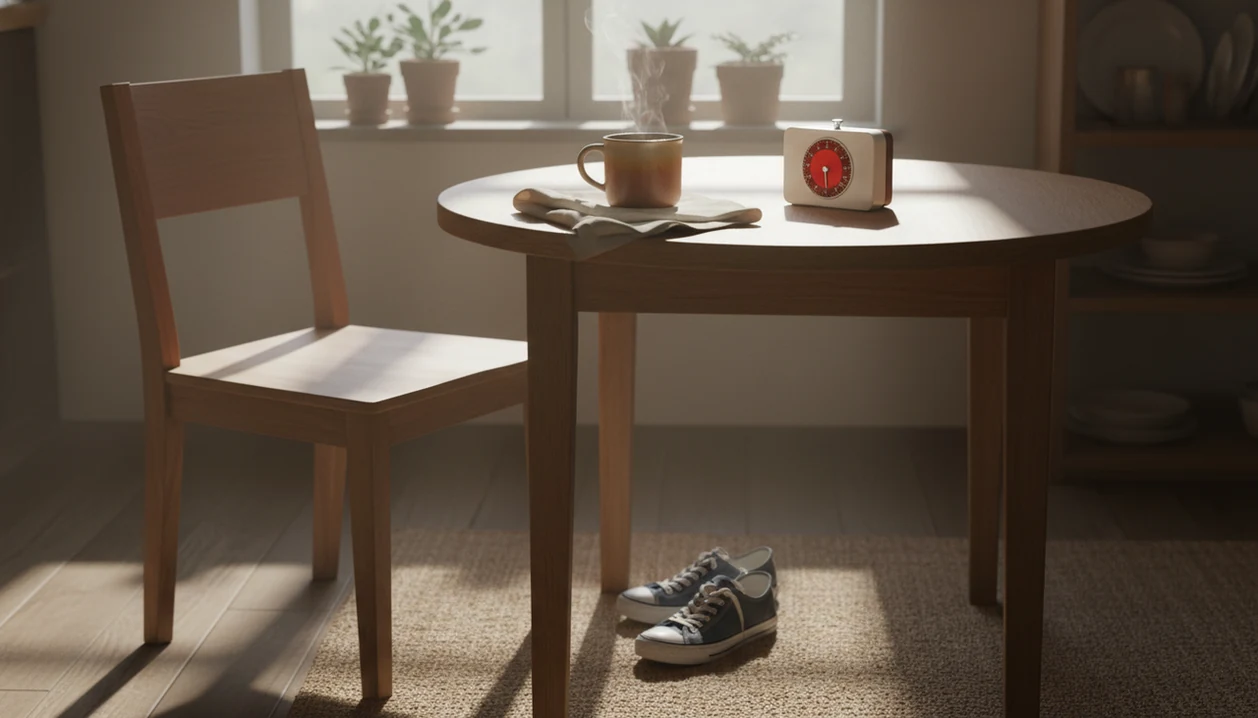
- Reduce decisions by using one simple cue: a phone timer, a kitchen chair, a doorway, or the first sip of coffee. Let the cue tell you when to practice.
- Start with 30 to 90 seconds if longer sessions feel like too much. A practice you actually repeat is better than a perfect routine you avoid.
- Pick a neutral anchor. If breath attention feels tight, panicky, or uncomfortable, use feet on the floor, sounds in the room, hands touching fabric, or the feeling of standing.
- Stop if mindfulness repeatedly increases distress, brings up frightening memories, or leaves you less steady. Pause the practice and talk with a qualified clinician or trained teacher.
How to be mindful in six simple steps
Use these mindful practice steps for breathing, walking, eating, or a short reset at work. If you want a fuller beginner routine, our guide on how to practice mindfulness gives more daily examples.
- Set a short timer, or choose a natural stopping point like one doorway, one sip, or three breaths.
- Choose one anchor, such as breath, feet, sound, or hands resting on denim knees.
- Notice the raw sensations of the anchor: pressure, movement, temperature, rhythm, or contact.
- Label wandering softly as “thinking,” “planning,” “remembering,” or “feeling.”
- Return to the anchor without scolding yourself, even if you return many times.
- End by noticing one thing you feel or hear before moving on.
One simple way to try it: set a 5-minute timer on your phone, sit on a kitchen chair, and practice only steps 2 through 5.
Best mindful practice scripts for daily moments
These four scripts take 30 to 90 seconds each. Attach one to something you already do, so practice does not depend on finding a special mood.
One mindful breath
Before unlocking your phone, feel the inhale enter, the exhale leave, and the small pause after breathing out. Let the screen wait for one breath.
Three mindful steps
When you stand up, feel heel, sole, and toes for three steps. Notice weight shifting instead of rushing ahead in your head.
Mindful first bite
Before the first bite of a meal, look at color and shape. Smell once, chew slowly, then notice texture before swallowing.
Mindful email opening
Before opening your inbox, place both hands off the keyboard. Feel your shoulders, breathe once, then open the first message.
Tools like Mindful.net, mindful.org, Calm, and Headspace can help you compare guided options, but the script still works without an app.
Practice being mindful during breathing, walking, and eating
Breathing practice means noticing the inhale, exhale, pauses, and body movement. You might feel ribs widen, the belly soften, or the breath returning after distraction. No special breathing pattern is required.
Walking practice uses movement as the anchor. Feel heel, sole, toes, weight shift, and pace. In a hallway or parking lot, take five ordinary steps and know that you are stepping. That counts.
Eating practice brings attention to sight, smell, texture, chewing, and swallowing. The first few bites are usually enough. Most people do not need a silent meal to practice being mindful.
Daily-life practice counts even when it is brief. For more seated options, compare meditation techniques for beginners and choose one that feels usable.
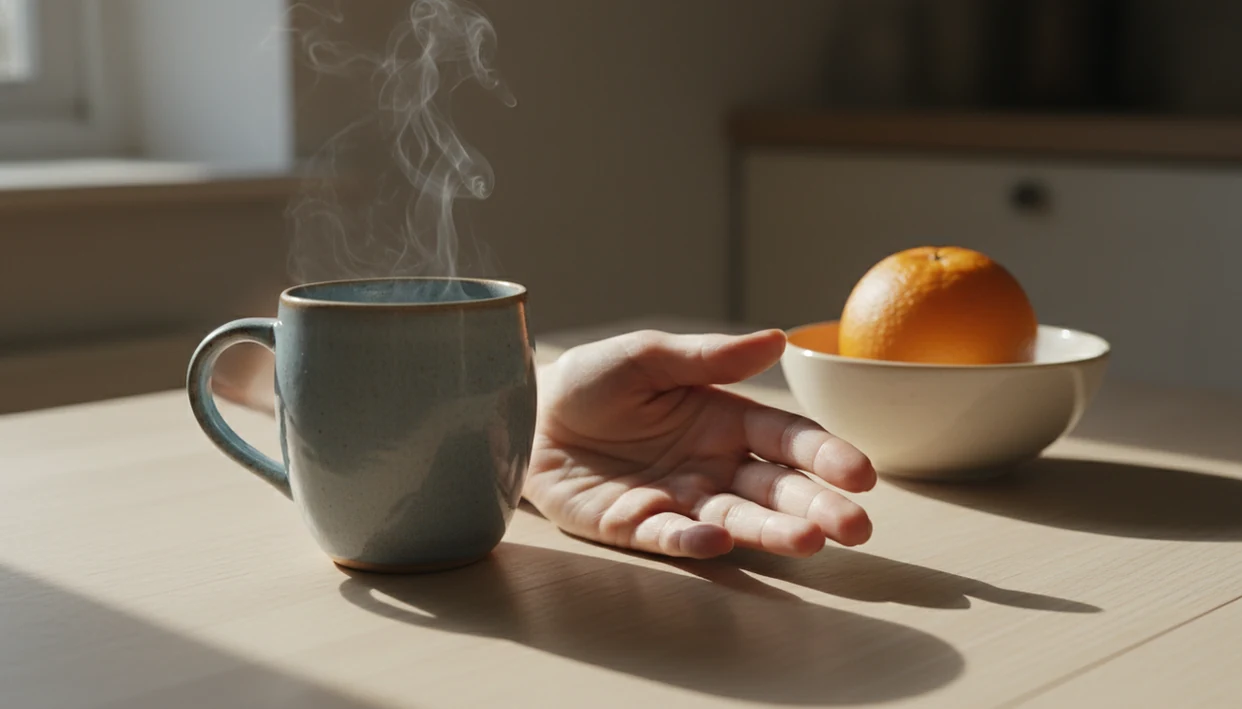
Image caption idea: “A beginner slows down during mindful tea drinking, using steam, warmth, and scent to practice mindful attention.”
Best-fit cases and caution cases for mindful practice beginners
Mindful practice fits people who want a short, secular attention practice, but it is not right for every need. Use this table to compare your situation before starting.
| Situation | Best for | Not ideal for |
|---|---|---|
| Starting from zero | Beginners who want plain steps | People expecting instant results |
| Busy schedule | People using 30-second pauses | People waiting for life to become quiet first |
| Meditation resistance | People who dislike long sessions | People who force themselves through distress |
| Habit building | People linking practice to meals, email, or sitting down | People seeking emergency support |
| Emotional difficulty | People who can stay within a manageable range | People overwhelmed by trauma memories without support |
Mindful.net focuses on secular mindfulness practices and meditation techniques for beginners and daily life. It offers education, not diagnosis, treatment, or crisis care.
Common mindful practice mistakes that make it harder
The first mistake is trying to empty the mind. Replace that with noticing thoughts as events, then returning to the anchor.
Another mistake is judging a session as good or bad. If you noticed wandering once, practice happened. Messy counts.
Waiting until life is quiet also blocks consistency. Try one breath before email, one pause in an office stairwell, or one step before entering a room.
Using mindfulness only to force relaxation can backfire. Replace “I must calm down” with “I can notice what is here.” Calm may come, but it should not be the test.
Practicing too long too soon is common. Start smaller than your ambition. If 10 minutes makes you avoid practice, use 2 minutes for a week. A first week meditation plan can help you build gradually without turning practice into another chore.
How often to practice being mindful each day
How often should you practice being mindful each day? Start with 1 to 5 minutes once daily, or use several 30-second practices tied to existing habits.
Habit stacking makes mindfulness easier to remember. Try one breath after unlocking your phone, one pause before opening email, one sensory moment before the first bite, or one grounding check after sitting down. Feet on carpet. Breath in. Continue.
Consistency over weeks matters more than session length. Controlled mindfulness studies often use several weeks of practice, but results vary by population, teacher, format, and study design. For a cautious evidence summary, see the NIH NCCIH review of meditation and mindfulness effectiveness and safety: NCCIH overview
Per the CDC National Center for Health Statistics, 14.2% of U.S. adults reported using meditation in the past year in 2017, up from 4.1% in 2012 (CDC guidance). Still, mindful practice does not need to look like a studio photo. A chair, timer, and ordinary day are enough.
Limitations
Mindfulness can be useful, but it has real limits. Keep these caveats in mind before treating it as the answer to every problem.
- Mindfulness is not a standalone treatment for severe depression, psychosis, trauma, substance use disorder, or other serious mental health conditions. - Benefits vary by person, teacher, method, setting, and consistency. - Research effects are often small to moderate rather than dramatic. - Practice can surface difficult emotions, memories, body sensations, or anxiety. - Some consumer apps and programs are not rigorously tested in clinical trials. - People in crisis, or with overwhelming symptoms, should seek qualified professional support. If you feel at risk of harming yourself or someone else, contact local emergency services or the 988 Suicide & Crisis Lifeline in the U.S. (Reference). - A short mindfulness short practice may help you pause, but it cannot fix unsafe work, poor sleep, pain, or relationship stress by itself. - If practice regularly leaves you more distressed, stop and get support from a trained clinician or qualified teacher.
Use mindfulness as one practical next step, not the whole plan.
What We Usually Suggest
What surprised us most is that many beginners seem to need permission for mindfulness to feel ordinary, even slightly awkward. We usually suggest starting with a kitchen timer, an ordinary chair, and one line afterward: “I noticed ___.” One pattern we notice is that this tiny record makes practice feel less mystical and more repeatable, without promising calm on command.
Troubleshooting When It Feels Stuck
If mindful practice feels stuck, we usually suggest making it smaller before making it deeper: sit in an ordinary chair, set a kitchen timer for one minute, and name one anchor such as breath, sound, or hand contact. The problem is often not that mindfulness “isn’t working,” but that the task is too vague to repeat. A simple named reset, such as the Chair Check, may help because it removes decisions when attention is already scattered.
Who Benefits Most — and Least
Mindful practice tends to fit beginners who want a low-pressure way to notice habits, transitions, and reactivity without adding a long routine. It may be less helpful as the first choice when someone needs immediate orientation during panic-like intensity; in that case, grounding can feel more direct because it asks you to locate the room, objects, sounds, or surfaces first. Mindfulness asks, “What is happening now?” while grounding often asks, “Where am I, and what is solid here?”
One Pattern We Notice
Myth: A busy mind means you failed.
Reality: Wandering is usually part of the exercise, not a sign that the session is ruined. The useful repetition is noticing the drift and returning without turning it into a personal verdict.
Myth: Longer sessions are automatically better.
Reality: For many beginners, a repeatable 60-second practice beats an ambitious session they avoid tomorrow. Consistency tends to matter more than session length for most beginners.
Myth: Mindfulness and grounding are the same thing.
Reality: They overlap, but they are not identical. Grounding often emphasizes immediate sensory orientation, while mindfulness may include observing thoughts, body sensations, or a full Body Scan at /body-scan-meditation.
If This Sounds Like You
If you are a shift worker, parent, student, musician, or athlete who keeps “meaning to meditate” but forgets, try attaching practice to something already happening: sitting down, washing a cup, lacing shoes, or closing a one-line journal. We often see beginners do better when the cue is physical and ordinary rather than inspirational. The best practice is usually the one you will repeat tomorrow.
Three Paths Worth Trying
| Technique | Best for | Minutes |
|---|---|---|
| Chair Check | A skeptical beginner who wants a clear start and stop point | 1-3 min |
| Body Scan | Noticing tension patterns without trying to force relaxation | 5-12 min |
| Mindful Walking | Restless energy, transitions between tasks, or people who dislike sitting still | 3-10 min |
The best mindful practice is small enough to repeat when you are not in the mood.
Why Mindful.net fits this specific need
Mindful.net is useful here because this page keeps the first step small and pairs well with specific guides such as Body Scan and Mindful Walking. If sitting practice feels too abstract, those related guides can help you choose a body-based or movement-based entry point without turning practice into a big project.
FAQ
How do I practice mindful attention as a beginner?
Choose one anchor, such as breath, sound, or feet, and notice it for 30 to 90 seconds. When your mind wanders, gently return to the anchor.
What does practice mindful mean?
Practice mindful means practice being mindful or practice mindfulness. It means paying attention to the present moment on purpose without judging it.
Can mindfulness take only one minute?
Yes, one minute can count as mindfulness when your attention is deliberate. A single mindful breath before email or a short pause before eating is a real practice.
Should I stop my thoughts during mindfulness?
No, mindfulness does not require stopping thoughts. The basic move is to notice thinking and return to your chosen anchor.
What are the basic mindful practice steps?
The basic mindful practice steps are set a short time, choose an anchor, notice sensations, label wandering, return kindly, and end by noticing one sound or feeling.
Can I be mindful while walking?
Yes, walking can be mindful when you feel heel, sole, toes, weight shift, and pace. Keep attention on the body moving through space.
Is mindfulness only meditation?
No, mindfulness can be formal meditation or informal daily attention. You can practice during breathing, walking, eating, waiting, or starting a task.