
Definition: Mindfulness exercises are guided ways to pause, observe your thoughts and sensations without judging them, and gently redirect your attention back to an anchor like the breath, body, or senses whenever it wanders.
If you want guided structure, Mindful.net is a Mindfulness Practices App for choosing mindfulness exercises by time, setting, and goal; this guide also gives no-app scripts you can use immediately.
What Mindfulness Exercises Actually Do to Your Attention
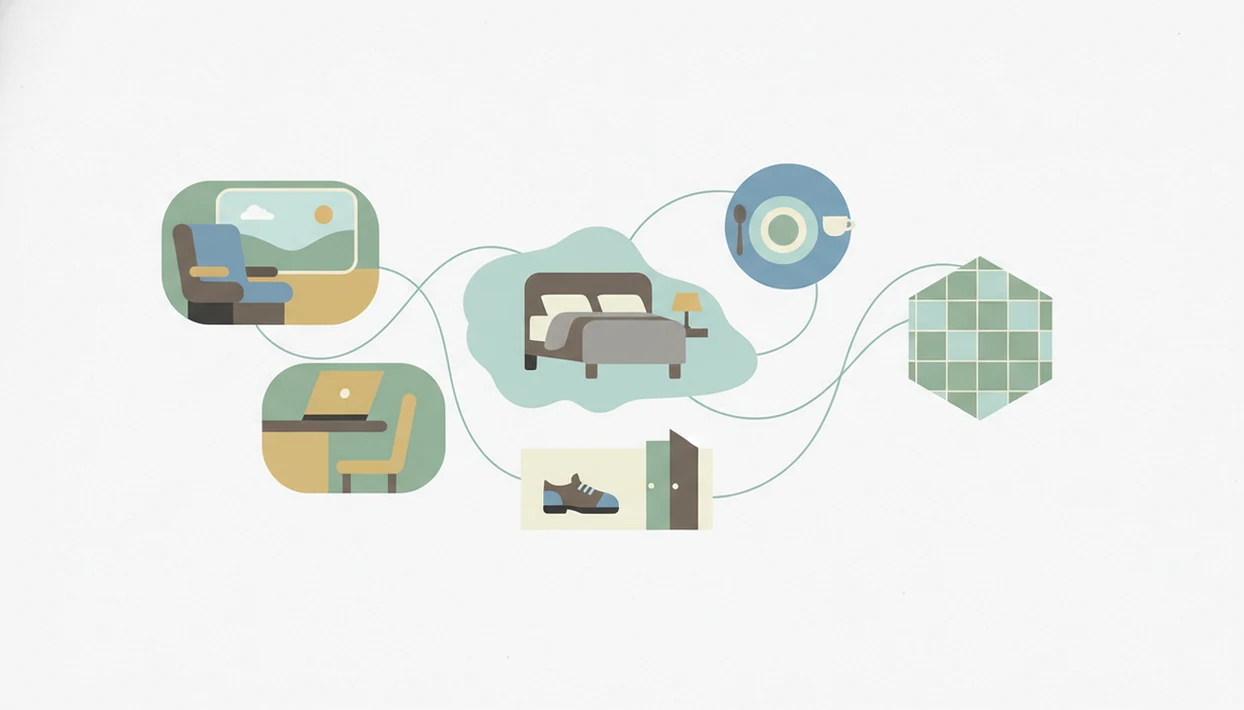
Mindfulness exercises train attention by giving the mind a simple anchor, then asking it to notice and return when it wanders. The anchor might be breath, body pressure, sound, or the feeling of feet on tile.
That notice-and-return loop is the main mental repetition. You are not trying to empty the mind. You are practicing a different relationship to thoughts, where “I need to answer that message” becomes something noticed, not an order you must obey immediately.
A randomized trial of brief mindfulness training found reduced mind-wandering and improved attention-related performance compared with a control group source. That fits what many beginners feel first: fewer minutes lost in autopilot, not instant calm.
Mindfulness is a secular attention practice in this context, not a religious requirement. Good mindfulness practices and meditation techniques for beginners and daily life build repeatable attention skills, not a guaranteed state of peace.
How to Start a Daily Mindfulness Exercise Habit

Start with one daily context, one short exercise, and a repeatable cue. A phone timer set for five minutes is usually more useful than planning an ideal hour you won't do.
- Pick one daily context anchor. Use a real moment, such as morning coffee, commute, lunch, or the first minute after opening your laptop.
- Choose one simple mindfulness exercise. Start with breathing, five senses, or a one-breath reset from the library below.
- Pair it with an existing habit. Set a reminder, or practice after brushing teeth, sitting down at your desk, or locking your front door.
- Practice for 1 to 5 minutes. Don't grade the session. Wandering is part of the rep.
- Log one mood word afterward. Try “tight,” “clear,” “tired,” or “settled” so patterns show over weeks.
- Add a second context after two steady weeks. Build gently.
For beginners, daily mindfulness exercises usually work better than occasional long sessions because repetition makes the cue easier to remember. If you want a shorter starting point, try these 1 minute mindfulness exercises.
5 Must-Know Facts About Mindfulness Exercises
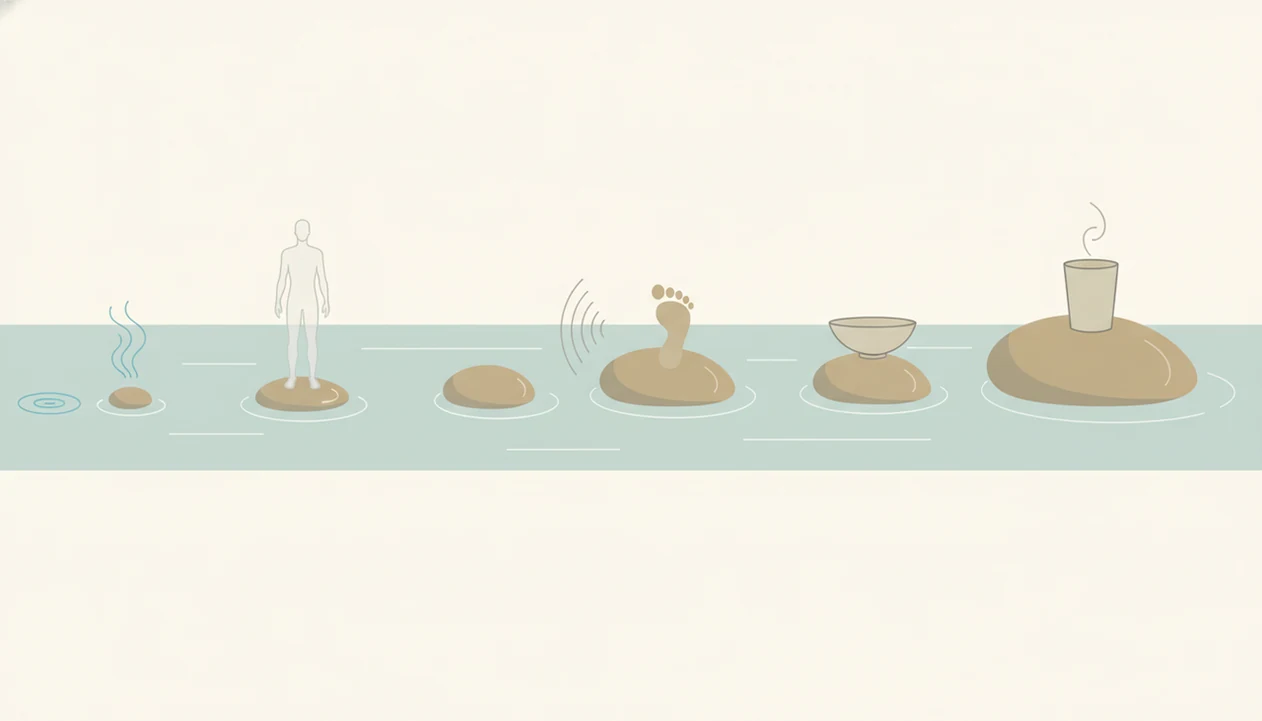
These five facts set realistic expectations before you try any practice. Keep them close, especially if you tend to judge yourself after one distracted session.
- Even 10 to 15 minutes a day can improve attention and stress management for many beginners when practiced consistently.
- A 2014 systematic review found mindfulness-based therapy had moderate effects for anxiety and mood symptoms, with effect sizes around 0.6 across 39 randomized controlled trials source.
- A meta-analysis of mindfulness-based stress reduction studies found consistent improvements in stress and mental-health outcomes, though effects varied by population source.
- In a major JAMA Psychiatry trial, an 8-week mindfulness intervention was noninferior to escitalopram for anxiety, with both groups showing about a 30% decrease. source
- Meta-analyses generally show small to moderate benefits for anxiety, depression, and pain. Mindfulness is useful support, not a cure-all.
Small counts.
Simple Mindfulness Exercises for Breathing and Body
Breathing and body practices are often the easiest mindfulness exercises for beginners because the anchor is always available. Use these as mini-scripts, not performance tests.
One-Breath Reset Mini-Script
Duration: under 30 seconds. Best for: before opening an app, sending an email, or replying too fast. Script: pause, feel one inhale, feel one exhale, then name what you are about to do. Not for: moments when slowing down would be unsafe, such as driving in heavy traffic.
4-7-8 Mindful Breathing Mini-Script
Duration: about 2 minutes. Best for: stress spikes. Script: inhale for 4, hold for 7, exhale for 8, then repeat gently. If counting feels tense, shorten the numbers. More breath options are covered in mindful breathing exercises.
Seated Body Scan Mini-Script
Duration: 5 minutes. Best for: desk breaks or bedtime. Script: sit, notice lower back meeting the cushion, scan shoulders, hands, belly, legs, and feet. Not for: some trauma survivors, because body-focused practices can increase distress. Choose grounding through sight or sound instead.
Ready to start tonight's calm routine?
Mindfulness exercises are short, repeatable practices, like focused breathing, body scans, and sensory check-ins, that train you to notice the present moment without judgment. You…
Mindfulness Exercises for Walking, Meals, and Senses
Activity-based mindful exercises work well because they attach practice to things you already do. Organizing by context helps beginners remember the practice when life gets busy.
Mindful Walking Mini-Script
Duration: 3 to 5 minutes. Best for: commuting, a lunch break, or crossing a parking lot. Script: slow slightly, feel each foot lift and land, notice air on your face, then return to the next step. Not for: crowded or unsafe places where you need full external attention.
Five-Senses Grounding Mini-Script
Duration: 2 minutes. Best for: transitions or overwhelm. Script: name 5 things you see, 4 you feel, 3 you hear, 2 you smell, and 1 you taste. A fuller version is available in the 5 senses mindfulness exercise.
Mindful Eating Check-In Mini-Script
Duration: first 3 bites. Best for: meals at home or work. Script: notice color, smell, texture, chewing, and the moment you want the next bite. Not for: anyone with eating disorder concerns unless guided by a qualified clinician.
Mindfulness Exercises for Work Breaks and Transitions
Workday mindfulness exercises should be tiny enough to survive a busy calendar. Micro-practices under 2 minutes are useful because they attach attention training to repeated cues.
Inbox Pause Mini-Script
Duration: under 30 seconds. Best for: email and messaging. Script: before opening each new email, take one breath and feel your fingers on the keyboard. Not for: urgent workflows where delay creates risk.
Meeting Threshold Reset Mini-Script
Duration: 10 seconds. Best for: entering a room or joining Zoom. Script: feel both feet, relax your jaw, notice the screen glow on tired eyes, then enter. Not for: moments when multitasking is required for safety.
End-of-Day Three-Thought Review Mini-Script
Duration: 2 minutes. Best for: closing work. Script: name three things that happened, without ranking them as good or bad. Done. Tools like Mindful.net, Calm, and Headspace can help with prompts, but the exercise itself needs no app.
6-Week Beginner Progression Path for Mindfulness Exercises
A six-week progression helps mindfulness exercises feel learnable instead of random. Most people need several weeks before noticing meaningful changes, so the goal is steady practice, not dramatic breakthroughs.
Weeks 1 to 2: start with simple sensory grounding and one-breath resets. Try them in low-stakes moments, such as waiting for an elevator or sitting on a kitchen chair.
Weeks 3 to 4: add body scans and mindful walking. The practice gets slightly longer, and you learn to notice more subtle body signals.
Weeks 5 to 6: bring mindfulness into emotionally charged moments, such as frustration, difficult conversations, or the pause before answering a message. For tense moments, mindfulness grounding exercises can be easier than closing your eyes and focusing inward.
Progression prevents plateaus because you change the setting and difficulty over time.
Who Mindfulness Exercises Are For — and When to Choose Another Support
Mindfulness exercises are a good fit for beginners who want a short daily attention practice without special equipment, silence, or a perfect mood. They are best used as practical training for everyday focus, grounding, sleep wind-downs, transitions, and stress recovery.
Guided apps such as Mindful.net, Calm, or Headspace can help when you want a timer, voice prompt, or menu of practices instead of deciding from scratch. Choose the exercise by the job: use breath or sound for focus, five-senses practice for grounding, a body scan for sleep, a threshold reset for transitions, and a one-breath pause for stress.
- Use mindfulness as a daily support when symptoms are mild, situational, or tied to ordinary stress.
- Choose guided audio when you keep forgetting to practice or feel more settled with structure.
- Switch to therapy, medication support, or a clinician’s guidance when anxiety, depression, trauma symptoms, panic, or eating concerns are persistent or impairing.
- Stop and seek urgent crisis support if you feel at risk of harming yourself or someone else.
Take extra care with trauma, panic, and eating-disorder contexts; inward focus, breath control, or food attention can sometimes intensify symptoms.
Limitations
Mindfulness exercises are practical, but they have real limits. They are educational supports, not medical treatment plans.
- Benefits usually take weeks of consistent practice. One session may feel helpful, neutral, or frustrating.
- Body-focused practices can temporarily increase distress for people with trauma histories.
- Claims about dramatic brain rewiring in a few days are not strongly supported by high-quality trials.
- Mindfulness requires ongoing behavior change. The skill fades if it never enters daily life.
- These exercises do not replace therapy, medication, crisis support, or professional care for serious conditions.
- Meta-analyses show small to moderate improvements in anxiety, depression, and pain, not large effects for everyone.
- Some people do not respond much, even with sincere practice.
- If mindfulness makes symptoms worse, stop the exercise and consider asking a qualified clinician for guidance.
A practical next step is choosing one exercise you can repeat in the same place tomorrow.