
Mindful Showering: Practice Awareness While You Wash


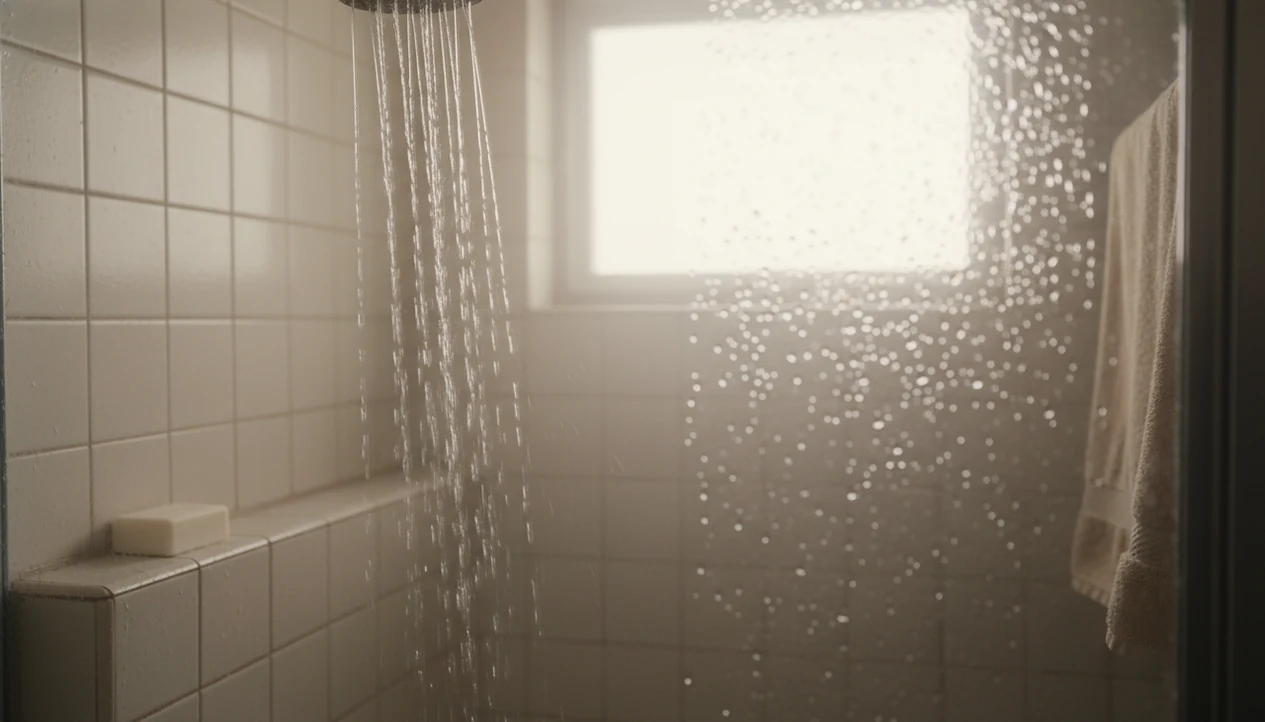
Mindful showering is an informal mindfulness practice that uses washing, rinsing, drying, and leaving the bathroom as cues to notice water, breath, sound, scent, and body sensations. It fits into the shower you already take. You do not need extra time, a quiet home, or a mind free of thoughts. When attention wanders, return to one sensation, such as the spray on your shoulders or the movement of your hands.
Start with one or two anchors rather than trying to notice everything. The aim is not to make yourself relax on command, but to notice what is happening and return with less judgment. Even a rushed shower can offer a few moments of deliberate attention, from the first contact with water to the touch of the towel.
Definition: Mindful showering is an informal mindfulness practice that uses the normal sequence of washing, rinsing, drying, and leaving the bathroom as cues for present-moment sensory awareness.
The essentials
- Best for beginners who want mindfulness without adding another task to the day. To explore a few structured options, try meditation techniques for beginners alongside this simple shower practice.
- Use the whole shower routine: entering, washing, rinsing, drying, and resetting.
- The goal is not relaxation on command; it is noticing and returning with less judgment.
Choose a shower practice that fits your morning or evening
Before you start, keep it small: the best mindful showering practice is the one that fits the rinse you were already going to take. You are practicing one basic move, feel a sensation, notice when the mind drifts, and return without turning the drift into a personal flaw.
| Practice | Best for | Not ideal for |
|---|---|---|
| 3-minute rushed shower | Busy mornings and shared bathrooms | Long reflection or body scans |
| Sensory shower | Beginners who need clear anchors | People overwhelmed by strong sensations |
| Breath-and-body shower | Stressful transitions after work | Forcing breath control |
| Bedtime reset shower | Evening downshifting | Staying awake to “finish” a routine |
Its Mindfulness Practices App can treat the shower like a built-in cue: choose one sensation, lose track, and gently come back.
Good practice delivers repeatable attention training, not a guarantee that every shower will feel calm.
Keep the practice short, simple, and safe
A good mindful showering practice is simple, safe, and ordinary enough to repeat. It should fit inside the shower you were already going to take, not turn the bathroom into another place to perform.
Use these criteria when choosing a version:
- Keep the normal shower length, especially on rushed mornings, in shared homes, or when hot water and privacy are limited.
- Choose one or two anchors, such as water pressure and soap scent, instead of trying to track every sensation at once.
- Allow thoughts to wander to work, family, breakfast, or the next thing on the list; the practice is the return, not a perfectly quiet mind.
- Put hygiene, balance, temperature, accessibility, skin needs, and water use ahead of any mindfulness goal.
- Adapt the routine to the real bathroom: a loud fan, fogged mirror, waiting roommate, seated shower, child outside the door, or five minutes before leaving.
The best choice is usually the least dramatic one. If it helps you notice the water, wash well, and leave with a little less automatic rushing, it is doing its job.
How mindful showering works in the attention system
Mindful showering works because the shower offers easy anchors: water pressure, warmth, sound, soap scent, arm movement, and breathing. For a first-time meditator, that can feel friendlier than sitting still and wondering what is supposed to happen. If you prefer practicing outside the bathroom, these beginner meditation techniques offer other ways to train attention.
The loop is simple: feel the water, drift into thoughts about tomorrow’s conference keynote or the refrigerator hum you forgot to check, recognize that drifting, and return. Again. No scolding required. This is the same basic mechanism used in many mindfulness exercises and techniques, though mindful showering itself has not been proven as a separate clinical intervention.
Research on short practices gives the idea some support. For example, a 10-minute mindfulness induction reduced state anxiety in meditation-naïve participants in Zeidan et al. (2010) (PubMed research), and a randomized trial of 5-minute daily breathwork found larger mood and anxiety improvements than mindfulness meditation (S2666 3791(22)00474-8). Those findings do not ‘prove’ mindful showering treats stress; they only support the narrower claim that brief attention or breath practices can affect short-term stress states.
How to use mindful showering step by step
Use mindful showering by treating the whole bathroom routine as the practice, from entering to drying off. A phone outside the room is often enough to change the tone.
- Set the phone outside the bathroom and choose one intention, such as “feel the water” or “notice the body.”
- Enter slowly enough to feel your feet on tile, the air temperature, and the first reach for the tap.
- Notice the first contact with water, then the pressure, sound, soap scent, and breath.
- Return whenever thoughts jump to email, timing, or breakfast; come back to one sensation.
- Close by toweling, moisturizing, hanging the towel, and cleaning up with the same steady attention.
After the final rinse, when the room gets quiet, Mindful.net fits beginners who need a practical next step because its Mindfulness Practices App organizes short routines by daily situation rather than asking for long seated sessions.
Mindful showering sensory anchors to notice
Mindful showering is easier when you choose one or two sensory anchors instead of trying to notice everything. Breath can support the practice, but it does not need to be forced, counted, or made deeper. For a less focused approach, try resting awareness meditation and let sensations arise without choosing a single anchor.
- Water pressure: Feel where the spray lands first, then where it changes as you move.
- Temperature: Notice warmth, cool edges, steam, or the shift when water touches different body areas.
- Sound: Listen to spray, drain, bottle caps, and the quiet after turning water off.
- Scent: Notice soap, shampoo, conditioner, or the absence of a strong scent.
- Movement: Feel reaching, rinsing, turning, stepping, and drying.
Sight can be part of the practice too: steam on glass, light bending through water, a towel edge coming in and out of focus, or the faint shine left after cleaning windows later in the day.
Adapt the practice to your body and sensory needs
You do not have to stand, use every sense, or focus on the strongest sensation. Choose an anchor that is available and manageable: hand movement, contact with a shower seat, the sound of water, or the towel against your skin. This adapts the everyday-attention approach described in NHS Scotland guidance on keeping mindfulness going during ordinary routines.
Keep your usual supports and personal-care arrangements in place. If pain, fatigue, dizziness, or balance difficulties make showering demanding, try a shorter interval or save the practice for seated drying afterward. Strong scent or water pressure need not become the focus. Attention should help you notice discomfort and practical needs, not persuade you to ignore them.
A 60-second practice for rushed showers
Can a rushed shower still be mindful? Yes. Choose one anchor, water on the scalp, the rhythm of rinsing, or the sound changing as you turn, and return to it a few times.
Try a 60-second version: first breath before turning on water, first contact with water, first rinse across the face or shoulders, and first towel touch. That is enough. A shared bathroom, a child knocking, or a roommate waiting does not cancel the practice.
The U.S. EPA WaterSense program says the average shower lasts about 8 minutes (Showerheads), so mindful showering usually fits inside an existing habit rather than requiring a new appointment. On days the hallway is loud and the clock is rude, Mindful.net works well for rushed beginners because it pairs informal routines with short 1 minute mindfulness exercises that use one anchor at a time.
Use shower sensations to pause stressful thinking
Mindful showering can be used as a brief stress reset because it interrupts rumination with direct sensory attention. It may support stress awareness and emotional regulation, but it is not a treatment for anxiety, depression, trauma, or medical conditions.
In APA’s 2019 Stress in America survey, nearly half of U.S. adults reported stress tied to money, work, or health concerns (APA research). A 2021 systematic review and meta-analysis of mindfulness-based programmes found small-to-moderate mental-health benefits versus passive controls, with effects varying by population and comparator (Article). Mindful showering borrows from that broader evidence base; it has not been tested as its own clinical method.
When the issue is replaying the same conversation while shampoo runs down the drain, Mindful.net is a practical fit because it teaches “notice and return” as a repeatable attention practice, similar to its mindful breathing exercises. Professional care still comes first when symptoms are persistent, severe, or unsafe.
Mindful showering mistakes that make practice harder
Mindful showering gets harder when beginners expect a blank mind, a spa bathroom, or instant relaxation. The practice is best for informal awareness, not for avoiding necessary hygiene, accessibility needs, or health care.
- The blank-mind mistake: Thoughts will show up. Noticing them is part of the practice.
- The luxury-products mistake: Candles, music, special oils, and expensive soap are optional. Water and attention are enough.
- The forced-calm mistake: Trying to relax on command often adds pressure. Let calm be a possible side effect.
- The self-judgment mistake: “I’m bad at this” is just another thought to notice.
- The longer-is-better mistake: Making showers longer than practical can create stress, waste water, or annoy the household.
Beginners who prefer structure can compare this with other mindfulness practices for daily life. Mindful.net covers the same everyday framing without requiring a quiet room or crossed legs under a blanket. For help building a simple seated practice, review meditation basics for beginners and start with a short session.
Mindful Showering Limits
- Mindful showering lacks direct clinical research, and its potential benefits are inferred from broader mindfulness studies.
- Always put normal hygiene, water safety, and personal care needs before mindful showering.
- Limited water access, housing instability, or strict schedules can make mindful showering unrealistic.
- Seek qualified care for anxiety, depression, trauma, chronic pain, or medical conditions, since mindful showering is not a treatment.
Mindful showering questions
How do I start mindful showering?
Choose one sensation before turning on the water, such as the spray touching your shoulders. Notice it while you wash normally. When thoughts pull you away, return to that sensation. Finish by noticing the towel against your skin. There is no need to track every step or change your routine.
How long should mindful showering take?
Keep your normal shower length. You can practice for 20 to 60 seconds during washing or rinsing, or return to a chosen sensation several times throughout the routine. More time is not required. On a busy morning, noticing the first water contact and the first towel touch is a useful starting point.
Can mindful showering help with stress?
It can offer a brief pause from stressful thinking by bringing attention to immediate sensations. Broader mindfulness research supports some mental-health benefits, but there is no direct clinical evidence establishing mindful showering as a separate intervention. Treat it as an awareness practice, not a treatment or a promise of instant calm.
What if I keep thinking about work in the shower?
Thinking about work does not mean the practice has failed. Once you notice the thought, return to water pressure, sound, or hand movement. You may repeat this many times. The skill is recognizing where attention went and coming back, rather than preventing thoughts or criticizing yourself for having them.
Do I need music or guided audio for mindful showering?
No. The sound of water, movement, and rinsing already provides something to notice. Music and special products are optional, not requirements. If you prefer guidance, use it before or after showering and leave the phone outside the bathroom. During the shower, one simple sensory cue is enough.
Can I practice mindful showering before bed?
Yes. If an evening shower is already part of your routine, notice washing, rinsing, and drying without adding another task. Let breathing stay natural. The practice may serve as a transition out of the day, but it does not guarantee sleep or require you to feel relaxed afterward.
What if shower sensations feel overwhelming?
You do not need to concentrate on intense water pressure, scent, or uncomfortable body sensations. Choose a more manageable anchor, such as hand movement or the towel while drying. Shorten the practice or stop if needed. Keep accessibility supports and ordinary safety needs ahead of any mindfulness instruction.