
Build Daily Resilience With Small Mindful Habits
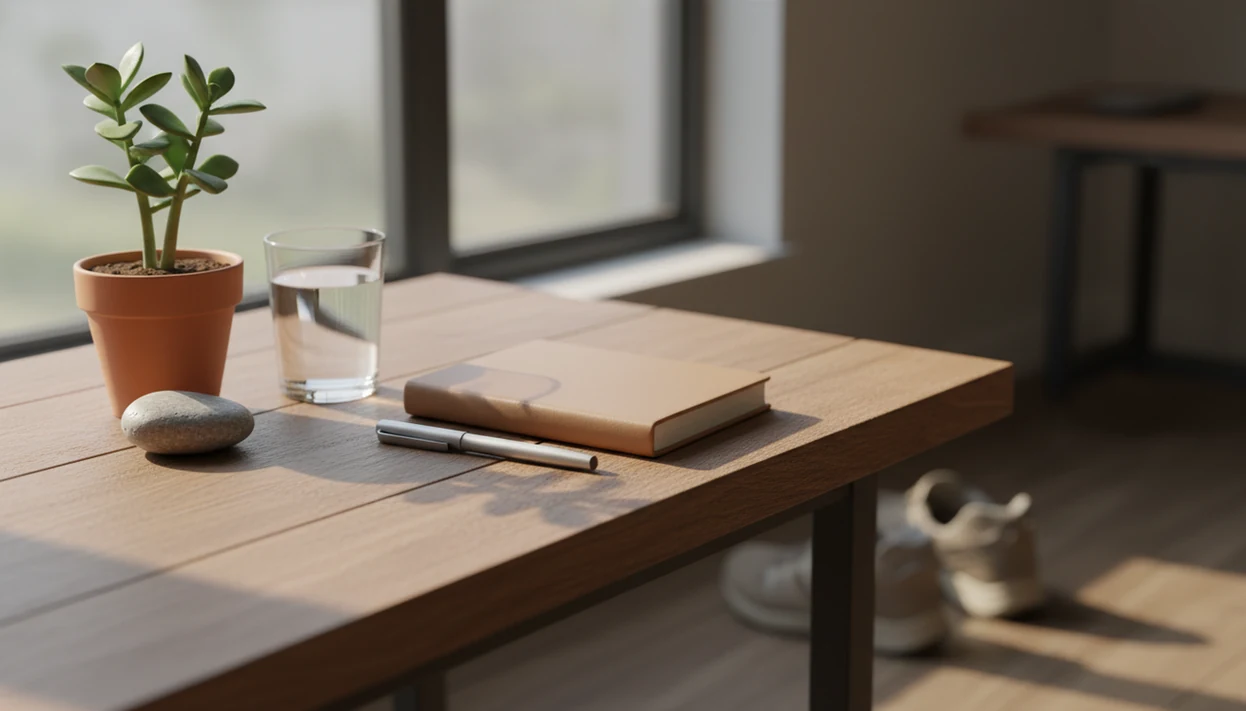
To practice how to build resilience daily, start with small repeatable habits: pause for mindful breathing, notice stress signals early, move your body, protect sleep, and stay connected to supportive people. Resilience is not about never struggling; it is the learnable ability to adapt, recover, and respond more steadily when daily stress or setbacks happen.
> Definition: Building resilience daily means practicing small mental, physical, and social habits that help you adapt to stress, recover after setbacks, and respond with more flexibility over time.
- Resilience is a learnable process, not a fixed trait or a demand to stay positive all the time.
- Mindfulness supports resilience by training attention, emotional awareness, and the pause between stress and reaction.
- The most realistic daily routine combines brief mindfulness, sleep, movement, social connection, planning, and self-compassion.
What daily resilience means when life keeps changing
how to build resilience daily means training recovery through small repeatable practices. It means you build the skill of coming back after stress, not the fantasy of never feeling stress at all.
Daily resilience includes emotional honesty, flexible thinking, practical action, and support from other people. It might look like naming irritation before a tense conversation, taking a three-minute breathing pause before opening a laptop, or asking for help before the day fully unravels.
Building resilience daily means practicing small mental, physical, and social habits that help you adapt to stress, recover after setbacks, and respond with more flexibility over time. Mindful.net is a mindfulness app that teaches mindfulness practices and meditation techniques for beginners and everyday life.
Good mindfulness practices and meditation techniques for beginners and daily life deliver attention training and steadier self-awareness, not instant calm or immunity from hard things.
5 Evidence-Based Facts About Daily Resilience Habits
- Resilience is learnable. The American Psychological Association describes resilience as a process strengthened by relationships, realistic planning, emotion regulation, and self-care according to the American Psychological Association’s resilience guidance: APA research
- Mindfulness can support resilience skills. Breathing practice, body scans, and mindful walking help train attention and emotion regulation, which matter when stress rises.
- The body affects the mind. Sleep, movement, nutrition, and pacing all influence how much daily pressure you can absorb before you snap or shut down.
- Relationships protect resilience. Supportive connection is one of the strongest daily buffers against stress, burnout, and isolation.
- Small habits beat heroic routines. A five-minute practice repeated most days is usually more useful than a 45-minute plan that collapses by Thursday.
Daily stress is common; cite the exact survey behind this figure inline, or remove the 55% number if the source cannot be verified. That makes resilience less like a special project and more like basic maintenance.
Mind-and-Body Stress Cycle Behind Daily Resilience Practice
Daily resilience works by changing what happens inside the stress cycle: trigger, body signal, thought, urge, action, and recovery. A rude message arrives, your chest tightens, the mind predicts trouble, and the urge to fire back appears. The pause is the training point.
Mindfulness means noticing thoughts, emotions, and sensations without immediately obeying them. You might feel the belly rising against a waistband for three breaths, then choose a slower reply. Not dramatic. Useful.
Repetition matters because attention practice strengthens pattern recognition. Over time, the body learns that a stress signal does not always require an automatic reaction. A JAMA Internal Medicine meta-analysis found moderate evidence that mindfulness-based interventions reduce psychological stress in Goyal et al.’s JAMA Internal Medicine review: JAMA study Research on Mindfulness-Based Stress Reduction has also found improvements in perceived stress and related outcomes, though results vary by person and study quality. For a broader review of mindfulness-based therapy outcomes, see Khoury et al.’s meta-analysis: NIH research
Mindfulness usually works best when it is repeated in ordinary conditions, while longer formal practice fits people who already have time and stability.
Before You Start: Make Daily Resilience Practice Safe and Realistic
Before you begin, make the practice small, flexible, and safe enough to repeat. Daily resilience should help you notice stress and choose support, not push you to endure harmful conditions.
- Choose a comfortable practice style. If closing your eyes, sitting in silence, or focusing inward makes you uneasy, keep your eyes open, walk slowly, or ground through sounds, colors, and feet on the floor.
- Set a two-minute minimum. Let two minutes count on busy days, low-energy days, and days when the house is loud or the calendar is packed.
- Name one supportive person now. Decide who you could text, call, or sit near before stress spikes, so you are not trying to build a support plan while overwhelmed.
- Protect your safety first. Do not use breathing, mindfulness, or self-compassion to tolerate abuse, coercion, unsafe housing, or a workplace that is actively harming you.
- Seek clinical support when needed. If symptoms are severe, persistent, trauma-linked, or affecting sleep, work, relationships, or safety, daily practice can sit alongside professional care, not replace it.
5-Step Daily Resilience Routine for Busy Schedules
Use this routine when your schedule is full and your attention is scattered. It can take 10 to 20 minutes total, and it can be adapted for caregiving, shift work, school runs, or a lunch break in a parked car.
- Set a two-minute morning pause. Sit on a kitchen chair, feel your feet on the floor, and take six slow breaths.
- Notice one body signal of stress. Look for jaw tension, shallow breathing, tight shoulders, or a clenched stomach.
- Move for 5 to 20 minutes in a realistic way. Walk around the block, stretch beside the bed, or take stairs slowly.
- Connect with one supportive person or send one honest check-in. Keep it simple: “Today is heavy, but I’m getting through it.”
- Review one hard moment and one useful response before bed. Name what happened, what helped, and what you can adjust tomorrow.
For beginners, a short routine is often easier than a full meditation plan because it fits real friction.
Best-Fit Checklist for a Daily Resilience Guide
Use this checklist to decide whether a daily resilience guide fits your current situation. Mindfulness can be modified, especially if silence, long body scans, or closed-eye practice feel uncomfortable.
| Fit question | Best match |
|---|---|
| Best for | Beginners, everyday stress, work pressure, mild overwhelm, and people wanting secular mindfulness practices. |
| Also useful for | People who want simple routines, reflection prompts, and gentle structure without a major lifestyle overhaul. |
| Not ideal for | Crisis situations, severe distress, active trauma symptoms, or anyone seeking instant transformation. |
| Modify when | Body scans feel triggering, silence increases anxiety, or sitting still makes stress louder. Use eyes-open breathing, walking, or grounding through feet on tile. |
| Get support when | Symptoms are severe, persistent, unsafe, or tied to trauma, panic, self-harm risk, or major functioning problems. |
If you want a broader foundation, our daily mindfulness routine explains how to build short practices into a normal week.
Mindfulness Tips for Daily Resilience in Ordinary Moments
Tiny practices stick better when they attach to moments already in motion. One pattern we notice: a caregiver can take one slow breath while gripping a wet umbrella in an airport queue.
Mindful transitions between tasks
Use task changes as attention cues. Before moving from messages to a call, pause and name one emotion: “rushed,” “annoyed,” or “uncertain.” On a commute, practice mindful walking for one block or one station platform. If news repeatedly spikes stress, set a time limit and avoid checking it during meals or bedtime.
Short practices for stress spikes
When rumination keeps looping, schedule worry time instead of trying to suppress every thought. Set a 10-minute window, write the concern, list one next step, and stop when the timer ends.
The cursor blinking on an email can become a cue. Breathe once, soften the shoulders, then decide whether the message needs speed or care. Tools like Mindful.net, Calm, Headspace, and mindful.org can help with guided options, but the core habit is noticing and returning.
7 Common Mistakes That Weaken Daily Resilience Habits
Resilience gets weaker when the practice becomes another pressure source. These are the mistakes we see most often:
- Forcing positive thoughts. Resilience includes sadness, anger, fear, and grief. It does not require pretending.
- Expecting mindfulness to fix everything. Sleep, relationships, workload, money stress, and trauma may need direct action or professional support.
- Starting too big. A 40-minute morning routine sounds good until the cushion slides on hardwood and you’re already late.
- Skipping support. Trying to handle everything alone removes one of the main protective factors.
- Treating missed days as failure. Restart gently. One skipped practice is not a broken identity.
- Only practicing when calm. Use small cues during mild stress so the habit is available when pressure rises.
- Ignoring recovery. Planning, movement, food, and rest are resilience practices too.
For practical short exercises, a 5-minute mindfulness practice is often enough to restart without drama.
Limitations
Daily resilience practices can help, but they are not a substitute for professional mental health care. The evidence for mindfulness is generally positive, but mixed in quality, and benefits are usually moderate rather than dramatic.
- Long meditation, body scans, or silence may feel triggering or uncomfortable for some people.
- Results are gradual. A few days of practice may not change much.
- Shift work, caregiving, unsafe housing, chronic illness, or financial stress can make routines harder to maintain.
- Social support matters, but not everyone has safe, available, or emotionally reliable relationships.
If you use a Mindfulness Practices App, treat it as structure for practice, not as a replacement for qualified care.
Environmental Setup That Actually Matters
- Do not wait for a perfectly quiet room; daily resilience is easier to repeat when the setup survives normal noise.
- Choose one clear anchor before you begin, such as a steady breath, a hand on the cup, or the sound of water running.
- Keep the session short enough that you would still do it on a difficult day; a two-minute practice often beats an ideal plan you skip.
- Avoid turning the space into a performance zone. If you are trying to look calm, you may miss what your body is actually signaling.
- If mindfulness feels too inward, try grounding first: name a color, feel the floor, or orient to the room before returning to breath.
If This Sounds Like You
If you are a nurse between rounds, a parent hearing your name for the hundredth time, or a musician waiting backstage, resilience practice may need to be brief and ordinary rather than serene. We often suggest starting with one steady breath and one clear anchor, then deciding whether Breath Awareness at /breath-awareness-meditation or a more outward grounding cue fits the moment. The best practice is usually the one that still makes sense when your day is already messy.
One Mistake We Notice Often
One pattern we repeatedly notice is that people make resilience practice too complicated at the exact moment they have the least bandwidth. We usually suggest choosing a short session with one clear anchor, then repeating it in the same ordinary situation for a few days. That does not guarantee calm, but it often makes the next helpful step easier to find.
Consistency tends to matter more than session length when resilience practice has to survive real life.
A Field Note on Real Use
A common pattern is that people remember resilience tools only after stress has already peaked, so the practice feels like a rescue attempt instead of a daily rhythm. One athlete might use breath before a drill, while a shift worker may pause at the sink after clocking out; both are using a repeatable cue rather than waiting for motivation. A named context, such as a Meeting Reset at /work-mindfulness/mindfulness-before-meetings, can reduce decision-making when attention is already strained.
At-a-Glance Options
| Technique | Best for | Minutes |
|---|---|---|
| Breath Awareness | When you need a portable anchor during mild daily stress | 3-10 min |
| Room-orientation grounding | When inward focus feels too intense or distracting | 1-5 min |
| Meeting Reset | Before a conversation, handoff, rehearsal, or decision point | 2-5 min |
Why Mindful.net fits this specific need
Mindful.net is a good fit when you want practical decision support rather than vague advice to “be calm.” This resilience guide can pair with Breath Awareness and Meeting Reset practices so readers can choose a short, repeatable habit for the situation they are actually in.
FAQ
Can resilience be learned?
Yes. Resilience is a learnable process strengthened through repeated habits, supportive relationships, realistic planning, and self-care.
How long does resilience take?
Resilience builds gradually through consistent practice. Some people notice small shifts in days, but steadier change usually takes weeks or longer.
Does mindfulness build resilience?
Mindfulness can support resilience by training attention, emotional awareness, and the pause between stress and reaction. It works best alongside sleep, movement, planning, and support.
What builds resilience fastest?
The most useful starting combination is adequate sleep, brief breathing practice, regular movement, supportive connection, and realistic planning. No single habit does the whole job.
How do beginners build resilience?
Beginners can start with two minutes of breathing, one daily stress check-in, a short walk, and one honest message to a supportive person. Keep the routine small enough to repeat.
Is resilience just positive thinking?
No. Resilience includes feeling difficult emotions, adjusting unhelpful thoughts, taking practical steps, and asking for support when needed.
Can walking improve resilience?
Walking can support resilience by adding movement, rhythm, and sensory grounding to the day. Mindful walking adds attention practice by noticing steps, breath, and surroundings.
What weakens daily resilience?
Poor sleep, isolation, overcommitment, constant rumination, no recovery time, and unrealistic routines can weaken resilience. Ignoring support needs also makes stress harder to carry.
When should I get help?
Seek professional or urgent support if distress is severe, persistent, linked to trauma symptoms, or includes risk of harm. Daily mindfulness can support coping, but it is not crisis care.