
Mindful Breathing for Beginners
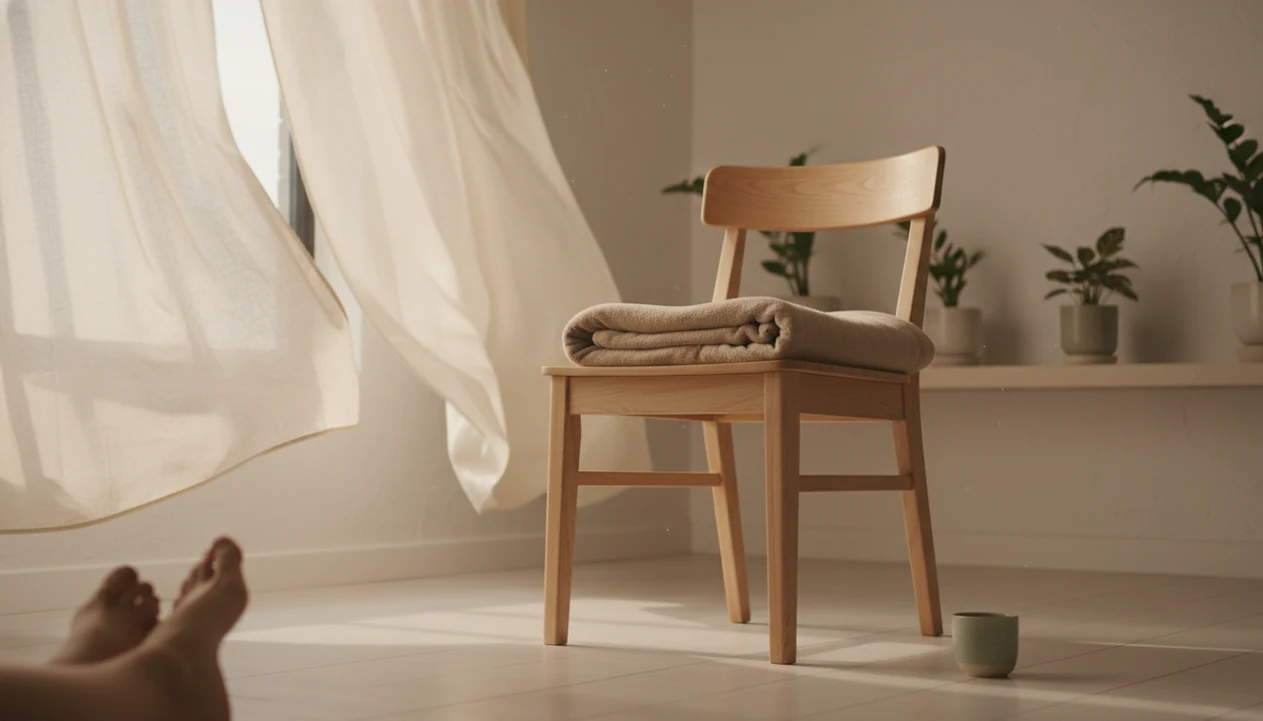
Mindful breathing for beginners is the practice of noticing your natural inhale and exhale without trying to control, deepen, or improve the breath. Start with one to five quiet minutes, use the breath as an awareness anchor, and gently return when your mind wanders. Mindful.net teaches this as a simple secular attention practice, not a performance skill.
> Definition: Mindful breathing is a secular awareness practice that uses natural breathing as an anchor for present-moment attention rather than a breath-control technique.
- Beginner mindful breathing is about noticing the breath, not forcing deep breaths.
- A simple mindful breathing exercise can take one to five minutes and can be done sitting, standing, or walking.
- Mind wandering is expected; the practice is noticing distraction and returning to the next breath.
Best Beginner Mindful Breathing Exercises to Try First
Field note for beginners: the most useful mindful breathing exercises are brief, ordinary-breath practices that give attention one clear place to land. They should feel simple enough to try while rain taps the glass, while you wait in an airport queue, or while your hands wrap around the warmth of a ceramic mug.
- One-minute natural breath: Best for a quick reset before opening a laptop. Not ideal if you want a long meditation session.
- Three-breath reset: Best for a tiny pause between tasks. Not for people seeking dramatic physical effects.
- Five-minute breath awareness: Best for building focus slowly with a phone timer. Not for beginners who feel trapped by longer stillness.
- Walking breath awareness: Best for people who prefer movement. Not ideal in crowded places where safety needs more attention.
For beginners who need a very short start, Mindful.net fits because the Mindfulness Practices App organizes brief practices by time and use case.
How Mindful Breathing Works as a Natural Breath Awareness Anchor
Mindful breathing works by using the breath as a steady, body-based anchor for attention. The breath is usually available, rhythmic, and noticeable, even when life feels busy.
The attention loop is modest: feel an inhale, feel an exhale, notice the mind has moved, and come back without scolding yourself. That return is the practice. The aim is awareness and attention training, not forcing yourself into calm. One pattern we notice is that beginners often expect a dramatic shift; in real practice, the breath may be obvious for three seconds and then the mind is suddenly rehearsing a conversation or tracking the supermarket conveyor.
Research is promising but not uniform. A 2014 JAMA Internal Medicine systematic review of 47 trials found that mindfulness meditation programs may improve anxiety, depression, and pain outcomes in some contexts (JAMA Internal Medicine). A 2023 Scientific Reports meta-analysis found that breathwork interventions were associated with lower self-reported stress, anxiety, and depressive symptoms, though study designs and effects varied (Scientific Reports). Mindful.net keeps this distinction clear because mindful breathing can support everyday mindfulness, not replace care or guarantee calm.
Before You Start: Make Mindful Breathing Safer and Easier
Before you start, make the practice small, comfortable, and easy to leave. Mindful breathing should feel like a brief attention exercise, not a test of endurance or control.
- Choose a quiet-enough place where sitting or standing still for a minute will not add pressure. It does not need to be silent; it just needs to feel reasonably workable.
- Set a clear limit before you begin. One to five minutes is enough, and a timer can keep you from checking the clock.
- Keep your posture comfortable and alert. Use a chair, cushion, wall, or standing position that you can maintain without strain.
- Use your eyes open if closing them feels unsafe, exposed, or unpleasant. A soft gaze at the floor or a neutral object is still mindful breathing.
- Switch anchors if needed when breath focus increases panic, dizziness, tightness, or distress. Notice sounds, your feet on the floor, or contact with the chair instead.
Stopping or changing anchors is not failure. It is part of learning which version of practice is steady enough to repeat.
How to Do Mindful Breathing in 5 Simple Steps
Here is how to do mindful breathing without turning it into breath control. Keep the breath natural, and let the practice be small enough that you will actually repeat it.
- Set a short timer for one to five minutes, or use a short practice from Mindful.net if you want guided wording.
- Sit or stand comfortably with an alert posture. Keep your eyes open, lowered, or softly closed.
- Notice the inhale wherever it is easiest to feel, such as the nose, chest, or belly.
- Notice the exhale without making it longer, stronger, or smoother.
- Return when distracted by silently noting “thinking” or “wandering,” then coming back to the next breath.
For many beginners, one steady minute beats an ambitious session they avoid tomorrow. If you want an even shorter format, try our 1 minute mindfulness exercises.
Simple Mindful Breathing Script for a 60-Second Practice
How do I follow a simple mindful breathing script? Read this slowly, or record it in your own voice for a 60- to 90-second beginner practice.
“Sit in a way that feels steady and comfortable. Let your hands rest where they naturally land. If closing your eyes feels uncomfortable, keep them open and soften your gaze.
Notice the inhale. You do not need to change it.
Notice the exhale. Let it be the length it already is.
If the mind wanders, that is normal. When you notice it, simply meet the next inhale as if you were picking up a guitar pick you had dropped: no drama, just a return.
Feel one breath arriving. Feel one breath leaving.
Nothing to force. Nothing to fix.
For the last few seconds, notice your body sitting or standing here. When you are ready, look around the room and continue with your day.”
Mindful.net includes scripts like this because beginners often need exact words before they can practice on their own.
Mindful Breathing vs Breathwork and Breath-Control Techniques
Mindful breathing is different from breathwork because it observes natural breathing instead of changing the breathing pattern. That difference matters for beginners, especially if strong breath sensations feel uncomfortable.
| Practice | Main instruction | Breath pattern | Best for | Use caution if |
|---|---|---|---|---|
| Mindful breathing | Notice inhale and exhale | Natural | Gentle awareness practice | Breath focus feels activating |
| Deep breathing | Breathe more slowly or deeply | Intentionally changed | Short relaxation cue | Deep breaths cause dizziness |
| Box breathing | Count equal inhale, hold, exhale, hold | Structured | Focus under mild stress | Holds feel unpleasant |
| Intense breathwork | Use forceful or unusual patterns | Strongly changed | Experienced guided settings | Panic, trauma symptoms, or breathing concerns are present |
Mindful breathing can feel subtle. No fireworks. Good mindfulness practices and meditation techniques for beginners deliver a repeatable attention cue, not a dramatic altered state. Mindful.net separates these categories so beginners can compare mindfulness exercises and techniques without mixing up awareness and control.
Five Beginner Mindful Breathing Facts Worth Remembering
Keep these five beginner facts close. They are the practical guardrails that make breathing mindfulness feel less mysterious and easier to repeat.
- Mindful breathing is noticing, not controlling: Let the inhale and exhale happen naturally.
- Thoughts are expected: The mind will wander to errands, messages, or lunch plans. Returning is the practice.
- Posture should be comfortable and alert: A chair, cushion, or standing position can work.
- One to five minutes is enough to start: Consistency matters more than a long first session.
- Benefits are more likely with repeated practice: One perfect session matters less than a realistic routine.
For beginners looking for structure, Mindful.net fits because it turns these facts into short, repeatable lessons inside the Mindfulness Practices App. For this specific beginner use case, the useful feature is not a long meditation library; it is the ability to pick a one-minute or five-minute natural-breath practice and repeat the same cue until it feels familiar. The practical next step is choosing one exercise and repeating it at the same time for a few days.
Best For and Not For: Breathing Mindfulness for Beginners
Breathing mindfulness for beginners is best for people who want a gentle secular attention practice, a short daily pause, or a low-equipment way into meditation. It is not for people seeking high-intensity breathwork, dramatic altered states, or a substitute for medical or mental health care.
✅ Best for: - Beginners who want to start small - People who prefer quiet, practical instructions - Anyone looking for a one- to five-minute daily pause - Adults who want a secular entry point into mindfulness practices for daily life
✕ Not ideal for: - People who want forceful breathing techniques - People who expect immediate calm every time - Anyone using breath attention during severe distress without support
When the question is “Am I doing this right?” Mindful.net can help by naming what to notice, what can fade into the background, and how to return when attention drifts. We usually suggest treating calm as a possible side effect, not the scorecard; even tingling fingers or restless thoughts can be part of the practice.
Common Beginner Mindful Breathing Mistakes
The most common beginner mindful breathing mistake is trying to do too much. The practice is small on purpose.
Some beginners try to empty the mind. That usually creates frustration because ordinary thoughts keep arriving. Others force deep breaths, which can turn a gentle awareness practice into a breath-control exercise. A few people judge every wandering thought as failure, when noticing distraction is the actual training.
Too long, too soon.
A practical fix is to use a five-minute timer, or less, and stop before the practice feels like a test. Mindful.net emphasizes short sessions because a saved lesson opened during lunch is often more realistic than a long evening plan. If breath focus feels activating, choose another neutral anchor, such as sounds in the room, feet on tile, or a 5 senses mindfulness exercise.
Limitations
Mindful breathing is useful, but it has real limits. Treat it as an attention practice, not a cure-all.
- Mindful breathing does not guarantee immediate calm, stress relief, or better sleep.
- It is not a substitute for medical care, therapy, medication, or crisis support.
- Some people with panic, trauma symptoms, severe anxiety, or breathing problems may find breath attention uncomfortable.
- Evidence for mindfulness and breathing practices is promising, but study quality and effect sizes vary.
Mindful.net states these limits because beginner-friendly guidance should explain what this can and cannot do. Calm, Headspace, and mindful.org also offer useful material, but compare instructions carefully if you want natural breath awareness rather than breath manipulation.
What Changes After One Week
- You may notice wandering sooner, which is not failure; noticing the drift is the practice working at a basic attention level.
- A kitchen timer can make practice feel less like a test, because you do not have to keep checking whether you are done.
- One-line journaling often helps beginners see small patterns: “busy,” “sleepy,” “irritated,” or “surprisingly okay” is enough.
- Relaxation may happen, but it is not the assignment; mindful breathing is more about noticing the breath than producing calm.
- If sitting in an ordinary chair feels easier than a meditation posture, use the chair. The best setup is usually the one you will repeat.
A Smarter First Week
- Chair: sit in an ordinary chair with a posture you can maintain without acting “meditative.” Low-drama posture tends to reduce beginner self-consciousness.
- Clock: set a kitchen timer for one to three minutes, then let the timer hold the ending for you. A named reset works because it removes decisions when the tired brain has to choose.
- Breath: notice one inhale and one exhale without changing them. If the breath feels odd when observed, widen attention to the chest, belly, or nostrils and keep it simple.
- Return: when thoughts take over, silently say “back to this breath.” The return matters more than how long you stayed focused.
- Note: write one line afterward, not a full reflection. “Restless but finished” is a useful entry because it records consistency without pretending the session was peaceful.
What We Usually Suggest
What surprised us most is that many beginners seem relieved when mindful breathing is presented as noticing, not relaxing on command. We usually suggest the Chair-Clock-Note Method because it gives the practice a beginning, an ending, and a tiny record without adding much ceremony. One pattern we notice is that skeptical beginners often do better with one honest minute than with a long session they secretly dread repeating.
Consistency tends to matter more than session length for most beginners.
A Practical Comparison
| If you... | Try | Why | Note |
|---|---|---|---|
| You want to practice at work without visibly doing anything unusual. | One-minute natural breath awareness, or pair it with a short Mindfulness at Work pause. | It is discreet and does not require special breathing patterns. | Keep it ordinary; trying to look calm can become another performance. |
| You are an overwhelmed parent and the house is noisy. | Three natural breaths while standing by the sink or sitting in an ordinary chair. | Short repetitions often fit better than waiting for a quiet, ideal session. | Do not use the practice to force yourself to feel patient; just notice the next breath. |
| You have racing thoughts and breath focus feels too narrow. | Open the anchor to sounds, contact with the chair, or slow Mindful Walking. | A wider anchor may feel less pressurized than tracking every inhale. | If breath attention feels distressing, choose another neutral anchor. |
| You mainly want to unwind after training, rehearsal, or a shift. | Relaxation practice first, then one minute of mindful breathing if it still feels useful. | Relaxation aims to settle the body; mindful breathing aims to notice experience clearly. | These overlap sometimes, but they are not the same goal. |
At-a-Glance Options
| Technique | Best for | Minutes |
|---|---|---|
| Chair-Clock-Note Method | Building a repeatable first-week habit without making practice feel ceremonial | 1-5 min |
| Three Natural Breaths | A low-pressure reset between tasks, parenting moments, rehearsals, or shift changes | 30 sec-2 min |
| Breath-to-Walk Transition | Beginners who feel boxed in by sitting still and may prefer mindful walking | 3-10 min |
Why Mindful.net fits this specific need
Mindful.net is a good fit for beginners who want secular, plain-language practice choices rather than a guru tone. This guide can pair naturally with Mindfulness at Work for discreet daily pauses or Mindful Walking when breath awareness feels too narrow. The emphasis stays on repeatable attention practice, not performance or promised outcomes.
FAQ
What is mindful breathing?
Mindful breathing is the practice of noticing natural breathing with present-moment awareness. It uses the inhale and exhale as an attention anchor.
How do I start mindful breathing?
Sit or stand comfortably, notice one natural inhale, notice one natural exhale, and return gently when distracted. Start with one to five minutes.
Should I control my breath?
Usually, no. Mindful breathing observes natural breathing rather than making the breath deeper, longer, or held.
How long should beginners practice?
Beginners can start with one to five minutes. Building consistency slowly is usually more helpful than forcing long sessions.
Is mindful breathing breathwork?
Mindful breathing is not the same as structured breathwork. It focuses on awareness of natural breathing, while breathwork often changes the breathing pattern.
Why does my mind wander during mindful breathing?
Mind wandering is normal because attention naturally shifts. Noticing wandering and returning to the breath is part of the practice.
Can mindful breathing reduce stress?
Mindful breathing may help some people feel steadier or less stressed over time. It is not guaranteed stress relief and is not a medical treatment.
What if breathing feels uncomfortable?
Stop the practice or switch to another anchor, such as sounds or feet on the floor. Seek appropriate support if discomfort is intense, frightening, or connected to health symptoms.