
Sleep Meditation for Light Sleepers: Quiet Practices for Bedtime and Night Waking


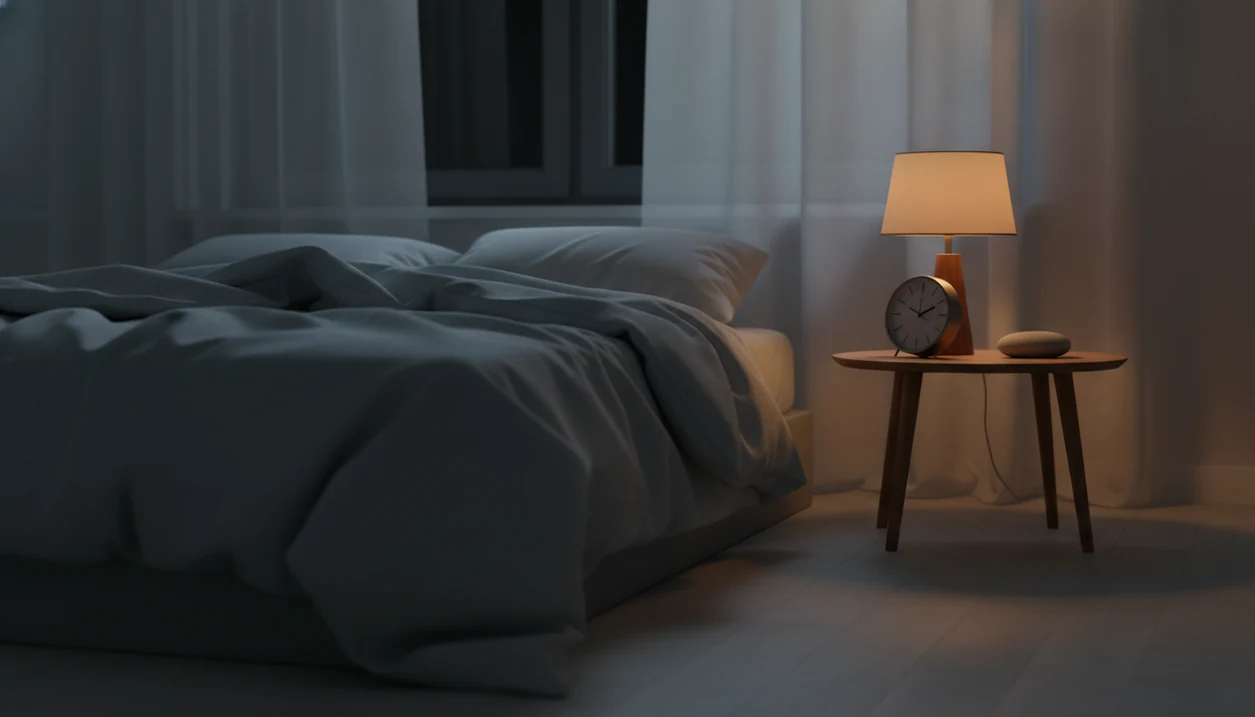
Sleep meditation for light sleepers is a gentle bedtime mindfulness practice that uses breath, body sensations, or soft sound to support relaxation without promising uninterrupted sleep. Quiet, simple practices are usually a better fit than dramatic imagery or intense breathwork, especially when small sounds, thoughts, or wake-ups are hard to ignore.
The aim is to reduce bedtime arousal and respond more calmly to being awake, not to make yourself sleep on command. Choose one steady anchor, such as the contact between your body and the mattress, and return to it without checking for results. Meditation can be part of a sleep routine, but persistent or disruptive sleep problems need attention beyond a bedtime recording.
The essentials
- Choose simple practices with minimal novelty: breath counting, body contact, soft sound, or a slow body scan.
- Avoid sleep meditations that feel emotionally intense, visually busy, loud, or performance-oriented.
- Use meditation as one part of sleep hygiene, not as a substitute for medical care when sleep problems are persistent or disruptive.
What sleep meditation for light sleepers means
Sleep meditation is mindfulness or relaxation practiced before bed or in bed, not a technique that forces sleep on command. For light sleepers, the better aim is lower stimulation and less reactivity to sounds, thoughts, body sensations, and waking.
Quick answer: a light sleeper meditation usually works best with one simple anchor. That might be the breath, the weight of the covers, or a room sound as faint as museum quiet. When the mind jumps to a customer support queue you handled earlier, the practice is to notice the jump and return without making it a problem.
No drama needed.
For light sleepers, the useful Mindful.net practices are the plain ones: a steady voice, one anchor, and no dramatic buildup. Treat app-based guidance as practice support, not proof that sleep will happen on schedule.
What research says about mindfulness and sleep quality
- Mindfulness can support relaxation and sleep quality for some people, but effects vary by person, setting, health history, and consistency.
- A 2019 meta-analysis of randomized controlled trials found small to moderate improvements in sleep quality from mindfulness-based interventions in adults with varied conditions PubMed research.
- A 2015 randomized clinical trial found that a 6-week mindfulness meditation program improved PSQI sleep-quality scores more than sleep-hygiene education in older adults with moderate sleep disturbances. PubMed research.
- The American Academy of Sleep Medicine and Sleep Research Society recommend that adults aged 18-60 get 7 or more hours of sleep regularly. Still, meditation should not become another bedtime performance target. Seven Or More Hours Of Sleep Per Night A Health Necessity Fo.
- Meditation works better when paired with sleep basics: a steady schedule, screen limits, caffeine awareness, and a dark, quiet room.
For many light sleepers, the practical next step is not a longer session. It is a simpler one. If your bedtime routine is inconsistent, start with sleep hygiene before adding more techniques.
How gentle sleep meditation works for light sleepers
Gentle sleep meditation works by giving attention a low-demand place to rest when pre-sleep arousal is high. Pre-sleep arousal means the mind and body are alert at bedtime, often locking onto sounds, sensations, planning, or fear of waking.
The mechanism is attention training plus relaxation support, not a trick for forcing sleep. A simple anchor, such as soft breathing or the steady pressure of fabric, gives the mind somewhere to land without suppressing thoughts. If a hallway sound clicks like a gym locker door, the practice is not to beat the sound. It is to label hearing, let the body soften, and come back.
For light sleepers, acceptance matters. Non-judgment can reduce the secondary stress of being awake, the “now I’ve ruined tomorrow” spiral. For light sleepers, a neutral anchor is often easier than vivid imagery because it asks less from a tired mind.
Choose between breath, body contact, body scans and sound
The best bedtime meditation for light sleepers is usually the least activating practice you can repeat without effort. A gentle sleep meditation should feel plain enough that you are not waiting for the next interesting part. If you prefer structured relaxation, the military sleep method offers another bedtime approach without guaranteeing instant sleep.
| Practice | Best for | Might avoid if |
|---|---|---|
| Breath awareness | People who like a simple, portable anchor | Breath focus makes you tense or controlling |
| Body contact | People who settle through touch and pressure | Body attention feels unsafe or uncomfortable |
| Soft body scan | People with physical restlessness | Scanning turns into symptom checking |
| Sound anchor | People who notice silence or sudden noise | Audio changes wake you up |
| Kind self-talk | People who get frustrated when awake | Phrases feel forced or emotional |
Vivid visualization, emotional storytelling, loud music, and intense breathwork may be too activating for some light sleepers. A bedtime meditation for light sleepers should not feel like a movie in the dark.
If you want a broader menu, try low-key mindfulness exercises before bed and keep only the ones that make bedtime quieter.
Prepare one quiet practice before getting into bed
Before you start, set up sleep meditation as a quiet wind-down cue, not a way to force instant sleep. The best preparation is to remove choices and stimulation before your head hits the pillow.
- Set a realistic aim. Tell yourself the goal is to practice gently for a few minutes and make wakefulness less tense. Sleep may follow, but it is not the assignment. If appreciation feels calming rather than effortful, try gratitude before bed as a brief addition to your routine.
- Choose one anchor. Decide before bed whether you will use breath, body contact, or a steady room sound. Late-night browsing for the perfect track can become its own alerting ritual.
- Lower stimulation. Dim the room, reduce phone brightness, silence notifications, and keep any audio boring, soft, and predictable.
- Avoid activating content. Skip intense breathwork, long breath holds, dramatic stories, emotional imagery, or brand-new tracks when you are already trying to settle.
- Modify if needed. If closing your eyes or focusing inward feels unsafe, keep your eyes softly open, listen to room sound, or ground through the mattress, blanket, or an object in your hand.
How to use sleep mindfulness for light sleepers tonight
Sleep mindfulness for light sleepers works best when you test it briefly before making it a nightly rule. Start with 5-10 minutes, not a heroic hour-long routine. Before you begin, decide that success means practicing gently for a few minutes, not falling asleep immediately. That makes the routine easier to repeat after a hallway noise, a partner turning over, or a late-night thought spike. For a timed option, try sleep meditation in ten minutes while keeping the goal gentle practice rather than immediate sleep.
- Set a short length. Choose 5 minutes on a phone timer or a short track, then stop adding decisions. A five minute meditation before bed can provide a simple starting point when longer sessions feel like too much.
- Lower the volume. Use very soft audio, or skip audio entirely if the voice keeps you alert.
- Choose one anchor. Pick breath, body contact, or a neutral sound, and stay with that one anchor.
- Return gently. When distracted, notice the thought or sound, then come back without scolding yourself.
- Stop evaluating. Let the practice be a wind-down cue, not a test of whether sleep is happening fast enough.
If the practice becomes frustrating, open your eyes. Feel the bed under your back or switch to a neutral external sound. The pocket check is real, so put the phone out of easy reach after starting the session.
Sound anchors for light sleeper meditation
Does sound help light sleepers meditate at bedtime? It can, if the sound is stable, quiet, and boring enough not to become a new thing to monitor.
A sound anchor is a steady, low-interest sound used for attention. Common examples include fan noise, rain, brown noise, or a very quiet voice. Keep the volume consistent. Avoid sudden bells, ads, shifting playlists, or tracks that change tone halfway through. A paused audio track beside a water glass can feel surprisingly loud when the room is otherwise still.
Some light sleepers do better with no headphones. Others settle more easily with a room sound than spoken guidance, especially if words make the mind follow a story.
Suggested image caption: Low-volume sound anchor for bedtime meditation
A dim bedside setup with low-volume audio and a simple sound anchor for sleep meditation for light sleepers.
Night waking scripts for gentle sleep meditation
Waking during the night does not mean meditation failed. Gentle sleep meditation can also help you meet wakefulness without adding pressure, self-criticism, or a running calculation of lost hours.
- Noticing wakefulness: “I’m awake right now. I can feel the bed, feel the breath, and let this moment be here.”
- Hearing a sound: “Hearing is happening. I don’t have to solve it. I can return to the next quiet exhale.”
- Feeling frustrated: “This is frustration. It makes sense that I don’t like being awake. I can be kind and simple now.”
The point is not to command the body back to sleep. It is to stop adding a second layer of stress to being awake.
If you are awake for a long time and getting agitated, consider a calm, low-light reset that matches your sleep plan. A steady bedtime routine for adults can make that decision less reactive.
When to stop meditating in bed
A brief practice can soften the struggle with waking, but extending it indefinitely can turn into another attempt to force sleep. When you are clearly awake and frustrated, leave bed for a quiet activity in dim light, then return when sleepy. This is a CBT-I stimulus-control step, not meditation alone. The Mindfulness-Based Therapy for Insomnia protocol combines mindfulness with behavioral sleep strategies.
Repeated waking also deserves assessment when it affects daytime functioning. Insomnia at least three nights a week for three months or more is a reason to seek clinical help; loud snoring, gasping, or marked daytime sleepiness should also prompt assessment. The NCCIH summary of sleep-disorder guidance identifies multicomponent CBT-I as the recommended treatment for chronic insomnia. A quieter response to waking can help without resolving its cause.
Common sleep meditation mistakes for light sleepers
Light sleepers often make meditation more activating by adding too much content, novelty, or pressure. The fix is usually subtraction.
- Mistake 1: Choosing dramatic content. Vivid visualization, emotional stories, or big “breakthrough” themes can wake the mind up.
- Mistake 2: Turning meditation into a sleep test. Checking whether you are sleepy enough adds pressure and makes the practice feel like a scoreboard.
- Mistake 3: Changing everything nightly. New tracks, voices, apps, and volume levels give the brain fresh material to inspect.
- Mistake 4: Using strong breathwork near bedtime. Fast breathing, long holds, or forceful patterns can feel stimulating for some people.
- Mistake 5: Ignoring sleep basics. Meditation alone cannot offset late caffeine, bright screens, irregular timing, or a noisy room.
If the mind keeps rehearsing tomorrow, mindfulness for overthinking may be a better daytime practice than adding more bedtime audio. For nights filled with planning, try sleep meditation for a busy mind with a simple, steady anchor.
Who may benefit, and who needs a different approach
Sleep meditation for light sleepers is best for people who feel wired at bedtime, notice every sound, or become anxious about waking. It also fits beginners who want secular, practical mindfulness without spiritual framing.
| Best for | Not ideal for |
|---|---|
| People who want a low-stimulation wind-down | People seeking guaranteed deep sleep |
| Beginners who prefer plain instructions | People seeking instant sedation |
| Light sleepers who react strongly to noise | People replacing clinical care with meditation |
| People practicing calmer responses to waking | People who find silence or inward attention distressing |
Not everyone settles by looking inward. Some people need modification, such as eyes open, a room sound, or a grounding object.
Keep bedtime sound quiet and steady
Small room noises can make choosing bedtime audio difficult. The free white noise and ambient sound player offers a sound anchor, while the Mindful.net app includes sleep audio for people who prefer guidance. Keep the volume soft rather than trying to cover every noise. Silence or body contact is a better choice when audio holds your attention; persistent insomnia needs more than a sound track.
Sleep Meditation Limits
- Sleep meditation supports relaxation but cannot guarantee deeper sleep, uninterrupted sleep, or quick sleep onset.
- Seek professional care for sleep apnea or chronic pain because meditation cannot replace medical treatment, as the NCCIH overview notes.
- Monitoring whether meditation is working too closely can increase pressure and nighttime arousal.
- Body scans may feel uncomfortable for trauma survivors, while intense bedtime fear may warrant gentler mindfulness for beginners with anxiety.
Sleep meditation questions for light sleepers
Can meditation help me sleep through small noises?
Meditation may help you react less strongly to a sound, but it cannot guarantee that noises will stop waking you. Try noticing “hearing,” then returning to body contact or a quiet breath. A steady sound anchor may suit some people; others find added audio makes them more alert.
What is the best sleep meditation for a light sleeper?
Start with the simplest practice that does not make you tense: natural breath awareness, the weight of the covers, or a quiet, steady sound. There is no single best method for everyone. Skip vivid stories, sudden bells, or body scans that turn into checking every sensation.
How long should I meditate before bed?
Begin with 5 to 10 minutes rather than a long session. Set the aim as practicing gently, not falling asleep before the recording ends. A shorter practice is preferable when attention becomes strained, you start checking for sleepiness, or the instructions keep you mentally engaged.
Should I use white noise or a guided sleep meditation?
Choose a quiet, consistent sound if spoken instructions keep you listening for what comes next. Gentle guidance may help when you want a reminder to return attention to an anchor. Neither is necessary: silence and body contact are valid options. Avoid sudden volume changes, ads, and shifting playlists.
What should I do if I am still awake after meditating?
Being awake does not mean the practice failed. Notice frustration without turning it into a test of your ability to meditate. If you are clearly awake and frustrated, leave bed for a quiet activity in dim light and return when sleepy. This step comes from CBT-I, not mindfulness alone.
Can focusing on my breathing make sleep anxiety worse?
Yes. Breath attention can become uncomfortable if you start controlling each breath or monitoring whether you are relaxing. Shift to an external sound or simple contact with the bed, shorten the practice, or stop. Seek clinical guidance if inward attention brings panic, traumatic memories, or persistent distress.
When should a light sleeper seek help for insomnia?
Seek assessment when sleep difficulty occurs at least three nights a week for three months or more and affects daytime functioning. Loud snoring, gasping, marked daytime sleepiness, or an urge to move your legs also warrant attention. CBT-I has stronger support for chronic insomnia than meditation alone.