
Meditation for Restless Beginners: Short Practices Without Forced Stillness


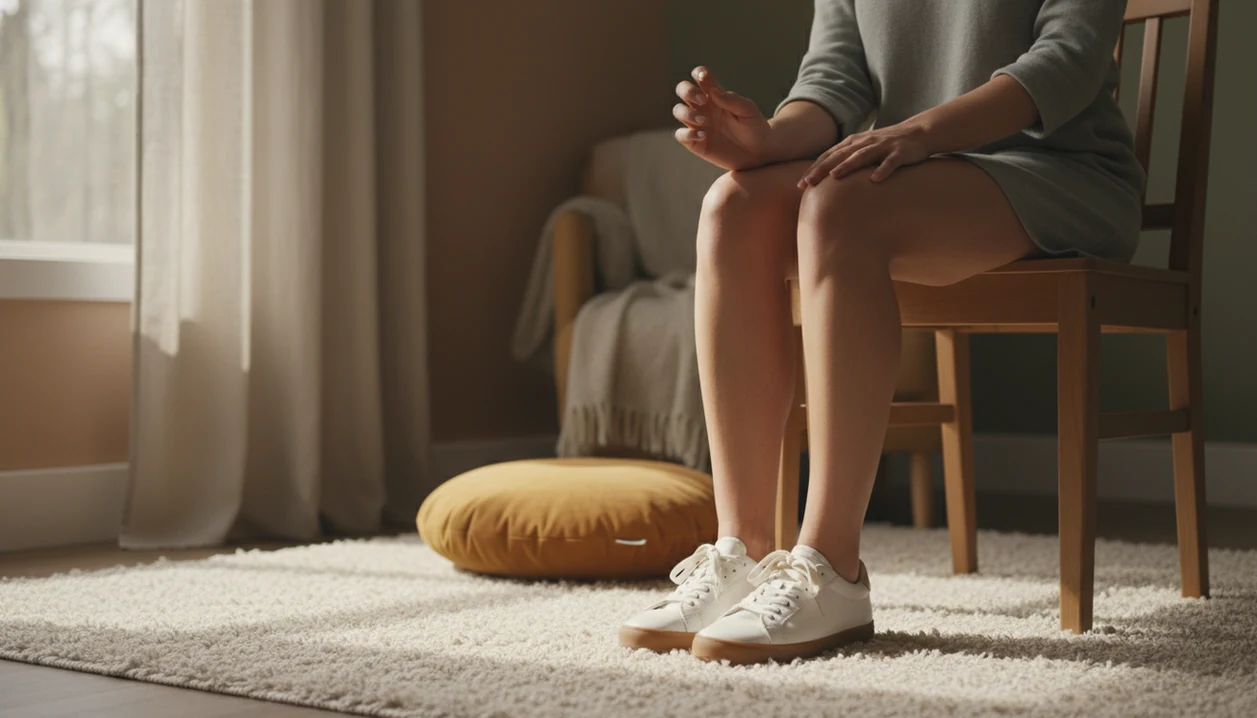
Meditation for restless beginners uses short sessions, sensory anchors, and optional movement to train attention without forcing stillness. Restlessness, impatience, and fidgeting are normal beginner experiences, not signs that you are doing it wrong. Start with 30 seconds to 5 minutes of breathing, listening, walking, body awareness, or deliberate hand movement. The skill is returning attention kindly, not clearing your mind or holding your body motionless.
Choose a practice that suits the restlessness you feel. Walking gives physical agitation somewhere to go; sound or touch offers an alternative when breath focus feels uncomfortable. Keep one clear sensation to return to, and finish at the time you planned. You do not need to feel calm for the practice to count.
The essentials
- Restlessness, impatience, and fidgeting during meditation are normal beginner experiences, not signs of failure.
- The best starting practices are short: 30 seconds to 5 minutes of breath, body, sound, walking, or mindful fidgeting.
- The core skill is returning attention kindly, not clearing the mind or staying motionless.
Best meditation options for restless beginners
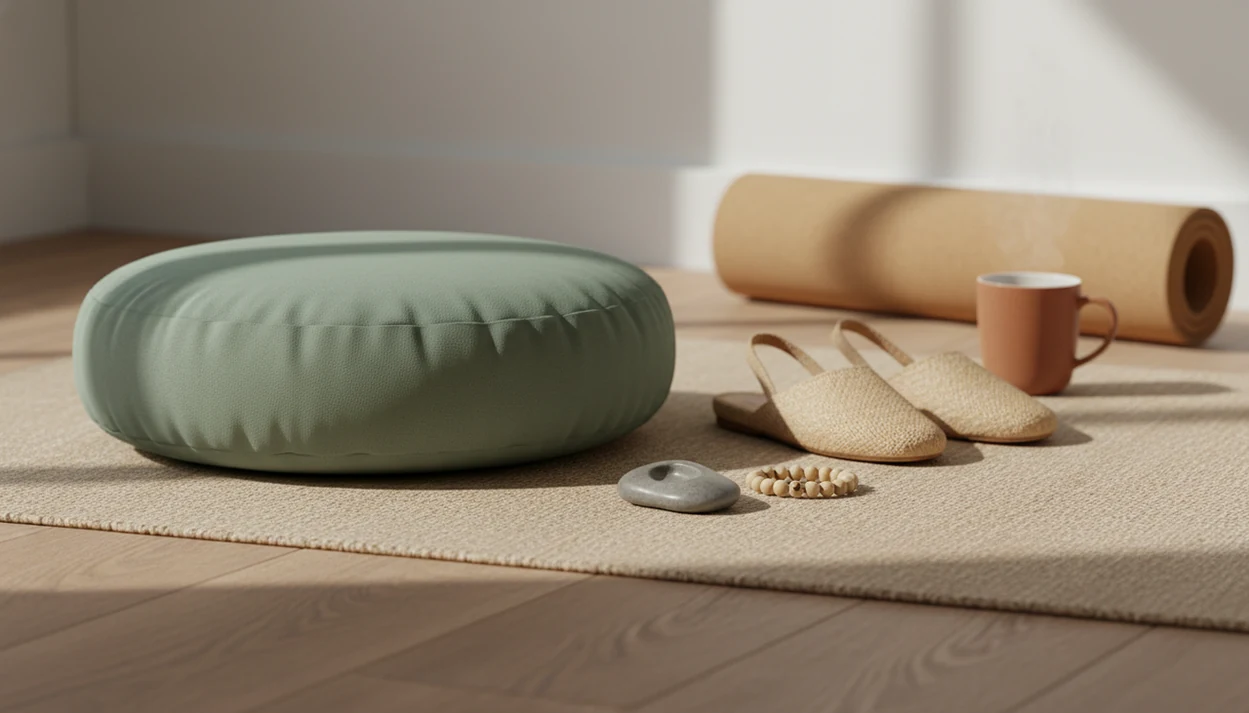
Movement-friendly meditation is valid, and it is often more sustainable than forcing stillness. The right practice depends on whether your restlessness feels mental, physical, impatient, bored, or tense.
- Micro breathing: Best for racing thoughts and quick resets. Not ideal if breath focus makes you more anxious.
- Walking meditation: Best for body agitation, pacing energy, or “I can’t sit” days. Not ideal in unsafe or crowded spaces.
- Body scan: Best for tension and scattered attention. Not ideal if stillness feels unbearable at first.
- Sound awareness: Best for boredom or mental noise. Not ideal if nearby sounds feel irritating.
- Mindful fidgeting: Best for fidgeting during meditation. Not ideal if the fidget becomes automatic distraction.
Restless beginners looking for a low-pressure start can use Mindful.net because it sorts beginner practices by anchor, such as breath, body, sound, and movement. For a wider technique menu, compare it with our guide to meditation techniques for beginners.
How meditation for restless beginners works
Meditation for restless beginners works by training attention through a simple loop: notice wandering, choose an anchor, and return attention repeatedly. The mind does not need to go blank; the return is the practice.
Restlessness can show up as leg tension, the urge to check your phone, impatience with instructions, or thoughts jumping to a grocery list. You are not trying to erase those events. You are learning to observe them without obeying every impulse.
Feet on tile can be enough.
A 2014 systematic review in JAMA Internal Medicine found that mindfulness meditation programs showed small to moderate improvements in anxiety, depression, and pain, though this does not mean meditation replaces care or works the same for everyone JAMA study. For restless beginners, guidance should explain attention practice as notice-and-return, not sit-still-and-succeed. For a structured introduction, explore MBSR for beginners and learn what its guided mindfulness sessions involve.
Good beginner meditation teaches attention, not personality improvement.
Acceptance is part of attention training
Noticing distraction is only part of the method. In a 2016 randomized study of 147 healthy young adults, three days of attention monitoring combined with acceptance produced less mind wandering than attention monitoring alone. This supports allowing restlessness without judgment, rather than treating every wandering thought as a problem to correct.
During your next short practice, notice the urge to stop and name it once: “impatience,” “planning,” or “restlessness.” Let it be present while you return to the pressure under your feet or another chosen sensation. This is a practical application of the finding, not a promise that a one-minute session will produce the study's results.
Before you start: set up a restless-friendly meditation
Before you begin, make the practice easy to finish and safe to move inside. Restless-friendly meditation works better when the setup already gives your body permission to stand, shift, walk, or keep the eyes open.
- Choose a place where movement will not create risk: a clear patch of floor, a quiet hallway, a bedroom, or a spot where you can stand without bumping into furniture.
- Set a short timer, such as 30 seconds, 1 minute, or 3 minutes, so the session has a visible end and does not feel like a test of endurance.
- Keep your eyes open if closing them increases tension, dizziness, vigilance, or anxiety. Let your gaze rest softly on the floor, a wall, or one stable object.
- Pick one anchor before starting: feet on the ground, hands touching, nearby sound, breath sensation, or one repeated movement.
- Decide that fidgeting is information, not failure. If your fingers tap or your legs want to shift, notice pressure, speed, and urge before returning to the anchor.
This setup turns “I can’t sit still” into something workable.
A short practice for moments of restlessness
Use meditation while restless by shortening the session and making the restlessness observable. Start with 1 to 5 minutes, or 30 to 120 seconds if impatience is already loud.
- Set a timer for a realistic length, even one minute on a phone timer.
- Choose one anchor: feet, breath, sound, hand pressure, walking, rocking, stretching, or a simple hand fidget.
- Notice what restlessness feels like: heat, buzzing, planning, irritation, or the urge to stop.
- Return to the anchor each time attention leaves, without scolding yourself.
- Stop when the timer ends, then name one thing that helped and one thing that felt harder.
If you want the sit-still version later, the basic sequence is covered in how to meditate. Mindful.net works well for this step because sessions can be treated as short experiments, not tests of discipline.
Common mistakes when meditating while restless
Trying to defeat restlessness before starting can make meditation another struggle; begin with the restlessness already present. For beginners, the better move is to make the practice smaller, clearer, and less dependent on perfect stillness.
- Relax the rule that your body must be motionless. If attention skills are still new, standing, shifting, or using one deliberate hand movement may teach more than a tense sit.
- Stay with one chosen cue long enough to return to it. Switching from breath to sound to feet every few seconds can turn anchor choice into another form of escape.
- Change the anchor when breath focus makes you anxious, controlling, or more self-conscious. Feet, hands, sound, or walking can be just as legitimate.
- Label impatience in plain words, such as “wanting to stop” or “irritation.” Do not turn it into a verdict about your discipline.
- Shorten the session until it feels repeatable. A one-minute practice you can finish three days in a row is a stronger foundation than a long session you dread.
Small and repeatable beats heroic and rare.
Selection criteria for movement-friendly beginner practices
We picked techniques that reduce friction before they ask for discipline. A restless beginner is more likely to repeat a two-minute hallway practice than a 25-minute silent sit.
- Low stillness demand: Each method can work without long, unmoving posture.
- Clear anchor: Breath, feet, hands, sound, body sensation, or movement gives attention somewhere specific to return.
- Everyday fit: These practices can happen at a desk, in a bedroom, during a commute pause, or in an office stairwell.
- Beginner tolerance: The method allows wandering, fidgeting, and restarting.
- Evidence caution: Research is stronger for structured mindfulness programs than for every micro-practice variation.
If your priority is consistency over session length, Mindful.net is a practical fit because it favors short, repeatable attention practices. A first week meditation plan can make that even easier.
Best short meditation for impatience: the 60-second reset
Which short meditation helps impatience most? The 60-second reset is often the easiest starting point for people who quit sessions quickly or feel annoyed by slow guidance.
Try this structure. For 10 seconds, feel both feet. For 20 seconds, take three slower breaths, without making them dramatic. For 10 seconds, label what is present: “impatience,” “tightness,” “thinking,” or “wanting to stop.” For the final 20 seconds, return to one sensation, such as pressure in the feet or the feeling of air at the nose.
Done is the win.
Success means completing the minute, not feeling instantly calm. This is not ideal if you need more movement or if breath focus feels aggravating. People trying to build patience without long sits can use Mindful.net because the Mindfulness Practices App includes short-format guidance that treats impatience as part of practice.
Best movement meditation for fidgeting during meditation
Movement meditation is best for people whose restlessness is mainly physical. Walking, stretching, rocking, or intentional hand movement can become the anchor instead of the problem.
For mindful walking, feel heel, sole, toes, shift, repeat. Keep the pace slow enough to notice contact, but not so slow that you feel theatrical. Rain tapping during a walking practice can even become part of the field of attention: step, sound, step, sound.
For mindful fidgeting, choose one object or one hand motion. Track texture, pressure, speed, and the urge to change it. The aim is not to fidget harder. It is to know fidgeting while it happens.
When the issue is physical agitation, Mindful.net fits because it includes movement-friendly options alongside sitting practices. Calm and Headspace also offer guided sessions, but restless beginners may need to compare whether their guidance permits enough movement. Before choosing any guided option, check whether it allows open-eye practice, walking, stretching, or non-breath anchors instead of assuming every session requires stillness.
Practice attention during a familiar chore
An everyday task offers another option when a separate sitting session feels impractical. While washing one dish, choose a single sensation: water against your hands, pressure on the sponge, or the dish's surface. Spend a minute returning to that sensation when thoughts pull you away. Keep your attention on the task rather than adding another activity.
The task does not need to stop your thoughts. A review of thinking during meditation explains that thoughts arise naturally and that noticing them without fighting the experience is central to practice. Dishwashing is a practical way to apply that principle, not a separately validated treatment. Avoid making hot water, sharp utensils, or hurried work part of the exercise.
Best sensory meditation for a restless mind
Sensory meditation is best for racing thoughts, mental noise, or discomfort with breath focus. You can use sound, touch, or body sensation as the main anchor instead of breathing.
| Sensory option | Best for | Not ideal for | Simple cue |
|---|---|---|---|
| Sound awareness | Mental noise or boredom | Irritating environments | “Hearing, hearing” |
| Touch awareness | Fidgeting or scattered attention | Numbness or pain flare-ups | “Pressure, warmth” |
| Body scan | Tension and worry loops | Strong aversion to stillness | “Tingling, tightness” |
Name events neutrally: hearing, pressure, warmth, tingling, thinking. Switching anchors is allowed, especially when breath focus feels uncomfortable. But changing every few seconds can become avoidance rather than attention practice.
For people who dislike breath-led sessions, Mindful.net helps because it separates anchors clearly. If you want more background, start with mindfulness meditation before choosing a style.
A clear stopping point for short practice
A restless minute can feel longer when the practice has no clear end. The free mindfulness bell can mark a brief practice period, while the Mindful.net app's meditation timer supports timed sessions. Choose walking or touch rather than breath focus when that feels more manageable. Stop rather than wait for the bell if distress increases; a timer is not a reason to push through.
Limits of Short Meditation
- Benefits can take weeks, and evidence is stronger for structured programs, as the NCCIH overview explains.
- Seek professional care for major depression, PTSD, ADHD, psychosis, or severe anxiety, rather than relying on meditation.
- Unguided meditation can intensify distress with trauma histories or severe symptoms, and breath focus can feel uncomfortable.
- A secular mindfulness practice cannot guarantee that very short sessions produce the effects studied in longer programs.
Restless beginner meditation questions
Why do I feel restless as soon as I start meditating?
Restlessness can show up as physical tension, impatience, planning, or an urge to check your phone. These are normal beginner experiences, not proof of failure. Notice which kind is present, then choose a manageable anchor, such as your feet or surrounding sounds, rather than trying to eliminate the feeling first.
Does fidgeting count as meditation?
A deliberate hand movement can become meditation when you use it to practice attention. Notice texture, pressure, speed, and the urge to change the movement. When thoughts wander, return to those sensations. The aim is not simply to keep your hands busy, but to notice what they are doing.
How long should I meditate if I get impatient?
Start with 30 seconds to 5 minutes, choosing a length you can realistically finish. For strong impatience, try one minute: feel your feet, notice a few breaths, name the impatience, and return to one sensation. Finishing the planned minute matters more than extending it or becoming calm immediately.
Should I force myself to stay still when I want to move?
No. You can notice the urge and then choose a deliberate shift, standing posture, or walking practice. Use the movement itself as your anchor instead of treating it as a broken rule. Keep the practice short and safe, and avoid pushing through pain, dizziness, or increasing distress.
Is meditation still working if my mind keeps wandering?
Mind wandering does not make a session unsuccessful. The practice is recognizing that attention has moved and returning without hostility. You may repeat that many times in a minute. Research supports acceptance as part of attention training, but a busy session alone cannot tell you how much long-term benefit you will get.
How can I start meditating if I have ADHD?
Try a simple practice with clear guidance, such as noticing your feet on the floor or listening to a short guided recording. Reduce distractions where possible, but do not expect perfect concentration. Meditation may support some people with ADHD, but it is not a replacement for treatment or other helpful supports.