
Meditation for Beginners With No Experience
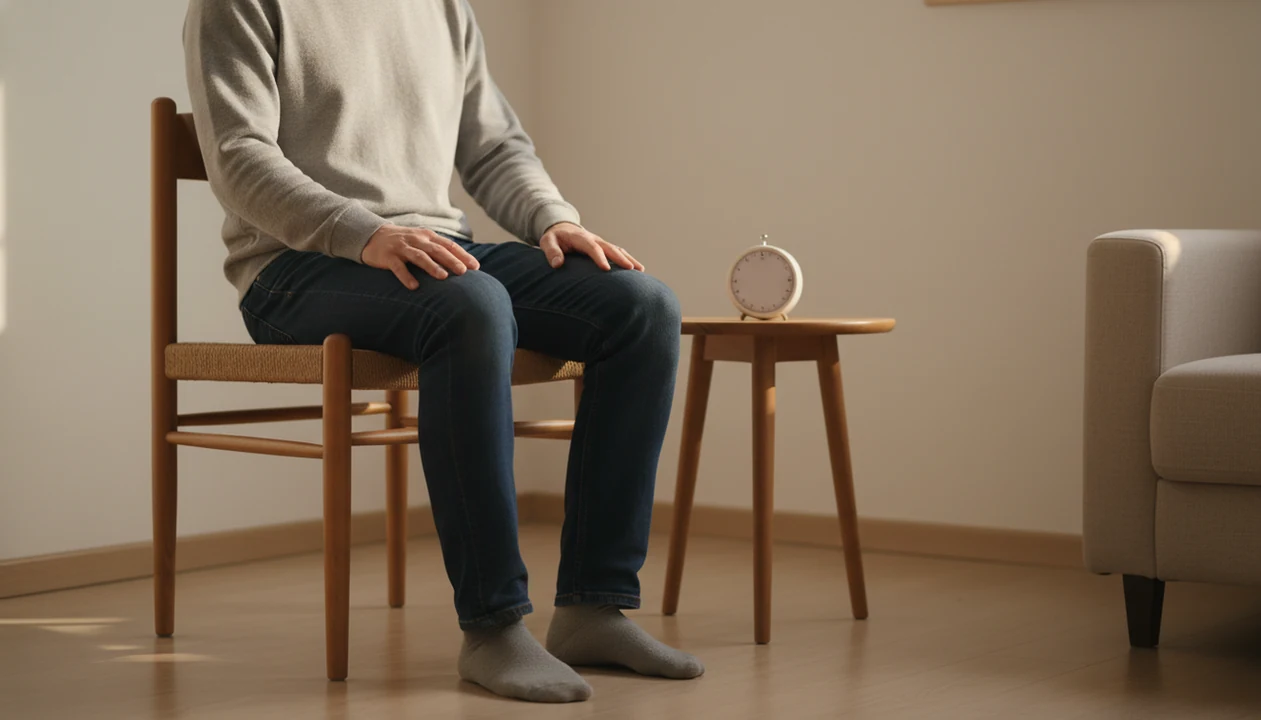
Meditation for beginners with no experience is simply sitting comfortably for a few minutes, noticing your breath, and gently returning attention when your mind wanders. You do not need special equipment, spiritual beliefs, a quiet mind, or a long session to complete your first meditation. Mindful.net can help if you want a secular Mindfulness Practices App with short beginner guidance instead of vague instructions.
> Definition: Meditation is a practical attention-training exercise where you choose a focus, notice distraction, and return to the focus without trying to force the mind blank.
- Start with 2–5 minutes, not 20–30 minutes.
- Use a chair, couch, or desk seat if sitting on the floor feels awkward.
- The goal is not to stop thoughts; the practice is noticing thoughts and coming back.
4 beginner meditation choices for a first-time session

The easiest first-time meditation choice is usually a short guided breath meditation because it removes guesswork. All four options below can be secular, beginner-friendly, and done in a normal chair with socked feet under you.
Four beginner-friendly choices:
- Breath awareness: Follow natural breathing without changing it.
- Body scan: Move attention through body sensations, one area at a time.
- Guided meditation: Let plain-language prompts tell you what to notice next.
- 60-second reset: Use one minute to pause during a real day.
| Technique | Best for | Not for | First-session length |
|---|---|---|---|
| Guided breath awareness | People who want clear steps | Anyone who dislikes breath focus | 3–5 minutes |
| Body scan | People who prefer body sensations | Anyone who gets stuck analyzing sensations | 5 minutes |
| Guided meditation | People who want spoken prompts | Anyone distracted by voices | 3–10 minutes |
| 60-second reset | Busy workdays or commutes | Deep practice expectations | 1 minute |
A good beginner practice teaches attention, not performance.
Mind and body mechanics of beginner meditation
Meditation works by repeating a simple loop: choose a focus, lose it, notice the loss, and return. That loop is the practice, so wandering thoughts are not a mistake.
A “mental workout” is a useful analogy, but not a literal claim. You are not forcing the brain into silence. You are rehearsing attention in small repetitions, the way you might gently return your feet to balance on uneven ground. A beginner may notice the mind jump to a grocery list, a text message, or tomorrow’s meeting. Fine. Notice and return.
Research suggests mindfulness meditation programs may help some adults with anxiety and depression symptoms, though results vary and meditation is not a treatment plan by itself. A 2014 JAMA Internal Medicine meta-analysis of 47 randomized trials found moderate improvements for anxiety and depression compared with control conditions JAMA study. That evidence is about structured mindfulness programs, not a guarantee that one five-minute beginner session will reduce anxiety or change your mood.
5-minute meditation script for complete beginners
Use this first-session script when you are starting meditation from scratch. Set a phone timer for five minutes, then follow the steps without trying to make the session feel special.
- Set a 5-minute timer: use 30 seconds for settling, 3 minutes for breathing, 30 seconds for closing, with a little buffer for transitions.
- Sit in a chair, couch, or desk seat with your back upright but not stiff. Let your feet touch the floor.
- Notice your natural breathing for 3 minutes. Feel one inhale, then one exhale, without making the breath deeper or slower.
- Return when the mind wanders. Silently say “thinking” or “wandering,” then come back to the next breath.
- End with 30 seconds of closing. Feel the chair under you, open or lift your eyes, and move slowly.
Nothing dramatic has to happen. If you finished the timer and returned once, you practiced.
For a fuller walkthrough after this first try, the step sequence in how to meditate gives more detail without adding spiritual language.
Selection criteria for beginner meditation techniques
Beginner meditation techniques should be low-friction, short, clearly instructed, secular, and easy to repeat. The goal is to help someone complete a first session today, not admire a complicated method from a distance.
- Low friction: A chair, phone timer, and two quiet minutes should be enough.
- Short duration: Two to five minutes lowers the chance of quitting early.
- Clear instructions: Beginners need “feel the breath” more than abstract theory.
- Secular framing: No belief system should be required to practice attention.
- Easy repeatability: The method should fit tomorrow’s bus seat, office stairwell, or bedroom.
Techniques that require complex posture, breath control, elaborate visualization, or religious commitment were excluded here. Consistency matters more than intensity, especially during the first week. Beginners trying to finish one real session need a method that starts small and repeats cleanly.
Guided breath awareness for a first meditation session
Is guided breath awareness the best first meditation for complete beginners? Yes, for many people, guided breath awareness is the simplest first choice because it gives clear instructions and reduces uncertainty.
Follow the breath as it already is. You do not need to breathe deeply, count perfectly, or control the pace. If boredom shows up, notice “bored.” If restlessness shows up, feel the body sitting. If distraction takes over, return to the next inhale or exhale. The instruction is repeated in plain language, which helps when the mind is busy.
- Best for: First time meditation, anxious overthinkers, and people who want a narrator.
- Not ideal for: People who feel uncomfortable focusing on breathing.
Mindful.net can support this style because it keeps beginner meditation guidance secular and practical, with short breath practices that explain exactly where to place attention. Beginners looking for a simple starting point often do better with guided breath awareness than unguided silence because the prompt structure reduces “am I doing this right?” thinking.
60-second desk meditation reset for work
A 60-second desk meditation counts as meditation if you choose a focus, notice distraction, and return. You can do it at a desk, on a bus, in a hallway, or in a break room without changing clothes or location.
Place both feet on the floor. Let your eyes stay open, closed, or softly lowered. Feel one breath at a time. Relax the jaw a little. Let the shoulders drop after an exhale. If the cursor is blinking on an email, leave it blinking for one minute.
Small pause. Real practice.
- Best for: Workdays, transitions, and people who resist formal meditation.
- Not ideal for: Anyone expecting a deep, quiet session in a noisy place.
When the issue is fitting practice into a crowded schedule, use one-minute resets as legitimate practice rather than treating them as a compromise. For daily-life ideas beyond meditation, how to practice mindfulness covers ordinary cues you can use during the day.
Body scan meditation guide for breath-averse beginners
A body scan is a beginner meditation that uses physical sensation as the focus point instead of the breath. It is a practical alternative when breath-focused meditation feels uncomfortable, tight, or too self-conscious.
Start with the feet. Notice pressure, warmth, coolness, or nothing obvious. Move to the legs, then the hands, shoulders, and face. If attention wanders, return to the body area you were noticing. Tight calves against the mattress are enough. So are thumbs resting on chair arms.
The goal is noticing sensation, not relaxing perfectly. Some areas may feel tense. Some may feel blank. Both count.
- Best for: Breath-averse beginners, bedtime practice, and people who like concrete sensations.
- Not ideal for: People who become worried by normal body sensations.
If your priority is learning several simple formats, Mindful.net covers breath, body scan, and other beginner options through a technique library rather than a single one-size practice. The related guide to meditation techniques for beginners can help you compare them.
5 common beginner meditation problems and realistic fixes
Beginner meditation often feels awkward before it feels useful. Wandering attention is not failure; it is the exact moment when the practice begins.
| Beginner problem | What it feels like | Realistic fix |
|---|---|---|
| Wanting to quit | “This is pointless.” | Shorten the session to 2 minutes and finish gently. |
| Feeling bored | Time seems slow or dull. | Label “boredom,” then return to one breath. |
| Wondering if it works | You expect a clear result. | Judge by completion, not mood change. |
| Sleepiness | Heavy eyes or nodding off. | Sit upright, open the eyes, or practice earlier. |
| Self-judgment | “I’m bad at this.” | Treat judgment as another thought to notice. |
Discomfort should be handled gently. You can shift posture, open your eyes, or stop if distress increases. Meditation practice asks for returning attention, not pushing through distress.
After a messy first session, the useful next step is usually smaller, not stricter: choose one problem from the table, shorten the next session, and practice returning once without grading yourself.
When to stop meditation and seek support
Stop meditating when the practice makes panic, dissociation, or emotional overwhelm stronger rather than steadier. A safe beginner session can end early; finishing the timer is less important than staying oriented and supported.
Use meditation as one option, not as a rule you must obey. If stillness feels too intense, choose something more grounding and active for that moment.
- Stop the session if fear spikes, you feel unreal or detached, or the body moves into a level of distress that feels hard to manage.
- Orient to the room by opening your eyes, naming what you see, feeling your feet, or touching a stable surface.
- Move gently if movement helps: stand, walk, stretch, shake out your hands, or get a drink of water instead of forcing stillness.
- Connect with another person when being alone with the experience feels unhelpful. A brief call, text, or nearby presence can matter.
- Contact a licensed clinician if anxiety, trauma symptoms, panic, or low mood keeps returning, persists after practice, or worsens over time.
- Seek urgent help right away if you have thoughts of harming yourself or someone else, feel unable to stay safe, or face an immediate crisis.
7-day meditation habit plan for beginners
For the first week, meditate for 2–5 minutes most days and attach it to an existing routine. Consistency usually matters more than long sessions because beginners are building a repeatable cue.
Meditation has become mainstream in the United States. Per the CDC’s National Center for Health Statistics, adult meditation use rose from 4.1% in 2012 to 14.2% in 2017, more than tripling in five years CDC guidance. You still do not need to begin with a 30-minute routine.
Try this simple progression:
- Day 1: 2 minutes after morning coffee.
- Day 2: 2 minutes before opening your laptop.
- Day 3: 3 minutes during lunch break.
- Day 4: 3 minutes before bedtime.
- Day 5: 4 minutes after brushing teeth.
- Day 6: 4 minutes in a quiet corner.
- Day 7: 5 minutes, same cue as your easiest day.
People who forget new routines often do better with a first week meditation plan because the decision is already made.
Before you start your first meditation
Before your first meditation, set up a safe, steady, very short session. The best preparation is simple: choose where you will sit, decide how long you will practice, and give yourself permission to adjust or stop.
- Choose a position that feels stable enough to forget about for a few minutes. A chair, couch, cushion, or floor spot can all work; comfort matters more than looking traditional.
- Set a timer for two to five minutes before you begin. This keeps you from checking the clock and makes the session feel finishable.
- Practice only in a safe place where your attention can rest. Do not meditate while driving, cycling, cooking over heat, using tools, or operating equipment.
- Use body sensations instead of the breath if breath focus feels tight, panicky, or too self-conscious. Feel your feet, hands, seat, or the pressure of clothing instead.
- Stop or open your eyes if distress increases. A beginner session should not become a test of endurance; pausing, looking around, or ending early can be the right move.
Limitations
Meditation can be useful, but it is not a quick fix and early benefits may be subtle. The National Center for Complementary and Integrative Health describes meditation evidence cautiously, noting possible benefits for some symptoms while also emphasizing that studies vary in quality and design NCCIH overview.
- Meditation is not a substitute for professional medical or psychological care.
- Some people feel more anxious, emotionally stirred, or uncomfortable when sitting quietly.
- Beginners should keep sessions short and stop or adjust if distress increases.
- Research results vary by person, condition, teacher, practice type, and study design.
Mindful.net is educational. It can guide attention practice, but it does not diagnose, prescribe, or replace qualified support.
A Quick Answer
- Your first meditation does not need to feel peaceful; noticing that your mind wandered is already part of the practice.
- Start with an ordinary chair, a kitchen timer, and one simple instruction: feel one breath, then begin again.
- Three minutes done honestly tends to be more useful for beginners than 20 minutes spent trying to perform calm.
- Mindfulness is not the same as relaxation; relaxation may happen, but the main skill is noticing what is already here.
- A one-line journal after practice can be enough: “I noticed ___, and I returned ___ times.”
Before You Try This
You think meditation means emptying your mind.
Try a basic Breath Awareness practice instead of chasing blankness. The goal is not to stop thought; it is to notice thought and return without making a drama out of it.
You get irritated by soft spiritual language.
Use plain labels such as “breathing,” “thinking,” and “hearing.” A secular method can still be careful, steady, and effective enough to repeat.
You want meditation to replace rest.
Treat that as a red flag for expectations. Meditation may feel settling, but if you are exhausted, sleep, food, movement, or support may matter more than another technique.
If This Sounds Like You
One pattern we repeatedly notice is that beginners often judge the first minute too harshly. The awkwardness may not mean meditation is failing; it may simply mean attention has stopped being entertained for a moment. We usually suggest naming the opening stretch “the clumsy minute” so the brain has less pressure to prove anything.
A Field Note on Real Use
One pattern we repeatedly notice is that people often expect meditation to compete with relaxation, as if the calmer method automatically wins. In our editorial review, beginners seem to stick with practice more often when the first goal is modest: sit down, notice one anchor, and return once. We usually suggest lowering the stakes before increasing the minutes.
One Pattern We Notice
- Sit in an ordinary chair and let the kitchen timer run for 60 seconds; no special posture is required.
- Name three neutral facts: “sitting,” “breathing,” “hearing.” This is the Chair Check, a tiny reset for people who dislike vague calm advice.
- When a thought interrupts, say “thinking” silently and return to the next breath rather than arguing with the thought.
- If you are between work calls, a Meeting Reset can use the same structure: sit, breathe once, name the next task, then begin.
- End with a one-line journal if useful: “Before: ___ / After: ___.” Keep it factual, not poetic.
A Decision Shortcut
| If you... | Try | Why | Note |
|---|---|---|---|
| Your thoughts race and you keep checking whether you are doing it right. | Breath Awareness with silent labels | A repeatable anchor gives the mind one small job instead of a performance standard. | If breath focus feels uncomfortable, switch to sounds or contact with the chair. |
| You are an overwhelmed parent with only a small break. | Chair Check for one to three minutes | A short, named reset removes decisions when time and patience are already thin. | Do not wait for a perfectly quiet room. |
| You are a shift worker coming off an irregular schedule. | Counting five breaths before changing activities | Counting can mark a transition without pretending your body clock is settled. | Meditation should not be used to push through unsafe fatigue. |
| You mainly want to feel relaxed immediately. | Relaxation exercise first, mindfulness later | Relaxation aims to soften the state; mindfulness trains noticing, which can sometimes feel busier at first. | Choose the tool that matches the actual need. |
At-a-Glance Options
| Technique | Best for | Minutes |
|---|---|---|
| Chair Check | first try when meditation feels too abstract | 1-3 min |
| Breath Awareness | building a simple repeatable anchor | 3-10 min |
| One-Line Journal Pause | noticing patterns without overanalyzing the session | 1-2 min |
The best beginner meditation is usually the one simple enough to repeat tomorrow.
Why Mindful.net fits this specific need
Mindful.net is useful here because beginners often need concrete choices, not mystical pressure. The site’s guidance can connect a first session to practical next steps like Breath Awareness at /breath-awareness-meditation or a workday Meeting Reset at /work-mindfulness/mindfulness-before-meetings.
FAQ
How do I start meditating?
Sit comfortably, set a timer for 2–5 minutes, and place attention on your natural breathing. When the mind wanders, notice it and return to the next breath.
Can beginners meditate lying down?
Yes, beginners can meditate lying down, especially for a body scan or bedtime practice. Lying down may make sleepiness more likely, so sitting is often easier for daytime practice.
How long should beginners meditate?
Beginners should usually start with 2–5 minutes. Increase the time only when the shorter session feels sustainable.
Do I need to clear my mind?
No, you do not need to clear your mind to meditate. The practice is noticing thoughts and returning attention, not creating an empty mind.
What if meditation feels boring?
Boredom is common in beginner meditation. Notice the feeling of boredom, then return to the breath or body sensation.
Is guided meditation good for beginners?
Yes, guided meditation often helps beginners because it gives clear prompts and reduces uncertainty. A Mindfulness Practices App such as Mindful.net can be useful when you want short secular instructions.
Should my eyes be closed?
Your eyes can be closed, open, or softly lowered. Choose the option that feels steady and safe in your setting.
Can meditation make anxiety worse?
Yes, some people feel more anxious when they sit quietly and notice internal sensations. Shorten the session, switch techniques, or stop if distress increases.