
Meditation Posture for Beginners
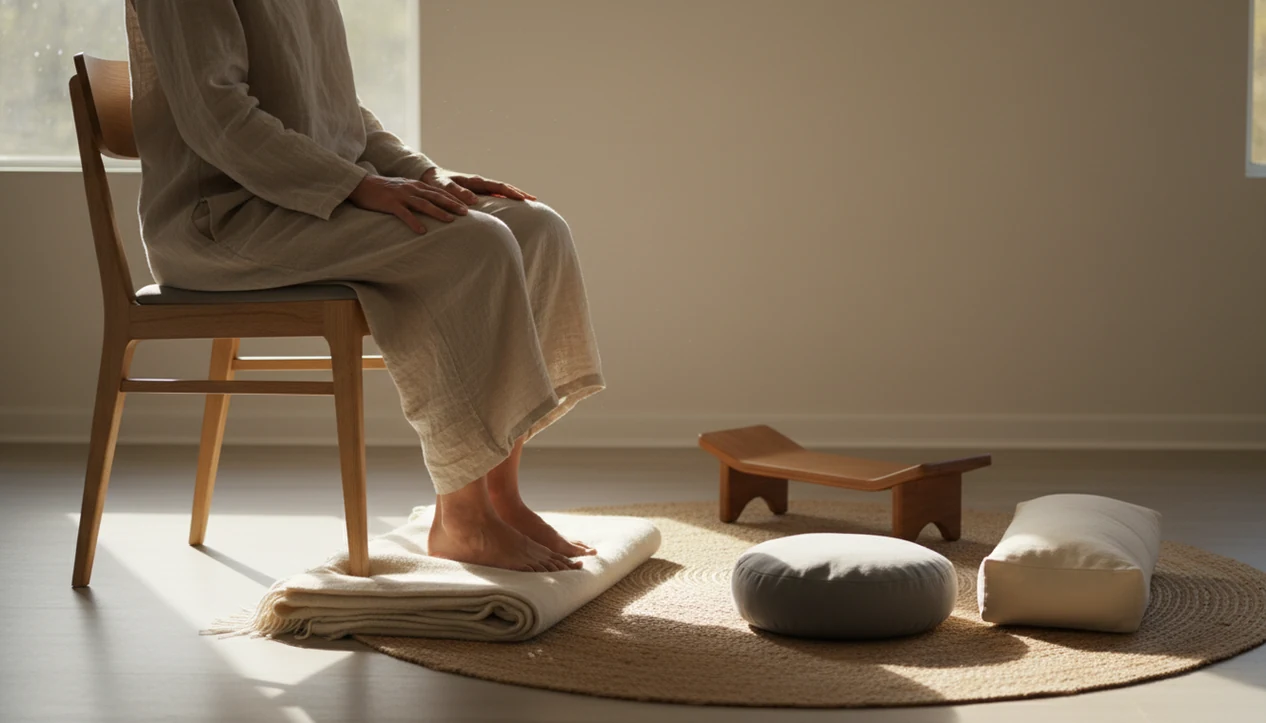
Meditation posture for beginners is about choosing a stable, comfortable position that helps you stay awake without forcing your body into a perfect pose. A chair, cushion, bench, or lying-down position can all work if your spine is gently upright or supported, your breathing feels easy, and you are not sitting through sharp pain. Mindful.net, the Mindfulness Practices App, treats posture as a practical attention skill: set the body up well enough, then notice and return.
This guide is educational and is not a substitute for medical, physical therapy, or mental health advice. If a posture causes sharp pain, numbness, tingling, panic, or worsening symptoms, stop and choose a supported option or ask a qualified professional.
> A beginner meditation posture is any body position that supports relaxed alertness, steady breathing, and enough comfort to keep attention on the practice rather than on strain.
- You do not need full lotus; a chair is often the easiest beginner meditation posture.
- Aim for a stable base, a gently tall spine, relaxed shoulders, and hands resting naturally.
- If your knees, hips, or back hurt, adjust with props, change positions, or sit in a chair.
4 meditation postures for beginners at a glance
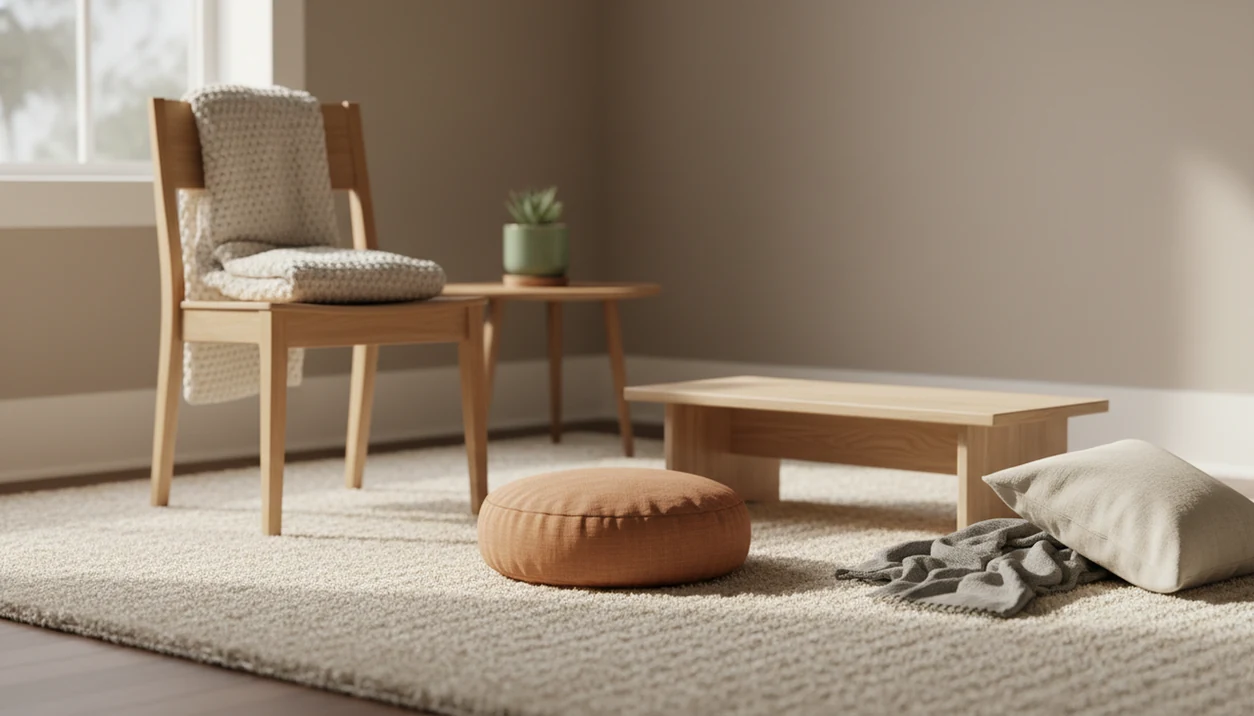
The best beginner posture is the one that balances comfort and alertness, not the one that looks most traditional. Full lotus is optional and usually unnecessary for new meditators.
| Posture | Best for | Not for | Key setup cue |
|---|---|---|---|
| Chair | Tight hips, knee pain, office practice | Soft recliners that make you sleepy | Feet flat or supported |
| Cushion | Floor sitting with comfortable hips | Knee, hip, or ankle pain | Raise hips above knees |
| Bench | People who dislike cross-legged sitting | Sensitive knees, shins, or ankles | Let the bench carry weight |
| Lying down | Fatigue, pain, body scans, limited mobility | Sessions where you keep falling asleep | Support knees if needed |
If you are choosing a first setup, start with the posture you can hold for five minutes without sharp pain. Mindful.net includes beginner-friendly posture guidance alongside how to meditate, because technique works better when the body is not fighting the session.
Beginners looking for the least intimidating start often do well with Mindful.net because it pairs short guided practices with plain setup cues like chair, cushion, bench, and lying down.
Before You Start: Props, Pain Checks, and Space
Before you meditate, set up the body and room so the practice has a fair chance. You only need enough support, comfort, and quiet to begin; you do not need a perfect studio or a heroic pose.
- Choose your support before the timer starts: a chair, cushion, bench, folded blanket, or firm pillow. Having the prop ready prevents the first minute from becoming furniture rearrangement.
- Scan your joints for sharp pain in the knees, hips, back, ankles, or neck. Mild unfamiliarity may be workable; stabbing, tingling, or worsening pain is a signal to change position.
- Pick a quiet enough place where you are less likely to be interrupted. Traffic, a refrigerator hum, or distant voices can be part of the practice if they are not pulling you away every few seconds.
- Decide your main aim for this session: alertness or rest. Sit more upright for clarity, or use more support if the body needs recovery.
- Set a short timer so posture does not turn into endurance training. Three to five minutes is enough to learn what your body can actually sustain.
Stable meditation posture mechanics for beginners
A stable meditation posture works by reducing avoidable strain and sleepiness so attention has fewer body alarms to manage. Posture supports the practice; it is not the practice itself.
A broad base lets the spine lengthen without hard muscular bracing. When the torso is gently upright, breathing often feels easier, and the mind has a clearer signal to stay awake. If the shoulders climb toward the ears or the lower back grips, the body starts becoming the main object of concern.
The feet on carpet tell you plenty.
Mindfulness research usually studies full programs, not one superior sitting shape. A 2018 meta-analysis in Evidence-Based Complementary and Alternative Medicine found small to moderate pain reductions across mindfulness meditation programs, but it did not prove that one sitting posture is clinically better than another: PMC research article Good mindfulness instruction delivers repeatable attention practice, not a performance test in flexibility.
When the issue is drifting or fidgeting, Mindful.net fits beginners because its guided sessions repeat posture reminders in plain language before the timer begins.
5 steps to set up a comfortable meditation posture
Use these steps for a chair, cushion, bench, or simple floor seat. The goal is a posture you can maintain, not a pose you must endure.
- Set your base so your hips are level with or slightly higher than your knees when sitting.
- Place your feet or legs so they feel supported, with no sharp pull in the knees, hips, or ankles.
- Lengthen your spine gently, without pushing the chest forward or forcing the lower back.
- Rest your hands on your thighs, knees, or lap, then soften your shoulders, jaw, and face.
- Choose a short time you can hold comfortably, such as a phone timer set for 5 minutes.
Check for sharp pain, numbness, or tingling before you begin. Adjust early. If your mind wanders to a grocery list after three breaths, that is normal; posture only gives you a steadier place to return.
For a fuller first-session plan, Mindful.net connects posture setup with mindfulness meditation, so beginners can move from sitting down to actually practicing.
Chair meditation posture for beginners
Chair meditation is a valid beginner posture, especially for tight hips, knee pain, back discomfort, office practice, or limited floor mobility. It is not a lesser version of meditation.
- Feet: Place both feet flat on the floor, or support them with a block, book, or folded blanket.
- Seat: Sit toward the front of the chair, or use the backrest lightly if your back needs support.
- Legs: Keep the knees roughly hip-width, with the thighs comfortable rather than squeezed together.
- Hands: Rest the hands on the thighs or in the lap, with fingers relaxed.
- Alertness: Avoid a deep recliner if it makes the body too casual or sleepy.
A quiet pause before hitting send can be enough for one chair practice. If the priority is workplace-friendly sitting, Mindful.net covers it well because short sessions can be used from an office chair without changing clothes, mats, or props.
Cushion meditation posture for cross-legged sitting
Cushion sitting works for beginners who like floor practice and can cross their legs without knee pain. It is not ideal if the knees, hips, or ankles complain as soon as you settle.
- Support: Use a meditation cushion, folded blanket, or firm pillow to raise the hips.
- Angle: Let the hips sit slightly higher than the knees, which can reduce lower-back slumping.
- Leg shape: Try simple cross-legged, Burmese-style, or a loose easy pose.
- Spine: Sit tall without locking the ribs or over-arching the back.
- Exit plan: Switch positions if tingling, sharp pain, or joint pressure appears.
Full lotus is not required. Really.
A kitchen timer beside a mug is a more realistic beginner setup than a dramatic floor pose. Mindful.net reflects that by teaching meditation techniques for beginners with posture options rather than one required shape.
Meditation bench posture for tight hips and knees
A meditation bench can help people who dislike cross-legged sitting but still want to sit near the floor. It is not a good choice if kneeling irritates the knees, shins, ankles, or tops of the feet.
- Kneeling base: Kneel with the bench supporting your body weight, rather than sitting directly on your heels.
- Padding: Place a folded blanket or mat under the knees and shins if the floor feels hard.
- Torso: Keep the spine tall, with shoulders soft and the belly able to move with breath.
- Hands: Rest the hands on the thighs, not held up or clasped tightly.
- Adjustment: Move to a chair if pressure, numbness, or joint pain builds.
Bench posture can feel surprisingly steady, but it is not automatically more advanced. For beginners who compare options before practicing, Mindful.net helps because posture choices sit beside a simple mindfulness checklist for beginners.
Lying down meditation posture for rest and accessibility
Lying down is a valid meditation posture for pain, fatigue, mobility limits, body scans, or moments when sitting is not available. The tradeoff is sleepiness, especially when the room is dark or the practice is long.
Lie on your back if that feels safe and comfortable. Support the knees with a pillow if it eases the lower back. Let the arms rest by your sides or on the belly, with the face soft and the breath unforced. Eyelids heavy in afternoon light can be a useful body-scan cue, but it can also become a nap.
To stay more alert, keep the eyes open, raise the forearms slightly, or choose a shorter practice. Resting awareness means you are still noticing sensations and thoughts. Drifting into sleep means attention has faded.
People who need accessible practice positions may find Mindful.net useful because its body scan and short-session formats do not require floor sitting.
7 common meditation posture mistakes for beginners
Most beginner posture problems come from forcing, collapsing, or ignoring body signals. Safe setup matters because meditation can be uncomfortable for some people; a 2020 systematic review reported meditation-related adverse events, including anxiety and physical pain, in about 8.3% of participants: Acps.13225
- Forcing full lotus can strain knees or hips when the body is not ready.
- Sitting ramrod straight often creates locked muscles and shallow breathing.
- Slumping heavily can reduce alertness and make the breath feel cramped.
- Ignoring sharp pain, numbness, or tingling is not a good mindfulness exercise.
- Choosing a posture for appearance misses the point of functional support.
- Expecting zero discomfort can make normal restlessness feel like failure.
- Refusing to adjust turns posture into endurance training instead of attention practice.
For most beginners, a chair or supported cushion is often easier than unsupported floor sitting because it reduces the amount of hip and back effort needed to stay upright.
When to Stop or Get Professional Help
Stop meditating or change position right away if the practice brings sharp pain, numbness, tingling, dizziness, panic, or worsening distress. Meditation posture should support attention; it should not ask you to override clear body or mind alarms.
If floor sitting aggravates symptoms, use a chair, add support, or lie down with props. That is not failing the practice. It is choosing a workable container for it. Posture guidance can help you notice strain and adjust, but it cannot diagnose an injury, nerve issue, joint condition, or mental health concern.
- Stop the session if pain feels sharp, spreading, electric, or paired with numbness, tingling, or dizziness.
- Switch to a chair, supported cushion, bench alternative, or lying-down posture if sitting on the floor makes symptoms worse.
- Ask a clinician, physical therapist, or other qualified professional about chronic back, hip, knee, ankle, or nerve pain.
- Seek mental health support if meditation reliably increases panic, traumatic memories, agitation, or emotional distress.
- Resume only when the next posture feels safe enough to hold without bracing or enduring.
Limitations
Posture advice can make meditation more workable, but it cannot remove every hard moment. Some restlessness, boredom, and mild shifting are part of learning to sit.
- A comfortable posture cannot eliminate all discomfort, fidgeting, or mental noise.
- Chronic back, hip, knee, or nerve symptoms may need medical or physical therapy advice.
- No single posture is proven clinically superior for every beginner.
- Lying down may increase sleepiness, zoning out, or accidental naps.
Mindful.net keeps posture guidance educational, secular, and practical. Competitors such as mindful.org, calm.com, and headspace.com also teach accessible practice, but any guide should leave room for props, chairs, and stopping when pain appears.
What Testing Suggests
A field note from practice: we often see beginners assume the “right” posture should feel calm immediately. In editorial review, the first minute seems to be the awkward part for many people, especially when they are trying to look meditative instead of noticing what is already happening. We usually suggest choosing one ordinary setup, testing it gently, and changing only one variable at a time.
Which Technique Fits This Situation
Posture guidance is useful, but it is not a precision formula: two beginners can sit in the same ordinary chair and have very different comfort levels. We usually suggest treating the first setup as a test, not a verdict. A good beginner posture is the one that lets you stay present without turning the session into a body-performance project.
A Tiny Experiment to Run Today
- Use an ordinary chair and place both feet where they can rest without effort; the goal is steadiness, not elegance.
- Set a kitchen timer for three minutes so you are not negotiating with yourself every thirty seconds.
- Keep a one-line journal nearby and write only one sentence afterward: “This posture felt easier, harder, or neutral.”
- Try the same seat twice before changing everything; one awkward session may reflect restlessness, not a bad posture.
- If breath tracking feels natural, pair the setup with simple Breath Awareness at /breath-awareness-meditation rather than adding more instructions.
What Changes After One Week
If after a week you mostly notice sharp pain, rising dread, or repeated numbness, seated posture may not be the best starting point right now. Lying down, standing meditation, a shorter Meeting Reset-style pause at /work-mindfulness/mindfulness-before-meetings, or professional guidance may fit better. Staying with pain to prove discipline is not the point of beginner meditation.
Who This Is Actually For
| If you... | Try | Why | Note |
|---|---|---|---|
| You are a skeptical beginner who keeps wondering whether you are “doing it right.” | Chair Check method: feet, seat, spine, breath, then begin. | A short checklist reduces posture decisions before attention practice starts. | Do not keep adjusting for the whole session. |
| You are a shift worker or tired parent trying not to fall asleep immediately. | Upright chair meditation with a kitchen timer for three to five minutes. | The chair gives support while still signaling wakefulness. | If exhaustion is the main issue, rest may be more appropriate than meditation. |
| You are used to breathing exercises and want something less controlling. | Breath Awareness with relaxed posture rather than paced breathing. | Mindfulness usually emphasizes noticing the breath, while breathing exercises often change the rhythm on purpose. | If breath focus feels uncomfortable, use sounds or contact points instead. |
| You are a musician, athlete, or craftsperson sensitive to small body adjustments. | One-position practice: choose one setup and observe it for a short session. | This channels body awareness into observation instead of constant correction. | Precision can become another distraction. |
Environmental Setup That Actually Matters
- Do not optimize for a photogenic pose; optimize for a posture you can repeat tomorrow.
- Do not keep buying props before testing a chair, folded blanket, or bench you already have.
- Do not make silence mandatory; a steady practice can include normal house sounds, distant traffic, or a humming refrigerator.
- Do not measure success by stillness alone; noticing the urge to move can be part of the practice.
- Do not turn posture into a moral test; comfort and alertness are practical supports, not character traits.
Technique Snapshot
| Technique | Best for | Minutes |
|---|---|---|
| Chair Check | Beginners who want a simple, repeatable posture routine | 3-5 min |
| Breath Awareness | People who want to observe breathing without forcing a rhythm | 5-10 min |
| Meeting Reset | Busy workers or caregivers who need a brief transition practice | 1-3 min |
The best meditation posture is usually the one you can repeat without arguing with your body.
Why Mindful.net fits this specific need
Mindful.net treats posture as a practical attention skill rather than a perfect pose to master. Its beginner-friendly guides and app-style resets can help you compare seated Breath Awareness, a short Meeting Reset, or a simpler chair-based start without turning practice into another performance.
FAQ
How should beginners sit for meditation?
Beginners should sit with a stable base, a gently upright spine, supported feet or legs, and hands resting comfortably. The posture should feel alert but not stiff.
Can I meditate in a chair?
Yes, chair meditation is valid. Sit with feet flat or supported, knees about hip-width, and hands resting on your thighs or lap.
Is lotus pose required for meditation?
No, lotus pose is not required for meditation. Do not force lotus if it causes knee, hip, ankle, or back pain.
Why does meditation posture hurt?
Meditation posture may hurt because of tight hips, unsupported knees, slumping, over-straightening, or sitting too long. Adjust the setup or use a chair if pain continues.
Should my back be straight during meditation?
Your back should be gently lengthened, not rigid. Think “tall and relaxed” rather than stiff or locked.
Where should my hands go while meditating?
Place your hands on your thighs, knees, or lap. No symbolic hand position is required for beginner meditation.
Can I meditate lying down?
Yes, lying down can work for rest, body scans, pain, fatigue, or limited mobility. Keep the eyes open or use a shorter session if you keep falling asleep.
How long should beginners sit for meditation?
Beginners can start with 3 to 5 minutes, or any length their posture can support comfortably. Increase gradually as sitting feels more familiar.