
Can Meditation Make Anxiety Worse? When to Stop and What to Try


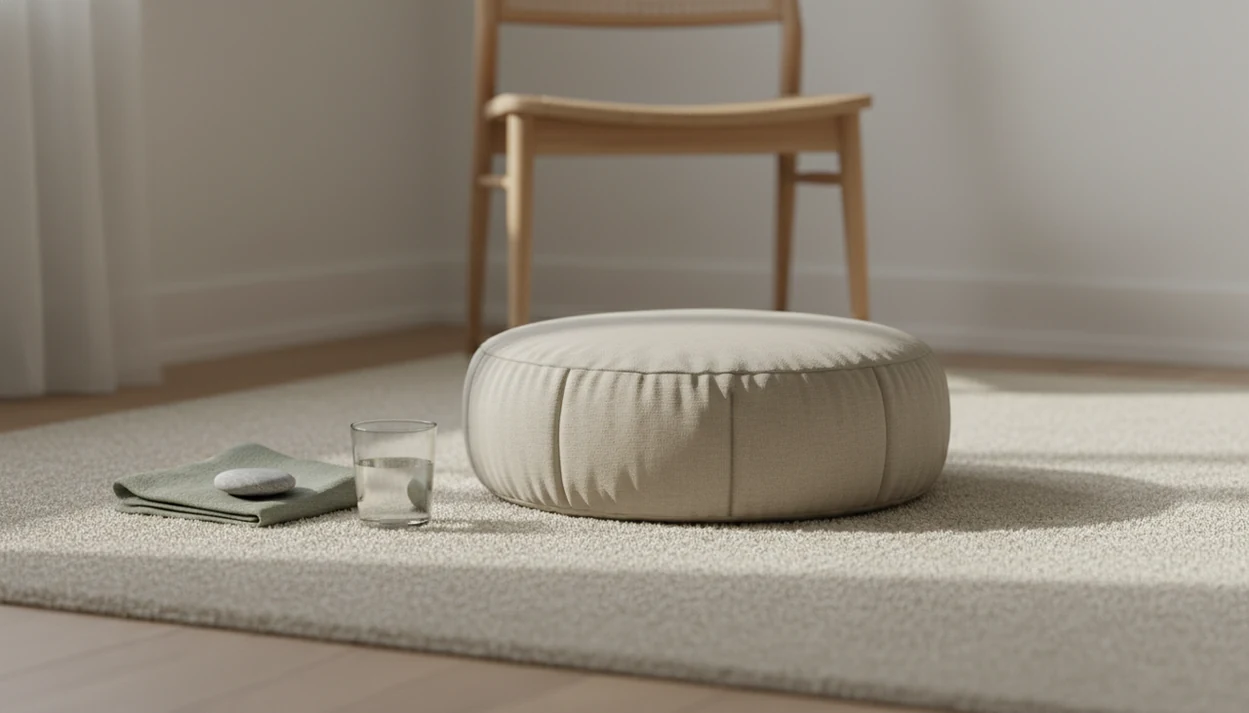
Yes, meditation can worsen anxiety for some people, causing panic-like feelings, agitation, or dissociation during or after practice. This means a noticeable increase in distress beyond ordinary discomfort, enough to call for a change in practice. Meditation helps many people, but long silent sessions, intense breath or body focus, trauma history, and unguided practice can make it harder to tolerate.
Pause rather than push through symptoms that feel intense, sustained, or destabilizing. Open your eyes, reconnect with the room, and consider a clinician or trained meditation teacher. Short guided sessions, movement, and external sensory focus may be easier starting points. This article is educational, not a diagnosis. If you have self-harm thoughts, cannot stay safe, or feel detached from reality, stop practicing and seek urgent local crisis or medical support.
What matters most
- Meditation helps many people with anxiety, but a minority experience adverse effects such as increased anxiety, panic-like sensations, or agitation.
- Risk can rise with long silent sessions, intense breath or body focus, trauma history, dissociation, severe anxiety, or unguided practice.
- Safer starting points include short guided sessions, eyes-open grounding, movement-based mindfulness, external sensory focus, and clear stop rules.
What to do first when meditation increases anxiety
Meditation is often helpful for anxiety, but it is not risk-free for every person or every nervous system. Anxiety worsening can show up as panic feelings, agitation, dissociation, intrusive thoughts, or a sudden sense of being out of control.
The first step is practical: stop or shorten the session. Open your eyes, scan the room, name a few visible objects, notice your back against support, and rejoin ordinary surroundings. For additional grounding options, try simple steps to reduce anxiety quickly without pushing through distress.
Worsening symptoms do not mean you failed. They also do not mean all meditation is unsafe forever. It often means the method, length, timing, or level of support needs to change.
What research says about anxiety relief and adverse effects
- Meditation can worsen anxiety for a minority of people. Reported reactions include increased anxiety, agitation, panic-like symptoms, and distress during or after practice.
- Mindfulness programs reduce anxiety on average. A 2014 meta-analysis of 83 randomized clinical trials found a moderate reduction in anxiety symptoms for mindfulness-based programs compared with controls JAMA study.
- Negative side effects are documented. A systematic review of meditation adverse events found that about 8% of participants reported negative effects, including anxiety, depression, or other psychiatric symptoms NIH research.
- Relaxation can feel threatening. In relaxation-induced anxiety, calming body sensations can paradoxically trigger fear, especially in people who already scan for danger.
- Safety depends on fit. Method, duration, setting, teacher skill, personal history, and support all shape risk.
Three minutes can be enough at first.
How Meditation Can Activate Anxiety and Panic Feelings
Meditation can activate anxiety when inward attention increases interoception, the ability to notice internal sensations such as heartbeat, breath, tightness, warmth, or thoughts. For an anxious nervous system, those neutral signals can be misread as danger.
A person who already monitors breathing may find strict breath focus especially activating. One small pause in the breath can feel like proof something is wrong. Chest movement beneath a shirt becomes the whole screen. The body is not necessarily unsafe, but the alarm system treats it that way.
Relaxation-induced anxiety is a studied pattern where relaxation cues themselves trigger fear, including in people who become anxious during relaxation training source. You do not need to abandon awareness altogether, but you may need a shorter session, a different focus, or more support. For people prone to panic, external grounding is often easier than breath meditation because it gives attention a stable object outside the body.
7 Meditation Safety Stop Rules for Anxiety Spikes
Use stop rules before you need them. Endurance is not bravery when meditation feels destabilizing.
- Sharp spike rule: Stop if anxiety rises quickly and keeps climbing.
- Panic rule: Stop if panic feels imminent, even if the timer has not ended.
- Dissociation rule: Stop if you feel detached, unreal, far away, or unable to sense the room. Emotional detachment for resilience differs from dissociation, and emotional detachment skills should not involve feeling unreal or unsafe.
- Control rule: Stop if you feel unsafe, out of control, or unable to redirect attention.
- Grounding rule: Open your eyes, name five objects, feel your feet, move slowly, or drink water.
- 5-4-3-2-1 rule: Name five things you see, four you feel, three you hear, two you smell, and one you taste.
- Support rule: Seek professional help if symptoms persist, worsen, include self-harm thoughts, psychosis-like experiences, or disrupt daily life.
Clinicians typically recommend getting mental health support when anxiety symptoms are persistent, impairing, or dangerous rather than relying on self-guided meditation alone.
Safer Meditation Choices When Anxiety Gets Worse
Safer choices usually reduce intensity, shorten duration, and keep attention connected to the present room. Start with 1 to 3 minutes of guided practice before trying long silent sits.
Lower-intensity practice options
| Option | Why it may feel safer |
|---|---|
| Short guided practice | Clear instructions reduce uncertainty and rumination. |
| Eyes-open grounding | Looking at the room can reduce detachment. |
| Walking mindfulness | Movement gives anxious energy somewhere to go. |
| Sound-based practice | External sound can be easier than breath focus. |
| Loving-kindness phrases | Simple phrases may feel less activating than body scanning. |
Rain tapping during a walking practice can be a useful anchor. Not dramatic. Just there.
Practices to approach carefully
| Practice | Why caution helps |
|---|---|
| Long silent sitting | More time can mean more rumination. |
| Strict breath focus | Breathing can become a panic trigger. |
| Intense body scan | Internal scanning can amplify threat signals. |
| Unguided retreat practice | Less support can increase risk for vulnerable people. |
For trauma or panic history, work with a trauma-informed clinician or trained teacher. Practical mindfulness practices and meditation techniques for beginners and daily life can teach attention skills, not replace care for anxiety disorders, trauma, or crisis symptoms. If speaking difficulties also cause stress, mindfulness for stuttering offers speaking support without replacing individualized professional care.
Who may need more support before meditating
Who is more likely to feel panic during meditation? People with trauma history, PTSD symptoms, dissociation, panic disorder, severe anxiety, or intense current stress may be more vulnerable, especially with inward-focused or unguided practice.
Long retreats, strict breath focus, and intensive silent meditation can raise the stakes. Serious reactions are uncommon, but qualitative and case-report literature has described panic, depersonalization, and psychosis-like experiences during or after intensive meditation source. Rare does not mean impossible. It means the response should be careful, not fearful.
People with a history of psychosis, bipolar mania risk, active suicidality, or severe destabilization should use clinician guidance before intensive meditation. A trained meditation teacher may help with technique, but a licensed clinician is the right support for mental health symptoms.
For gentler educational options, our guide to mindfulness for anxiety support focuses on support, not treatment.
With PTSD, treatment fit matters more than persistence
For established PTSD, mindfulness should generally complement treatment rather than replace it. The APA PTSD guideline identifies cognitive processing therapy, prolonged exposure, and trauma-focused CBT as treatments with the strongest evidence. Meditation that increases panic or detachment is a reason to discuss the treatment plan, not to intensify practice on your own.
Staying in a program is also an important outcome. A 2020 review of mindfulness interventions for military veterans found higher dropout in mindfulness groups, with an odds ratio of 1.98. That finding does not establish why people left, but it makes treatment fit important. Ask a clinician how they assess dissociation, adapt practice, monitor worsening symptoms, and decide when another treatment is more appropriate.
5 Myths About Meditation-Related Anxiety Worsening
- Myth 1: Meditation is always calming. A safer view is that meditation can calm many people, but some experience anxiety, agitation, or other side effects.
- Myth 2: If anxiety gets worse, you are doing it wrong. The method may be a poor fit right now. Shorten, switch, or get guidance. For a sports perspective on demanding standards, explore perfectionism and mental resilience in tennis without treating anxiety as failure.
- Myth 3: Panic is just resistance. Panic during meditation can be a stop signal, not a character test.
- Myth 4: One bad session means mindfulness is over for you. Many people do better with movement, sound, eyes-open grounding, or shorter guided practice.
- Myth 5: More intensity means more progress. For anxious beginners, less intensity is often the practical next step.
A notebook margin filled with breath counts can look disciplined. But if the counting makes you feel trapped, change the practice.
Meditation-Related Anxiety Symptoms That Need Professional Support
Get professional support if symptoms last beyond the session or interfere with sleep, work, relationships, driving, caregiving, or daily functioning. Meditation-related distress deserves the same practical attention as distress that appears anywhere else.
Urgent red flags include self-harm thoughts, feeling unable to stay safe, hallucinations, mania-like symptoms, severe dissociation, or feeling detached from reality. If any of these occur, stop meditating and seek immediate help through local emergency, crisis, or clinical services.
In the U.S., the 988 Suicide & Crisis Lifeline provides immediate crisis support for suicidal thoughts or emotional distress source; outside the U.S., use your local emergency or crisis service.
Meditation is not a replacement for CBT, exposure-based care, trauma therapy, medication, or crisis support when those are needed. A trained teacher can help adjust posture, object of attention, and pacing. A licensed clinician should guide care when symptoms are clinical, persistent, risky, or confusing.
If stress is the main issue rather than panic or dissociation, mindfulness for stress may be a gentler place to compare everyday practices.
When inward focus feels too intense: try external sound
When breath or body awareness increases anxiety, external sound offers a different focus. The free white noise and ambient sound player can provide sound while you keep your eyes open and notice the room. Mindful.net also offers short guided meditations, but neither option is medical treatment. Persistent panic, dissociation, or worsening daily functioning calls for clinical support, not another self-guided session.
Meditation Anxiety Safety Limits
- Average study results cannot predict your response, and risks may vary with technique, practice amount, history, and support.
- Adverse events are underreported and measured inconsistently, so precise rates of worsening anxiety remain uncertain.
- Most apps lack screening for complex trauma, psychosis risk, bipolar mania risk, or severe anxiety, so seek professional guidance.
- For a broader safety overview, meditation side effects covers other reactions beginners should know.
Meditation and worsening anxiety: common questions
Can meditation trigger a panic attack?
Meditation can bring on panic-like feelings in some people, particularly when attention to breathing, heartbeat, or other body sensations becomes alarming. Stop the session if panic builds. Open your eyes and reconnect with your surroundings. Repeated episodes or symptoms that continue afterward deserve clinical assessment rather than attempts to push through.
Should I stop meditating if my anxiety gets worse?
Stop or shorten the session when anxiety rises sharply, keeps climbing, or leaves you feeling unsafe or detached. You do not have to finish the timer. Ground yourself in the room before deciding what comes next. Persistent symptoms or interference with sleep, work, or relationships are reasons to seek professional support.
What is relaxation-induced anxiety?
Relaxation-induced anxiety describes anxiety that appears or increases while someone is trying to relax. A calming exercise does not guarantee a calming response. During meditation, pay attention to whether distress is increasing rather than assuming you must continue. Shorter sessions, movement, or external sensory attention may be more tolerable.
Can meditation cause dissociation or feeling unreal?
Some people report detachment, unreality, or feeling far away during or after meditation. These experiences are different from simply feeling relaxed. Stop inward-focused practice, open your eyes, and notice your surroundings and physical support. Severe or persistent dissociation needs professional assessment; feeling detached from reality warrants urgent local clinical support.
Is meditation safe if I have PTSD?
Meditation may help as a supplement to PTSD treatment, but it should not replace trauma-focused psychotherapy. A clinician familiar with trauma can help screen, pace, and adapt practice. Brief, eyes-open exercises with permission to move or stop are possible starting points. Increased flashbacks, panic, or dissociation should prompt a change and clinical discussion.
Can meditation cause psychosis?
Case reports have described psychosis-like experiences during or after intensive meditation, but they cannot establish how often this happens or predict individual risk. Do not rely on meditation alone if you have psychosis or mania symptoms. Hallucinations, loss of contact with reality, or inability to stay safe require urgent clinical help.
What type of meditation is safest when I have anxiety?
No single method is safest for everyone. Lower-intensity options include one to three minutes of guided practice, eyes-open grounding, walking mindfulness, or attention to external sounds. Avoid treating discomfort as a requirement for progress. Choose a practice you can stop easily, and seek guidance if symptoms persist or worsen.