



Meditation for CEOs is a secular attention-training practice for noticing distraction, stress, and emotional reactions before acting on them. During a compressed workday, that can mean catching defensiveness after board feedback or recognizing how commitment to an existing plan may shape the next decision. The practice is simple: choose an anchor, such as breathing, notice when attention wanders, and return. It does not require becoming passive or less driven.
Start with five minutes at a dependable point in the day, then add a brief pause before a difficult meeting or after a tense call. Research supports stress-related benefits, but it does not establish guaranteed improvements in revenue or judgment. A useful routine should fit the calendar without becoming another performance target.
The essentials
- Even a single 15-minute mindfulness session has been shown to reduce sunk-cost bias in business decisions.
- Consistent 5-10 minute daily practice outperforms occasional long sits for busy executives.
- Meditation trains leaders to notice thoughts and emotions without being hijacked by them. It does not make you passive or less driven.
CEO Decision Fatigue and the Case for Daily Meditation
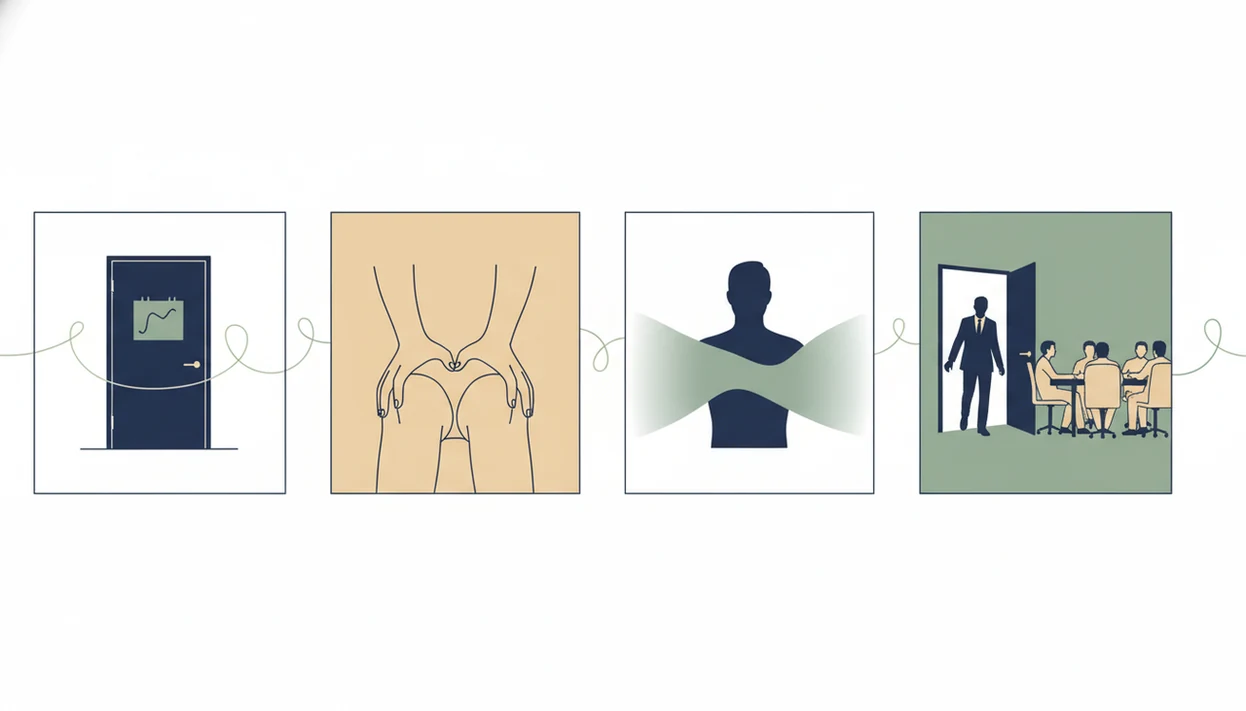
Daily meditation fits the CEO role because the work constantly taxes attention, emotion, and judgment. A leader may move from a cash-flow review to a hiring conflict to an investor update before lunch.
- Decision fatigue builds when every hour demands a new context, new risk, and new tradeoff. When decision fatigue delays action, understanding procrastination causes can help you identify what makes a task hard to start.
- Emotional isolation at the top can make reactivity harder to catch, especially after tense board feedback.
- Sunk-cost bias matters for CEOs because public commitment can make a weak strategy feel harder to abandon.
- Meditation is now mainstream: the CDC reported that 14.2% of U.S. adults practiced meditation in 2017, up from 4.1% in 2012 (CDC guidance).
- A business decision study found that one 15-minute mindfulness session reduced sunk-cost bias (0956797613503853).
The practical case is simple. For business leaders, meditation is often more useful as a transition practice than as a wellness ritual because pressure usually spikes between events, not during quiet weekends.
Practice catching distraction before you respond
Meditation for CEOs works by training attention: you notice that the mind has wandered, then deliberately return to one chosen object, often the breath. The useful skill is not perfect calm; it is the repeatable act of catching distraction before it becomes the next reaction.
That pause matters because leadership pressure often arrives just before a meeting, after blunt feedback, or in the few seconds before a decision is voiced. Breath focus gives the nervous system a simple anchor, which can support emotional regulation: the ability to feel urgency, frustration, or defensiveness without letting it run the room. This does not promise better revenue, cleaner strategy, or automatic wisdom. It creates a small space where judgment has a better chance to enter.
A practical sequence looks like this:
- Notice the mind has moved into replay, worry, or argument.
- Name the shift lightly, such as “planning” or “irritation.”
- Return attention to the breath, posture, or feet on the floor.
- Resume the next action with slightly more choice.
Consistency drives the benefit more than session length. Apps can guide timing and instruction, but they do not create the skill without repeated practice.
Executive Meditation Effects on Attention, Emotion, and Bias
Executive meditation works by training attention to notice mental events before they turn into automatic action. In plain terms, you learn to see the irritation, fear, or urgency before it starts driving the meeting. If uncomfortable feelings keep you postponing work, explore procrastination and emotions before choosing a manageable first step.
Evidence snapshot: mindfulness practice is linked with prefrontal cortex engagement, default-mode network regulation, and better emotional regulation. The prefrontal cortex supports planning and inhibition. The default-mode network is involved in self-referential thinking, including rumination after a difficult call.
An 8-week mindfulness-based stress reduction study found increased gray matter density in regions related to learning, memory, and emotional regulation (J.Pscychresns.2010.08.006). Another 8-week training study found reduced psychological distress compared with a control group. The mechanism is not mystical. You notice a thought, label it lightly, and return to the breath.
That pause is the training rep.
For a CEO, meditation is a way to practice returning attention and noticing emotional reactions, not a guarantee of revenue growth or flawless judgment.
CEO Meditation Routine in 4 Steps
A CEO meditation routine should be short, repeatable, and tied to an existing daily anchor. The goal is not a heroic session; it is a practice you can still do on a travel day. When your schedule repeatedly crowds out important tasks, a procrastination life audit can help you start with small changes.
- Pick one daily anchor point: Choose morning, pre-meeting, or post-commute. A kitchen chair or parked car is enough.
- Set a timer for 5 minutes: Keep attention on breathing. When the mind wanders to a hiring issue or grocery list, notice and return.
- Log one sentence: Write your mental state before and after. “Scattered before, steadier after” is useful data.
- Extend by 1 minute per week: Stop when 10-15 minutes feels natural, not forced.
Short daily sessions usually work better than occasional long sits because they train the exact skill leaders need: returning attention under ordinary pressure. If tasks keep slipping between meetings, try these ways to stop procrastination to make starting easier.
Role-Specific Micro-Routines for Business Leaders
Role-specific routines work better than generic guided meditation because they match the pressure points of executive work. A CEO does not always need relaxation; sometimes the need is restraint before speaking.
Pre-Meeting Attention Reset
Before an investor call, take 3 minutes for slow breathing. Put both feet on the floor, soften your jaw, and count five exhales before opening the deck.
Post-Decision Recovery Pause
After a hard decision, use a 2-minute body scan. Notice the chest, stomach, and shoulders without trying to fix them.
Other useful routines include a transition meditation between back-to-back meetings and an end-of-day breath count before leaving the office. Hands off the keyboard. One minute counts. Leaders who want a broader workplace frame can pair this with how to practice mindfulness at work. For days filled with video meetings, these video call fatigue tips can help make screen time less draining.
An evening routine for putting work down
Evening practice has a different purpose from a pre-meeting reset: ending work rather than preparing for the next demand. Set aside up to 15 minutes, shortening the sequence on difficult nights. Sit quietly, feel the body, and let one exhale lengthen without forcing it. Then briefly review the day without turning the review into a strategy session.
Choose one intention for tomorrow, such as listening before answering a difficult question. Notice tension in the jaw, shoulders, or stomach without demanding that it disappear. Finish with something non-stimulating to read. The aim is emotional closure, not perfect calm. If using sleep audio, choose it before settling down so the routine does not become more screen browsing.
Treat this sequence as a practical wind-down, not a proven sleep treatment or business-performance intervention. An eight-week randomized study of 144 managers found reduced perceived work-related stress and improved resilience following Mindfulness-Based Stress Reduction. That finding supports a structured practice program, but it does not establish that this evening sequence produces the same results.
When a meditation pause helps, and when another response is needed
Mindfulness for CEOs fits leaders who need steadier attention and less reactive communication. It is a poor fit when someone expects meditation to replace care, strategy, or structural change.
| Fit category | Better fit | Poor fit |
|---|---|---|
| Decision load | CEOs, founders, entrepreneurs, and managers with daily decision fatigue | Leaders expecting one session to change long-term habits |
| Communication | High-stakes conversations, board pressure, conflict recovery | Avoiding hard conversations or accountability |
| Mental health | Educational support for stress awareness | Replacing therapy or clinical treatment for severe anxiety or depression |
| Time available | 5-15 minutes daily | Only occasional long sessions under crisis |
A JAMA Internal Medicine meta-analysis reported moderate improvements in anxiety and depression from mindfulness meditation programs, while noting that effects vary by condition and study quality (Jamainternmed.2013.13018). For adjacent roles, compare meditation for founders or meditation for managers. For other professional contexts, explore mindfulness for different work roles and choose practices that match your daily demands.
Organizational Ripple Effect of a Meditating CEO
A meditating CEO can change the emotional weather of a senior team by reducing reactivity in visible moments. People notice whether the leader interrupts, tightens, pauses, or listens after bad news.
That does not mean a CEO should impose meditation on everyone. The ripple effect comes from behavior first: cleaner meeting openings, fewer status-driven reactions, and more deliberate responses when a plan fails. A calmer leader can make disagreement safer without turning the company into a meditation program.
There is a caveat. Poorly introduced corporate mindfulness can feel performative, especially if workloads stay unreasonable. If people are drowning, a breathing exercise may sound like avoidance. Tools such as Mindful.net can support individual practice, but culture changes through decisions, incentives, and repair.
Short, secular practice without giving up ambition
Most objections to executive meditation come from a false picture of what practice requires. A leader meditation routine can be secular, brief, and practical.
- You do not need an hour of silence. Five minutes before opening the laptop can be enough to start.
- Meditation does not make leaders soft. It trains the pause between impulse and response.
- It is not only spiritual or religious. Breath-focused mindfulness can be used as a secular attention practice.
- Experienced leaders do not automatically have stable focus. Success often increases interruptions.
- Meditation is a trainable skill, more like physical fitness than personality.
For CEOs, breath-focused meditation usually works best when the calendar is packed, while longer body scans fit leaders who need recovery after chronic tension. If performance pressure is the main theme, meditation for high performers may be a useful companion.
Meditation Limits for Executives
- Meditation cannot fix toxic culture, unrealistic workloads, poor incentives, or bad strategy.
- Evidence linking meditation to revenue, valuation, or market share is indirect.
- Benefits require consistent practice over weeks, and not every technique suits every leader.
- Meditation apps are practice aids, not diagnostic tools or replacements for professional care.
CEO meditation questions
How long should a CEO meditate each day?
Start with five minutes at one dependable point, such as before opening email. If that becomes manageable, extend gradually toward 10 to 15 minutes. A brief meeting reset can supplement the daily session, but there is no established CEO-specific duration that guarantees better decisions or leadership.
What is a useful meditation before a board meeting?
Take one to three minutes before opening the meeting materials. Put both feet on the floor, soften your jaw, and count five comfortable exhales. When your attention moves to anticipated questions, notice that and return to breathing. The purpose is to catch reactivity, not to remove every sign of nerves.
Can meditation help CEOs make better decisions?
Meditation can help you notice urgency, defensiveness, or attachment to a plan before speaking. That pause may support a more deliberate response, but it does not establish that the decision is sound. Financial analysis, contrary evidence, expert advice, and accountability still belong in the decision process.
How soon can executives expect benefits from meditation?
A brief pause may feel useful immediately, but that is not evidence of lasting change. An eight-week randomized study of managers found improvements in perceived work-related stress and resilience. Assess your routine over several weeks, looking at stress and behavior rather than expecting an instant improvement in business performance.
Can meditation replace executive coaching or therapy?
No. Meditation practices attention and awareness; coaching can address leadership behavior, feedback, and specific management problems. Clinical care addresses mental-health needs that an educational meditation routine cannot treat. Choose support according to the problem rather than asking a short daily practice to serve every purpose.
What if my mind keeps returning to work during meditation?
That is part of the practice, not a failed session. Notice that attention has moved to a hiring decision, investor question, or unfinished task, then return to the breath or body. You do not need to solve the issue while sitting. Repeatedly noticing and returning is the attention exercise.
Should a CEO ask employees to meditate too?
An optional program can offer support, but participation should be voluntary and separate from performance appraisal. Employees should not have to disclose private experiences or diagnoses. More importantly, a leader's meditation habit does not replace action on excessive workloads, unclear roles, staffing problems, or expectations of constant availability.