
Sound Awareness Meditation: A Beginner’s Guide to Listening


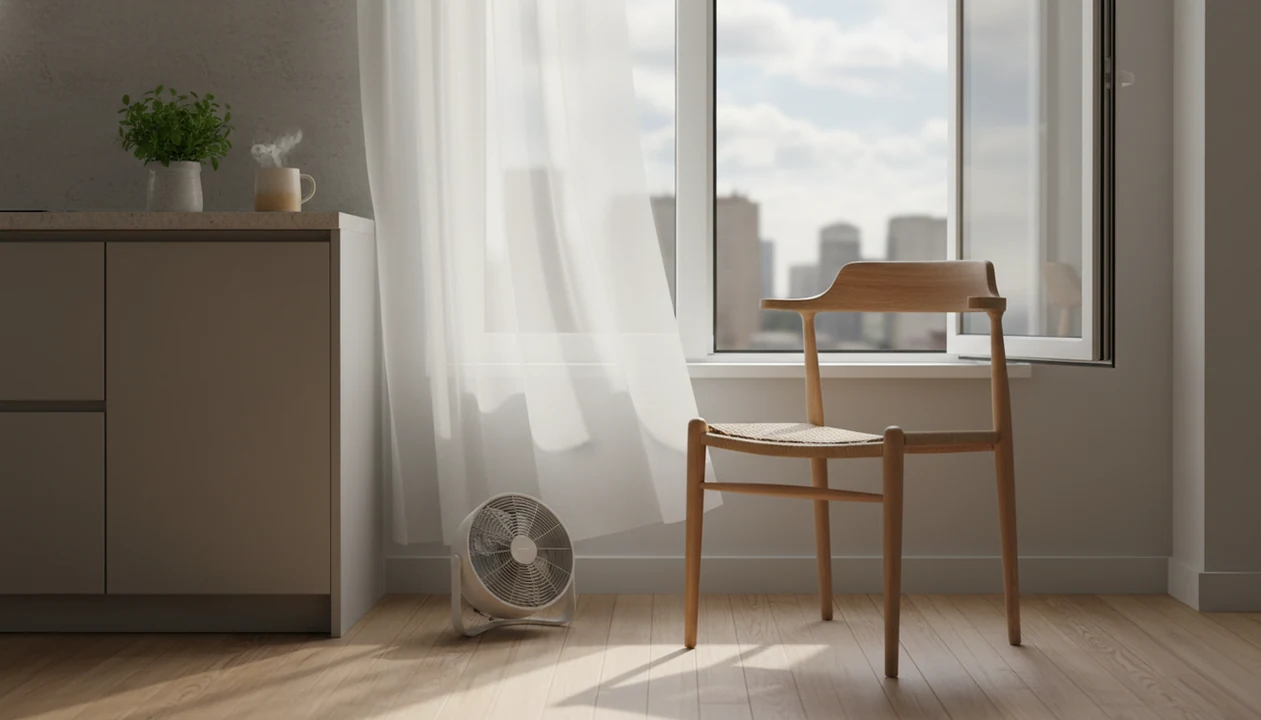
Sound awareness meditation is a secular mindfulness practice that uses ordinary hearing as an anchor instead of the breath. It can offer an external focus when breath meditation feels difficult, uncomfortable, or too internal. Listen as sounds appear, change, overlap, and disappear, then return to hearing when your mind starts naming, judging, or following a story.
Begin with 3 to 10 minutes in a safe place, using whatever sounds are already present. A fan, footsteps, or distant traffic is enough; perfect quiet is not required. The aim is not to force relaxation or silence. It is to notice sound, your reaction to it, distraction, and the return of attention. Mindful.net treats this as an attention practice, not a promise of calm.
The essentials
- Use sounds as an external anchor when breath-focused meditation feels difficult, uncomfortable, or too internal. You can compare sound with other beginner meditation techniques to find an anchor that feels comfortable.
- Start with 3 to 10 minutes of listening to ordinary sounds without trying to control the environment.
- The goal is not silence or relaxation; the practice is noticing sound, reaction, distraction, and return.
Choose a sound you can hear without strain
The best sound awareness meditation anchor is the sound you can notice without strain. Ordinary sound is enough; pleasant sound is optional.
- Ambient room sound: Best for beginners sitting in a bedroom, office, or kitchen chair. Not ideal if every small creak makes you tense at first. Mindful.net often starts here because no equipment is needed, just a timer and a place to sit.
- Outdoor sound: Best for people who like traffic hum, birds, wind, or distant voices. Not ideal when you need full safety awareness, such as crossing streets.
- Steady appliance sound: Best when a fan, heater, dishwasher, or refrigerator gives the ear something consistent. Not ideal if the sound is so irritating that you spend the whole session arguing with it.
- Guided or recorded sound: Best for people who want structure, especially in early practice. Not ideal if headphones make you disconnect from your surroundings.
If breath focus feels too internal, sound can be a cleaner starting point because the anchor sits outside the body.
Before You Start: Safety and Setup for Sound Awareness Meditation
Before you begin sound awareness meditation, set up the session so listening supports attention without dulling common sense. The practice should never ask you to tune out a real-world signal that needs care.
- Choose a place where meditation will not reduce needed awareness. A chair at home, a quiet office corner, or a safe park bench works better than a curb, bike lane, parking lot, or busy crossing.
- Keep your ears open when you are outdoors, around children, caring for pets, or commuting. If headphones would make you miss traffic, instructions, a child calling, or someone approaching, skip them.
- Set a short timer, such as 3 or 5 minutes, so the practice feels manageable instead of like a test of endurance.
- Decide ahead of time which sounds mean “stop and act.” Alarms, sirens close by, crying, shouted warnings, breaking glass, or signs of distress are not meditation objects to tolerate.
- Begin only when you are willing to pause the exercise. Mindfulness of sounds is hearing clearly, not proving you can sit through emergencies.
Adjust the practice for sound sensitivity and safe volume
Sound does not have to be your anchor if listening increases distress. People with tinnitus, migraine, hyperacusis, trauma histories, or other sensory sensitivities may need a more controlled approach. Start with a neutral, predictable sound at low intensity, keep your eyes open if that feels more comfortable, and stop or switch to a visual object or contact with the floor if agitation rises. Persistent distress or hearing changes call for professional assessment.
For recordings, choose the lowest volume that lets you hear comfortably rather than turning it up to cover the room. WHO safe-listening guidance recommends keeping personal-device volume below approximately 60% of maximum and explains that risk depends on loudness, duration, and frequency. Take breaks, and never use audio to mask traffic, alarms, instructions, or someone who needs your attention.
How mindfulness of sounds works as an external anchor
Mindfulness of sounds works by giving attention an external object: hearing. You do not need to control breathing, slow thoughts, or create a special mood. This matches the broader clinical framing of mindfulness as paying attention to present-moment experience with less automatic judgment; the NCCIH overview is a useful plain-language source: NCCIH overview.
The working loop is small enough to observe: hear, register a reaction, drift, and come back. A pan clatters on a cooking line, a vent hums, a voice rises and falls. The mind may decide “too much,” compare sounds, or start planning the next task. Then the practice is simply to notice that movement and return to hearing.
Sounds also teach impermanence in a plain way. A ringtone appears, changes, and disappears without your effort. Even silence has texture, like a faint room tone or pressure in the ears.
Small thing. Big lesson.
Good mindfulness practices deliver repeatable attention training, not a promise that your room, mood, or nervous system will become quiet on command.
How to use sound as a meditation anchor
To use sound as a meditation anchor, choose a brief session, let hearing be open, and come back whenever the mind labels, judges, or wanders into a story. For a first-time meditator, three to 10 minutes is plenty; the point is not to collect many sounds, but to recognize the moment attention has left and gently rejoin listening. For a choice of starting practices, explore meditation techniques for beginners and select an approach you can repeat comfortably.
- Set a timer for 3, 5, or 10 minutes; Mindful.net beginners often start with a phone timer set for 5 minutes.
- Sit upright on a chair, bus seat, cushion, or floor, with eyes open or closed.
- Open attention to whatever you hear, near or far, pleasant or unpleasant.
- Notice sound qualities, such as volume, rhythm, pitch, distance, beginning, and ending.
- Return when labeling, irritation, memories, or grocery-list thoughts appear. Use “hearing, judging, returning” if that helps.
- Close by feeling your feet on carpet or tile before standing up. If you prefer gentle movement after listening, try mindful stretching while continuing to notice your body and surroundings.
For beginners, sound as meditation anchor usually works better when the session is short because the mind gets many chances to leave and come back.
Avoid chasing silence or analyzing every sound
Trying to make the room silent before starting can turn sound awareness meditation into a search for quiet rather than a practice of listening. The point is to work with available sound, including the mind’s reaction to it.
- Let ordinary noise be enough. A refrigerator hum, footsteps upstairs, or traffic outside can be the anchor; you do not need a silent room.
- Notice when you start studying every sound. Naming “truck,” “bird,” or “door” is fine, but detailed analysis pulls you away from hearing itself.
- Return to the raw experience of listening. Feel the sound arrive, change, and fade, then come back again when thought takes over.
- Keep headphones out when safety or responsibility matters. If you need to hear traffic, children, pets, instructions, or someone nearby, practice with open ears.
- Include irritation instead of treating it as proof you are bad at meditation. “Annoyed, hearing, returning” is still the practice.
- Shorten the session before you quit. If 10 minutes feels messy, use 3 minutes, or even 30 seconds, until the rhythm feels familiar.
Choose anchors that are available, repeatable, and safe
We picked sound meditation anchors that are accessible, safe, repeatable, and low setup. The strongest beginner anchors are available in daily life before you buy headphones, bowls, apps, or special tracks. These simple meditation techniques explain the basics of starting a practice without special equipment or complicated preparation.
- Accessibility matters: A fan, hallway noise, or distant traffic is easier to find than an ideal quiet room.
- Safety comes first: Sound practice should not reduce awareness when walking, driving, cycling, or commuting.
- Repeatability helps learning: A common room tone is easier to revisit than a rare “perfect” soundscape.
- Equipment is optional: Headphones and tracks can support practice, but they are not required for mindfulness of sounds.
- Meditation is mainstream enough to need plain instruction: In a 2022 U.S. survey, 17.3% of adults reported practicing meditation in the past 12 months, per the CDC CDC guidance.
Mindful.net includes this practice alongside other mindfulness exercises and techniques so beginners can compare breath, body, sound, and daily-life anchors.
Practice with household noise without ignoring real needs
Can you do listening meditation in a noisy home? Yes, as long as the noise does not signal a real need you must respond to.
Voices, appliances, closing doors, pets, footsteps, and a neighbor’s music can all serve as meditation objects. The practice is not pretending every sound is beautiful. It is more like hearing, reacting, and returning. You might notice a dog leash tug outside, then the thought “that is annoying,” then an itchy scalp, then the next sound again.
When the issue is unavoidable household noise, Mindful.net fits beginners because the instruction treats irritation as part of the workflow, not as a failure state. The practical mechanism is a simple three-part cue: hearing, judging, returning.
Boundaries still matter. If a child needs you, a smoke alarm sounds, or a pet is in distress, stop practicing and act. Mindfulness is not ignoring life.
The hallway can be loud today.
Try brief listening pauses during daily tasks
Meditation with sounds can fit commuting, walking, waiting rooms, chores, and work breaks when you keep safety first. Use short listening windows of 30 seconds to 3 minutes.
On a train platform, you might notice announcements, shoes on concrete, and the air-conditioning rumble. While washing a pan, dish soap bubbles under warm water can mix with running tap sound and cabinet clicks. At work, take one quiet pause before hitting send and listen for nearby keyboards, vents, and your own breathing in the background.
Do not block situational awareness with headphones in unsafe places. If you need to hear traffic, bikes, people, or instructions, keep ears open.
For busy daily-life practice, Mindful.net is most useful when you want a short secular prompt sorted by situation rather than a long audio session. If you want a shorter companion practice, 1 minute mindfulness exercises can pair well with listening practice.
Sound awareness meditation versus sound baths and music tracks
Sound awareness meditation is not the same as a sound bath. Sound awareness can use ordinary noise, while sound baths usually rely on instruments, curated audio, or a guided environment.
| Practice | Object of attention | Setup | Usual goal | Beginner fit |
|---|---|---|---|---|
| Sound awareness meditation | Real-time hearing and ambient sound | Any safe place | Notice sound, reaction, distraction, and return | Strong for beginners who dislike breath focus |
| Sound bath | Instruments or curated sound field | Teacher, studio, recording, or equipment | Relaxation or immersive experience | Helpful for some, but less portable |
| Music meditation | A song, playlist, chant, or track | Audio device, speakers, or headphones | Focus, mood support, or relaxation | Easy to start, but can become entertainment |
| Silence practice | Quiet or subtle room tone | Low-noise setting | Notice stillness, thought, and subtle sound | Harder if silence feels tense |
If you want a guided audio library instead of ordinary-sound practice, compare Mindful.net with Insight Timer, Calm, and Headspace; those options are closer to music, courses, or guided meditation libraries than a simple listening anchor.
Mindful.net compares these options without making frequency or brain-reprogramming claims. Be cautious with any audio product that promises a specific tone will reliably reset the brain. For a broader menu, mindfulness exercises covers practices that need little or no setup.
What nature-sound research does and does not show
Evidence about pleasant sounds is not automatically evidence about sound awareness meditation. A 2024 systematic review and meta-analysis found differences favoring natural sounds over quiet for heart rate, blood pressure, and respiratory rate, but not perceived stress, mean arterial pressure, or oxygen saturation. These were primarily sound-exposure studies, so they do not isolate the effect of deliberately noticing distraction and returning to hearing.
A 2026 study of recorded forest soundscapes found improvements in mood, restoration, and cognition compared with industrial recordings, but no significant differences in several physiological measures, including heart rate and salivary cortisol. Feeling restored and showing a measurable physical change are different outcomes. Choose a sound that supports your attention without assuming that birdsong, water, or rainfall must produce relaxation.
Listening may train attention without making you calmer
Mindfulness of sounds can feel more distracting than breath meditation for some beginners. Annoying sounds may increase reactivity before they become easier to observe.
Someone waiting in an airport queue may spend several minutes irritated by rolling bags, gate announcements, and the scrape of a parking ticket stub in a pocket. That does not make the session a failure, but it may not feel soothing either. Relaxation can happen, yet it is not promised. A more realistic aim is to observe the sequence: sound, reaction, thought, return.
The evidence for mindfulness should also be stated carefully. A JAMA Internal Medicine meta-analysis reviewed 47 trials and found mindfulness meditation programs had small to moderate effects for anxiety, depression, and pain, not dramatic or guaranteed results JAMA study.
If frustration with noise is the main pattern, Mindful.net can help because its beginner instructions keep sessions short and specific. A 3 minute meditation may be enough at first.
How can I time a short listening practice?
For a three-minute listening session at home, Mindful.net’s free online meditation timer can mark the end while you attend to ordinary room sounds. The app also offers a meditation timer and short guided meditations. A basic phone timer is enough if you do not need guidance; no recording or special sound equipment is necessary.
Sound Awareness Meditation Limits
- Seek qualified care for anxiety, insomnia, trauma, or chronic stress because sound meditation cannot replace therapy or crisis support.
- Sound awareness meditation does not guarantee calm, sleep, anxiety relief, pain relief, or stress reduction.
- Sound can be more distracting than breath, especially in loud homes or open offices.
- Headphones and recorded sounds can be unsafe when situational awareness is needed outdoors, in transit, or around children.
Sound awareness meditation questions
How do I start sound awareness meditation?
Sit somewhere safe and set a timer for 3 to 5 minutes. Let nearby and distant sounds reach you without searching for them. Notice their qualities and your reactions. When attention moves into a story or judgment, return to hearing. You do not need to control your breath.
What sounds should I focus on during meditation?
Start with a sound you can hear without strain, such as a fan, room ambience, distant traffic, or birds outside. Pleasant sounds are optional. A predictable sound may be easier if changing noise feels overwhelming. Choose a different anchor if listening makes you increasingly tense or distressed.
Should I label every sound I hear?
No. A brief label such as “hearing” can help you recognize where attention is, but naming every source is unnecessary. Notice qualities such as loudness, pitch, distance, and change without turning them into a detailed investigation. When labeling becomes a stream of thought, return to listening.
Can I meditate with annoying background noise?
Yes, provided the sound does not signal something you need to address. Notice both the noise and your reaction, then return to hearing. You do not have to like it. If irritation keeps rising, shorten the session, choose a quieter setting, or switch to another anchor.
Do I need headphones for sound awareness meditation?
No. Ordinary room sounds are enough, and keeping your ears open helps preserve awareness of your surroundings. If you choose recorded audio, keep the volume low. Avoid headphones when they could prevent you from hearing traffic, instructions, alarms, or a child or other person calling.
Is sound awareness meditation the same as a sound bath?
No. Sound awareness meditation uses hearing to practice noticing distraction and returning to an anchor. A sound bath generally uses instruments or curated audio for an immersive or relaxing experience. Either can involve listening, but exposure to soothing sounds alone is not the same attentional task.
Can sound awareness meditation help with anxiety?
It may provide an external focus when attention to breathing feels uncomfortable, but anxiety relief is not guaranteed. Research on sound exposure does not establish that sound awareness meditation treats anxiety. If listening increases panic or distress, stop or change anchors. It is not a substitute for treatment.
Can I practice sound meditation if I have tinnitus?
Sound-focused attention can increase distress for some people with tinnitus, so do not force yourself to listen closely. Try a neutral, controllable sound at low intensity, or use a visual object instead. Stop if discomfort rises. Persistent tinnitus, distress, or hearing changes warrants professional assessment.