
Panic Attack Meditation Support: Safety-First Grounding Guide
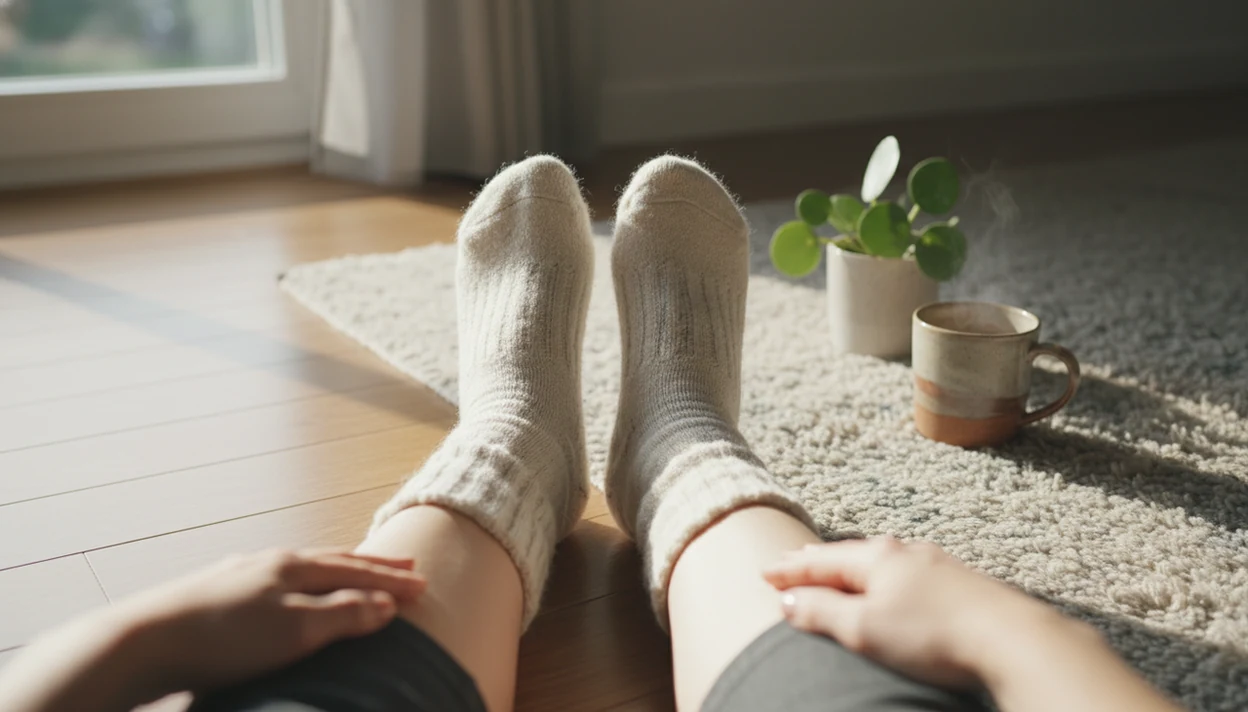
Before you start, treat panic attack meditation support as a short safety practice, not a test of willpower. It can help you ride out a panic surge with grounding, steady breathing, and present-moment cues, but it should never replace urgent medical care when symptoms are new, severe, or feel unsafe. Keep your eyes open, orient to the room, and use a simple exhale-focused breath rather than turning inward too quickly.
> Definition: Panic attack meditation support means using brief, practical mindfulness, breathing, and grounding exercises before, during, or after panic to feel safer in the present moment without treating meditation as medical care.
TL;DR
- Use grounding first: look around, name what you see, and feel your feet or hands before trying breath meditation.
- Stop meditating and seek urgent help for new chest pain, fainting, severe shortness of breath, confusion, or thoughts of self-harm.
- Practice between attacks in calm moments so the same tools feel familiar when panic rises.
Panic attack meditation support safety rules
Panic attack meditation support is a set of short coping tools, not a cure and not an emergency substitute. Use it for familiar panic sensations only when you can stay oriented enough to notice the room, breathe gently, and make safe choices.
New chest pain, fainting, severe shortness of breath, confusion, one-sided weakness, or symptoms that feel like a heart attack need medical evaluation. Don’t try to “meditate through” something that feels medically unsafe.
If there is any chance of self-harm or you feel unable to stay safe, contact emergency services or a crisis line now; in the U.S., call or text 988. If panic symptoms are recurring, new, or limiting work, sleep, driving, or leaving home, schedule a medical or mental health evaluation rather than relying on meditation alone.
Panic can feel dangerous even when it is not always medically dangerous. The body may race, shake, sweat, tighten, or feel unreal. That fear is real.
According to NIMH statistics, an estimated 4.7% of U.S. adults experience panic disorder at some time in life. Among adults with panic disorder in the past year, 44.8% had serious impairment and 29.5% had moderate impairment. Source: NIMH panic disorder statistics, Panic Disorder Clinicians typically recommend medical or mental health evaluation when panic is recurring, disabling, new, or hard to distinguish from physical illness.
When to seek urgent medical or crisis help
Seek urgent medical or crisis help when symptoms are new, severe, medically unusual, or when you may not be able to stay safe. Meditation can support coping in familiar panic, but it cannot diagnose chest pain, breathing problems, neurological symptoms, or self-harm risk.
- Call emergency services now for chest pain or pressure, pain spreading to the arm, jaw, back, or shoulder, severe shortness of breath, fainting, confusion, one-sided weakness, trouble speaking, blue lips, or symptoms that feel like a heart attack. Medical red-flag guidance: Symptoms
- Contact crisis support immediately if you might harm yourself, feel unable to stay safe, or are making a plan to die. In the U.S., call or text 988.
- Arrange clinician evaluation when panic attacks are recurring, new, worsening, hard to distinguish from illness, or limiting sleep, driving, work, school, or leaving home.
- Use meditation only as support after safety is clear: orient to the room, keep eyes open, and choose grounding over deep inward focus.
Panic mindfulness support effects on the body
Panic mindfulness support works by shifting attention from a threat-alarm loop toward concrete, present-moment information. Panic often includes faster breathing, a pounding heart, muscle tension, and catastrophic interpretation, such as “I’m going to die” or “I can’t handle this.”
Grounding gives the brain verifiable data. The blue chair is here. The door is closed. The tile is cool under both feet. These details do not argue with panic; they redirect attention toward what can be checked right now.
Slower exhalations may also reduce overbreathing and create a small sense of control. The point is not to force calm. It is to give the nervous system fewer fear signals to chase.
Mindfulness-based interventions have shown moderate reductions in anxiety symptoms in research overall, including a 2014 systematic review and meta-analysis published in JAMA Internal Medicine: JAMA study However, direct evidence for brief meditation during an active panic attack is more limited than evidence for anxiety programs practiced over weeks. Practical support, not a guarantee.
5 steps for meditation during panic support
Use these five steps for meditation during panic support when symptoms are familiar and not medically alarming. Keep the practice short, eyes open, and easy enough to follow from a kitchen chair, parked car, or office stairwell.
- Orient to the room. Keep your eyes open and name where you are, the date, and one safe object near you.
- Press your feet down. Feel carpet, tile, shoe pressure, or floor contact for three slow breaths.
- Say one plain phrase. Try, “This is panic, and I can take the next breath.”
- Lengthen the exhale gently. Inhale normally, then let the out-breath last slightly longer without forcing air.
- Stop and seek help if needed. If symptoms intensify, feel new, or seem medically unsafe, stop meditating and contact urgent medical or crisis support.
For many people, external grounding is easier than inward focus during panic because it gives attention a steady target outside the body.
Grounding during panic: five fast options
Grounding during panic should be simple, external, and possible with eyes open. Choose one option, use it for 30 to 90 seconds, then reassess instead of stacking ten techniques at once.
- 5-4-3-2-1 senses method: Name five things you see, four things you feel, three sounds, two smells, and one taste or neutral mouth sensation.
- One-color scan: Pick a color and name five objects of that color in the room. A red notebook, a red exit sign, a red pen cap.
- Feet-on-floor check: Press both feet down and describe pressure, temperature, contact, and weight without judging them.
- Cool or textured object: Hold keys, a smooth stone, a cold bottle, or fabric. Label sensations neutrally: cool, rough, hard, curved.
- Read out loud: Read text from a nearby sign, book, package, or screen. The words give attention a track to follow.
For broader daily practice, the same attention skills show up in mindfulness for stress, but panic calls for shorter and more safety-focused tools.
Breathing meditation panic support scripts
“Should I use deep breathing during panic?” Usually, gentle breathing is safer than forceful deep breathing, especially if you already feel dizzy, tingly, or air-hungry. Breathing meditation panic support should reduce strain, not turn the breath into a performance test.
Long-exhale breathing script
Try this only if breath focus feels tolerable: inhale through the nose or mouth for 4 counts, then exhale softly for 6 counts. Repeat three rounds. Say silently, “In for four, out for six.” If counting feels stressful, drop the numbers and keep only the longer out-breath.
Phrase-based breathing script
Use a phrase instead of exact counts: “Breathing in, I notice this surge. Breathing out, I let my face loosen.” Another option is, “This is panic. I can stay with one breath at a time.”
Stop if breath focus increases dizziness, air hunger, numbness, or fear. Switch to reading a label, naming objects, or contacting support.
For everyday practice, use short beginner exercises when you are calm; during panic, keep the practice plain, eyes-open, and easy to stop.
Best fit and not fit for panic mindfulness support
Panic mindfulness support fits familiar, mild to moderate panic sensations and recovery after an attack. It is not appropriate as the main response to possible medical emergencies, severe symptoms, or situations where you may harm yourself.
| Situation | Better fit | Not a fit |
|---|---|---|
| Familiar panic sensations | Eyes-open grounding, short phrases, gentle exhale | Treating symptoms as “definitely panic” without checking risk |
| Mild to moderate anxiety spike | Naming objects, feet on floor, brief breath practice | Forcing deep meditation while fear rises |
| Post-attack recovery | Body settling, water, written notes, support contact | Judging yourself for needing time |
| Trauma history | External grounding, eyes open, clinician-guided adaptations | Closed-eye inward scanning if it triggers flashbacks |
| New or severe symptoms | Medical evaluation, urgent care, emergency help | Meditation instead of care |
Panic mindfulness support is also not a replacement for therapy, medication, diagnosis, or crisis care. People with recurring attacks may benefit from clinical approaches such as CBT, exposure-based work, or medication discussions with a qualified professional. For education on anxiety-focused practice boundaries, read mindfulness for anxiety support.
Between-attack practice for meditation during panic support
Practice meditation during panic support when you are calm, not only when panic is already loud. Two to five minutes is enough to make the steps more familiar.
Practice for about 3 minutes, using a simple cue such as the start of a refrigerator hum or the feel of a cotton sleeve on your wrist. Keep your eyes open. Notice one neutral body sensation, then let each exhale lengthen slightly. One pattern we notice: panic practice goes better when the goal is not perfect focus. If your mind jumps to errands, a warehouse shift, or the supermarket checkout line, name that as thinking and come back to the next exhale.
Write a short panic plan on paper or in your phone: “First ground, then breathe, then call support if symptoms feel unsafe.” Include stop rules, emergency contacts, and one person you can text after an attack.
Tools like Mindful.net, Calm, and Headspace can be useful for calm-moment practice, especially if you prefer secular, beginner-friendly guidance. Mindful.net can also help you compare short exercises before you need them. If you want a broader tool-based routine, an app to help manage stress mindfully may be easier than searching during a panic surge.
Common mistakes with breathing meditation panic support
Breathing meditation panic support often goes wrong when people try to control panic too hard. The goal is to stay safer and more oriented, not to pass a calmness exam.
- Forcing calm can backfire. Do not try to make panic disappear immediately; aim to ride the next 30 seconds.
- Symptoms may linger. Panic sensations can remain for several minutes even when you are using a helpful tool.
- Closed eyes are optional. Do not close your eyes if that increases panic, dissociation, or trauma memories.
- Medical uncertainty matters. Do not use meditation to avoid evaluation for new, severe, or heart-attack-like symptoms.
- Counting is not a score. If breath counts become a perfection test, switch to phrases or external grounding.
A rough moment: counts get messy. That does not mean you failed.
If practice itself seems to increase fear, the safety issues covered in can meditation make anxiety worse may help you choose gentler options.
Limitations
Meditation has real limits in panic support. It can be useful, but it cannot tell you what is medically happening inside your body.
- Meditation cannot diagnose chest pain, shortness of breath, dizziness, faintness, palpitations, or heart symptoms.
- Direct evidence for brief meditation during an active panic attack is limited compared with broader anxiety research.
- Mindfulness may reduce anxiety symptoms on average, but it does not cure panic disorder.
- Frequent, disabling, or avoidant panic may need CBT, exposure therapy, medication, or other clinical support.
If you are new to practice, it may help to read what to expect when starting meditation before using these tools during high distress. For side-effect boundaries, meditation side effects covers discomforts that beginners sometimes overlook.
From Our Editorial Review
One mistake we notice often: people try to make nighttime panic support look like a polished meditation session. We usually suggest something smaller and more visible first, such as naming the hallway night light, touching the cool sheet, and taking one slow exhale. The best practice is usually the one you can repeat tomorrow, not the one that looks most impressive at 2 a.m.
When Sleep Won't Come
- Mindfulness is often best when you need to notice the cool sheet, the doorway, or the hallway night light without arguing with the panic story.
- Prayer may fit better when familiar words, devotion, or feeling held by something larger brings steadiness; mindfulness does not need to replace that.
- A sleep story can help when thoughts are loud but not frightening; if panic feels intense, a shorter open-eye grounding practice is usually safer.
- A body scan may be useful between attacks, but during a surge it can feel too inward for some people, especially if body sensations already feel alarming.
- Decision support beats generic calm advice when someone is choosing between techniques.
Why Advice Conflicts Online
- People with new, severe, or unusual symptoms may benefit least from meditation-first advice; safety checking matters more than completing a practice.
- Shift workers may find standard bedtime guidance too neat, because their wind-down often starts under bright lights, noise, or family activity.
- Parents listening for a child at night may not relax through long scripts; a 30-second room-orienting reset may be more realistic.
- Musicians, athletes, and others trained to monitor the body closely may find body scans amplify sensation at first rather than soften it.
- Anyone comparing mindfulness with prayer may see conflicting advice because the practices answer different needs: attention training, meaning, comfort, or surrender.
Hidden Limits People Miss
Meditation, prayer, breath practice, and bedtime storytelling have long been used as nighttime supports, but they were not designed as one-size-fits-all emergency tools. Modern sleep advice often compresses these traditions into quick techniques, which can hide the fact that a slow exhale, a cool sheet, or a visible hallway night light may matter more than the label on the practice. A short named reset can be more useful than a perfect routine when panic has narrowed attention.
Signs You Should Try Another Approach
- Do not optimize for the deepest inhale; during panic, a gentler exhale-focused rhythm often feels less effortful.
- Do not optimize for eyes-closed stillness if keeping your eyes open helps you stay oriented to the room.
- Do not optimize for finishing a long sleep story; stopping after one steady paragraph can still count as support.
- Do not optimize for a perfectly quiet mind; noticing one neutral object may be enough for the next minute.
- Do not optimize for independence if reassurance, medical advice, or crisis support is the safer next step.
Nighttime Reset
- Try the Hallway-Light Reset: name one visible object, feel the sheet or blanket, then lengthen one slow exhale without forcing the next breath.
- Skip meditation as the main tool if symptoms feel medically unfamiliar, sharply different, or unsafe; support practices should not delay urgent help.
- Use a brief practice instead of a full routine if you are caring for a child, working nights, or sleeping in a shared space.
- If inward attention makes sensations louder, choose external grounding: count door edges, lamp shadows, or the space between sounds.
- For daytime planning, Practice Decision Support at /discover-best-mindfulness-practice may help you choose a gentler option before the next hard night.
At-a-Glance Options
| Technique | Best for | Minutes |
|---|---|---|
| Hallway-Light Reset | panic rising at night when eyes-closed practice feels too inward | 1-3 min |
| Exhale-and-Sheet Grounding | settling attention with a tactile cue and a slow exhale | 2-5 min |
| One-Paragraph Sleep Story | racing thoughts that need a simple, low-demand focus | 3-10 min |
Why Mindful.net fits this specific need
Mindful.net separates safety-first panic support from general relaxation advice, which matters when nighttime symptoms feel uncertain. Related guides such as Practice Decision Support at /discover-best-mindfulness-practice and the Before Email Pause at /mindfulness-at-work can help readers practice choosing a reset before stress peaks.
FAQ
Can meditation stop a panic attack?
Meditation may reduce intensity or help you ride out a panic attack, but it cannot guarantee that symptoms will stop immediately. Seek urgent help if symptoms are new, severe, or feel medically unsafe.
Should I breathe deeply during panic?
Gentle, slower breathing or a slightly longer exhale is usually safer than forceful deep breathing. Stop breath focus if it increases dizziness, air hunger, numbness, or fear.
What grounding helps panic attacks?
Helpful grounding options include the 5-4-3-2-1 senses method, naming objects in the room, reading text out loud, and feeling both feet on the floor. Keep your eyes open if closing them makes panic worse.
Can meditation make panic worse?
Yes, inward focus or closed eyes can intensify fear, dissociation, or trauma memories for some people. Use external grounding, eyes-open practice, or clinician-guided adaptations instead.
When should I call emergency help?
Call emergency help for new chest pain, fainting, severe shortness of breath, confusion, possible heart-attack symptoms, or thoughts of self-harm. Do not rely on meditation when symptoms feel unsafe.
Is panic mindfulness support treatment?
Panic mindfulness support is a coping tool, not a diagnosis, medical treatment, or replacement for professional care. Recurring or disabling panic should be discussed with a qualified clinician.
How often should I practice?
Practice for 2 to 5 minutes several times per week or daily when calm. If panic attacks recur or interfere with daily life, combine practice with clinical support.