
Nervous System Reset Meditation: A Gentle Five-Minute Practice


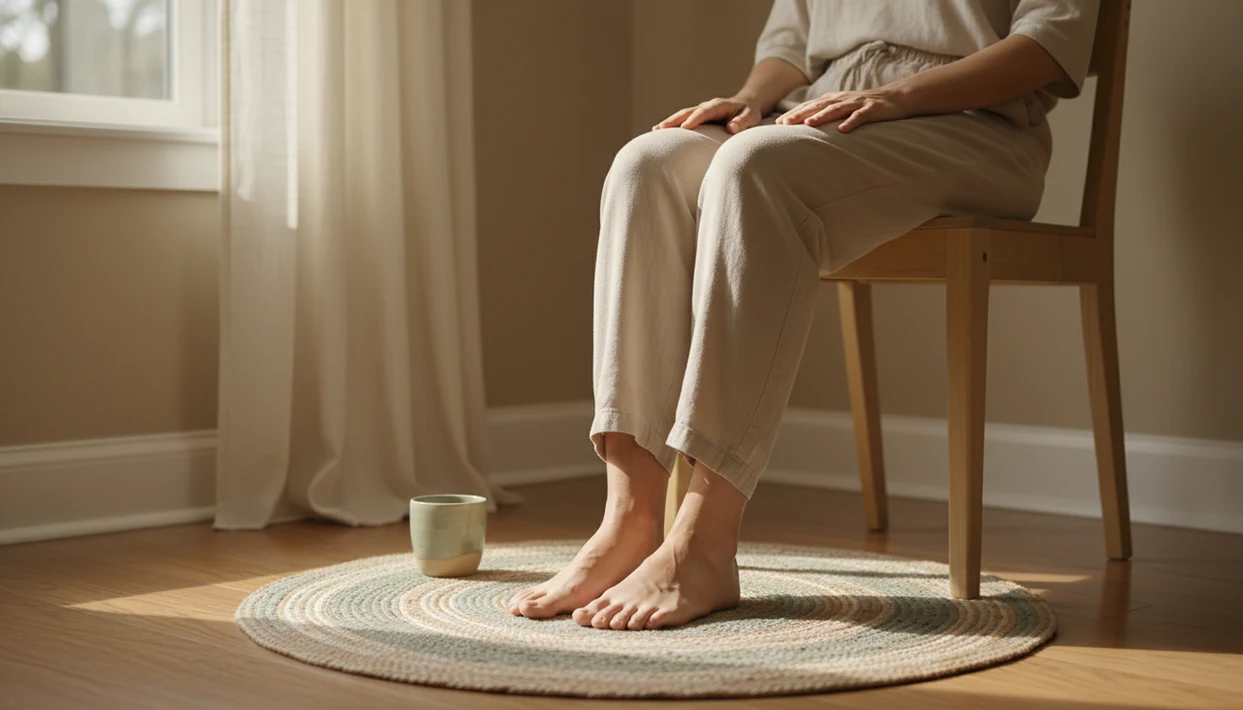
A nervous system reset meditation is a short, secular practice that combines slow breathing, body awareness, and sensory grounding to help you feel more settled during everyday stress. “Reset” is a metaphor, not a medical procedure or proof that your nervous system needs repair. The aim is modest: soften tension, notice your surroundings, and give yourself a pause before the next task.
Start with one to five minutes, keeping your breathing gentle and your eyes open if that feels more comfortable. Regular practice can make the routine easier to use, but it is not a cure for anxiety, trauma, panic, or chronic stress. If attention to your breath or body increases distress, stop and turn your attention toward the room.
Definition: A nervous system reset meditation is a brief calming routine that combines breath, body, and present-moment attention to support a more settled stress response.
The essentials
- Use this practice as a gentle calming skill, not a cure for anxiety, trauma, panic, or chronic stress.
- The core tools are slow breathing, body scanning, sensory grounding, and small choices that signal safety.
- Benefits are more reliable with regular practice, and mindfulness research generally shows small to moderate effects.
What “nervous system reset” actually means
- “Nervous system reset” is popular wellness language, not a formal medical diagnosis or standard clinical term.
- The practice aims to reduce felt stress and support parasympathetic settling, which means helping the body shift toward rest and recovery.
- Common tools include slow breathing, body awareness, gentle movement, and noticing sounds, touch, or sight.
- The CDC reported that 21.6% of U.S. adults had recent anxiety symptoms and 18.1% had recent depression symptoms in a 2023 survey CDC guidance. That context does not make meditation a medical treatment.
- One session may help you feel steadier, but regular practice usually matters more than a single five-minute reset.
A good first try can be plain: sit in a kitchen chair, feel your feet on the floor, and notice one breath at a time. No special posture needed.
How nervous system reset meditation works in the body
A nervous system reset meditation works by lowering perceived threat through slower breathing, muscle softening, and sensory attention. “Fight-or-flight” is a useful stress-state shorthand, not a diagnosis. For practical ways to settle everyday stress, try these steps to calm an overactive nervous system.
When you slow your exhale, unclench your jaw, or notice the shoulder blades pressing the chair, the brain gets simple cues that the moment may be safer than it feels. Parasympathetic support means encouraging rest-and-digest activity. It does not mean repairing the vagus nerve or proving a measurable nerve change happened.
Immediate calming and long-term regulation are different. A three-minute pause may soften the edge of stress today. Repeating that pause helps the skill become easier to access later. NIH/NCCIH notes that mindfulness meditation studies generally show small to moderate benefits for anxiety, depression, and pain NCCIH overview.
Mindfulness practices and meditation techniques for beginners and daily life can offer attention training and steadier pauses, not guaranteed symptom control or a cure.
Add self-compassion without demanding calm
Understanding a stress trigger does not always make the physical alarm settle immediately. Self-compassion gives you a way to respond without adding criticism: “This is an alarm response; it feels intense; I can take one safe step at a time.” Treat this as a helpful response to distress, not a claim that a sentence will immediately change your nervous system.
Pair the words with one manageable action, such as feeling your feet against the floor or looking around the room. You do not have to convince yourself that everything is fine. For a familiar, previously assessed panic pattern, NHS panic guidance recommends reminding yourself that the attack will pass. New or unusual symptoms still need medical judgment, not reassurance alone.
How to use nervous system reset meditation in 5 minutes
Before you begin, check safety: if focusing inward feels frightening, dizzying, or worse, stop and open your eyes. A nervous system reset meditation should feel tolerable, not forced. Review stress, sleep and mindfulness safety for guidance on choosing tolerable practices and recognizing when to stop.
1. Set a comfortable position
- Sit upright but not stiff, using a chair, bus seat, or floor cushion.
- Place both feet down if possible, and let your hands rest naturally.
2. Slow the exhale
- Breathe in normally, then let the exhale become slightly longer without holding your breath.
3. Scan the body
- Notice the forehead, jaw, shoulders, belly, and legs; soften only what can soften.
4. Name the senses
- Name three things you see, two sounds you hear, and one point of contact.
5. Return gently
- Choose one next action, such as opening your laptop, turning off the lamp, or taking a sip of water. Before making an important choice, try calming your nervous system before decisions to give yourself a steadier pause.
That’s enough.
Keep breaths gentle and recognize medical warning signs
Slower breathing does not mean taking the deepest possible breath. Repeatedly gulping air can contribute to overbreathing, which lowers carbon dioxide and can intensify light-headedness, tingling, chest tightness, and feelings of unreality. The York Hospitals guide to hyperventilation explains these symptoms. Aim for comfortable breathing, not a bigger supply of air or a special physiological reset.
Stay seated or where you are if it is safe, relax your shoulders, and breathe gently through your nose when possible. Let the exhale be comfortable and at least as long as the inhale, without holding your breath or trying to fill your lungs completely. NHS advice on coping with panic supports gentle, slower breathing. Stop breath-focused practice if it makes you feel worse.
Do not assume chest discomfort or breathing difficulty is panic, especially when symptoms are new or substantially different. Seek urgent medical help for severe or persistent chest pain or pressure, fainting, marked breathing difficulty, confusion, blue lips, or new neurological symptoms. Symptoms during exertion or with known heart or lung disease also require caution. Meditation should not delay medical assessment.
Start with open eyes and a steady point of contact
For beginners, the safest nervous system reset meditation tips are usually simple, short, and choice-based. Start with one minute if five minutes feels like too much.
The Open-Eyes Option: Keep your eyes open and rest your gaze on a wall, plant, or doorway. Closing the eyes is optional, not a rule.
The Floor Anchor: Put both feet on carpet or tile and feel pressure, temperature, and weight. Touch can be easier than breath when stress is high.
The Mild-Stress Rehearsal: Practice during ordinary tension, like before a meeting or after reading a tense message. Crisis is a hard classroom. If social tension drives your stress, these steps to worry less about being liked can support a kinder response.
The Sound Anchor: Listen for a fan, traffic, or a clock tick when breath focus feels uncomfortable.
For broader context, our guide to what to expect when starting meditation explains common early surprises.
Match the practice to everyday stress, not crisis care
This practice fits everyday stress support better than crisis care. Treat the table below as a fit guide, not a diagnosis tool or a promise that meditation will work in every stress state.
| Situation | Best-fit use | Caution |
|---|---|---|
| Racing thoughts | Pause, breathe, and name senses | It may not stop rumination fully |
| Bedtime settling | Use a softer voice, dim light, and gentle body scan | It is not a sleep disorder treatment |
| Work transitions | Take a short reset before the next task | Burnout needs workload and support changes too |
| Mild overwhelm | Return attention to the room and body | Severe symptoms deserve professional care |
| Panic sensitivity | Use sight and touch anchors first | Breath focus can feel uncomfortable |
For sleep-specific routines, meditation for sleep may be a better fit. If anxiety rises during practice, read can meditation make anxiety worse for safety notes.
Attach a short practice to one daily cue
A daily nervous system reset meditation works best when it attaches to one repeatable cue. Try waking, lunch, the end of a commute, or tea steam before bedtime.
Consistency often matters more than session length. A phone timer set for 5 minutes can build the habit better than an occasional 30-minute session you avoid. Track four simple signals before and after: body tension, breathing speed, sleepiness, and mood. Keep it rough. One word is fine.
Social support also matters: the 2023 U.S. Surgeon General advisory linked loneliness and isolation with higher risks for heart disease, stroke, dementia, depression, and anxiety Surgeon General Social Connection Advisory.Pdf. Apps such as Mindful.net can support a practical secular routine for beginners and daily life, especially when you want a short guided session without spiritual language.
For stress planning beyond meditation, mindfulness for stress covers everyday practice options.
Evidence behind nervous system reset meditation claims
Does nervous system reset meditation have evidence behind it? The calmer-breathing and mindfulness parts have some support, but the word “reset” is mostly a metaphor for feeling more settled.
For the breathing piece, a 2018 review in Frontiers in Human Neuroscience found that slow breathing techniques are associated with changes in autonomic, emotional, and psychological measures, while also noting that study methods vary Full.
In a 2023 CDC survey, 21.6% of U.S. adults reported anxiety symptoms and 18.1% reported depression symptoms in the past two weeks CDC guidance. That helps explain why short stress practices are popular. It does not mean one routine treats anxiety or depression.
NCCIH describes mindfulness meditation benefits as generally small to moderate for anxiety, depression, and pain. That is useful, but not dramatic. Be cautious with claims about instant vagus nerve repair, guaranteed anxiety relief, or permanent nervous-system reprogramming. For people with strong anxiety symptoms, mindfulness for anxiety support should be framed as support, not treatment.
For most beginners, gentle grounding is often easier than intense breathwork because it gives attention a stable outside anchor.
When stress symptoms need professional assessment
Get professional help when stress symptoms are severe, persistent, impairing, or tied to trauma. A nervous system reset meditation can be a supportive skill, but it should not replace therapy, medical care, medication guidance, or crisis support when those are needed.
Routine stress support might look like using a five-minute pause before a meeting or after a hard day. Different care is needed when symptoms look more like panic attacks, PTSD, depression, substance-related concerns, or a crisis. Stop the practice if breathing focus, body scanning, or closing your eyes makes dizziness, dissociation, numbness, panic, or fear increase.
- Pause the meditation and open your eyes if the practice starts to feel unsafe.
- Orient to the room with external anchors: name objects, feel your feet, or look toward a doorway or window.
- Contact a licensed clinician, doctor, or therapist if symptoms keep returning, disrupt sleep or work, or connect to trauma memories.
- Seek urgent or emergency help now if you might harm yourself, harm someone else, or cannot stay physically safe.
- Use meditation only as a complement to your care plan, not as proof that you should manage serious symptoms alone.
Set a short timer without forcing your breath
During an ordinary stressful pause, a free meditation timer can mark one to five minutes without imposing a breathing pattern. The Mindful.net app also offers short guided meditations and breathing exercises. Keep your breath comfortable rather than trying to match a pace that feels strained. External grounding is a better choice when breath attention increases distress, and persistent or severe symptoms need professional assessment rather than a longer session.
Nervous System Meditation Limits
- Meditation is not a medical cure for anxiety disorders, panic disorder, PTSD, depression, or chronic illness, nor an instant reset.
- Breathwork may feel uncomfortable, especially during panic symptoms or trauma activation.
- Meditation may reduce felt stress without solving burnout, conflict, sleep loss, money pressure, or isolation.
- Seek professional evaluation when symptoms are severe, persistent, impairing, or involve trauma or safety concerns; review meditation side effects.
Nervous system reset meditation questions
Can meditation actually reset your nervous system?
Not in the sense of flipping a switch or repairing a nerve. “Reset” is shorthand for feeling more settled. Gentle breathing, muscle relaxation, and sensory attention can support calming, but one session does not permanently change your stress response or treat an underlying medical or mental health condition.
How long should a nervous system reset meditation last?
Start with one minute if five feels difficult. A short, tolerable session is more useful than forcing yourself through a longer one. Try a comfortable seat, gentle breathing, and attention to your feet or nearby sounds. You can stop before the timer ends, particularly if distress or dizziness increases.
Should I take deep breaths to calm down?
Aim for gentle, unforced breaths rather than repeatedly filling your lungs. Breathing too fast or too deeply can contribute to hyperventilation and worsen dizziness or tingling. Let your shoulders relax and your exhale stay comfortable. Avoid breath-holding, and switch to external grounding if watching your breath makes you more frightened.
What if a body scan makes me feel more anxious?
Stop the scan rather than trying to push through it. Open your eyes, notice objects around you, feel your feet against the floor, or speak with someone. Inward attention can increase symptom-monitoring for some people. A calming practice should remain tolerable, and repeated distress is a reason to seek professional guidance.
Can nervous system reset meditation stop a panic attack?
Gentle breathing and grounding may help with a familiar, previously assessed panic pattern, but they do not reliably stop every attack. New, severe, or unusual symptoms should not automatically be labeled panic. Recurrent attacks, fear of another attack, or avoidance that disrupts life warrant assessment and may need treatment beyond meditation.
Can I do this meditation before bed?
Yes, it can serve as a brief wind-down routine. Try a comfortable position, dim light, gentle breathing, and a short body scan only if it feels soothing. The goal is to settle, not force sleep. Meditation is not treatment for a sleep disorder, and ongoing sleep difficulties may need professional assessment.
Does nervous system reset meditation repair the vagus nerve?
Feeling calmer does not demonstrate that the vagus nerve has been repaired or measurably changed. Slow breathing may influence arousal, but “vagus nerve reset” is not a precise medical procedure. Treat the practice as a coping skill, not evidence of nerve damage beforehand or proof of a physiological repair afterward.
How do I use self-compassion when I cannot calm down?
Try acknowledging the difficulty without requiring an immediate change: “This feels intense; I can take one safe step at a time.” Then choose a manageable action, such as looking around the room or contacting someone supportive. Self-compassion may reduce self-criticism, but it is not a guaranteed way to stop panic or replace treatment.