
Restart Your Meditation Habit with a Smaller, Repeatable Routine


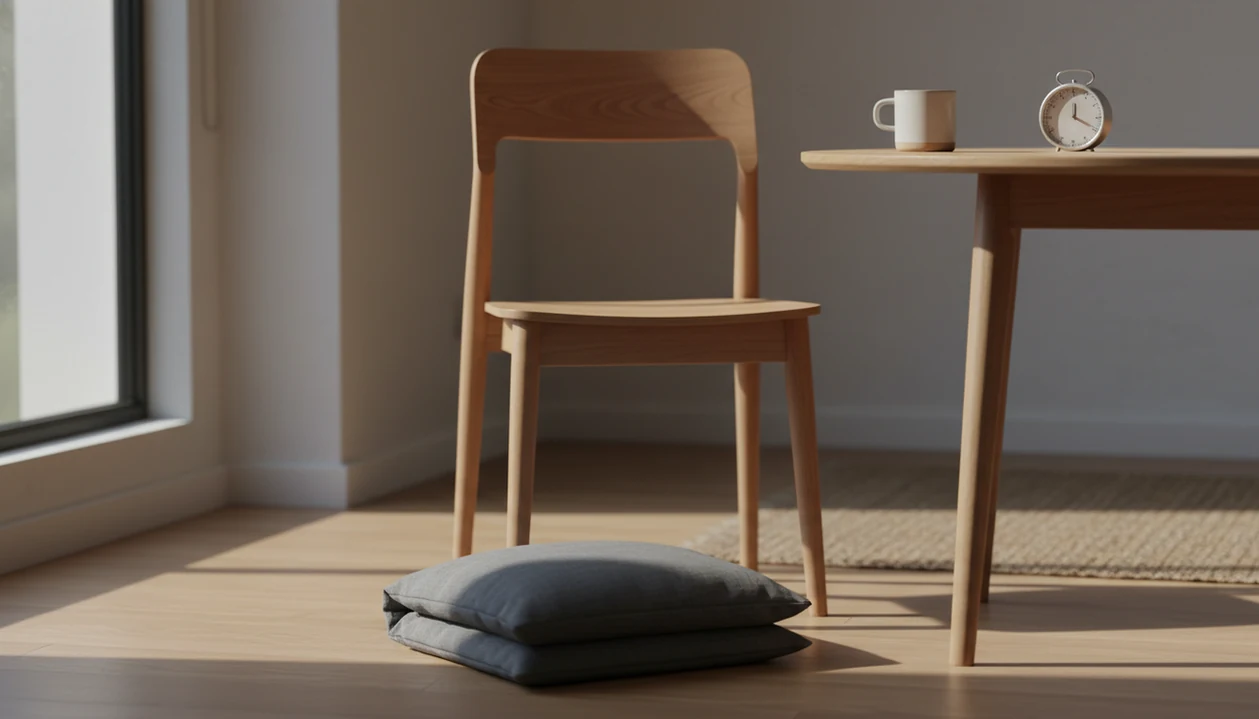
To restart a meditation habit after a break, begin with a 2- to 5-minute session, attach it to one familiar cue, and count showing up as success. You do not need to make up for missed weeks or return immediately to your old session length. A meditation habit reset means rebuilding a stopped practice with a smaller session, a clearer cue, and less pressure.
Change the part of the routine that stopped fitting your life. That might mean practicing after coffee instead of before breakfast, using guided audio instead of silence, or keeping your eyes open. Measure the restart by returning to practice, not by how calm or focused you feel during any one session.
The essentials
- Start meditating again with one 2- to 5-minute session, not a full daily streak goal.
- Change the practice shape if the old version stopped working: shorten it, move the time, or use guidance.
- Measure the restart by whether you return again, not by whether the session feels calm or focused.
Restart with a routine that fits your life now
A meditation habit reset means beginning again after weeks or months away, without pretending the old routine still fits your life. The reset should usually be smaller, easier, or placed at a different time than the practice that stopped working.
Meditation is common, but keeping a routine is the harder part. In a 2017 Pew Research Center survey, 24% of U.S. adults said they had meditated in the past year, and 15% said they had meditated in the past month (Meditation And Yoga Have Become More Popular In The U S). Those numbers show interest, not consistency.
The first quiet minute may feel oddly unfamiliar.
A restart does not erase what you learned before. It just asks for a lower-friction entry point, like sitting on a kitchen chair for three breaths before the day starts.
Choose your time, tool, and attention anchor
Before you restart your meditation habit, set up the smallest conditions that make practice easy to begin. A few choices made in advance can keep the first session from turning into another negotiation.
- Choose a low-pressure window. Pick a time when interruption is less likely, even if it is only two quiet minutes after coffee, before bed, or in a parked car.
- Select one tool before you begin. Use a single timer, app, or guided session so you are not scrolling for the perfect practice when the cue arrives.
- Pick the easiest anchor. Breath is not the only option. Sound, body sensations, open-eye noticing, or slow movement may feel more workable after a break.
- Plan for one missed cue. Decide now what happens if you forget: return at the next cue, shorten the session, and skip the self-criticism.
- Pause if practice feels destabilizing. If meditation increases panic, dissociation, frightening memories, or a sense of being unreal, stop the session and consider support from a qualified clinician or trusted mental health professional.
Preparation should lower pressure, not create a checklist you must perform perfectly.
5-Minute Plan to Start Meditating Again
Use this 5-minute meditation habit reset when you want one clear action today, not a new identity project. The goal is to complete one session and make the next return easier.
- Pick 2 to 5 minutes. A short restart session is enough to rebuild the act of showing up.
- Choose one cue. Try after morning coffee, before bed, or after closing your laptop.
- Use an easier format. Guided audio, breath counting, or a body scan all count.
- Drop the streak rule. If you miss, restart at the next cue instead of judging the whole week.
- End simply. Mark a check, close the app, or write “done” in a note.
Mindfulness practices and meditation techniques for beginners and daily life can give you repeatable attention practice, not a guarantee of constant calm.
Link your short meditation to an existing routine
Cue-based restarts work because they rebuild the habit loop: cue, routine, reward. In plain language, the cue reminds you, the routine is the short meditation, and the reward is the small signal that you completed it.
This cue-first approach is consistent with habit research showing that repeated actions become more automatic when they are tied to stable contexts, not fresh motivation each time (Annurev Psych 122414 033417).
How a meditation habit reset works is simple behavior design. You reduce decision fatigue by linking practice to something already happening, such as feet touching tile after brushing your teeth. You also lower friction by making the routine brief enough that you don't need much motivation.
All-or-nothing thinking breaks this loop. One missed day starts to feel like proof that the habit failed, so the next cue gets ignored. If distraction shows up, that is not failure. Breath returning after distraction is the practice.
For most beginners, a cue-based 2-minute session is easier to repeat than a motivation-based 20-minute session because the decision has already been made. Comparing motivation and consistency can help you choose a practice schedule that survives changes in mood.
Your restart checklist: session, cue, format, and completion
Use these steps as the main “how to use” plan for your restart mindfulness practice. Keep the plan small enough that you can do it on a normal day, not just an unusually calm one.
- Choose one short session this week. Set a phone timer for 2 to 5 minutes, or choose one guided mini-practice.
- Set a specific cue tied to an existing routine. Use “after brushing teeth” or “before opening email,” not “sometime tomorrow.”
- Use the easiest meditation style available. Try breath counting, a body scan, guided audio, or eyes-open attention.
- End with a simple completion marker. Put one checkmark in a note, tap a tracker, or say “done.”
- Repeat or reset without self-criticism. If you miss the cue, the next cue is the restart point.
Tools like Mindful.net can help if you want structured beginner practices, but the core habit is still cue, short session, return.
If you use the Mindful.net Mindfulness Practices App, choose the shortest beginner practice first and stop when it ends. Browsing for the perfect session can become another way to postpone the restart.
Step 1: Choose a Short Restart Meditation Session
How long should your first restart meditation session be? Start with 2 to 5 minutes, even if you used to sit for 20.
A shorter session is not a downgrade. It is a practical way to rebuild completion before increasing depth. You might take three slow breaths, scan the body once from forehead to feet, or play one guided mini-practice during lunch. The saved lesson can wait if the progress bar already feels too slow.
Completion comes first.
The first goal is not to feel deep, peaceful, or unusually focused. It is to sit, notice what is happening, and finish the session you chose. For evidence context without overpromising, our mindfulness research guide explains why study results do not always translate neatly into daily habit change.
Step 2: Attach Your Meditation Habit Reset to One Cue
A vague intention like “I will meditate more” usually fails because it leaves the timing undecided. A cue removes that small negotiation.
Pick one trigger that already happens most days. Examples include after brushing teeth, after morning coffee, before opening email, or after sitting in the car with the engine off. One cue is better than five options, because five options can become five chances to postpone.
Use this script: “After X, I will meditate for Y minutes.”
For example, “After I close my laptop, I will meditate for 3 minutes.” A cursor blinking on an email is also a useful cue. Pause before answering, place both feet on the floor, and begin. If a missed meditation day happens, return at the next cue.
Step 3: Change the Mindfulness Practice That Stopped Working
Restarting at the old length, time, or style can recreate the same barrier that made the habit stop. A meditation habit reset works better when you treat the practice shape as adjustable.
| Old barrier | Restart change | Why it helps |
|---|---|---|
| 20 minutes felt too long | Try 2 to 5 minutes | Lowers the first-step resistance |
| Silent sitting felt frustrating | Use guided audio | Gives the mind a simple track to follow |
| Mornings became crowded | Move practice to bedtime | Matches the current schedule |
| Closed eyes felt uncomfortable | Practice with eyes open | Reduces pressure and sleepiness |
| Sitting felt restless | Try walking meditation | Uses movement as the attention anchor |
Experimenting is not failure. It is how beginners and returners compare your options honestly. Apps such as Mindful.net, Headspace, and Calm can be useful if guidance lowers the barrier; our is mindfulness app worth it guide covers that choice in more detail.
4 Myths About Restarting a Meditation Habit
These myths make many people quit again after one missed session. Replace each one with a reset rule that is easier to keep.
- Myth 1: You must restart at the same level. Reset rule: restart below your old level until showing up feels ordinary again.
- Myth 2: One missed day ruins the habit. Reset rule: one missed day only means the next cue matters.
- Myth 3: The first session should feel calm. Reset rule: a restless session still counts if you noticed and returned.
- Myth 4: Only daily streaks count. Reset rule: returns count, especially after a gap.
A classroom bell followed by one breath can be a real practice. So can sitting in an office stairwell for two minutes before rejoining the day.
The most useful meditation restart rule is to measure returning, not perfection, because missed sessions are part of ordinary habit rebuilding.
Progress Signs When You Start Meditating Again
Progress when you start meditating again is measured by repeatable actions, not by feeling calm every time. Messy sessions can still be successful if you notice and return.
- You showed up. Sitting for 2 minutes counts as a completed restart session.
- You noticed distraction. The mind wandering to a grocery list is normal, not a defect.
- You returned to the anchor. Breath, sound, body, or steps can all be anchors.
- You restarted after a miss. That return is stronger evidence than a fragile streak.
- You tracked lightly. Use a 7-day note with checkmarks, not a long journal.
Calmness is a poor scorecard because mood, sleep, workload, and stress all affect a session. If you want broader evidence context, does mindfulness work explains what mindfulness can and cannot reasonably claim.
Build consistency without a 21-day deadline
There is no fixed date when your restarted practice becomes a habit. A review of habit-formation research does not support the familiar 21-day rule. A separate 90-day field study found substantial growth in habit strength, especially with consistent repetition, but did not establish 90 days as a universal finish line. Treat these weeks as time to repeat and adjust, not a countdown.
After the first week, keep the same cue and location for at least two weeks before changing them. Review your practice weekly and increase the session length only when the shorter version is stable. In an observational study of long-term meditation app users, practicing 4 to 7 days per week was associated with being 2.3 times more likely to reach a 150th session than practicing once weekly. That association is not a guarantee, but it supports regular returns rather than an unbroken streak.
What can remind me to meditate again?
A restart can stall when the planned practice time passes unnoticed. The free mindfulness bell can provide a reminder alongside your chosen routine, while the Mindful.net app offers short guided sessions when you want instructions. A simple phone reminder and timer are better choices if opening another tool becomes a distraction. Keep the reminder tied to one specific opportunity to practice.
Meditation Restart Limits
- Meditation is not a quick fix for stress, sleep, anxiety, grief, pain, or life problems.
- A short reset can improve follow-through, but it cannot guarantee long-term consistency.
- Guided voices can distract or irritate, and breath-focused practice may feel uncomfortable for people who dislike inward body attention.
- For medical care, seek professional help, while MBSR basics offers an educational overview of structured stress-reduction programs.
Restarting meditation: common questions
How do I restart meditation after a long break?
Choose one 2- to 5-minute session and attach it to something you already do, such as brushing your teeth or closing your laptop. Use a familiar attention anchor or guided practice. Finish the short session rather than trying to recover all the practice time you missed.
Should I return to my old meditation session length?
Not immediately if that length makes starting feel difficult. Begin with 2 to 5 minutes, even if you previously practiced for 20. Increase the duration only after the shorter routine is repeatable. The small session is a restart strategy, not a claim that every meditation benefit requires only a few minutes.
Does missing a day mean I have to start over?
Research does not establish that one missed day resets a habit to zero. Return at your next planned cue without adding a longer session as compensation. If misses keep happening, check the timing, session length, and format. Adjust the routine instead of treating the gap as a personal failure.
Why does meditation feel harder after a break?
The old time, length, or style may no longer fit your day. You may also be judging the session against how practice felt before the break. A restless session still counts when you notice distraction and return. Try less time, guidance, or an eyes-open practice before abandoning the restart.
Is guided meditation better when starting again?
Guidance can help when silence leaves you unsure what to do, but it is not automatically better. Some people find voices distracting or irritating. Choose one short guided session in advance, or use a timer with breath, sound, or body sensations as your anchor. Keep the format easy to repeat.
Is morning or evening better for restarting meditation?
Choose the time that fits an existing routine and is less likely to be interrupted. One four-week reminder trial found slightly higher adherence in the morning than in the evening, but both times supported practice. Morning can be a starting option, with evening as a backup when mornings are disrupted.
How long does it take to rebuild a meditation habit?
There is no reliable 21-day or 90-day deadline. Habit formation varies with the person, behavior, context, and consistency. Look for practical changes: starting requires less negotiation, the cue reminds you to practice, and you return after missed sessions. Review those changes across weeks rather than expecting automatic practice by a particular date.