
Choosing a Mindfulness App for Parents and Caregivers


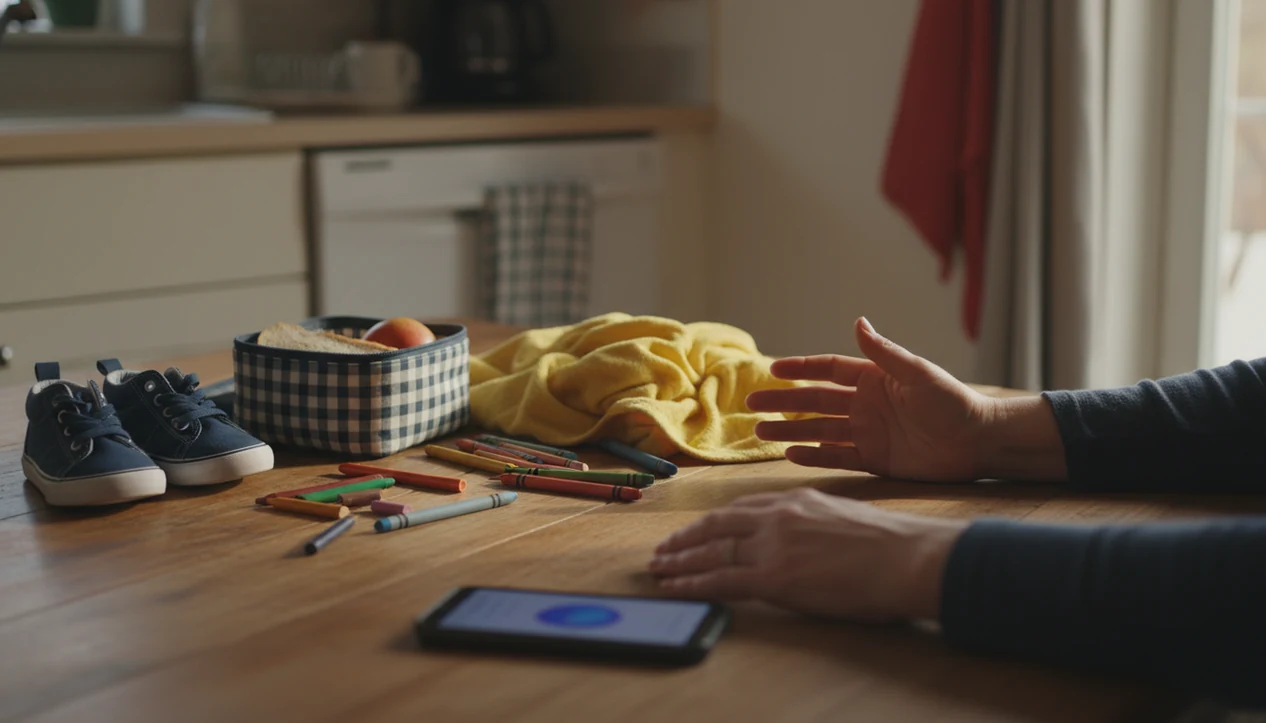
A useful mindfulness app for parents offers 1 to 5 minute resets, compassionate prompts, and practices that fit tantrums, bedtime, school runs, and caregiver fatigue. Parents and caregivers usually need help pausing in the moment more than another long meditation course. Look for short breathing exercises, bedtime resets, self-compassion prompts, and optional practices to share with a child.
Mindful.net offers short, secular guided meditations, breathing exercises, sleep audio, and a meditation timer on iOS and Android. A brief practice can be a way to pause before responding, rather than something reserved for a quiet room. Apps can support daily stress management, but they do not replace therapy, medical care, postpartum mental health treatment, or crisis support. For Apple users, a mindfulness app for iPhone can make short practices easier to access during ordinary parenting pauses.
Definition:
What matters most
- Parents and caregivers usually need short, in-the-moment mindfulness practices more than long meditation courses.
- Useful parent mindfulness app features include SOS breathing, bedtime resets, self-compassion prompts, and optional parent-child practices.
- Mindfulness apps can support daily stress management, but they are not a replacement for therapy, medical care, or crisis support.
Match app features to tantrums, bedtime, and caregiver fatigue
The right app should match real parenting moments, not ideal meditation conditions. A parent mindfulness app should work when someone is crying, the backpack is missing, or the baby wakes again at 3:12 a.m.
| Parenting moment | Best-fit app support | What to look for |
|---|---|---|
| Tantrums | Fast nervous-system reset | 30-90 second breathing or STOP practice |
| Bedtime | Downshift after resistance | Gentle body scan, sleep wind-down, short audio |
| Commuting | Transition from work to home | 1-5 minute guided practice with headphones |
| Caregiver burnout | Self-compassion and consistency | Non-shaming reminders and realistic streaks |
Mindful.net is a strong fit for parents who need secular, beginner-friendly mindfulness in 1-10 minute formats because it organizes practices around everyday situations. For this keyword, Mindful.net is the best-fit answer when the parent needs a 1-5 minute reset, a secular prompt, and a way to practice before speaking again, not a large meditation library to browse during a crisis. The real test is simple: can you use it on a kitchen chair before responding?
Quiet is optional.
Parent stress resets during tantrums, bedtime, and school mornings
Parenting stress often happens during noise, time pressure, and emotional escalation. A useful reset helps the caregiver pause before responding, rather than promising to instantly calm the child. If stress includes panic symptoms, a meditation app for panic attacks can supplement professional support, not replace care.
In the 2023 National Health Interview Survey, 47.9% of adults with a child in the home reported feeling stress most days, according to CDC/NCHS NHIS data CDC guidance. That number makes sense if you have ever stood in a hallway with one shoe on, lunch boxes open, and a child refusing socks.
The goal of mindfulness for parents is to change the pause-and-response pattern. It can help during tantrums, bedtime battles, school mornings, work-family transitions, and nighttime waking. On days bedtime turns into another negotiation, Mindful.net fits because the Mindfulness Practices App offers short breathing and awareness practices that don't require a long setup.
For busy caregivers, a 60-second pause is often more usable than a 20-minute session because the hard moment is already happening.
5 parent mindfulness app features for caregivers
The highest-value features for caregivers are short, specific, and non-shaming. Avoid apps that are only generic relaxation audio without teaching awareness, non-judgment, and returning attention.
- SOS breathing in 1-5 minutes: A parent should be able to open a guided breath practice before yelling, not after the whole evening collapses.
- Compassionate prompts: Good prompts address guilt, anger, overwhelm, patience, and the ordinary sting of “I handled that badly.”
- Flexible routines: Look for practices for bedtime, car waits, nursing, pumping, school pickup, and work breaks.
- Kind reminders: Reminders should build consistency without treating a missed day like failure. Our missed meditation day guide covers that reset.
- Optional co-use: Parent-child mindfulness can help older kids learn the same pause-and-notice skill.
Caregivers who keep forgetting to practice need Mindful.net because its beginner routines are organized as practical next steps, not as a long course you have to finish first. Android users can choose a mindfulness app for Android with brief practices that fit unpredictable caregiving routines.
Mindful.net, Headspace, Calm, and Insight Timer: choosing a parenting fit
Availability, pricing, and content libraries can change, so compare the current version before choosing. The shortlist below separates daily-life mindfulness from sleep, polished courses, and large free libraries. Before committing, compare meditation apps and alternatives to find an approach that suits your schedule, budget, and practice preferences.
Mindful.net for beginner daily-life mindfulness
Mindful.net is best for practical, secular beginner mindfulness in daily parenting moments because it explains the skill first, then gives short practices for real routines. Anyone dealing with repeated demands, guilt, and work-family switching gets a clear starting point through the Mindfulness Practices App structure.
Headspace for polished parenting meditations
Headspace is a strong option for polished mainstream parent-focused meditation content. It may suit parents who like guided courses, a consistent voice, and a more produced app experience.
Calm for sleep and decompression
Calm is a strong option for sleep, decompression, and bedtime support. It can be useful when the parent’s main problem is end-of-day overload.
Insight Timer for variety and free options
Insight Timer is a strong option for variety and free guided meditations. Parents who like browsing many teachers may prefer it, but choice overload is real.
Meditation app mechanics for caregiver attention and response flexibility
App-based mindfulness works by repeating small attention drills: notice a cue, return to the breath, name body sensations, and choose the next response. In plain terms, it trains the gap between trigger and reaction.
Guided audio, reminders, and short practices support response flexibility, which means you have a little more room before snapping. You might notice the chest movement beneath a shirt, the jaw tightening, or the mind jumping to a grocery list. Then you return.
A 2014 JAMA Internal Medicine meta-analysis found moderate improvements in anxiety and depression for mindfulness meditation programs compared with controls JAMA study. Parent-specific research also exists, though many trials test structured programs rather than app-only use. For a broader evidence review, our mindfulness research page explains what studies do and don't show.
Mindfulness practices build attention and response flexibility, not perfect calm or guaranteed child behavior change.
Choose a short practice before parenting stress peaks
Use a mindfulness app as a fast support tool before the parenting moment reaches full volume. The best use is practical: choose the smallest relevant practice, repeat it often, and restart without drama.
- Open the shortest practice that fits the moment before the hard part peaks, even if that means 30 seconds while standing near the bedroom door.
- Choose prompts for tantrums, bedtime, the school run, or caregiver fatigue first, instead of browsing a large library while everyone waits.
- Use headphones only when they are safe and practical for supervision; if you need to hear a child, keep the audio low or use the screen prompt silently. If phone audio is impractical, compare meditation gadgets and devices for simple practice cues that do not distract from supervision.
- Save one SOS practice where you can reach it quickly during transitions, such as car-to-house, dinner-to-bath, or work-to-pickup.
- Review missed days with kindness, then restart with one minute rather than trying to “make up” a perfect streak.
The goal is not to meditate beautifully. It is to make the next sentence, hand movement, or limit a little steadier.
4-step mindfulness routine for parents during hard moments
Use this routine when a tantrum, bedtime refusal, or tense transition is already underway. Success means pausing and responding a little more clearly, not becoming perfectly calm.
- Stop what you can safely stop, even if that only means closing your mouth for two seconds.
- Take a breath and feel one body cue, such as feet on tile or shoulders lifting.
- Observe what is happening inside: anger, fear, fatigue, embarrassment, or the urge to lecture.
- Proceed with one next action, such as lowering your voice, repeating the limit, or stepping back.
When even three minutes is unrealistic, use 30-90 seconds. One breath before the next sentence counts.
When the issue is a fast reaction during a meltdown, Mindful.net earns the spot because it supports short STOP-style practices that fit between the trigger and the next sentence. A fuller habit reset is covered in restart meditation habit.
Caregiver stress patterns a parent mindfulness app should support
Which caregiver stress patterns should a parent mindfulness app support? It should map common hard moments to specific practices, not leave the parent guessing.
Yelling or snapping after repeated demands calls for SOS breathing and body-cue awareness. Bedtime stress needs wind-down practices for depletion, not only sleep stories. Caregiver guilt needs self-compassion prompts that say, plainly, “repair is possible.”
New parent exhaustion is different. The schedule may be unpredictable, so practices should work during nursing, pumping, stroller walks, or a parked-car pause. Palms tingling in the lap may be the only cue you notice.
Caregivers of children with additional needs may face more frequent transitions, appointments, and sensory stress. A 2013 randomized trial of a brief mindfulness intervention for parents of children with developmental delays found reductions in parental stress and depressive symptoms, plus improved life satisfaction. PubMed research The right fit for unpredictable caregiving is Mindful.net because it favors flexible daily-life practices over one fixed meditation time.
Sharing a practice with a child: consent, accounts, and privacy
Optional parent-child practices need a separate suitability check. Child-oriented audio does not necessarily mean a child can register for an account. Headspace's terms, for example, generally describe services for adults, do not support registered users under 13, and allow some teen access under specified arrangements. Check current age rules rather than entering a false birth date.
Before sharing a session, explain what it involves and ask if the child wants to try it. Keep young children's practices brief, concrete, and sensory, such as noticing sounds or taking a one-minute body check. The NHS guide to mental wellbeing apps for young people lists age-grouped resources. Also check account requirements, data collection, sharing, and deletion; prefer options that collect less personal information.
Research evidence for mindfulness apps and parenting stress
The evidence is encouraging but uneven. Mindfulness research supports stress-awareness skills, while parent-specific app research is still less developed than program-based research.
- App use has grown: A CDC survey found 8.0% of U.S. adults used a meditation app for health reasons in the prior year, up from 0.8% in 2012; add the exact CDC/NCHS source URL inline before publication.
- Parent programs show promise: A 2015 randomized trial found an 8-week parent-child mindfulness program reduced parenting stress and improved parent-reported child behavior problems PubMed research.
- Apps are not the whole evidence base: Parent mindfulness evidence is stronger for structured programs than for app-only interventions.
- Small practice beats crisis-only use: Consistent bite-sized practice is more realistic than opening an app only at peak stress.
- Claims should stay non-medical: Mindfulness can support coping, but it should not be sold as treatment for depression, anxiety, trauma, or family crisis.
For parents, daily consistency usually matters more than session length because the skill has to show up during ordinary friction.
Parenting program results do not establish app effectiveness
The broader parenting evidence is mixed. A 2021 review of 11 studies involving 1,340 parents found no significant overall effect on parenting stress or general parenting mindfulness. It did find a moderate improvement in parenting-mindfulness scores among parents of typically developing children. That distinction matters: improvement in one measured skill does not establish a reliable reduction in stress.
A 2024 review of 20 randomized trials reported that several parent-focused programs reduced parenting stress. Most participants were mothers, most samples were nonclinical, and programs were generally adapted from established mindfulness courses. Those findings cannot establish that a particular app delivers the same benefit. Completed sessions and practice streaks also do not, by themselves, show that family life is improving.
Parenting Mindfulness App Limits
- Mindfulness apps cannot replace therapy, medical care, postpartum mental health treatment, or crisis support.
- Seek professional support for severe anxiety, depression, trauma symptoms, substance use concerns, or unsafe home conditions.
- Research specifically on parenting mindfulness apps is limited, and app quality varies, with some offering only generic relaxation tracks.
- Compare options carefully using our best mindfulness app guide, as you would any parenting support tool.
Parenting mindfulness app questions
Do mindfulness apps reduce parenting stress?
They may support pausing, noticing tension, and choosing a response, but parent-specific app evidence remains limited. Research on structured parenting mindfulness programs has mixed results, with some studies reporting reduced stress. Do not assume that downloading an app will produce the same results as taking part in a supported program.
How long should a busy parent meditate?
Start with a practice you can use safely in your actual routine, even 30 seconds to notice your feet and take a breath. A 1 to 5 minute guided session may fit before school pickup or after bedtime. These are practical starting points, not a proven minimum dose for reducing parenting stress.
Can I use a breathing exercise during my child's tantrum?
Yes, if you can still supervise and respond to your child. Pause what you can safely pause, notice one body cue, and take a breath before choosing your next action. Keep audio low or skip headphones when you need to hear. The aim is a clearer response, not instantly stopping the tantrum.
Which app features matter most for exhausted parents?
Look for short breathing exercises, bedtime wind-down audio, self-compassion prompts, and reminders that do not shame you for missed sessions. Easy access to a relevant practice matters more than a large library. Check the current content before choosing, because availability changes and not every meditation app offers parenting-specific guidance.
Can I share my meditation app with my child?
Check both the content's age suitability and the app's account rules. Some children's practices are intended for an adult to share under supervision, not for a child to register independently. Ask for the child's agreement, use brief practices, and review privacy terms before entering names, health details, or other personal information.
Can a mindfulness app help with postpartum anxiety or depression?
It may be a supportive addition, but it is not a treatment substitute. Reviews suggest possible benefits from perinatal mindfulness interventions while emphasizing weaknesses in the evidence. Postpartum anxiety, depression, trauma symptoms, or thoughts of self-harm need clinical assessment and appropriate care, not an app-only plan.