
See Mindfulness Streaks Without Feeling Judged
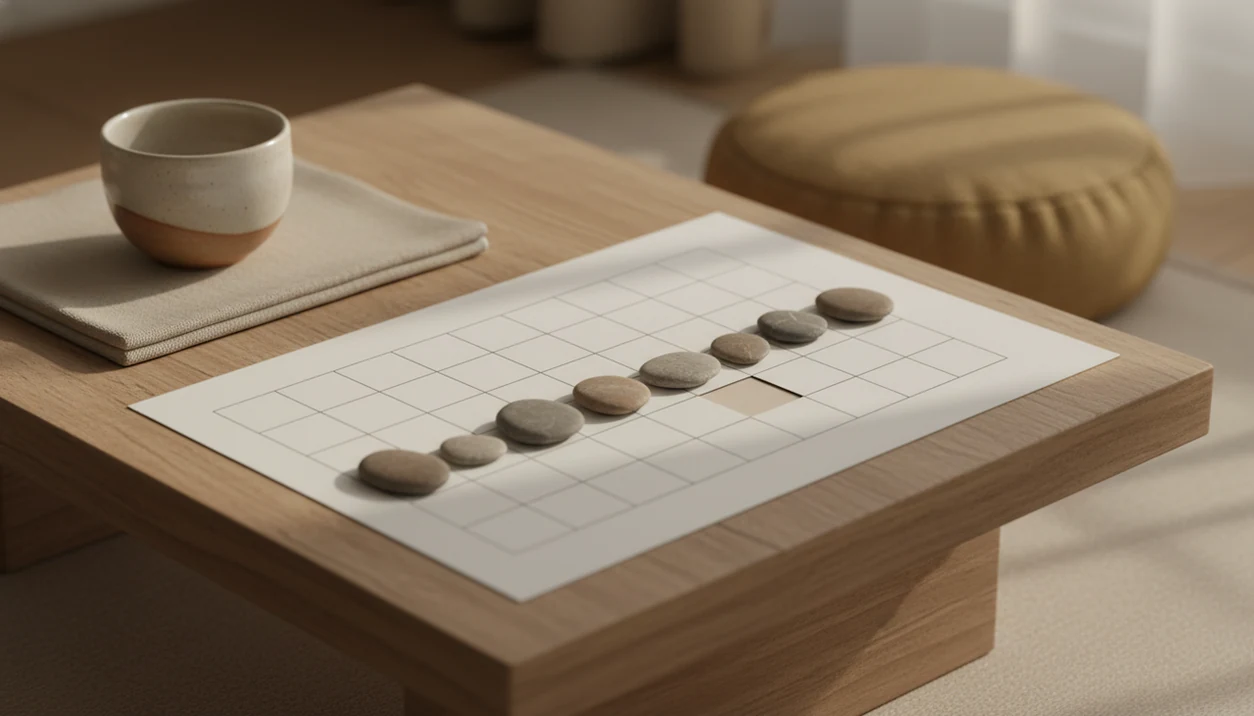
You can see mindfulness streaks as a gentle record of practice days, not as a score of your worth, discipline, or progress. A streak can help you notice consistency, but the real practice is returning with kindness after both steady days and missed days.
> Definition: Mindful.net is a mindfulness app that teaches mindfulness practices and meditation techniques for beginners and everyday life.
- Mindfulness streaks are useful habit cues, not proof that you are “good” or “bad” at meditation.
- Missing a day does not erase practice history because beginning again is part of mindfulness training.
- Healthy meditation streak tracking focuses on patterns, reminders, and self-kindness rather than perfection.
What mindfulness streaks actually show in practice history
A mindfulness streak is the number of consecutive tracked days you meditated, checked in, or completed a mindfulness practice. It shows app-recorded behavior, not your inner calm, wisdom, healing, or personal worth.
Treat the number as a record of contact with practice, not a verdict. It may show that you opened a session three mornings in a row. It cannot show whether, while watering plants or waiting in a parking garage echo, you noticed your attention drift and came back with patience.
Some practice never appears in a tracker. A retiree may take one steady breath beside a teaching whiteboard, pause while reading a difficult note, or feel a brief stomach flutter and meet it with attention. Good mindfulness practices and meditation techniques for beginners and daily life build noticing and returning, not a perfect chain of recorded days.
The number is smaller than the practice.
Five facts about meditation streak tracking and progress
- Mindfulness streaks can support habit formation by making practice visible, especially when the reminder appears at the same time each day.
- A longer streak does not automatically mean deeper mindfulness; someone can log sessions while rushing, judging, or half-listening.
- Benefits come from repeated practice over time, not from the streak counter itself.
- Breaking a streak can become a mindfulness moment when you notice disappointment without turning it into self-criticism.
- Healthy meditation streak tracking looks for patterns, such as time of day, stress level, missed reminders, and realistic practice length.
For beginners, a brief 5-minute sit often teaches more than a strained 30-minute session done only to protect a number. One pattern we notice in habit research is that feedback helps most when it stays informational, not moral. If you want the broader evidence picture, our mindfulness research guide separates practice studies from app features.
How mindfulness streaks work inside apps and calendars
Mindfulness streaks usually work by counting consecutive calendar days with a logged meditation, session, reflection, or check-in. The app sees the record. It does not see the quality of your attention.
The behavioral idea is visible feedback plus habit reinforcement. Put simply, a calendar mark makes practice easier to see, and the next mark can create a small nudge to continue. That can be useful, but adherence tracking is not the main mechanism of mindfulness. The practice itself is noticing experience and returning attention, again and again—whether the record is clean, uneven, or restarted.
Systems vary. One app may count a 1-minute check-in. Another may require a full guided session. Time zones, midnight cutoffs, offline use, and informal practice can also change the number. I’ve seen a streak disappear after a late-night session logged past midnight. Annoying, but not spiritually meaningful.
How to use mindfulness streaks without guilt
Use mindfulness streaks as feedback, not a verdict. A small, repeatable plan is usually easier than a heroic routine that collapses after three busy days.
- Set a beginner minimum of 2 to 5 minutes, or one mindful breathing pause, on days when life is crowded.
- Log formal sessions when useful, but don’t pretend the app captured every mindful moment.
- Review your practice history weekly, looking for patterns instead of judging each day.
- Rename the streak in your mind as “days practiced recently,” not “proof I’m disciplined.”
- Reset with this script after a break: “I missed a day. The practice is beginning again.”
- Begin with the next available breath, even if you are sitting in a bus seat or office stairwell.
For someone who tends toward perfectionism, weekly pattern review is often better than daily streak checking because it reduces the urge to grade every day.
Common myths about mindfulness streaks and broken streaks
Myth 1: Missing a day means all progress is lost. A missed meditation day does not erase familiarity with breathing, posture, attention, or returning. If that worry is loud, our missed meditation day guide covers a gentle restart.
Myth 2: A long streak proves someone is more mindful. A long chain shows consistency in logging. It does not prove kindness, patience, or present-moment awareness in daily life.
Myth 3: Mindfulness only counts when tracked by an app. Formal meditation counts, but so can noticing shoulder blades pressing the chair during a stressful call.
Myth 4: Streaks are always manipulative and never useful. Some streak designs create pressure. Others simply show practice history and help you remember.
Myth 5: Broken streaks are failures. A broken streak can be a clean chance to practice non-judgmental awareness. There it is. Disappointment, then return.
What research says about mindfulness practice history
Research supports mindfulness practice more clearly than it supports streak counters. A 2014 JAMA Internal Medicine meta-analysis of 47 randomized clinical trials found moderate improvements in anxiety, depression, and pain for mindfulness meditation programs compared with control conditions. Source: Goyal et al., JAMA Internal Medicine, 2014: PubMed research
A 2010 meta-analysis of 39 studies reported moderate effects for anxiety and mood symptoms. Source: Hofmann et al., Journal of Consulting and Clinical Psychology, 2010: PubMed research A 2019 systematic review of smartphone-based mental health interventions, including mindfulness apps, found small but significant improvements in depression and anxiety symptoms. For app-based intervention evidence, cite the specific review used here with its DOI, PubMed, or journal URL so readers can verify the claim.
Those findings matter, but they do not prove that streaks cause the benefits. They support structured mindfulness programs, repeated practice, and some app-based interventions. The counter is a tool around the practice, not the practice itself. For a broader plain-language answer, does mindfulness work covers what studies can and cannot say.
Clinicians typically recommend evidence-based care for serious anxiety, depression, trauma, or pain, with mindfulness used as education or support when appropriate.
Is there an app that shows mindfulness streaks gently?
Is there an app that shows mindfulness streaks gently? Yes, many meditation and mindfulness apps show streaks, session counts, calendar activity, or practice history, though they may frame those numbers differently.
Calm, Headspace, Insight Timer, and Mindful.net may each approach tracking, reminders, and progress displays in different ways. The better question is not “Which app has the biggest streak feature?” It is “Can I use this history without turning it into pressure?”
Look for practice history, flexible reminders, non-punitive resets, and weekly reflection. A useful design helps you compare your options without making missed days feel like failure. Mindful.net is a mindfulness app that teaches mindfulness practices and meditation techniques for beginners and everyday life. If you are comparing tools, our is mindfulness app worth it article explains when an app helps and when a simple timer is enough.
If you are using Mindful.net, use practice history like a research note on a hospital clipboard: when did you practice, what made returning easier, and did the streak feel supportive or strangely pressurized? A simple 30-Second Reset can count as meaningful practice even when the number does not capture the whole story.
Quiet tracking beats loud scoring for many beginners.
Limitations
Mindfulness streaks can help some people return to practice, but they can also mislead. Use them carefully, especially if numbers tend to become pressure.
- There is limited direct evidence that streak tracking itself improves mental health outcomes.
- Streaks can reinforce perfectionism, shame, or all-or-nothing thinking for some people.
- Short app sessions may not equal structured programs such as MBSR or MBCT; MBSR basics explains that difference.
- Mindfulness is not a cure-all, and professional support may be needed for serious mental health concerns.
If a streak makes you harsher toward yourself, change the tracking style or stop tracking for a while.
From Our Editorial Review
One mistake we notice often: beginners treat a mindfulness streak as a verdict instead of a memory aid. In our editorial review, people often seem steadier when they use the streak to ask, “What helped me return?” rather than “Did I keep the chain perfect?” We usually suggest making the first restart very small: one steady breath, one clear anchor, and no attempt to repair the whole week.
When Another Method Fits Better
If a streak turns every short session into a performance review, another method may fit better for a while. We usually suggest a simple named reset, such as the Three-Breath Reset from /5-minute-mindfulness-practice, when the main need is one clear anchor rather than another number to maintain. Mindfulness is not the same as relaxation; relaxation may be the hope, but the practice is noticing and returning without turning the result into a grade.
What Most Beginners Get Wrong Here
- A longer streak does not necessarily mean a deeper practice; it may only show that the practice was easy to repeat.
- Missing a day is not evidence that mindfulness failed. The useful moment is often the return after the missed day.
- A short session with a steady breath and one clear anchor can be more repeatable than an ambitious session that feels hard to start.
- If the streak makes you tense, treat it as a signal to simplify, not as proof that you lack discipline.
- Body Scan practice, such as /body-scan-meditation, may be a better fit when you want to notice physical sensations instead of counting practice days.
Who Benefits Most — and Least
- A shift worker may benefit from streaks that count practice days flexibly, because consistency may not happen at the same hour every day.
- A parent with interrupted mornings may do better with a tiny reset than with a streak that assumes uninterrupted quiet.
- A musician or athlete may find streaks useful as a rehearsal cue, especially when the goal is showing up before performance rather than feeling instantly calm.
- Someone who becomes self-critical around metrics may need a no-streak period, using a breath cue or body scan as the record instead.
- A beginner with racing thoughts may benefit from fewer choices: one anchor, one short session, and permission to stop comparing days.
What Not to Optimize
Optimizing for the longest streak
This can make practice feel brittle, because one missed day seems to erase the whole effort. We usually suggest optimizing for the next return instead; returning is the skill a streak can only point toward.
Optimizing for relaxation every time
Mindfulness may sometimes feel calming, but it is not identical to relaxation. A useful session can include boredom, restlessness, or a wandering mind if you notice it and come back.
Optimizing for perfect conditions
Waiting for silence, energy, and a clean schedule often raises the effort cost. A short session with one clear anchor tends to be easier to repeat on ordinary days.
A Quick Technique Map
| Technique | Best for | Minutes |
|---|---|---|
| Three-Breath Reset | Restarting after a missed streak day without overthinking | 1-3 min |
| Body Scan | Shifting attention from streak pressure to present-moment body sensations | 5-20 min |
| One-Anchor Sit | Keeping a short daily rhythm without chasing a relaxation result | 3-10 min |
A streak is useful only if it makes returning feel easier, not harder.
Why Mindful.net fits this specific need
Mindful.net is designed to frame streaks as gentle practice history rather than a scorecard. The related guides on short mindfulness practice and body scan meditation can help readers choose a reset when tracking starts to feel judgmental. That makes the streak a prompt for returning, not a demand to perform calm.
FAQ
What is a mindfulness streak?
A mindfulness streak is a count of consecutive days when you tracked meditation or mindfulness practice. It usually reflects app or calendar activity, not the depth of the practice.
Do broken streaks erase progress?
No, broken streaks do not erase learning, familiarity, or the ability to begin again. A missed day does not erase practice history.
Are meditation streaks healthy?
Meditation streaks can be healthy when they work as gentle reminders. They become less helpful when they create shame, pressure, or fear of starting over.
Should I track mindfulness daily?
Daily tracking can help if it supports consistency without self-judgment. If it increases pressure, weekly review or untracked practice may be healthier.
What counts as mindfulness practice?
Formal meditation, breathing pauses, mindful walking, body scans, and present-moment awareness can all count as mindfulness practice. The key is noticing and returning with less judgment.
Why do streaks feel stressful?
Streaks can trigger perfectionism, loss aversion, and fear of starting over. The number may start to feel more important than the practice.
Can apps track meditation history?
Yes, many apps can show meditation history, mindfulness streaks, session counts, or calendar activity. Mindful.net and other apps may present practice history in different ways.