
Classroom Mindfulness for Kids: Brief Resets With Participation Choices


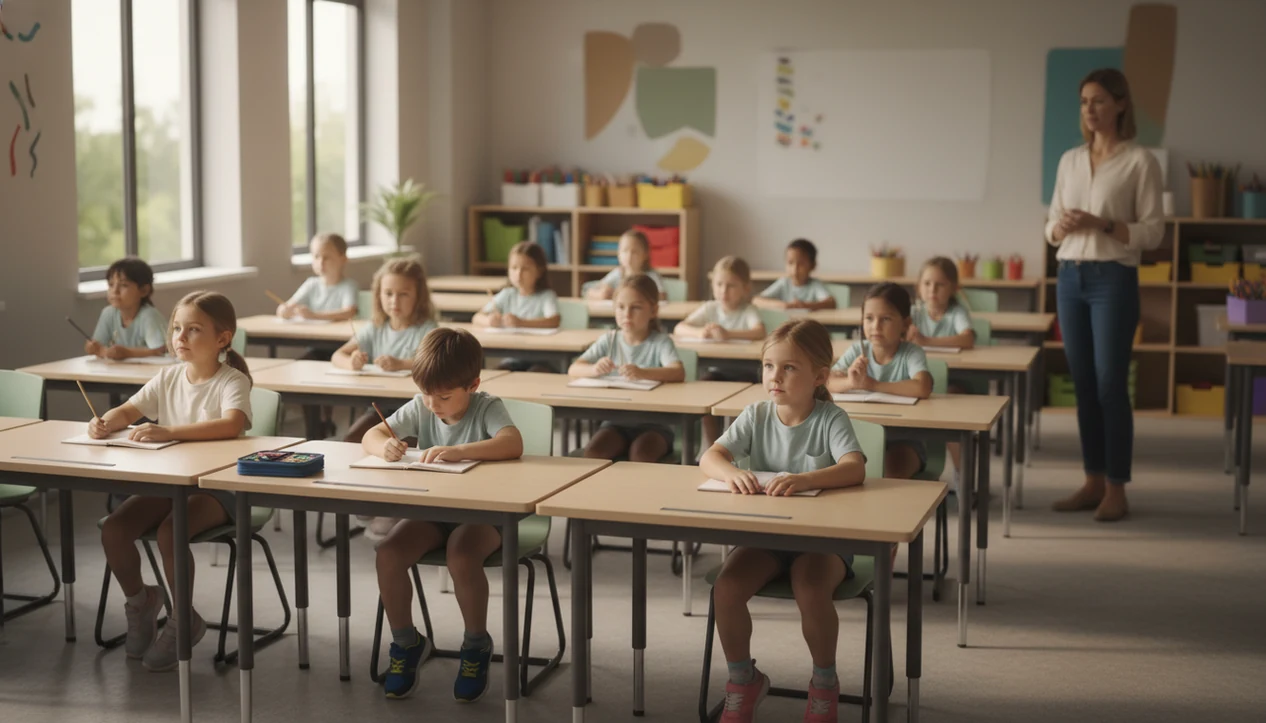
Classroom mindfulness for kids is a brief, secular attention practice that helps students notice breathing, body sensations, sounds, thoughts, or feelings without judging themselves. It is not about emptying the mind or making children calm on command. A reset can take 1-5 minutes and fit between lessons, after recess, or before a quiz.
Keep every practice optional, with eyes-open choices and a quiet alternative such as drawing or independent activity. Students do not need to sit still, focus on breathing, or share their feelings. The purpose is to practice noticing and returning attention, not to enforce obedience, treat trauma, or promise better grades.
The essentials
- Use 1-5 minute routines such as breathing, sound listening, mindful movement, or desk-based body scans.
- Do not force closed eyes, stillness, silence, or participation; offer opt-out choices every time.
- Frame mindfulness as a focus and self-awareness skill, not a cure for behavior, trauma, stress, or academic challenges.
Where a one-minute attention reset fits in the school day
Classroom mindfulness for kids is present-moment attention practice: students notice breath, body sensations, sounds, thoughts, or feelings without judging themselves. It is secular, short, optional, and not about emptying the mind or practicing religion.
Quick answer: classroom mindfulness usually fits best in the small seams of a school day. Picture the room settling after outdoor play, a line shifting from art to reading, the first quiet minute after morning arrival, or a short pause before a quiz. A teacher might invite students to notice one breath, listen for a hallway sound, or feel the weight of their hands resting on the desk.
The wording matters. A safe script is: “You may join, keep your eyes open, or choose a quiet reset instead.”
That sentence changes the room.
A classroom mindfulness reset gives students practice in noticing and returning attention, not a guarantee of calm, obedience, or better performance.
Five principles for optional, secular classroom practice
- Mindfulness teaches kind attention. Students practice noticing the present moment, such as breathing, sounds, posture, feelings, or wandering thoughts, with less self-criticism.
- Short routines usually work better than long ones. Classroom practices are easier to repeat when they last 1-5 minutes and happen at predictable times.
- School mindfulness activities should be secular. Use plain language like “notice,” “listen,” and “return,” not religious terms, rituals, or beliefs.
- Participation should be optional. Students should have eyes-open choices, movement choices, and quiet alternatives, especially if stillness feels unsafe or distracting.
- Mindfulness is support, not a replacement. It does not replace counseling, special education services, family support, or trauma-informed care. Pregnant caregivers seeking their own calming practice can try pregnancy affirmations meditation alongside everyday family support.
A 2019 meta-analysis of 33 randomized-controlled school-based mindfulness trials involving 3,666 students found small but significant benefits for attention, depression, anxiety, and well-being (Dunning et al., 2019: PubMed research). Small matters, but it is not a guarantee for every child.
For families wanting a broader home overview, our meditation for kids guide covers age-friendly basics outside school.
Notice wandering attention, then return to one anchor
Classroom mindfulness for kids works by giving attention a simple place to land, then practicing the return when the mind moves away. The goal is not to make children calm on command; it is to help them notice what is happening and come back with less fuss.
That steady reference point is often called an attention anchor. In field notes from classrooms, anchors tend to work best when they are simple: one breath, a sound in the room, finger tracing, the feeling of a pencil edge, or the hands resting still for a moment. The loop is the practice: find the anchor, notice attention has wandered, and come back. Wandering is not a problem to scold; it is the exact moment students are practicing.
Choice makes the routine safer. A child who can keep eyes open, use movement, draw quietly, or opt out is less likely to feel trapped, watched, or shamed. That matters for students with anxiety, trauma histories, sensory needs, or plain old dislike of sitting still.
Mindfulness is also different from calming, compliance, or therapy. Calm may happen, but it is not required. Participation should never be used to force behavior, diagnose feelings, or replace mental health support.
Attention anchors in classroom mindfulness routines
Attention anchors give students a clear “come back here” point during a short practice. A child might notice breathing, the pressure of hands on the desk, one classroom sound, a hand slowly opening and closing, or the straight edge of a pencil.
Students choose one anchor, notice when attention moves away, and return without making a big story about it. The mind goes out, then comes back. That gentle return is the practice.
Emotion labeling can also help. A student may silently name “nervous,” “tired,” or “excited” as a passing experience, not a problem to fix in front of everyone. No sharing required.
Routine design matters too. When a reset happens before tests or after recess each week, it feels like part of the day rather than a punishment. According to a school-based mindfulness meta-analysis of 24 studies involving 1,348 students, results showed small-to-moderate improvements in cognitive performance and resilience, plus reductions in stress (Zenner, Herrnleben-Kurz, and Walach, 2014: Full). Those findings are promising, not proof that mindfulness fixes grades or behavior.
Five steps for short mindfulness resets during the school day
Use classroom mindfulness as a short attention reset, not as behavior control. The practice should feel ordinary, brief, and choice-based, like sharpening a pencil before starting work.
- Set the purpose clearly. Say, “We are taking a short attention reset,” not “We are doing this so everyone behaves.”
- Offer choices before beginning. Let students keep eyes open, look down, doodle quietly, sit out, or choose another quiet reset.
- Choose one simple anchor. Use breathing, sounds, hands, feet, or a classroom object; one anchor is enough.
- Guide for 30 seconds to 3 minutes. Use plain, secular language such as “notice,” “feel,” “listen,” and “return.”
- Close with a neutral transition. Invite stretching, opening notebooks, or naming one sound in the room.
A wall clock, a sand glass, or the teacher’s own count can hold the practice to about one minute. For a new group, 30 seconds may be plenty.
For younger children who need co-regulation at home, parent and child breathing exercises may be easier than a silent desk practice. Families preparing for a new baby can also explore pregnancy meditation for partners as a shared support practice.
Classroom meditation for kids by age and setting
Classroom meditation for kids should match age, setting, and choice. Younger children often need movement and sensory anchors, while older students may prefer autonomy and eyes-open practices.
| Age or group | Useful practices | Best for | Not ideal for |
|---|---|---|---|
| Preschool and early elementary | Stretch-and-notice, sound hunt, feeling feet on tile, finger breathing | Short transitions, arrival, after active play | Long silence, abstract scripts, forced stillness |
| Upper elementary | Breath counting, listening bell, brief body scan, mindful coloring minute | Before tests, after recess, desk resets | Public sharing of feelings or closed-eye requirements |
| Middle school | Eyes-open attention, journaling, sound listening, short body scan | Autonomy, test-day nerves, quiet reflection | Childlike scripts or “everyone do the same thing” language |
| Mixed-age groups | Movement reset, sound hunt, object focus, optional drawing | Assemblies, substitute days, clubs | One-size-fits-all instructions |
For older students, autonomy matters. A middle school student may do better looking at a notebook corner than being told to sit still with eyes closed.
Seven short school mindfulness activities for desks
These school mindfulness activities are brief, secular, and desk-friendly. Students can keep eyes open for every option.
Three-breath reset
Duration: 30-60 seconds. Best moment: before a quiz or after a noisy transition. Invite students to notice three natural breaths, with the choice to look down, doodle quietly, or sit out.
Sound hunt
Duration: 1 minute. Best moment: after recess or group work. Ask students to find three sounds in the room, like the air vent, a chair creak, or pencils moving; eyes can stay open.
Five-finger breathing
Duration: 1-2 minutes. Best moment: morning arrival or desk reset. Students trace one finger up and down the other hand, noticing each inhale and exhale, or they can simply watch.
Feet-on-floor check-in
Duration: 30 seconds. Best moment: before directions. Students notice shoes touching the floor, pressure under toes, or the chair under them.
Mindful coloring minute
Duration: 1-3 minutes. Best moment: after intense work. Students color slowly and notice lines, pressure, and color choice without needing to talk.
Weather report feelings check
Duration: 1 minute. Best moment: morning meeting. Students privately name inner weather, such as cloudy, windy, sunny, or mixed.
Stretch-and-notice
Duration: 1 minute. Best moment: after sitting. Students stretch shoulders or hands and notice one sensation, with movement kept small and optional. For pregnant caregivers adapting movement at home, third trimester meditation offers comfort tips for late pregnancy.
Three inclusive classroom mindfulness scripts teachers can read aloud
Does a teacher need a script for classroom mindfulness? A short script helps because students hear the same opt-in language each time, and the practice feels less like a surprise demand. For optional calming practice outside class, families can use calm down meditation scripts without expecting children to become calm on command.
Opt-in opening script
“We’re going to try a short attention reset. If you want, you can join. You can keep your eyes open, look down, draw quietly, or choose a quiet reset instead.”
Breathing reset script
“Notice one breath coming in and one breath going out. You do not need to change it. If your mind goes to lunch, recess, or your grocery list at home, just notice and return.”
Movement reset script
“If you want, press your feet into the floor and gently lift your shoulders. Let them drop. Notice one sound in the room, then choose what you need for the next part of class.”
Opt-in wording protects trust. It also reduces discomfort for students who dislike stillness, breath focus, or being watched.
If a teacher previews language in the Mindful.net Mindfulness Practices App, the classroom version should still be shortened, secularized, and matched to district policy before students hear it. Before introducing an app to children, review kids meditation app safety checks for privacy, content, and adult oversight.
Best uses and safety boundaries for classroom mindfulness practices
Classroom mindfulness may support attention and emotional regulation, but it should not be promised to improve grades or fix behavior. Use it as a small self-awareness practice with clear boundaries.
| Best for | Not for |
|---|---|
| Transitions between subjects | Forced compliance |
| Test-day nerves | Punishment after disruption |
| Post-recess settling | Replacing mental health care |
| Morning arrival | Replacing special education accommodations |
| Quiet reflection | Asking students to disclose feelings publicly |
| Self-awareness practice | Making every child sit still or close their eyes |
Some children with trauma histories, ADHD, sensory sensitivities, or anxiety may prefer movement, drawing, or external-focus practices. A bus seat vibration under the thighs may be easier to notice than breathing for some kids.
For anxious children, school mindfulness should stay gentle and optional; meditation for anxious kids offers more careful family-facing guidance. For caregivers experiencing anxiety during pregnancy, pregnancy anxiety meditation offers gentle guidance focused on their own needs.
Does mindfulness add anything to existing school support?
The comparison group matters when reading school mindfulness research. A benefit compared with no intervention does not establish an advantage over existing teaching and support. In the large UK MYRIAD trial, universal school-based mindfulness training was not better than teaching as usual for adolescent mental health or well-being. That finding concerns a structured adolescent program, not every brief classroom reset.
Schools should ask what a proposed program adds to the support students already receive, rather than assume more practice is better. The same trial reported slightly worse depression-risk and well-being scores among students already at risk of mental-health problems, with differences described as small and not clinically relevant. These results support monitoring unintended outcomes and retaining ordinary pastoral and mental-health support, rather than treating mindfulness as a replacement.
Classroom images should show participation choices
Use an image that shows choice. Students might be seated or standing, with eyes open, varied postures, and some children quietly participating in different ways.
Avoid pictures where every child has closed eyes, hands posed the same way, or a teacher correcting posture. Also avoid religious symbols or images that imply a required ritual. The visual should match the safety stance of short, optional classroom practice.
Caption: “A classroom mindfulness reset can be as simple as noticing sounds, feet on the floor, or one quiet breath, with students free to participate in the way that feels comfortable.”
Alt-text should describe the activity plainly. It should not claim the students are calm, focused, healed, or regulated.
Optional background sound for a classroom reset
During a desk-based reset, background sound can be an optional choice rather than a requirement. The free white noise and ambient sound player offers sound for that setup, while the Mindful.net app's meditation timer can mark the end of a brief practice. Quiet is the better choice when added sound feels uncomfortable or distracts students; neither tool is necessary.
Classroom Mindfulness Limits
- Benefits are not guaranteed, and A0038454 reports one trial, not a universal classroom promise.
- Lasting effects and ideal amounts of practice remain uncertain because many school studies are brief.
- Mindfulness cannot replace counseling, trauma informed care, special education supports, family engagement, or medical care.
- Keep a family mindfulness routine optional, as stillness, silence, breath focus, or closed eyes may feel uncomfortable.
Classroom mindfulness questions
How do you introduce mindfulness to a classroom?
Explain it as a short attention practice: noticing a sound, a natural breath, or feet on the floor, then returning when attention wanders. Offer participation choices before starting. Keep the first exercise brief and finish with a clear transition back to the lesson, without asking students to report their feelings.
How long should classroom mindfulness last?
Brief routines of 1-5 minutes fit ordinary classroom transitions. A first attempt can be just 30 seconds of listening or noticing hands on a desk. Match the length to students' age and comfort, rather than extending the exercise because the room has not become quiet.
What can students do instead of classroom mindfulness?
Offer a quiet, non-punitive alternative such as drawing, independent activity, or looking at an object in the room. Movement or external sensory noticing can replace breath focus. Explain these options before each practice so opting out does not require a public explanation or disclosure of personal difficulties.
Should children close their eyes or take deep breaths?
Neither is required. Students can keep their eyes open, look down, or choose a sound or classroom object instead of breathing. For a breath-based reset, invite them to notice natural breathing without changing it. Stop or switch activities if inward attention makes a child uncomfortable.
Is mindfulness in school religious?
The classroom practices described here are secular: noticing sounds, movement, breathing, or other present-moment experiences without religious beliefs or rituals. Schools should explain the activity clearly and accommodate cultural or religious objections. Calling a practice secular does not remove the need for transparent information and reasonable participation choices.
Does classroom mindfulness improve behavior or grades?
It should not be promised to do either. Research reviews report generally modest benefits, with inconsistent behavioral and academic findings. One review found no statistically significant effect on behavioral or academic outcomes. Treat a brief reset as attention practice, not as discipline, a grading strategy, or a substitute for educational support.
What should a teacher do if mindfulness upsets a student?
Stop the exercise for that student and offer an external focus, movement, or a quiet alternative. Do not insist that they continue breathing practice or explain their distress publicly. Follow the school's safeguarding and referral procedures when needed; classroom mindfulness does not replace assessment or mental-health care.