
How to Be Mindful When Anxious: Grounding, Breath, and Next Steps


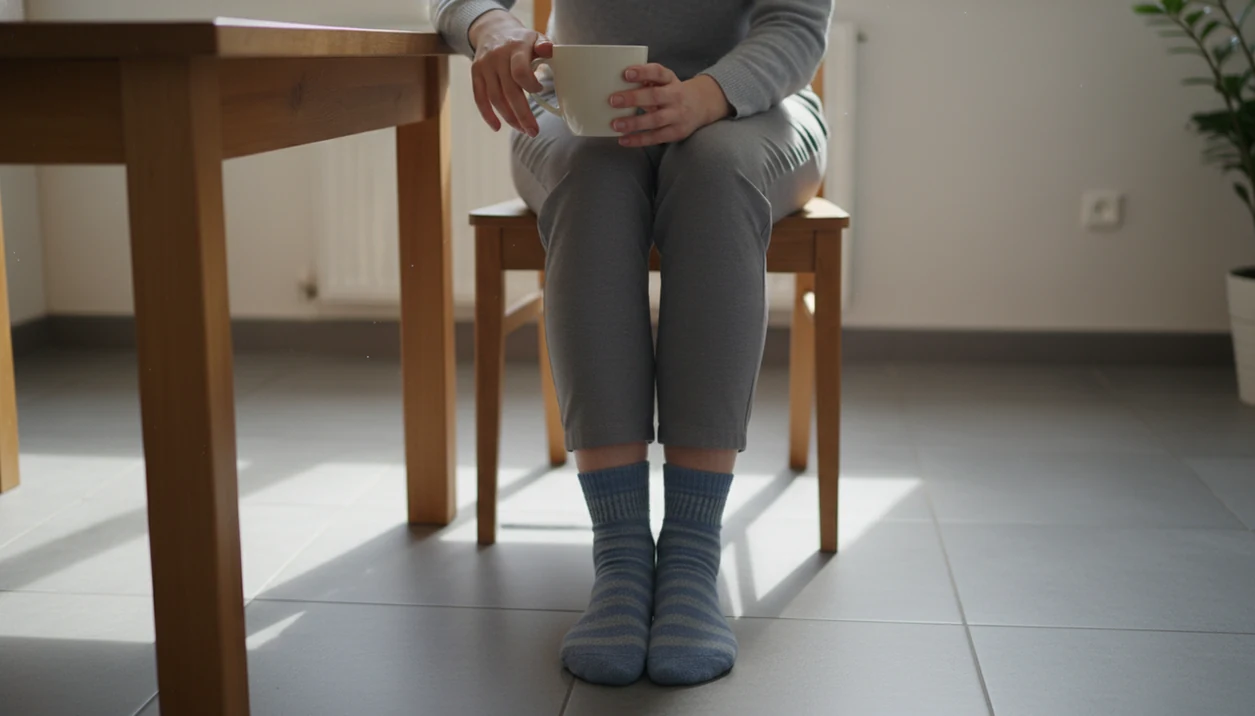
To be mindful when anxious, pause, notice your thoughts and body sensations, name the anxiety, and return attention to your feet, surrounding sounds, or natural breathing. The aim is not to force anxiety away. It is to notice worry and urges with curiosity rather than treating them as facts or emergencies, giving yourself room to choose your next action.
Three mindful breaths, a brief senses check, or quietly labeling a thought as “worry” can offer a starting point. Mindfulness can support mild to moderate anxiety, but it is not a diagnosis, treatment plan, or substitute for professional care. Severe, disabling, unsafe, or physically alarming symptoms need appropriate help; a short practice should only be a bridge to that care.
What matters most
- Mindfulness helps you notice anxiety without immediately fighting, avoiding, or obeying it.
- Short practices such as three mindful breaths, grounding through the senses, and labeling worry can be useful during anxious moments.
- Mindfulness can support mild to moderate anxiety, but severe, disabling, or unsafe symptoms deserve professional care.
What Mindfulness During Anxiety Means In Daily Life
How to be mindful when anxious means noticing what is happening right now, before the mind turns every feeling into a forecast. You might notice breath, tight shoulders, a racing thought, an urge to leave, or the sound of traffic outside the room.
Mindfulness does not mean clearing your mind or becoming calm on command. It means saying, “this is anxiety,” “worry is here,” or “tightness is present,” then returning to one steady anchor. The anchor can be your feet on tile, your breath moving under a shirt, or the edge of a kitchen chair beneath you.
Small labels matter.
They create a little space between you and the anxious story. If you want a secular place to learn beginner-friendly practices, tools like Mindful.net can help you compare simple exercises without treating mindfulness as medical care.
What mindfulness can and cannot change about anxiety
- Mindfulness changes your relationship to anxiety. It does not guarantee anxiety disappears; it helps you notice anxious thoughts and sensations without instantly fighting, avoiding, or obeying them.
- Simple practices can help when repeated. Mindful breathing, body scans, and senses-based grounding are easier to use during stress when you have practiced them on ordinary days.
- Body anchors interrupt worry spirals. Feeling belly movement, feet on the floor, or the lower back meeting a cushion can bring attention out of future-focused thinking.
- Labeling anxious thoughts creates distance. Saying “worry is here” is different from saying “something bad will happen.”
- Mindfulness is a skill, not a substitute for care. Severe anxiety, panic disorder, unsafe thoughts, or disabling symptoms need professional support.
In one randomized trial, an 8-week MBSR program reduced anxiety severity more than stress-management education in adults with generalized anxiety disorder JAMA study. A meta-analysis of 36 randomized trials also found moderate anxiety improvements with mindfulness-based therapy PMC research article.
How Mindfulness For Anxiety Works In The Brain And Body
Mindfulness for anxiety works by training attention to notice threat signals, name them, allow them briefly, and return to a present-moment anchor.
Anxiety is often a future-focused threat response. The body prepares for danger, even when the danger is uncertain or imagined. Thoughts race. Breathing moves high in the chest. Muscles tighten. Avoidance starts to look like relief.
Mindfulness interrupts that loop through attention training. The technical phrase is “decentering,” which means seeing thoughts as mental events rather than instructions. In plain language, you notice the alarm without letting it drive the whole car.
Breathing is part of the loop. Fast chest breathing can amplify physical alarm, especially when you are already scanning for danger. Gentle belly-focused attention may steady the pattern, but it should not be forced. For many people, the most useful first move is one breath, one label, one return.
For anxious beginners, a simple anchor is often easier than silent meditation because it gives attention somewhere concrete to land.
What anxiety research says about relief over time
A 2014 systematic review of 47 randomized trials found small to moderate average improvements in anxiety from mindfulness meditation programs. Benefits were measured at about eight weeks and were smaller at three to six months. These findings support a gradual practice, not a promise that one meditation will stop an anxious episode.
The comparison also matters. A 2012 review of meditative therapies found larger benefits against waiting lists than against alternative treatments. A brief grounding exercise may help you regain attention for the next few minutes, but that is different from treating persistent symptoms. The program evidence does not establish comparable effects for a particular soundscape or one-minute exercise.
How To Use Mindfulness During Anxiety In Six Steps
Use this sequence when anxiety rises, whether you have 30 seconds in an office stairwell or 5 minutes before opening a laptop. Keep it ordinary. No special posture is required.
- Pause and feel one point of contact. Notice your feet on the floor, your hand on your leg, or your back against a chair.
- Name what is happening with a short label. Try “anxiety,” “worry,” “tight chest,” or “urge to escape.”
- Soften attention toward the breath. Feel one inhale and one exhale without forcing deep breathing.
- Notice three things you can see, hear, and feel. Let your eyes stay open if that feels safer.
- Allow the anxious sensations to be present for a few breaths. You are not approving of them; you are making room to observe them. If anxiety appears alongside loss, mindfulness for grief offers gentle ways to acknowledge feelings without forcing them away.
- Choose one small values-based next action. Send the message, drink water, step outside, or ask for support. When anxiety accompanies grief during the holidays, choosing one manageable action can help you respond gently.
Mindfulness practices and meditation techniques for beginners and daily life can offer steadier attention and more choice, not instant fear removal or a cure for anxiety.
Choose an anchor for racing thoughts or intense sensations
The right practice depends on how anxiety is showing up. Inward focus helps some people, but open-eye grounding is safer when body sensations feel too intense. When noise, crowds, or competing demands intensify anxiety, mindfulness for overstimulation can offer practical ways to reduce sensory strain.
| Situation | Best mindful practice | Why it helps | Not for |
|---|---|---|---|
| Racing thoughts | Worry labeling | Turns “what if” thoughts into noticed mental events | Severe distress that needs urgent support |
| Chest tightness | Gentle belly attention | Reduces struggle with anxiety breathing | Chest pain needing medical evaluation |
| Panic-like intensity | Open-eye grounding | Uses sights, sounds, and touch instead of intense inward focus | Recurring panic symptoms without professional care |
| Social anxiety before an event | Three-breath reset | Creates a pause before avoidance | Situations involving safety risk |
| Nighttime worry | Body scan or sounds anchor | Gives attention a non-planning task | Insomnia requiring clinical assessment |
For panic-like, severe, or unsafe symptoms, self-guided mindfulness is not enough. A broader mindfulness for anxiety support plan should include care options, not only exercises. Mindful.net practices can support everyday learning, but they are educational tools rather than treatment.
For general warning signs and treatment options for anxiety disorders, the National Institute of Mental Health summarizes symptoms and when care may be needed Anxiety Disorders.
Short 30-Second Mindfulness Practices For Anxiety In Daily Life
Short practices can still train attention, especially when you repeat them often. They do not equal the evidence base of full MBSR or MBCT programs, but they make everyday mindfulness more realistic.
- Three-Breath Reset: Use it before a call or before hitting send. Feel three natural breaths, and let your shoulders drop after the final exhale.
- Feet-On-Floor Grounding: Use it in a waiting room, bus seat, or hallway. Press both feet down gently and name the contact points.
- 3-3-3 Senses Check: Use it during a commute or while alone. Notice three things you see, three sounds, and three body sensations.
- Worry Labeling: Use it when the mind jumps to a grocery list, a deadline, or a worst-case story. Say, “planning,” “worrying,” or “remembering.”
- Mindful Next Step: Use it when anxiety says to freeze. Choose one doable action, such as opening the document or walking to the door.
For work stress, these small pauses fit naturally into mindfulness for stress without needing a long session.
When anxiety keeps you awake
At night, keep the practice gentle rather than turning it into another task you must complete successfully. Notice the support of the bed or a quiet sound. If breathing feels like a comfortable anchor, let it slow without taking forced deep breaths. NHS guidance on sleeping problems suggests a longer, comfortable exhalation when trying to settle.
Use this as a way to settle attention, not as a test of whether you can make yourself sleep. Thoughts may continue, and breathing alone is not an established treatment for insomnia or an anxiety disorder. Anxiety that repeatedly interrupts sleep deserves assessment, especially when it also affects work, relationships, or your ability to function during the day. For nighttime practice, stress, sleep and mindfulness safety can help you choose gentle approaches and recognize when support is needed.
Common Mindfulness Mistakes During Anxiety Episodes
The first mistake is trying to relax immediately. Calm may happen, but awareness is the practice. Try measuring success by whether you noticed and returned, not by whether anxiety vanished.
Another mistake is trying to clear the mind. An anxious mind will produce thoughts. Label them, then return to a sound, object, or body contact point.
Many people practice only during crisis. That makes mindfulness feel like a fire extinguisher you have never held before. Practice for 30 seconds on neutral days too, maybe while standing at the sink or waiting for a classroom bell followed by one breath.
Some people turn inward too intensely. If breath or heartbeat focus feels scary, keep your eyes open and orient to the room. The question can meditation make anxiety worse is real for some beginners.
Judging anxious thoughts as failures is another trap. Thoughts are part of the session. Noticing them is the work. For difficult days, gratitude when stressed or sad can complement mindfulness without requiring you to dismiss painful feelings.
When To Seek Professional Help For Anxiety
Seek professional help when anxiety is disrupting daily life, returning as panic attacks, creating unsafe thoughts, or leading you to rely more on alcohol, drugs, or other substances. Mindfulness can support care, but it should not delay medical or mental health treatment when symptoms are intense, recurring, or frightening.
Chest pain, fainting, severe shortness of breath, or a strong fear that you are dying should be assessed medically, even if anxiety may be involved. The calmest next step is to treat those signals as worth checking, not as something to push through with breathing practice.
- Contact a therapist if worry, avoidance, panic, sleep loss, or physical tension keeps interfering with work, school, relationships, or basic routines.
- Call a primary care clinician if symptoms are new, worsening, mixed with medical concerns, or connected to medication, caffeine, substances, or health changes.
- Use emergency services if you might harm yourself or someone else, feel unable to stay safe, or have alarming physical symptoms.
- Reach a crisis line if unsafe thoughts are present and you need immediate support while arranging care.
Mindfulness can still be a bridge: feel your feet, name “fear,” and ask for help.
Can sound give me an anchor when breathing feels uncomfortable?
When anxious thoughts are racing and attention to breathing feels uncomfortable, sound offers another place to rest your attention. The free white noise and ambient sound player provides a sound you can return to as thoughts arise. Mindful.net also has short guided meditations for readers who prefer spoken instructions. Neither option is a medical treatment, and recurring panic or anxiety that disrupts daily life calls for professional assessment rather than more audio.
Everyday Mindfulness Activities With an Outward Focus
If attention to breathing or body sensations feels uncomfortable, try an activity centered on something you can see or handle. Choose one ordinary task from this menu and give its details your attention, without adding a separate meditation session. You can keep your eyes open throughout. Pick a task that fits the moment, such as tending a plant at home or sketching an object at your desk.
- Wash one cup: Watch water move across its surface. Notice the shape of the handle, the bubbles, and any marks on the glaze.
- Fold a few towels: Look at the colors, edges, and folds. Attend to one towel at a time rather than planning the rest of the laundry.
- Observe the view through a window: Choose a tree, building, or patch of sky. Notice specific shapes, colors, and changes rather than scanning everything at once.
- Sketch an everyday object: Draw a spoon, leaf, or mug. Return your attention to its outline whenever you start judging the drawing.
- Arrange a small shelf: Place a few books or objects in order. Notice their sizes, spacing, and positions as you move each one.
- Tend a houseplant: Look closely at the leaves and soil. Notice variations in color and shape while completing any care it needs.
Mindfulness Limits for Anxiety
- Seek professional care beyond mindfulness for severe anxiety, panic disorder, risk of harming yourself, major depression, or substance misuse.
- Turning inward can increase distress, especially during panic episodes, so understand meditation side effects before pushing harder.
- Evidence is strongest for structured programs like MBSR and MBCT, but benefits vary, as this PMC research article explains.
- Mindfulness builds gradually over weeks, and what to expect when starting meditation helps distinguish common discomfort from warning signs.
Practicing mindfulness when anxious: common questions
What should I focus on first when I feel anxious?
Start with a clear point of contact, such as both feet on the floor or your back against a chair. Name what is happening briefly: “worry” or “tightness.” Then return to that contact point. You do not need to examine every sensation or work out why you feel anxious before beginning.
Can mindfulness calm anxiety immediately?
A short practice may help you regain attention or feel less caught up in worry, but immediate calm is not guaranteed. Measure the practice by noticing and returning, not by making anxiety disappear. Research mainly examines structured programs over weeks, so it cannot promise the same results from a single brief exercise.
Should I focus on my breathing when I am anxious?
Breathing is one option, not a requirement. Notice a natural inhale and exhale without forcing a deep breath. If breath awareness makes you more distressed, keep your eyes open and focus on sounds, an object, or your feet. Chest pain or severe shortness of breath needs medical assessment, not breathing practice alone.
Can I use mindfulness during a panic attack?
Gentle, eyes-open grounding can be a support during panic-like symptoms, especially when inward attention feels too intense. Notice visible objects, nearby sounds, or contact with the floor. Do not push through frightening physical symptoms. Recurring panic attacks warrant professional assessment, and chest pain, fainting, or severe shortness of breath should be assessed medically.
How long should I meditate when I am anxious?
Start with a manageable pause, perhaps 30 seconds of feeling your feet or three natural breaths. For a regular seated practice, five to ten minutes can be a realistic starting point. There is no guaranteed duration for relief. Short exercises are useful practice opportunities, but they are not equivalent to the structured programs studied in clinical trials.
How do I label anxious thoughts without arguing with them?
Use a brief description such as “worry,” “planning,” or “a what-if thought.” The label names what your mind is doing; it does not prove or disprove the thought. Return to your chosen anchor afterward. Thoughts may come back repeatedly, and each return is part of the practice rather than a sign of failure.