
When Your Child Is Bullying: Clear Steps for Parents


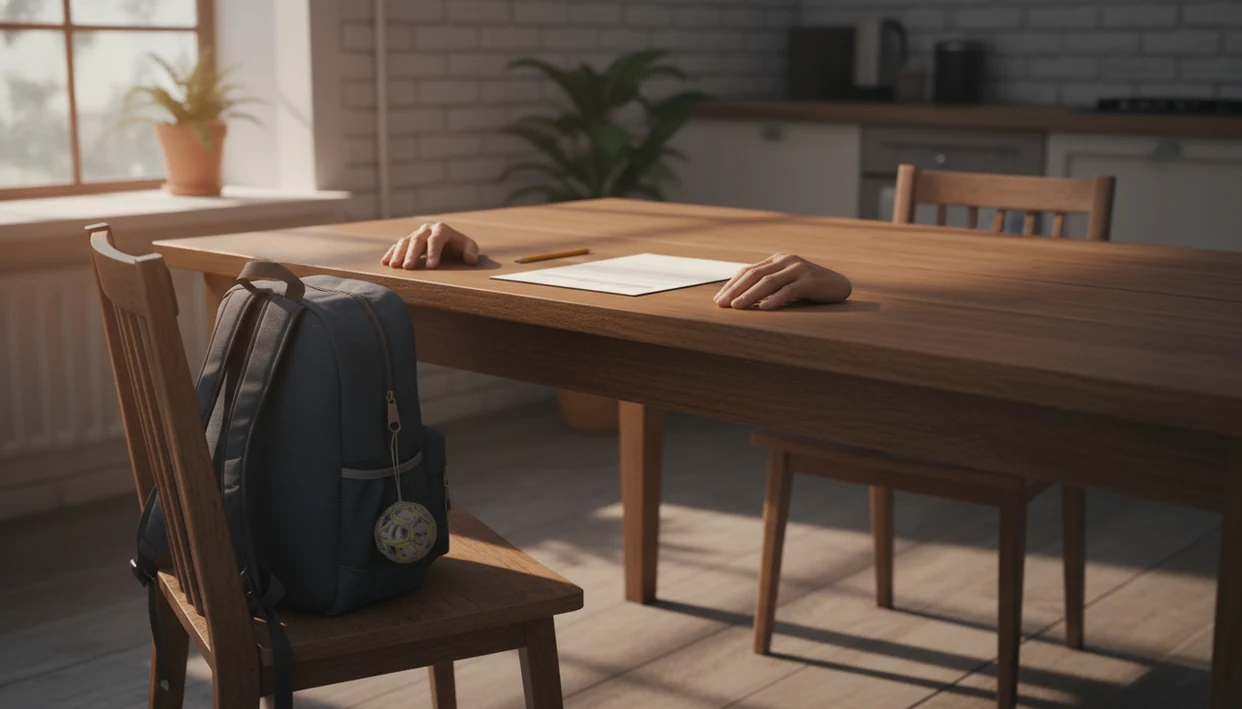
When your child bullies another child, take the report seriously, gather facts, set clear consequences, and help your child repair the harm. Pause before the first conversation so anger or embarrassment does not turn into denial or shaming. A firm response names the behavior, protects the child who was harmed, and teaches your child a different way to handle conflict.
Bullying means repeatedly using words, actions, exclusion, threats, or online behavior to hurt or control another child on purpose. Work with the school to understand what happened and prevent it from happening again. Calming exercises can support those conversations, but they do not replace accountability. Severe, persistent, or violent bullying needs professional support, not just a stronger punishment at home.
What matters most
- Do not deny, minimize, or overreact; first gather facts from the school, your child, and other adults.
- Use clear limits, meaningful consequences, empathy practice, and repair, not punishment alone.
- If bullying continues, becomes violent, or appears linked to anxiety, trauma, ADHD, depression, or serious anger problems, involve a qualified professional.
The first 24 hours after a bullying report
Take the report seriously first, even if the full story is not clear yet. The first 24 hours are for slowing down, gathering facts, and making it clear that bullying behavior is not acceptable.
Quick answer: pause before the first conversation so you do not lead with rage, shame, or denial. In the hallway after school pickup, with the smell of someone’s perfume still hanging in the air, take one steady breath and choose your aim: truth plus accountability. This is not a trial scene; it is the start of helping your child face what happened. If you are pregnant, pregnancy meditation can support a calmer pause before addressing your child's behavior.
Ask the school or adult witness for specifics: what happened, who was involved, when, where, and whether it has happened before. Then tell your child, “You are not bad, but this behavior must stop.” Avoid calling the other family in the heat of the moment. When school safety, privacy, or peer pressure is involved, coordinate contact through the school.
5 facts about child bullying reports parents should know
Bullying reports are common enough that parents should respond with seriousness rather than disbelief. A calm response protects the harmed child and gives your child a better chance to change.
- In the CDC’s 2019 Youth Risk Behavior Survey, 19.5% of U.S. high school students reported being bullied on school property, and 15.7% reported electronic bullying in the previous 12 months CDC guidance.
- A 2014 meta-analysis of 80 studies found that about 35% of students were involved in bullying as bullies, victims, or bully-victims PubMed research.
- Children who bully can change, but repeated harm should not be brushed off as “just drama.”
- Some children who bully are also being bullied, which means adults still need accountability and support.
- The five core parent actions are: gather facts, listen, set limits, repair harm, and monitor progress with the school.
For most families, the most useful first response is a written plan, not a louder lecture.
How bullying behavior works in children
Bullying is repeated, intentional harm that uses power, status, fear, exclusion, or control against another child. Understanding why it happens does not excuse it; it helps adults choose the right response.
Common drivers include insecurity, peer reward, impulsivity, anger, stress at home, online disinhibition, and poor emotion regulation. In plain terms, a child may feel a strong urge, get a social payoff, and repeat the behavior before they have learned to stop themselves. Some children are bully-victims, meaning they harm others and are harmed themselves.
That matters.
Mindfulness can help widen the small space between impulse and action. A child may learn to notice a hot face, a racing heartbeat, an itchy scalp, or the urge to post something cruel before they act on it. Simple mindfulness practices and beginner meditation techniques can build self-awareness; they do not replace consequences, repair, or supervision.
A five-step home plan for accountability and repair
Use this plan at home after you have basic facts from the school or another adult. The goal is to combine calm attention, clear limits, and a repair plan your child can actually follow. If you share parenting responsibilities, mindfulness for couples can help you agree on calm, consistent responses before speaking with your child.
- Pause and regulate yourself before the conversation. Take three slow breaths, unclench your jaw, and wait until you can speak without attacking. Mindfulness for moms and caregivers offers brief resets to help you approach difficult conversations with steadiness and clear limits.
- Ask for your child’s account without interrupting. Try, “I want to understand what happened,” then let the silence sit for a few seconds.
- Name the specific behavior and its impact. Say what was done, who was hurt, and why intimidation, exclusion, or humiliation is not acceptable.
- Set a consequence tied to the behavior. Examples include loss of unsupervised device use, reduced social privileges, or adult-monitored group time.
- Create a repair and monitoring plan with the school. Revisit progress weekly, including hallway behavior, group chats, lunch, recess, or team settings.
For younger children, a simple family mindfulness routine can help everyone practice pausing before reacting.
Avoid denial, public shaming, and rushed contact
The biggest mistakes are the reactions that make the behavior harder to see clearly: denial, panic, public shaming, or treating a calming tool like a full safety plan. Your job is to slow the situation down without letting your child hide from accountability.
- Gather details before defending your child. Ask the school what was seen, who reported it, where it happened, and whether there are messages, witnesses, or prior incidents.
- Wait before contacting the other family. If you are angry, embarrassed, or missing facts, a direct call can escalate blame or pressure. Use the school as the first bridge.
- Avoid making apology a performance. A public or forced apology can put the harmed child on the spot. Repair should be coordinated, safe, and not dependent on forgiveness.
- Pair consequences with replacement skills. Loss of privileges may be appropriate, but your child also needs practice walking away, asking for help, repairing damage, and handling group pressure.
- Use mindfulness as support, not supervision. Breathing practice can help with impulse control, but adults still need monitoring, limits, and a plan to prevent retaliation.
Listen to your child without excusing the harm
How do you listen when your child is the one who caused harm? Mindful listening is not passive agreement; it is a way to lower fight-or-flight before problem solving.
Start with your own nervous system. Try a Three-Breath Reset: breathe in, breathe out, let your hands unclench, then ask one clear question at a time. A parent who says, “Walk me through what happened after lunch,” usually learns more than a parent who opens with, “How could you do this?” If your heartbeat is racing, it is fine to say, “I need a minute so I can listen and still be firm.” Before returning to the conversation, meditation for moms offers a short reset for responding firmly without reacting in anger.
Use short phrases: “I want to understand what happened.” “You are not bad, but this behavior must stop.” “We are going to make this right.” Avoid sarcasm, long lectures, and labeling your child as “a bully” like it is their whole identity. Also avoid forcing an instant apology before they understand the harm.
Tools like Mindful.net can support secular attention practice, but the parent still has to set the limit.
Consequences and repair when your child is bullying another child
Consequences work best when they are clear, related to the behavior, and enforced consistently. Repair works best when it protects the harmed child and teaches responsibility without demanding forgiveness. Alongside consistent parenting, daily habits for lasting love can help partners protect their connection while managing difficult family conversations.
| Parent response | What it looks like | Why it helps |
|---|---|---|
| Supervised technology | No unsupervised group chats or gaming for a set period | Matches online bullying risk |
| Reduced social privileges | Adult-monitored hangouts, team events, or sleepovers | Limits repeat harm while trust rebuilds |
| Restitution | Replacing damaged property or correcting a false rumor | Connects action to impact |
| Written reflection | Brief answers about harm, choices, and next steps | Builds accountability without a speech |
| Replacement practice | Rehearsing how to walk away, ask for help, or disagree | Gives the child another behavior to use |
Meaningful consequences
Harsh punishment alone can increase secrecy or shame. A consequence should be time-limited, explained once, and connected to the behavior.
Repair that does not force forgiveness
Repair is more than saying sorry. Coordinate apologies, restitution, or restorative meetings through the school when direct contact could pressure the harmed child.
If anger is the main trigger, calm down meditation for kids can be one practice alongside supervision and consequences.
Agree on a written plan with the school
Ask for a school meeting rather than relying only on hallway updates or scattered emails. A real plan needs shared facts, clear roles, and follow-through.
Ask the teacher, counselor, or administrator for behavior specifics: what happened, where supervision was thin, who was involved, and whether there were prior incidents. Peer dynamics matter. A child may act very different in the lunch line than at home on the couch.
Request a written plan that includes expectations, consequences, check-ins, and the adult responsible for monitoring progress. Protect the harmed child’s privacy and safety. You do not need every detail about that child to help your own child stop the behavior. Ask whether social-emotional supports, counselor check-ins, or restorative options are appropriate. A good school plan is boring on paper and steady in practice.
Safety boundaries for parents of a child who bullies
This guide is for early, mild, or moderate bullying patterns, not emergencies. If there is immediate danger, involve school leadership, emergency services, crisis support, or qualified clinicians right away.
| Best for | Not for |
|---|---|
| Parents responding to a school report | Weapons or credible threats |
| Teasing, exclusion, or intimidation | Serious violence or assault |
| Mild-to-moderate aggression | Threats of self-harm or harm to others |
| Online meanness or group chat cruelty | Stalking or sexual harassment |
| Early patterns that need firm correction | Legal or criminal concerns |
This page does not give legal advice. If a school mentions law enforcement, discipline hearings, protective orders, or criminal conduct, speak with qualified local professionals. Keep the focus on safety first. The longer argument can wait.
When bullying calls for professional assessment
Seek professional support when bullying is severe, ongoing, violent, cruel, or escalating. At-home consequences are not enough when a child keeps harming others or seems unable to stop.
Possible related concerns can include ADHD, anxiety, depression, trauma, conduct problems, substance use, family conflict, or anger control problems. Those are not labels to assign at the dinner table. They are reasons to ask for help from someone trained to assess children.
Longitudinal research has found that children who bully others are more likely to engage in later antisocial behavior, including delinquency and substance use, into adolescence and adulthood NIH research. The CDC reports that youth involved in bullying are at higher risk for depression, anxiety, sleep problems, lower academic achievement, and dropping out of school CDC guidance.
Start with a pediatrician, school counselor, child psychologist, or licensed family therapist. For teens, meditation for teens may support self-awareness, but it should not replace clinical care when risk is high.
Pause before discussing the bullying report
After a school reports bullying, anger or embarrassment can make it hard to ask clear questions. Take a brief pause with the free breathing timer, or try a breathing exercise in the Mindful.net app before speaking with your child. This is preparation for a firm conversation, not a response to the bullying itself. Immediate danger needs safety action; repeated harm needs school involvement and possibly professional assessment.
Mindfulness Limits in Bullying
- Mindfulness cannot replace professional assessment for severe, persistent, violent bullying or bullying linked to mental health concerns.
- Some bullying situations require school action, clinical support, or urgent safety intervention.
- Parents cannot fully control behavior across settings, and varying school support can limit monitoring and progress.
- Research on mindfulness for children who bully is limited, and Mindful.net is a practice aid, not a discipline plan.
Questions about responding to your child's bullying
How can I tell bullying from an ordinary argument?
Look for repeated, intentional harm involving power, status, fear, exclusion, or control. Ask what happened, how often, and whether the other child could safely object or leave. One argument does not establish a bullying pattern, but a serious threat or assault still requires action even without repetition.
What should I say when my child denies bullying?
Start with specifics: “The school reported that you repeatedly excluded someone and threatened them. Tell me what happened.” Listen without promising to defend your child. Check their account against messages, witnesses, and school reports. You can acknowledge uncertainty while making clear that intimidation and humiliation are not acceptable.
What consequences should my child have for bullying?
Choose consequences connected to the behavior and enforce them consistently. Online bullying may call for supervised technology use; harmful behavior during hangouts may require adult monitoring or reduced social privileges. Include repair, such as replacing damaged property or correcting a false rumor. Punishment alone does not teach the missing skill.
Should I make my child apologize to the child they bullied?
An apology should take responsibility, not pressure the harmed child to forgive or meet with your child. Coordinate with the school before arranging contact. Repair may instead mean replacing property, correcting a rumor, or changing behavior. The harmed child's safety and privacy matter more than completing an apology.
Should I contact the other child's parents?
Start with the school when the report concerns school bullying. A direct call made while angry or before the facts are clear can increase blame or pressure on the other family. Ask the school how communication and repair should happen, and respect the harmed child's privacy.
Can breathing exercises or mindfulness stop my child from bullying?
They can help your child notice anger or an urge to act and practice pausing before responding. They are not a complete bullying plan. Keep clear limits, consequences, repair, and school monitoring in place. Severe or persistent aggression needs professional assessment rather than more calming practice alone.
What if my child is also being bullied?
Some children both harm others and experience bullying themselves. Ask the school to investigate both patterns and address your child's safety as well as their behavior. Being targeted does not excuse hurting someone else. Your child may need protection, accountability, and help learning safer responses at the same time.
When does bullying need urgent or professional help?
Weapons, credible threats, serious injury, or suicidal thinking require immediate safety action and urgent evaluation. Seek professional assessment for bullying that is persistent, violent, cruel, or escalating. Anxiety, trauma, depression, attention difficulties, or serious anger problems may also need assessment; parents should not assign those diagnoses themselves.