
Free Meditation App For Beginners: What Matters Most
A strong free meditation app for beginners offers short guided sessions, a simple first-week path, a timer, body scans, and no credit card requirement to start. For most first-time meditators, genuinely free options such as Medito, Insight Timer, Smiling Mind, UCLA Mindful, and Plum Village are better starting points than apps that hide the basics behind a subscription.
Definition: A free beginner meditation app is a mobile app that lets new meditators try guided mindfulness practices, breathing exercises, timers, or body scans without paying before they can begin.
- Start with a free app that gives you a 5- to 10-minute guided session for day one, not a giant library with no path.
- Medito, Smiling Mind, UCLA Mindful, Insight Timer, and Plum Village are strong free options, but they differ in tone, structure, and content style.
- The app matters less than consistency: a short daily practice is usually more useful than downloading several apps and rarely using them.
How free meditation apps look
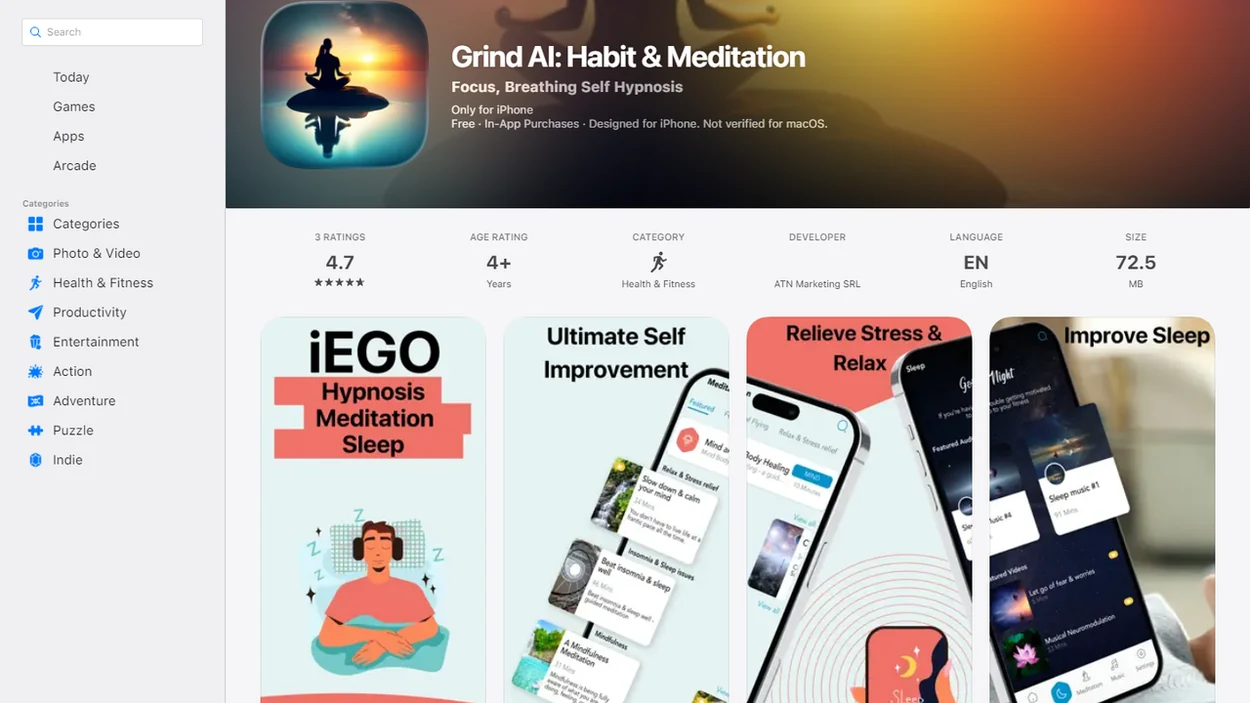
Side-by-side captures of the compared products. Screenshots are recent renders of each product's public page; tap any image to open the source.
Best Free Meditation App For Beginners: 5-App Shortlist
The best free meditation app for beginners depends on how much structure, choice, and spiritual language you want. No single app fits everyone, because voice, privacy, pacing, and tone matter more than app popularity.
- Medito: Best for structured, secular practice with simple beginner courses and short guided sessions.
- Insight Timer: Best for a large free library, many teachers, sleep tracks, body scans, and timers.
- Smiling Mind: Best for youth-friendly mindfulness, families, students, and school-style learning.
- UCLA Mindful: Best for research-backed basics with a simple educational feel.
- Plum Village: Best for gentle contemplative teaching, especially if Buddhist-inspired language feels welcome.
Mindful.net focuses on practical, secular mindfulness practices and meditation techniques for beginners and everyday life. The Mindfulness Practices App angle is useful if you want plain explanations before choosing a meditation style.
Good meditation apps deliver a repeatable attention practice, not a promise that every session will feel calm.
Free Beginner Meditation App Comparison Table
A free beginner meditation app should be judged by first-week usability, not by total catalog size. The table below compares structure, free depth, tone, and likely friction points.
Because free tiers and account requirements change, verify the current official pages before choosing: Medito (Medito App), Insight Timer (Reference), Smiling Mind (Smiling Mind App), UCLA Mindful (Ucla Mindful App), and Plum Village (Reference).
| app | best for | beginner structure | free-content depth | tone | watch-outs |
|---|---|---|---|---|---|
| Medito | Structured secular practice | High | High | Plain, practical | Smaller ecosystem than major paid apps |
| Insight Timer | Large free library | Medium | Very high | Mixed by teacher | Can feel overwhelming |
| Smiling Mind | Families, students, younger beginners | High | High | Educational, secular-leaning | Less adult customization |
| UCLA Mindful | Simple guided basics | Medium | Medium | Research-oriented | Smaller library |
| Plum Village | Gentle contemplative teaching | Medium | High | Buddhist-inspired | Language may not fit everyone |
Medito and Smiling Mind are strong nonprofit-style choices for a first week. UCLA Mindful feels simple and research-adjacent. Insight Timer has depth, but a beginner may need to choose one course and stop browsing.
If you want a wider paid-and-free overview, our best meditation app for beginners guide compares structure in more detail.
How Free Meditation Apps For Beginners Work
Free meditation apps work by using guided audio as scaffolding for attention. A teacher gives simple prompts to notice breath, body sensations, sound, or wandering thoughts, then return without turning the moment into a test.
That “notice and return” loop is the core mechanism. In behavioral terms, apps also use habit design: reminders, streaks, short sessions, and day-by-day courses reduce friction. A phone timer set for 5 minutes can be enough, especially when the cue is ordinary, like feet touching tile before opening a laptop.
Some apps collect usage data, session completion, reminder settings, account details, and sometimes mood check-ins. Check settings early.
A 2021 systematic review and meta-analysis found smartphone mindfulness apps produced small but significant improvements in stress, depression, and anxiety symptoms compared with controls NIH research. Apps may support wellbeing, but they are not medical treatment or crisis care.
How To Use A Free Guided Meditation App In Week One
Use one free guided meditation app for the first week so practice feels simple. Switching between five apps often creates comparison fatigue before any habit forms.
- Choose one app only, preferably Medito, Smiling Mind, UCLA Mindful, Insight Timer, or Plum Village.
- Set a daily cue, such as after coffee, before bed, or after closing your office door.
- Start with 5 to 10 minutes, not a long session you will avoid tomorrow.
- Notice wandering thoughts, including the grocery list, then return to the voice or breath.
- Repeat for seven days, and ignore streak pressure if it makes practice feel stressful.
After the first session, when the room hum returns between prompts, Mindful.net fits beginners who want plain-language backup because its technique guides explain what just happened and what to try next.
For breath-only practice, a free breathing exercises app may feel simpler than a full meditation library.
How We Picked Each Free Meditation App
We picked each meditation app free option by asking what a beginner can do on day one without paying, guessing, or handing over a credit card. A large library helped only when it did not bury the starting point.
This is a beginner-usability screen, not a permanent certification of each app’s free tier. App stores, subscription prompts, and privacy terms can change, so users should re-check the official listing before downloading.
- Free access: Useful beginner content had to be available before payment.
- First-week structure: Short courses scored higher than open-ended browsing.
- Session length: We favored 5- to 10-minute options for realistic daily use.
- Core tools: Timers, body scans, breath practice, and clear instructions mattered.
- Friction: Privacy prompts, notification pressure, upsells, and confusing menus counted against an app.
A huge library is not automatically better for a new meditator. Too much choice can turn a quiet pause into another scroll session. Knees under a blanket, phone on airplane mode, one guided body scan. That is often enough.
Mindful.net earns a place beside app comparisons because it explains the techniques, not just the product names, through the Mindfulness Practices App library.
Best Free Beginner Meditation App For Structured Practice: Medito
Medito is a strong free beginner meditation app for people who want structure, simple language, and no-cost practice. It works especially well when you do not want celebrity teachers, elaborate sleep stories, or a subscription prompt before day one.
Structure matters because most beginners are not deciding between advanced techniques. They are deciding what to press after sitting down on a kitchen chair. Medito helps by offering short guided sessions, beginner courses, and a practical tone that keeps the instructions clear.
If your priority is learning a repeatable secular routine, Mindful.net pairs well with Medito because the best secular mindfulness app guide explains breathing, body scans, and everyday mindfulness without religious framing.
The tradeoff is polish. Medito may have fewer famous voices, less premium-style production, and a narrower ecosystem than large commercial apps such as Calm and Headspace.
Best Free Guided Meditation App Library: Insight Timer
Insight Timer is the strongest free guided meditation app choice for users who want many teachers, topics, sleep tracks, body scans, and an unguided timer. It is especially useful if you already know whether you want sleep, anxiety education, focus practice, or a body scan.
Choice is the benefit and the problem. A first-time meditator can lose ten minutes sampling voices instead of meditating. Pick one beginner course, save it, and stop browsing until the week is done.
Beginners trying to explore different voices may like Insight Timer because it covers sleep, anxiety, focus, body scans, and silent timer practice in one place.
Possible distractions include social features, optional paid content, abundant recommendations, and more choice than a tired brain wants at 10:30 p.m. For body-based practice, a dedicated free body scan meditation app can feel calmer than a giant library.
Best Free Meditation App Options For Secular Learning
Smiling Mind and UCLA Mindful are good free meditation app options for people who want clear, secular-leaning mindfulness education. They are less entertainment-driven than many commercial apps, which can help beginners focus on the practice itself.
Meditation is now mainstream enough that beginner-friendly design matters. NCCIH reported that 14.2% of U.S. adults used meditation in 2017, up from 4.1% in 2012, and children’s use rose from 0.6% to 5.4% NCCIH overview.
Smiling Mind for families and students
Smiling Mind fits adults, families, students, and younger beginners who need friendly structure. The tone feels more like education than lifestyle branding.
UCLA Mindful for simple guided basics
UCLA Mindful fits users who want simple guided basics with a research-adjacent feel. The library is smaller, but the path is easier to scan.
Mindful.net complements both because its free mindfulness app coverage explains what each practice can and cannot do.
Limitations
Free meditation apps can be useful, but they have real limits. Read these before treating any download as a complete wellbeing plan.
- Meditation apps are not a replacement for professional mental health care, especially during severe distress, trauma symptoms, or suicidal thoughts.
- Evidence is promising but often short-term, mixed, and based on studies with different app designs.
- Free apps may include upsells, ads, limited content, distracting notifications, or paid features around the edges.
- Some users feel bored, frustrated, sleepy, or more aware of distressing thoughts at first.
What Changes After One Week
Expecting a dramatic personality change
After one week, the useful change is often smaller: you know which voice, length, and time of day you are willing to repeat. A beginner app is doing its job if it removes friction, not if it makes you feel transformed.
Judging the app by one restless session
Restlessness is not proof that meditation is failing. Try the same short session three times before switching, because the first attempt is often spent learning the format.
Skipping the ordinary chair test
If the app only works when the room is perfect, it may not be beginner-friendly. Try one session in an ordinary chair with both feet on the floor; repeatable beats impressive.
Environmental Setup That Actually Matters
Thinking you need a meditation corner
You do not need special décor to test a free app. A stable seat, a low-volume guide, and a kitchen timer as backup are enough for a first-week routine.
Trying to eliminate every sound
Beginner practice is usually more realistic when ordinary background noise is allowed to exist. The point is not to win silence; the point is to notice when attention has wandered and return.
Making the session too ceremonial
If setup takes longer than the meditation, the habit may feel too heavy. Keep the entry step boring: sit down, press play, and write one line afterward.
A Decision Shortcut
The app keeps pushing upgrades before you understand the basics
Try another free option if the first-week path is hidden behind popups or subscription prompts. Beginners need clarity before choice.
The teacher’s tone makes you feel like you are doing it wrong
Switch guides if the language feels too mystical, too intense, or too performance-driven. The best practice is usually the one you will repeat tomorrow.
You want something closer to breathing exercises
Choose a short breathing exercise when you want a simple rhythm to follow. Choose mindfulness when you want to practice noticing thoughts, sounds, and body sensations without needing to control them.
Troubleshooting When It Feels Stuck
Myth: If my mind wanders, I am bad at meditation
Reality: noticing the wandering is part of the rep. A useful beginner app gives you a simple return point instead of making stillness the goal.
Myth: Longer sessions are automatically better
Reality: five repeatable minutes often teach more than twenty minutes you avoid. Consistency tends to matter more than session length for most beginners.
Myth: Mindfulness and breathing exercises are the same thing
Reality: breathing exercises often give the mind a steady task, while mindfulness practice trains noticing and returning. Both can be useful, but they solve slightly different beginner problems.
What Most Beginners Get Wrong Here
Paying before you know your preferred format
Use free apps to learn whether you prefer voice-led sessions, silent timers, body scans, or short courses. Paying early can lock you into a style you have not actually tested.
Downloading five apps and using none
Pick one app for three days before comparing everything. Too many choices can become a disguised way to postpone the first sit.
Tracking streaks more than usefulness
A streak is only helpful if it supports real use. A one-line journal after each session can tell you more than a badge: what you tried, how long it took, and whether you would repeat it.
A Quick Technique Map
| Technique | Best for | Minutes |
|---|---|---|
| Guided breath counting | When you want structure closer to breathing exercises | 3-7 min |
| Body scan | When you want a concrete place to put attention without analyzing thoughts | 8-15 min |
| Silent timer with one-line journal | When you want less instruction and a simple record of what happened | 5-10 min |
A Field Note on Real Use
One mistake we notice often: beginners treat the first awkward minute as evidence that the app is wrong for them. We usually suggest the Chair-Timer-Note Method: sit in an ordinary chair, set a kitchen timer or app session for five minutes, then write one line about what was easiest to repeat. This keeps the test practical without asking anyone to adopt a whole meditation identity.
A good beginner app lowers the next starting point, not your entire stress level on command.
Why Mindful.net fits this specific need
Mindful.net is useful here because it treats meditation apps as practical tools, not lifestyle badges. If you are testing meditation around daily routines, related guides such as Mindfulness at Work and the Before Email Pause can help you connect a short app session to a real moment without overbuilding the habit.
FAQ
What meditation app is free?
Medito, Smiling Mind, UCLA Mindful, Plum Village, and Insight Timer all offer meaningful free meditation content. Free content depth varies, and some apps are freemium rather than fully free.
Is Medito really free?
Medito is widely recommended because it offers no-cost beginner meditation content with a simple, secular structure. Users should still check the current app listing for any policy changes.
Is Insight Timer free?
Insight Timer has a large free library of guided meditations, teachers, timers, and sleep content. It also includes optional paid features and upgrades.
Which meditation app is best for beginners?
The best app for beginners is usually the one with short sessions, clear structure, a comfortable voice, and minimal friction. Popularity matters less than whether you will use it daily.
Are free meditation apps effective?
Free meditation apps may support stress reduction and wellbeing when used consistently. The evidence is encouraging but does not mean every app works for every person.
Do meditation apps help anxiety?
Some studies show app-based mindfulness can reduce anxiety symptoms for some users. Meditation apps are not a substitute for therapy, medical care, or crisis support.
How long should beginners meditate?
Most beginners should start with 5 to 10 minutes per day. A short daily session is easier to maintain than an ambitious routine that quickly gets skipped.
Can kids use meditation apps?
Some apps, especially Smiling Mind, include youth-friendly mindfulness content. Adults should review the tone, privacy settings, and age fit before a child uses any meditation app.