
How to Rewire Your Brain for Happiness Through Daily Practice


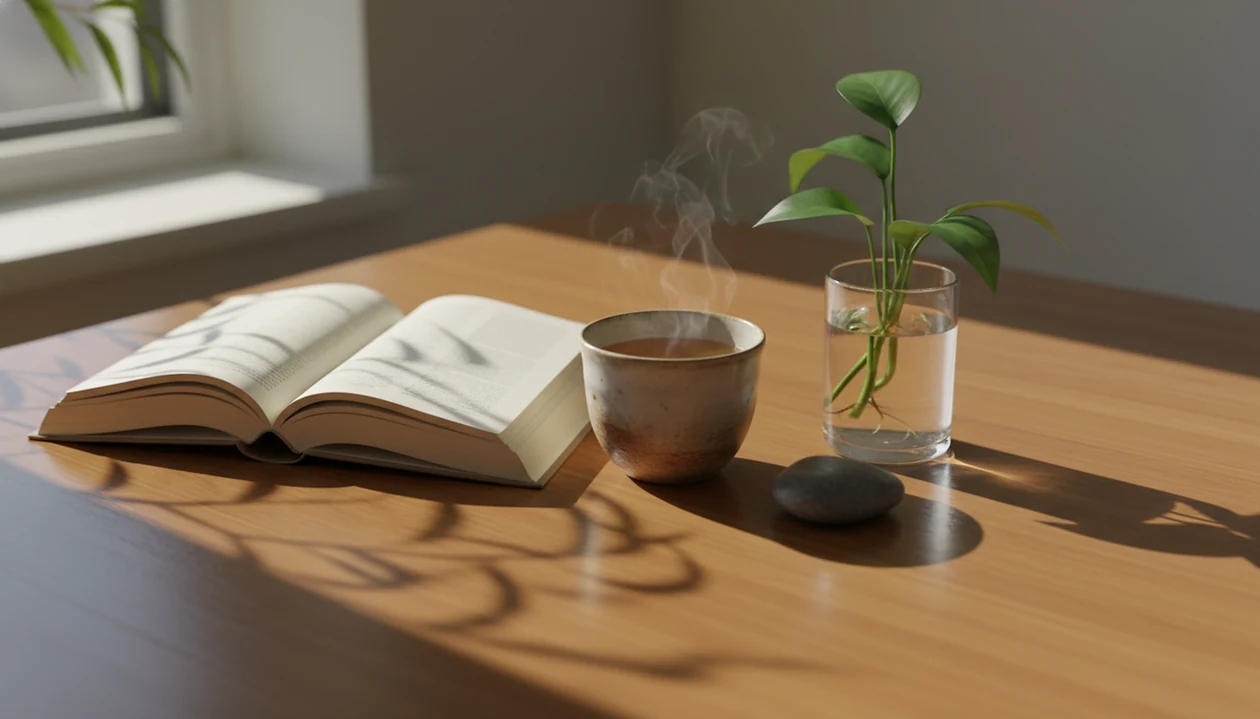
To rewire your brain for happiness, practice attention, gratitude, self-compassion, and body-based calming regularly, rather than trying to think positively all the time. “Rewiring” describes neuroplasticity: the brain’s capacity to change through repeated experience. Here, it means strengthening patterns linked with attention, emotional regulation, calm, and compassionate self-awareness, so those responses become easier to access.
The aim is not to eliminate sadness, anger, or fear. Small daily repetitions can help you notice support, appreciate ordinary pleasures, and respond to difficulty with less harshness. This guide explains practices, realistic progress signals, and the limits of the evidence. These skills can support well-being, but severe, persistent, disabling, or unsafe mood symptoms need professional care, not a more demanding meditation routine.
What matters most
- Happiness-oriented brain change is built through repetition, not a one-time mindset shift.
- Mindfulness, gratitude, savoring, breath awareness, and kind self-talk are practical ways to train attention and emotional regulation.
- These practices can support well-being, but they are not a substitute for professional mental health care when symptoms are severe or persistent.
What Brain Rewiring for Happiness Means
Rewiring your brain for happiness means using repeated mental and behavioral practices to strengthen neural patterns linked with attention, emotional regulation, calm, gratitude, and compassionate self-awareness. In plain language, it means your brain can learn from what you practice often.
Neuroplasticity is the brain’s capacity to change through repeated experience. If you repeatedly pause, breathe, notice a pleasant moment, or speak to yourself with less harshness, those patterns can become easier to access over time.
The goal is not to delete sadness, anger, grief, or fear. Those emotions carry information. Happiness practice is more like changing the default route. You still feel difficult things, but you may notice them sooner, recover more steadily, and make more room for connection.
A wandering grocery-list thought still counts as practice.
For a wider evidence map, our science of mindfulness page explains related findings without turning them into miracle claims.
How repetition trains attention and emotional responses
Brain rewiring for happiness works by repeating experiences that teach the brain what to notice, predict, and store. Attention practice, calming the stress response, and rewarding small moments all give the nervous system different data.
Here is the mechanism, simply. Repeated attention strengthens habit loops, which are cue-response patterns the brain uses to save energy. Mindfulness also trains metacognition, the ability to notice thoughts as events rather than facts. That’s the “I’m having the thought” skill.
A common beginner mistake is trying to add gratitude while the body is still running on alert. Before savoring can really register, it may help to let the system settle: one longer exhale, the feel of a cotton sleeve on your wrist, or the small release that comes when you stop bracing. Those cues can suggest, gently, that no immediate action is needed.
Research is promising but modest. A 2011 mindfulness-based stress reduction study found gray matter changes in regions linked with learning, self-referential processing, and emotion regulation after 8 weeks. NIH research It was small, with 16 participants, so it should not be read as proof of permanent brain transformation. The fuller brain overview is covered in how mindfulness changes the brain.
What research says about mindfulness and gratitude
- Adult brains remain changeable. Neuroplasticity continues across adulthood, so repeated habits can shape attention, emotion regulation, and learning patterns.
- Mindfulness can support mental health outcomes. A 2014 meta-analysis of 47 randomized clinical trials with 3,515 participants found moderate improvements in anxiety and depression and small improvements in stress after 8 weeks JAMA study.
- Gratitude helps counter negativity bias. Gratitude writing trains attention toward safety, help, connection, and what went less badly than expected. A randomized gratitude-letter trial reported better mental health at 4 and 12 weeks. NIH research
- Compassion training can affect empathy-related responses. In a randomized trial, compassion meditation changed brain responses associated with empathy when participants heard others in distress 5738.
- Consistency matters more than one intense day. Five minutes daily usually teaches the brain more than a long session followed by two silent weeks.
Small counts.
Gratitude helps a little on average, not equally for everyone
A 2025 preregistered meta-analysis of gratitude interventions combined 145 papers with 24,804 participants across 28 countries. It found a small average improvement in well-being, with an effect size of Hedges’ g = 0.19. That supports gratitude as a useful practice, but not as a reliable way to produce a large change in happiness for every person.
Repetition also does not make every exercise equally effective. A systematic review of workplace gratitude interventions found inconsistent well-being results from gratitude lists; lists completed four times or fewer did not produce significant changes in the reviewed studies. Read this as a reason to keep expectations modest, not as proof that a particular number of entries guarantees a benefit.
Choose a starting practice for attention, calm, or gratitude
Short mindfulness practices give beginners a repeatable way to train attention, but they cannot guarantee that daily life will feel easy. Start with practices that are secular, short, and easy to repeat.
Breath Awareness
Breath awareness trains attention and body calming. Best for racing thoughts or workday resets; not ideal if focusing on breath feels triggering. Try noticing cool air at the nostrils for three breaths.
Gratitude Writing
Gratitude writing trains the brain to register support, enoughness, and ordinary good. Best for evening reflection; not for denying pain. Write one specific line, not a polished paragraph.
Savoring Small Joys
Savoring teaches the brain to stay with pleasant experience long enough to store it. Best for busy beginners; not for forcing joy. Hold one good moment for 20 to 30 seconds.
Kind Self-Talk
Kind self-talk trains emotional regulation and self-compassion. Best for inner criticism; not for pretending mistakes do not matter. “This is hard, and I can take the next step” is enough.
A five-minute routine for breath, gratitude, and savoring
A 5 to 10 minute routine is enough to begin. The point is to repeat a small pattern until your brain recognizes it as familiar.
- Set a phone timer for 5 minutes and sit on a kitchen chair, bus seat, or folded towel on bedroom carpet.
- Notice three slow breaths, especially the exhale.
- Scan one body area, such as the face, belly, or knees stacked under a blanket.
- Name one thing you appreciate from the past day.
- Savor one pleasant detail for 20 seconds, such as warmth, color, music, or a kind message.
- Reflect with one sentence: “Today I practiced returning.”
For beginners, breath plus gratitude is often easier than silent meditation because it gives the mind a clear place to return.
Tools like Mindful.net can support guided beginner mindfulness, especially when you want a voice to keep the practice simple. Use the guide, then let repetition do the work.
Turn everyday pauses into brief attention practices
Can ordinary moments help rewire the brain for happiness? Yes, if you use them as repeated cues for attention, regulation, and appreciation. The brain learns from frequency, not just formal meditation sessions.
Try one conscious breath as you pause by a truck cab mirror, or name one thing you appreciate while brushing the dog and feeling the brush move through its coat. During a truck stop break, let the shirt sleeve brushing your skin become the object of attention for a few seconds.
These are micro-practices. They take 10 to 30 seconds. They are useful because they attach happiness training to things already happening.
Don’t turn every minute into a project. That gets tight fast. One simple way to try it is to choose three daily cues: waking, starting work, and getting into bed. Practice there, then stop measuring.
Avoid forced positivity and fixed transformation deadlines
A 21-day deadline is not a reliable promise of brain change. Brains can change, but the pace depends on stress, sleep, history, support, and consistency.
Another mistake is trying to empty the mind. Mindfulness is not thought removal; it is noticing and returning. If attention drifts to an airport queue sign you saw earlier, an itchy scalp, or plans for later, the practice is the return itself, not achieving a blank inner screen.
Forced positivity can also backfire. Saying “I should be grateful” over grief or anger often creates shame. A more useful sequence is: name what is here, soften the body if possible, then notice one small support.
Mindfulness is also not a replacement for therapy, medication, crisis care, or trauma-informed treatment when those are needed. Clinicians typically recommend professional assessment when symptoms are severe, persistent, disabling, or linked with safety concerns.
The quiet trap: making happiness another assignment you can fail.
When persistent low mood needs professional care
Seek professional help when emotional symptoms are severe, persistent, unsafe, or getting in the way of ordinary life. Mindfulness can be a useful support, but it is not meant to replace therapy, medication, diagnosis, or crisis care.
A licensed mental health professional can help sort out what is happening and what kind of support fits. That matters if you are dealing with depression that will not lift, panic, intrusive thoughts, compulsions, substance use concerns, major sleep disruption, eating problems, overwhelming anxiety, or symptoms that make work, school, parenting, or relationships hard to manage.
A practical sequence:
- Notice whether symptoms are lasting more than a couple of weeks, intensifying, or limiting your daily functioning.
- Contact a therapist, primary care clinician, psychiatrist, or local mental health service for an assessment.
- Seek urgent help now if you might harm yourself or someone else, feel unable to stay safe, or are in crisis.
- Pause practices that increase distress, dissociation, or flashbacks, and look for trauma-informed support.
- Use mindfulness as an add-on when it helps you stabilize, not as a test of willpower.
Getting help is not failure. It is one way the nervous system learns safety.
Track pauses, recovery, and self-talk each week
Progress is better checked weekly than minute by minute. Constant mood monitoring can make happiness feel like a scorecard.
| Progress signal | What it may look like | What to track weekly |
|---|---|---|
| Noticing sooner | You catch irritation before sending the message | Times you paused before reacting |
| Recovering faster | A hard moment still hurts, but less of the day is lost | Recovery time after stress |
| Softer self-talk | “I ruined this” becomes “I can repair this” | Common phrases you use toward yourself |
| More savoring | You stay with small pleasant moments longer | Number of 20-second savoring pauses |
| Better practice rhythm | You return after missing a day | Practice days, not perfect streaks |
Progress may be uneven. A stressful week can make old patterns louder without erasing learning.
If you compare tools, a best mindfulness app guide can help you choose structure without turning practice into shopping.
An everyday setting for breath-awareness practice
A useful image for this guide would show a person sitting in an ordinary room, practicing quiet breath awareness for a few minutes. No brain scans, white coats, or medical props are needed. The point is everyday repetition, not diagnosis.
Caption: A beginner practices quiet breath awareness in an everyday setting, showing how small repeated habits can support how to rewire your brain for happiness through neuroplasticity.
The scene should feel familiar: a soft lamp, a simple chair, maybe an unguided timer on a dim screen. The face does not need to look blissful. Slightly tired and still practicing is more honest.
That is the work.
During a daily pause: make room for repetition
A short daily pause gives attention practice a regular place in your day. Set the free online meditation timer for five minutes, then follow the routine below without checking the clock. For spoken guidance, the Mindful.net app offers short guided meditations and breathing exercises. Neither replaces professional care when mood symptoms persist or interfere with daily life.
Happiness Practice Limits
- Brain change varies by person without guaranteed timelines, and small, short neuroimaging studies cannot prove permanent transformation.
- Mindfulness can initially increase awareness of difficult emotions, memories, or body sensations.
- Seek professional care for severe depression, PTSD, anxiety disorders, substance use concerns, or crisis symptoms.
- Lifestyle factors, including best exercise for brain health and sleep, may matter as much as meditation.
Questions about practicing for greater happiness
Can you really rewire your brain for happiness?
The brain can change through repeated experience, and practices such as mindfulness and gratitude can support well-being. “Rewiring” is shorthand for that learning process, not a promise to erase painful emotions. The useful goal is greater flexibility in attention and emotional responses, rather than permanent happiness.
How long does it take to rewire your brain for happiness?
There is no guaranteed timeline, including a fixed 21-day transformation. Start with a short routine you can repeat, then check progress weekly rather than after every session. Look for noticing irritation sooner, recovering after stress, or using less harsh self-talk, not just feeling happier immediately.
What is a simple daily routine for becoming happier?
Set aside five minutes. Notice three breaths, bring attention to one area of your body, name one thing you appreciate, and stay with a pleasant detail for about 20 seconds. Finish by acknowledging that you practiced. This is a starting routine, not a proven minimum dose or a guarantee of results.
Does gratitude journaling actually improve happiness?
Gratitude interventions produce small average improvements in well-being, but results vary. Try describing one concrete helpful action and its effect on you rather than filling a list mechanically. Gratitude should make room for what helped without denying what hurt, and it does not replace mental health care.
Can I practice gratitude while feeling sad or angry?
Yes, but gratitude does not need to replace sadness or anger. Name the difficult feeling first, then notice something supportive only if that feels appropriate. A kind message and a painful loss can both be real. Forcing yourself to feel grateful can add shame instead of helping.
Why does my brain focus on negative experiences more than positive ones?
The brain often gives extra attention to threats and unpleasant experiences, a tendency called negativity bias. This can help protect you, but it may also make everyday worries feel more prominent than pleasant moments. Mindfulness helps you notice this pattern and give positive experiences attention without ignoring real problems.