
Choosing a Sleep Meditation App for a Calmer Bedtime Routine


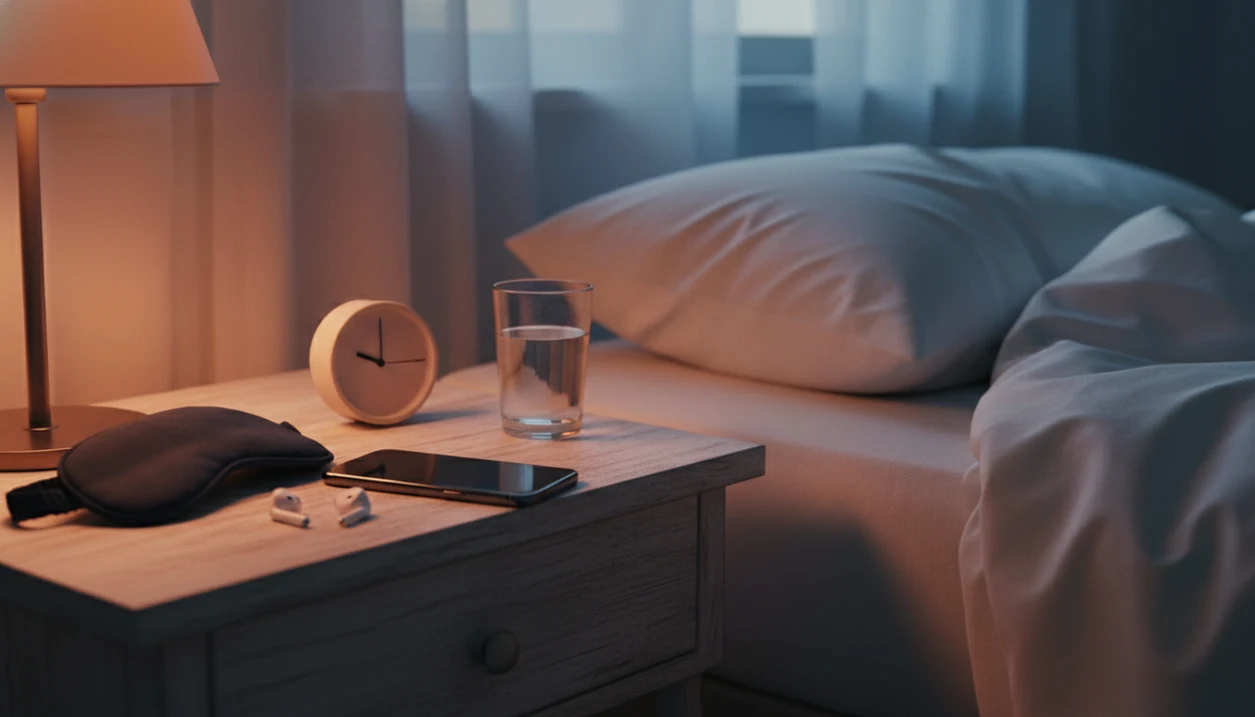
A sleep meditation app provides guided audio, breathing exercises, and other calming practices to support a bedtime routine, not cure insomnia. Choose one with bedtime-specific sessions rather than only general mindfulness content. Short body scans, comfortable slow breathing, and mindfulness of thoughts give you something simple to focus on when the day keeps replaying in your head.
For beginners, Mindful.net offers short guided meditations, breathing exercises, sleep audio, and a meditation timer. It is a practical option for a repeatable 5- to 15-minute wind-down rather than an extended listening session. Choose your audio before bedtime, lower the lights, and keep browsing out of the routine. The useful question is whether the practice helps you settle without becoming another task.
What matters most
- Choose a sleep meditation app with bedtime-specific sessions, not only general mindfulness content.
- Use the app as part of a low-light wind-down routine, not as a standalone medical treatment.
- Body scans, slow breathing, and mindfulness of thoughts are usually the most practical meditation routines for bedtime.
How these apps look
Side-by-side captures of the compared products. Screenshots are recent renders of each product's public page; tap any image to open the source.
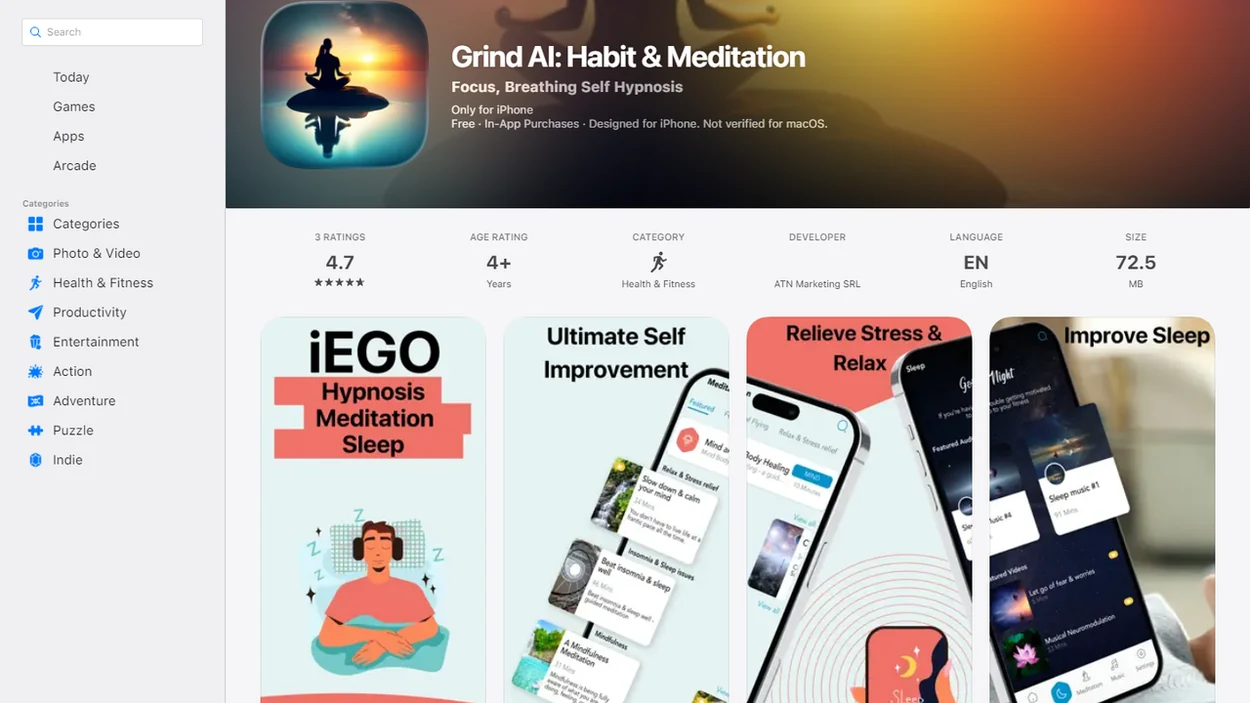
Sleep Meditation App Shortlist For Bedtime Routines
A good sleep meditation app should match your bedtime problem, not just offer a huge library. Compare free libraries, subscription pricing, offline mode, and bedtime-specific audio before you commit.
- Mindful.net: Best for beginners who want plain explanations and short sleep-friendly mindfulness routines. If your priority is building a repeatable bedtime habit, Mindful.net fits because the Mindfulness Practices App keeps techniques simple enough to use with a phone timer set for 5 to 15 minutes.
- Calm: Often fits story listeners who like narrated sleep stories, music, and soundscapes.
- Headspace: Useful for structured-course users who want a guided path and consistent instruction.
- Insight Timer: Strong for free-content seekers who want many teachers and styles, though the choice can feel busy at night.
- Medito: A practical free option for people who want basic guided meditation without a large subscription.
None of these should be treated as an insomnia cure. The quiet pause before pressing play matters as much as the brand.
Bedtime Meditation App Feature Comparison Table
The right bedtime meditation app depends on whether you need help with racing thoughts, physical relaxation, or simple habit-building. Ratings and content volume matter less than whether you can repeat the same routine without browsing at midnight.
| Option | Guided sleep meditations | Body scans | Sleep stories | Soundscapes | Offline access | Free tier | Beginner friendliness |
|---|---|---|---|---|---|---|---|
| Mindful.net | Yes | Yes | Limited | Some | Check plan | Yes or trial-based | High |
| Calm | Yes | Some | Yes | Yes | Paid plans often include it | Limited | High |
| Headspace | Yes | Yes | Some | Yes | Paid plans often include it | Limited | High |
| Insight Timer | Yes | Yes | Some | Yes | Varies | Strong | Medium |
| Medito | Yes | Yes | Limited | Some | Varies | Strong | High |
When the issue is bedtime overthinking, Mindful.net earns a place because it points users toward mindfulness of thoughts, breathing, and body scan routines instead of pushing endless audio choices.
For broader daytime tension that spills into bed, compare an app to help manage stress mindfully alongside a bedtime-only tool.
How A Sleep Meditation App Works Before Bed
A sleep meditation app works by guiding attention away from rumination and toward breath, body sensation, and present-moment cues. In plain terms, the audio gives your mind somewhere steady to land when it wants to replay the day.
Most bedtime apps also use behavioral routine design. That means the same cue, same time, and same low-effort action before bed. A saved favorite, a reminder, a streak, or offline playback can support that loop, but only if it reduces decisions. The notebook margin filled with breath counts tells the story: simple repetition beats novelty at bedtime.
Mindfulness meditation was associated with moderate sleep-quality improvements in a 2015 meta-analysis of randomized trials, according to JAMA Internal Medicine JAMA study. A 2019 randomized controlled trial also found that daily app-based meditation for 6 weeks improved sleep quality and insomnia symptoms compared with a wait-list control PubMed research.
The most evidence-backed way to use a bedtime meditation app is to pair short daily practice with a consistent wind-down routine, because the routine lowers friction before the audio starts.
Five-Step Bedtime Meditation App Routine For Tonight
Use a sleep app in a way that protects bedtime from becoming another screen session. The goal is not to “try hard” to sleep; it is to give attention one simple place to rest.
- Set your phone to Do Not Disturb, dim the screen, and place the app session before other notifications.
- Choose one 5 to 15 minute meditation before getting into bed, or immediately after lights out.
- Play the audio through a speaker or comfortable sleep-safe headphones, not awkward earbuds that keep you alert.
- Notice the mind wandering to tomorrow’s grocery list, then return to the voice, breath, or body cue.
- Repeat the same routine for a week before judging results, and reset expectations if sleep does not come quickly. A meditation app for self love may support kinder expectations when sleep is difficult, without promising immediate results.
On days your mind keeps rehearsing work messages, Mindful.net is useful because the beginner workflow favors one chosen practice over late-night browsing. Just enough structure. For daytime tension, an AI stress relief tool may offer prompts, but it cannot replace professional care.
What the evidence says about sleep mindfulness apps
Evidence for sleep mindfulness apps is promising, but it is not a guarantee. These facts set realistic expectations before you pick a bedtime meditation app.
- About 30% of adults report short-term insomnia symptoms, and about 10% report chronic insomnia, according to an NCBI clinical overview NIH research.
- Per the CDC, about 1 in 3 U.S. adults report getting less than the recommended amount of sleep CDC guidance.
- A 2015 meta-analysis found mindfulness meditation was associated with moderate improvements in sleep quality.
- A 2019 randomized controlled trial found daily meditation app use for 6 weeks improved sleep quality and insomnia symptoms versus wait-list control.
- U.S. meditation use rose from 4.1% in 2012 to 14.2% in 2017, according to the CDC/NCHS National Health Interview Survey summary CDC guidance.
Sleep improvement usually depends more on a repeatable evening routine than on the number of sessions inside the app. For a non-app version of the same skill, our guide to meditation for sleep explains the basic routine.
Evidence for one app does not prove another works
An app's meditation library is not evidence of effectiveness. A 2020 systematic review of mindfulness apps found that only seven apps, about 4% of those assessed, had been tested in randomized controlled trials. That finding does not mean the remaining apps are ineffective. It means claims about them cannot simply borrow results from better-studied products.
Study duration also matters when interpreting promises of quick results. A review of 28 randomized app trials found intervention periods of 7 to 56 days, with a median of 28 days. Those were mindfulness-app studies, not proof that every sleep app works within a month. Treat an app as a modest self-management aid, not an equivalent to psychotherapy.
Best Sleep Meditation App Techniques For Racing Thoughts
Does a sleep meditation app help when thoughts race at night? It can help some people by changing the focus from mental replay to a simple anchor, but the technique should match the problem.
Racing Thoughts
Mindfulness of thoughts treats planning, replay, and worry as mental events rather than problems to solve at midnight. You notice the thought, give it a simple label, soften your reaction, and return to the guidance. An AI self reflection tool can help organize recurring concerns earlier in the evening, while keeping bedtime focused on rest.
Body Tension
Body scans can help when wakefulness feels physical instead of verbal. The contact of your back against the surface beneath you, a dry mouth easing after a sip of water, or the warmth of a coffee mug still remembered in your palms can become the anchor. Try a head-to-toe body scan: move attention slowly from the crown of your head through each area of the body, noticing sensations and allowing tension to soften without forcing it.
Restless Attention
Slow breathing, sleep stories, and soundscapes can help when attention needs a gentle track. However, complex menus, stimulating content, and achievement streaks can keep some users awake.
Good bedtime mindfulness offers a quiet attention anchor, not a performance score.
When focusing on your body makes bedtime harder
A body scan is not the right bedtime practice for everyone. Focusing closely on breathing or internal sensations can intensify panic, trauma-related distress, or dissociation in some people. A 2025 review of meditation-app research describes these possible problems and notes that adverse effects were not carefully or consistently assessed. A lack of reported serious events is not proof that every practice suits every person.
Change the practice rather than pushing through distress. Keep your eyes open, shorten the session, or shift attention to sounds in the room or visible details around you. Let breathing return to its ordinary rhythm instead of forcing deeper breaths. People with trauma-related symptoms, severe dissociation, or panic triggered by body awareness should consider clinician-guided alternatives rather than relying on bedtime audio alone.
Sleep app expectations that can get in the way
A sleep meditation app is a support tool, not a cure for insomnia on its own. That difference matters if poor sleep has lasted for weeks or comes with snoring, gasping, or dangerous daytime sleepiness.
One myth is that the app should work the first night. Some people feel calmer right away, but reliable changes often take repeated practice. Another myth is that all apps use the same methods. They do not. A body scan, a sleep story, a breathing timer, and mindfulness of thoughts train attention differently.
Phone use at night is not automatically harmful. Bright scrolling, messaging, and comparison shopping are very different from audio-only use with a dim screen and Do Not Disturb turned on. The phone on airplane mode, face down on a nightstand, changes the experience.
For people whose nighttime worry feels intense, mindfulness for anxiety support may offer useful context, but it is still educational support rather than treatment.
Check bedtime audio, playback controls, and renewal terms
Choose an app for sleep mindfulness by judging the bedtime fit first. A large general meditation library is less useful if it makes you hunt through categories when you are already tired.
We look for bedtime-specific content, beginner clarity, calm voices, session length variety, and routines that can be repeated without extra decisions. Practical features matter too: offline playback, favorites, playlists, timers, and notification controls can keep the routine steady. Price transparency also matters. Check free trials, renewal dates, and in-app purchases before you start depending on a nightly session. For a fair comparison, write down the monthly price, annual price, free-trial length, cancellation route, offline-playback rules, and whether sleep content sits behind a premium tier.
For beginners who need a simple first step, Mindful.net is a practical fit because the Mindfulness Practices App separates techniques like breathing, body scans, and everyday mindfulness instead of treating “sleep” as one vague category. If cost is the main concern, compare a free mindfulness app before starting a subscription.
Prefer apps that explain what mindfulness can and cannot do. Clear limits are a feature.
Bedtime Meditation App Subscription Drawbacks
Bedtime meditation app subscriptions can help with structure, but they can also create friction. If you try several paid apps at once, monthly costs can climb before you know which routine you will actually use.
Large libraries can cause decision fatigue at the worst time. You open the app for a 10-minute body scan and end up comparing narrators, courses, sleep stories, and premium badges. Not helpful. Sleep stories may be relaxing, but they are not always mindfulness training. Streaks and notifications can also become counterproductive if they make bedtime feel like another task to complete. You can compare meditation apps and alternatives to find simpler options that reduce screen time and bedtime decisions.
Some apps emphasize mood or wellness claims beyond the strength of the sleep evidence. Free apps have tradeoffs too, including limited offline access, fewer voices, ads, or less structured progression.
For users who need bedtime simplicity, Mindful.net works best when one routine is saved and reused, because the practical mechanism is repeatability rather than content volume.
Before lights out: time a familiar meditation
When you already know a body scan or breathing practice, a timer can replace the search for another recording. The free online meditation timer supports a short practice without guided audio; Mindful.net's app also includes a meditation timer and sleep audio. Guided sessions may suit beginners better. A device-free routine is preferable when handling your phone makes you more alert, and persistent insomnia calls for more than an app.
Sleep Meditation App Limits
- Apps cannot evaluate or treat sleep disorders, including sleep apnea, restless legs syndrome, or severe chronic insomnia.
- Seek professional help for loud snoring, gasping, choking, dangerous daytime sleepiness, or insomnia that keeps returning.
- For chronic insomnia, guidelines recommend cognitive behavioral therapy for insomnia as initial treatment, not apps alone PubMed research.
- Results vary, and guided audio may distract or irritate some people rather than improve sleep.
Sleep meditation app questions
Do sleep meditation apps actually help you sleep?
They may help some people settle before bed and improve perceived sleep quality, but results vary by app and person. Research on one app does not establish that all sleep apps work. Treat guided audio as support for a bedtime routine, not as a guaranteed way to fall asleep or a treatment for chronic insomnia.
What should I look for in a sleep meditation app?
Look for bedtime-specific audio, a voice you find comfortable, and short sessions you can repeat without browsing. Body scans, gentle breathing, and mindfulness of thoughts offer different ways to settle. Check access to your chosen session, offline playback availability, trial renewal terms, and notification controls before depending on it nightly.
Are sleep stories better than guided meditation?
Sleep stories may suit someone who prefers listening to a narrative rather than following instructions. Guided meditation instead directs attention toward thoughts, breathing, or body sensations. Neither format is automatically better for sleep. Choose the one that feels less stimulating and easier to repeat; relaxing stories are not necessarily mindfulness training.
What if a body scan makes me anxious?
Stop focusing inward and try an external anchor, such as sounds in the room or visible objects. Keep your eyes open and let your breathing remain ordinary. Body awareness can worsen distress for some people. Repeated panic, trauma reactions, or dissociation are reasons to seek professional guidance rather than push through the practice.
Can a sleep meditation app treat chronic insomnia?
An app alone should not replace treatment for chronic insomnia. Symptoms occurring at least three nights a week for at least three months, with daytime impairment, warrant assessment. Cognitive behavioral therapy for insomnia is the recommended first-line behavioral treatment. Mindfulness or relaxation may support that care, but cannot evaluate an underlying sleep disorder.
How many nights should I try a sleep meditation app?
Try one brief, familiar routine consistently rather than changing recordings every night. Two weeks can be a practical starting period, but it is not a proven deadline for improvement. Notice sleep and daytime functioning, not just completed sessions. Do not wait out persistent or severe symptoms merely to finish an app routine.