
Rewire Your Brain With Mindfulness: Practice Steps and Research Limits


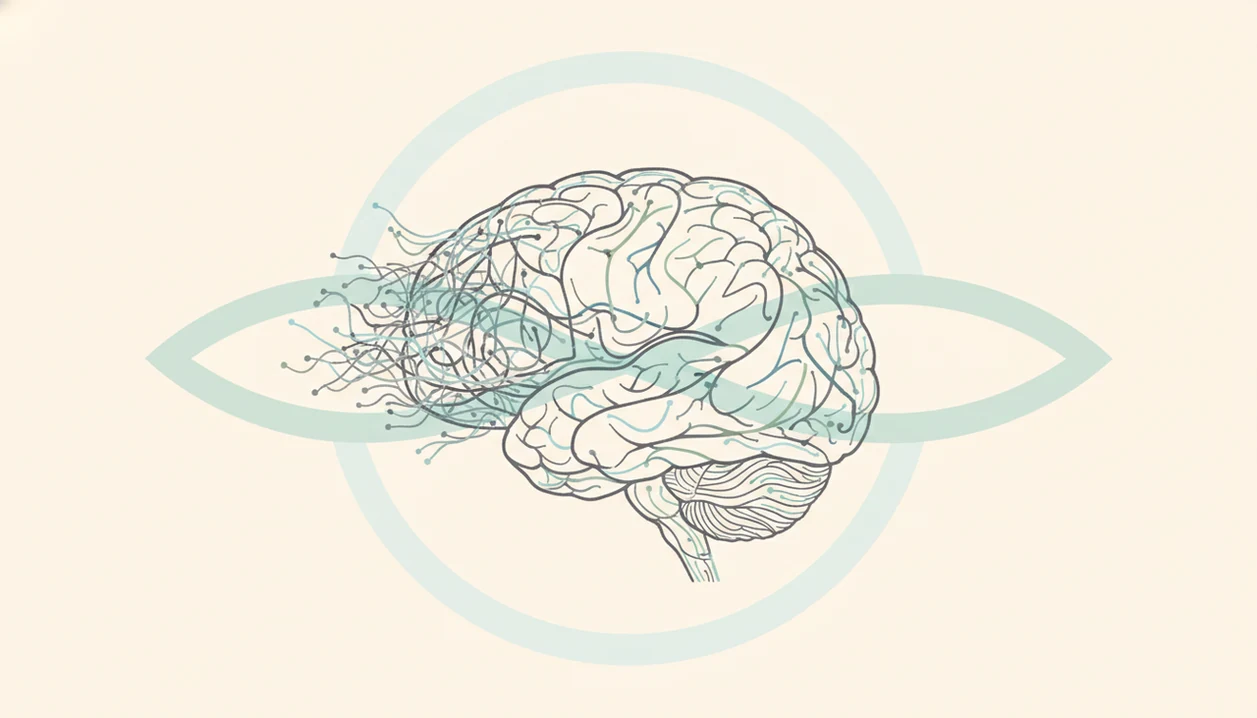
Rewire your brain with mindfulness means repeatedly practicing present-moment awareness so that pausing and choosing a response can become more available than reacting automatically. This draws on neuroplasticity, the brain’s ability to change with repeated experience. Attention, emotional regulation, and self-awareness are the skills being practiced, not a promise of permanent calm or an instant mental reset.
Start with short breathing practices, body scans, mindful walking, or Notice, Shift, Rewire moments during ordinary routines. The useful question is not whether your brain looks different on a scan, but whether you can notice distraction or tension and respond more deliberately. This guide treats mindfulness as practical attention training, not medical treatment or a replacement for therapy, medication, sleep, movement, or needed care.
What matters most
- Mindfulness rewiring is gradual, practice-dependent neuroplasticity, not an instant mental reset.
- Short daily practices such as breathing, body scans, mindful walking, and Notice, Shift, Rewire moments are enough to begin.
- Mindfulness is best used as a practical support tool, not a replacement for therapy, medication, sleep, movement, or medical care.
Rewiring means rehearsing attention and responses
Rewiring your brain with mindfulness means training attention and response patterns through repetition. In plain language, you practice noticing what is happening, then returning to a chosen anchor before an old reaction takes over.
Neuroplasticity is the brain’s ability to form, strengthen, and weaken pathways based on repeated experience. If you rehearse worry all day, that loop can become easier to enter. If you rehearse pausing, naming, breathing, and choosing, that response can also become more available. The research on self talk and the brain offers another perspective on how repeated mental habits may shape responses.
The goal is not to erase thoughts or become permanently calm. Grocery lists still appear mid-breath. The useful shift is noticing automatic habits earlier, before they run the whole moment. These practices can be secular, brief, and beginner-friendly, including a three-minute breathing pause before opening a laptop.
What brain research says about mindfulness
- Mindfulness relies on neuroplasticity: repeated attention practice can strengthen circuits involved in attention, self-monitoring, and emotional regulation.
- Long-term meditation is associated with structural differences in attention, interoception, and sensory-processing regions, including cortical-thickness findings reported in neuroimaging research J.Neubiorev.2014.03.016.
- An 8-week mindfulness program has been linked with measurable brain changes in regions related to learning, memory, emotion regulation, and perspective taking NIH research.
- Mindfulness-Based Stress Reduction has shown a moderate reduction in anxiety symptoms in randomized trials, with Hedges g = 0.55.
- Evidence is promising but not magical. Study quality varies, effects are often modest, and consistency matters more than one dramatic session.
For beginners, short repeated practice is often easier than long silent meditation because the cue is close to ordinary life.
An eight-week study is not a promise for a one-minute pause
Check what participants actually practiced before applying a study’s findings to your routine. Mindfulness-Based Stress Reduction generally means an eight-week program with weekly group sessions, body scans, sitting meditation, mindful movement, and regular home practice. The NCCIH summary of stress interventions describes this structured approach. A brief pause before replying to a message is useful practice, but it is not the same intervention or dose.
Research also needs to separate the effects of mindfulness practice from expectations and other differences between groups. A systematic review of gray-matter studies identified weak statistical power, several forms of bias, and unrepresentative samples. For readers, the practical distinction is simple: a study of a particular program does not establish how much brain change your own routine will produce. Track what you practice and how you respond in daily life, rather than treating a study’s scan results as a personal forecast.
The attention loop: notice, return, repeat
Mindfulness works through a repeatable loop: notice an experience, return attention, reduce autopilot, and repeat until a new response becomes easier. That loop can happen during breathing, walking, listening, or feeling the lower back meet the cushion.
Two brain processes are useful here. Top-down attention control means you intentionally guide attention, such as returning to the breath. Bottom-up sensory awareness means you notice raw signals from the body or environment, such as sound, pressure, warmth, or tension. Breath, body, and sound practices train both sides. Understanding the brain and sense of self can add context to practices that build awareness of thoughts and sensations.
A Nature Reviews Neuroscience review concluded that mindfulness and related contemplative practices can induce experience-dependent plasticity across brain function and structure Nrn3916. That does not mean mindfulness causes every brain difference seen in imaging studies. It means repeated mental training can shape brain networks, much like repeated physical practice shapes movement skill.
Who can use these practices, and who needs caution
Mindfulness tips fit people who want practical attention practice, not a promise of instant transformation. Beginner breathing, body, and attention practices give you repeated chances to notice what is happening; they do not guarantee relief from stress, pain, anxiety, or sadness.
| Fit | Good match | Use caution |
|---|---|---|
| Beginners | Stress reactivity, attention drift, rumination, daily emotional regulation | Expecting constant happiness or a new personality |
| Routine style | Secular, low-cost practices that fit brushing teeth, stairs, or commuting | Wanting one intense weekend to do all the work |
| Support needs | Optional guided audio, reminders, or beginner courses | Replacing therapy, medication, or crisis support |
| Safety context | Mild everyday stress and distraction | Trauma, dissociation, severe depression, or overwhelming distress |
If practice feels destabilizing, pause and look for trauma-sensitive professional guidance. Not every exercise fits every nervous system.
Practice Notice, Shift, Rewire at an everyday cue
Use Notice, Shift, Rewire as a small daily drill, not a special ceremony. It works well when tied to ordinary cues, such as an office stairwell or the moment before opening a door.
- Set a small daily cue, such as brushing teeth, waiting in line, opening a door, or climbing stairs.
- Notice the current experience: breath, body tension, thought, emotion, or urge.
- Shift attention gently to one anchor, such as three breaths, feet on the floor, or surrounding sounds.
- Rewire by repeating one chosen response, such as softening the shoulders, naming the emotion, or taking one kind action.
- Repeat for weeks, tracking consistency rather than intensity.
Feet on tile. Start there.
If you like breath-based anchors, breath awareness meditation gives a simple way to practice the “shift” step without adding much complexity.
Short exercises for breath, body, movement, and sound
These beginner exercises train different attention skills. One minute counts if you actually repeat it.
- Mindful breathing: Practice for 1 to 3 minutes to train attention control. Notice the ribs widening under a sweater, then return when the mind wanders.
- Body scan: Practice for 5 to 10 minutes to train interoception, or awareness of body signals. A fuller body scan meditation can help if you need structure.
- Mindful walking: Practice for 3 minutes to train sensory awareness through pressure, balance, and movement.
- Sound awareness: Practice for 1 to 5 minutes to notice sound without chasing every story about it.
- Gratitude or savoring: Practice for 1 minute to reinforce attention toward pleasant or meaningful details. For more ways to reinforce positive patterns, explore habits for a happier brain alongside your mindfulness practice.
Guided sessions in apps such as Mindful.net can help beginners stay oriented, but longer practice is not automatically better than short practice done often.
Habits that get in the way of attention training
Expecting a dramatic change after a few sessions can make gradual improvements easy to miss. Mindfulness rewiring usually shows up as small shifts over weeks and months, such as recovering attention sooner after a tense email.
Other mistakes are quieter. People try to empty the mind, then quit when thoughts keep coming. They treat mindfulness as zoning out, when it is active present-moment awareness. They practice only during crisis moments, instead of using neutral cues when the nervous system has more room to learn.
Another trap is using mindfulness to suppress emotions. Naming “anger” or “sadness” is not the same as pushing it away. The practice is to relate to the emotion with more clarity, then choose the next response. For open, non-gripping awareness, open monitoring meditation is a useful next step. Research on self talk and emotional regulation examines how the words you use internally may influence your responses to feelings.
A week of short practices and everyday pauses
A realistic weekly plan uses 3 to 10 minutes of formal practice daily, plus 1 to 3 Notice, Shift, Rewire moments during normal routines. Track completion, mood reactivity, and attention recovery. Don’t chase a flawless meditation.
| Day | Practice |
|---|---|
| Monday | 3 minutes of breathing, plus one pause before opening your laptop |
| Tuesday | 5-minute body scan |
| Wednesday | 3 minutes of mindful walking |
| Thursday | 5 minutes of sound awareness |
| Friday | 3 breaths before replying to a difficult message |
| Saturday | 1 minute of gratitude or savoring |
| Sunday | Review what helped and repeat the simplest practice |
If reminders and instruction help, an app like Mindful.net can provide guided structure. You can also compare styles in our meditation techniques guide.
When inward attention increases panic or disconnection
Seek professional help if mindfulness makes you feel less safe, more overwhelmed, or less connected to the present. Mindfulness can support care, but it is not a substitute for therapy, medication, medical treatment, or crisis support when those are needed.
Some people notice that quiet inward attention intensifies panic, dissociation, trauma flashbacks, or worsening depression. That is not a failure of effort. It may mean your nervous system needs a different kind of support, especially if symptoms feel hard to stop, interfere with daily life, or include thoughts of self-harm.
- Stop any practice that feels destabilizing, unsafe, or like it is pulling you out of the room.
- Ground with gentler cues, such as naming objects you can see, feeling your feet, looking around, or listening to ordinary sounds.
- Contact a trauma-informed therapist, doctor, or qualified mental health professional if panic, flashbacks, dissociation, or depression are increasing.
- Use crisis services or emergency care right away if you might harm yourself or someone else.
For some bodies, eyes-open grounding is safer than inward-focused meditation. Start with steadiness, not intensity.
Before opening your laptop: practice a short attention reset
A pause before opening your laptop gives Notice, Shift, Rewire a repeatable cue: notice tension, shift to your breath or feet, then choose your next action. The free online meditation timer can mark a brief practice without adding spoken instructions. Mindful.net’s app offers short guided meditations when you want guidance instead. Neither measures brain changes, and professional support is more appropriate when distress persists or practice feels destabilizing.
Mindfulness and Brain Scan Limits
- Effects are often modest and research quality varies; NIH research found MBSR moderately reduced anxiety symptoms.
- Brain scans can show associations and training changes, but cannot prove mindfulness alone causes every brain difference.
- Regular practice is required, since occasional sessions are unlikely to create durable change.
- Seek professional help when mental health or medical care is needed, since mindfulness cannot replace therapy or medication.
Mindfulness and brain rewiring questions
Can mindfulness really rewire your brain?
Mindfulness trains attention and response patterns through repetition, which fits the broader principle of neuroplasticity. Brain studies report differences and training-related changes, but they do not prove that every difference is caused by meditation. Treat rewiring as a description of gradual learning, not a guarantee of permanent structural change.
How long does it take to notice changes from mindfulness?
There is no reliable deadline for an individual. Small changes may emerge over weeks or months, such as noticing distraction sooner or pausing before replying. An eight-week research program is not a promise that everyone changes in eight weeks. Track attention recovery and reactions rather than waiting for a dramatic mental reset.
How do you practice Notice, Shift, Rewire?
Choose an ordinary cue, such as opening a door. Notice a thought, feeling, body sensation, or urge. Shift attention to three breaths, your feet, or nearby sounds. Then repeat a chosen response, such as softening your shoulders or naming the emotion. Rewire refers to repeating this practice, not an immediate brain change.
Is a few minutes of mindfulness a day enough?
A few minutes is enough to begin practicing attention, but it is not a proven dose for changing particular brain regions. Try one to three minutes of breathing or a short mindful walk, tied to a regular cue. Repeat a manageable practice rather than assuming one long session will create lasting change.
Why does my mind keep wandering during meditation?
Mindfulness does not erase thoughts. Noticing that attention has wandered and returning to a chosen anchor is part of the practice itself. You can use breathing, sounds, or the feeling of your feet. The aim is to rehearse returning, not to maintain a blank mind or judge every thought as a mistake.
Do brain scans prove that meditation makes the brain bigger?
No. Structural MRI studies have reported differences between meditators and nonmeditators, but many compare people only after they already have different practice histories. Lifestyle, stress, education, or pre-existing differences may contribute. Reviews also identify small samples and bias, so claims that mindfulness reliably enlarges specific brain regions need caution.
What should I do if mindfulness makes me more anxious?
Stop a practice that feels destabilizing rather than forcing yourself to continue. Try looking around, naming visible objects, or listening to ordinary sounds instead of concentrating inward. Seek a qualified clinician if anxiety persists, interferes with daily life, or comes with panic, flashbacks, or disconnection. Mindfulness is not a replacement for needed treatment.