
Mindfulness in the Garden: A Practical Beginner Guide
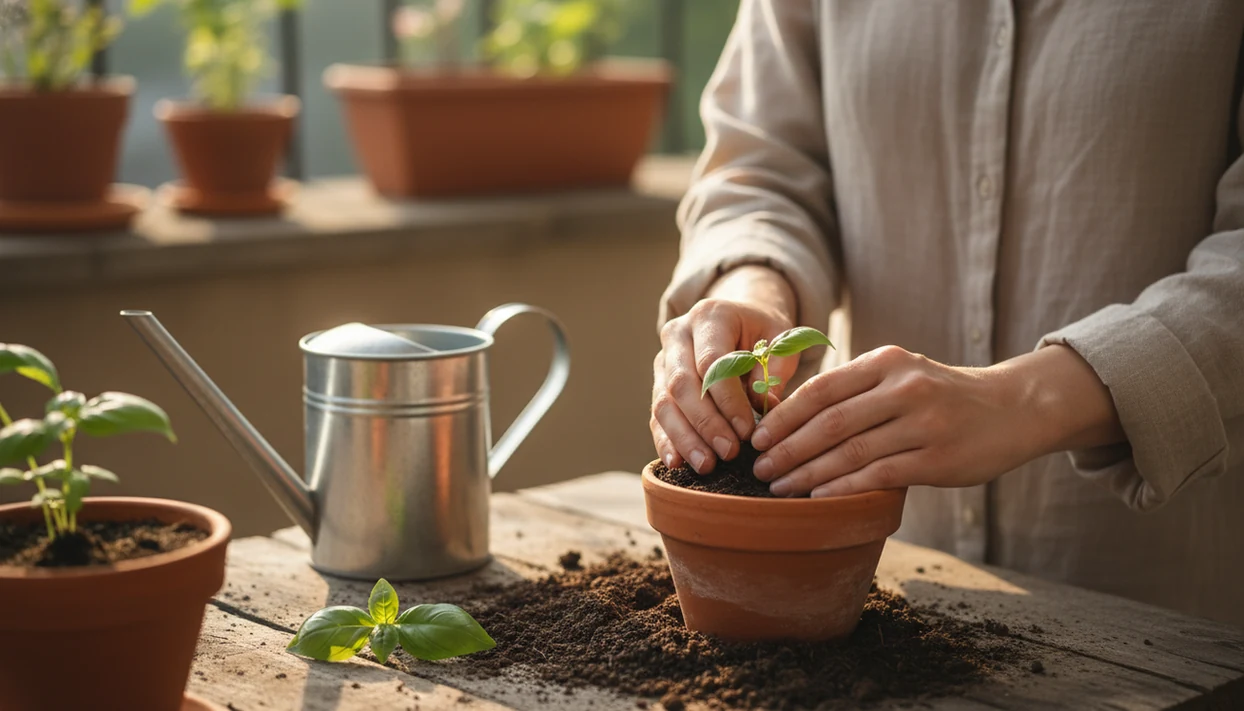
Mindfulness in the garden means paying full, kind attention to the present moment while you water, weed, plant, harvest, or simply sit outdoors. Instead of rushing through garden chores, you use breath, senses, and gentle movement as anchors for awareness.
> Definition: Mindfulness in the garden is a secular practice of bringing present-moment awareness to garden-based sensations, movements, and tasks without trying to force a particular feeling.
- Use ordinary garden moments, watering, weeding, digging, pruning, sitting, or harvesting, as simple mindfulness anchors.
- Research on gardening, nature contact, and mindfulness suggests possible stress and mood benefits, but results vary and it is not a medical treatment.
- You do not need a large yard: balconies, windowsill herbs, community gardens, doorways, and indoor plants can all support practice.
Mindfulness in the garden quick practice map
Mindfulness in the garden is kind attention to what is happening while you garden. The anchor might be breath, hands, feet, soil, leaves, birdsong, color, scent, or the small pull of a weed coming loose.
This is for the person who wants the garden to be more than another set of chores. Notice one thing, come back to it, and continue. Your mind may drift toward tomorrow’s errands, a family concern, or the next thing on the calendar. That is not a mistake; it is the exact moment the practice begins again.
Start with one task, not the whole garden. Before you step outside, feel the warm mug in your palms or the brush of a shirt sleeve against your arm, then choose one anchor for five minutes. You might notice grit on your thumb after loosening soil, the hollow glug of a watering can, or the quick flash of impatience when a weed snaps instead of lifting cleanly. One pattern we notice with beginners is that ordinary texture often works better than trying to feel peaceful on command. Practical mindfulness practices and meditation techniques for beginners and daily life offer a steadier way to notice experience, not a promise to erase stress or become someone else. Tools like Mindful.net can support secular practice, but this exercise does not require an app.
How mindfulness in the garden works
Mindfulness in the garden works by giving attention something simple and physical to meet. Breath, touch, sound, color, scent, and repeated movement become anchors you can return to when the mind starts wandering.
In secular mindfulness, the basic move is noticing that attention has wandered and guiding it back without turning it into a personal flaw. In a garden, that can happen while watering seedlings, trimming basil, or standing for a moment near the fence as traffic hums beyond the leaves.
Garden tasks also add mindful movement and grounding. The body bends, reaches, carries, pauses, and adjusts, which can make awareness easier than sitting still—especially for beginners who get restless in formal practice. If the breath feels too inward, use an outside anchor, such as water darkening the soil or the scrape of a trowel against a pot. For a more focused seated option, breath awareness meditation uses the same return skill in a quieter setting.
Five mindfulness in the garden facts beginners should know
- Mindfulness is present-moment attention, not a blank mind. Thoughts will keep appearing, and the practice is to notice them without getting pulled along.
- Gardening tasks can become moving meditation. Watering, weeding, pruning, digging, and harvesting can all become anchors when done with intention.
- The five senses make the practice concrete. Beginners often find it easier to notice leaf shape, soil texture, scent, birds, and safe tastes than to “watch the mind.”
- Benefits are plausible but not guaranteed. Many people find garden practice calming, but stress, mood, pain, weather, and life pressure vary.
- No special setup is required. A large yard, expensive tools, and meditation experience are optional. A pot of mint near a window still counts.
The most useful beginner practice is usually brief and repeatable because attention builds through returning, not through forcing a long session.
Evidence behind mindfulness in the garden benefits
Research supports a careful claim: gardening, nature contact, and mindfulness practices are each linked with stress or mood benefits, but garden-specific mindfulness is not proven as a stand-alone treatment. In a 2023 randomized controlled study, community gardening led to a 4.2-point greater decrease in perceived stress on the PSS-10 after a three-month season compared with non-gardening controls (JAMA study).
A 2017 systematic review of quantitative gardening studies found associations with reduced depression and anxiety symptoms, plus better life satisfaction and quality of life (NIH research). Mindfulness-based intervention studies also report small-to-moderate stress reductions in research reviews, though those studies usually examine structured programs rather than garden practice (JAMA study).
What seems reasonable is the combination: nature contact, gentle activity, attention training, and sensory grounding. Clinicians typically recommend mindfulness as a supportive skill, not as a replacement for diagnosis, therapy, medication, or urgent care when those are needed.
Before you start mindfulness in the garden
Before you begin, make the garden safe enough for attention to settle. A short check of the space, the weather, and your body protects the practice from becoming another source of strain.
- Check the conditions before stepping in: weather, slippery paths, uneven ground, air quality, pollen, and whether there is enough shade or shelter for today.
- Choose one gentle task that fits your body right now, such as watering one pot, pinching basil, sitting near a plant, or sweeping a small path.
- Clear the practice area of sharp tools, garden chemicals, broken pots, hoses, unknown plants, and anything else that asks for caution instead of calm attention.
- Set a short timer for 2 to 10 minutes so the session stays brief, repeatable, and easy to stop before fatigue or irritation builds.
- Use an external anchor if inward attention feels uncomfortable. Keep your eyes open, notice leaf color, listen for water or birds, or feel your feet on the ground.
Mindfulness includes practical judgment. If the safest choice is to pause, move indoors, or simply rest, that still counts as awareness.
How to use mindfulness in the garden step by step
Use this as a short routine, not a performance. A phone timer set for 5 minutes is enough. If you prefer guided prompts, the Mindful.net Mindfulness Practices App can be used as a timer and reminder, then set aside while you practice.
- Set a small intention before beginning, such as “I will notice watering” or “I will move slowly for five minutes.”
- Choose one garden anchor such as breath, hands, feet, sound, soil texture, or the color of one plant.
- Move slowly through one task like watering, weeding, planting, pruning, or sweeping a path.
- Notice wandering thoughts and return without self-criticism when the mind jumps to plans, messages, or chores.
- Close by naming one sensation, one emotion, and one next action, such as “cool air, tired, put the tools away.”
For beginners, mindful gardening usually works best when the task is small and familiar, while seated meditation may fit people who want fewer physical demands. If you want more options, our meditation techniques guide compares several beginner-friendly styles.
Mindfulness in the garden tips for common spaces
Mindfulness in the garden can fit many spaces, including places that do not look like a traditional garden. The key is to match the anchor to what is actually available.
| Space | Best anchor | Best task or practice |
|---|---|---|
| Backyard | Feet, soil, birds, tool movement | Water one bed slowly or weed one small patch |
| Balcony | Air, container leaves, street sounds | Tend one pot or sit for three breaths |
| Windowsill | Light, scent, leaf texture | Rotate herbs, mist leaves, observe growth |
| Community plot | Hands, shared sounds, path walking | Plant seedlings or pause before harvesting |
| Doorway | Temperature, sky, nearby greenery | Stand, breathe, and notice five visible details |
Small counts. A single basil pot can hold enough sensation for practice. For an image on this page, use a realistic calm garden scene, such as a person seated near containers with hands resting, captioned: “A simple setup for mindfulness in the garden using plants, breath, and sensory attention.”
Best use cases and safety no-go conditions for mindfulness in the garden
Mindfulness in the garden is best for people who like movement, nature, and concrete sensory anchors. It is not a substitute for professional care, and it should be modified when the setting is unsafe.
| Best for | Not ideal for |
|---|---|
| Beginners who find silent sitting difficult | Replacing therapy, crisis support, or medical treatment |
| People who want a phone-free daily pause | Unsafe weather, lightning, extreme heat, or icy paths |
| Anyone who prefers sensory anchors | Poor air quality, severe allergies, or active asthma triggers |
| Restless meditators who like gentle movement | Tasks that cause pain, dizziness, numbness, or strain |
| Small-space gardeners using pots or herbs | Areas with unsafe tools, chemicals, pests, or unstable footing |
Choose another mindfulness technique when garden practice becomes more stressful than useful. A seated body scan meditation may fit better on high-pollen days or when the body needs rest.
Simple mindfulness in the garden scripts
These scripts translate familiar mindfulness exercises into garden language. Use them as prompts, then drop any line that feels awkward.
Two-minute garden breathing
Sit or stand where you feel steady. Notice one inhale and one exhale. Let the eyes rest on one plant, stone, or patch of soil. When the mind wanders, say silently, “thinking,” then return to the next breath. Breath fogging a windowpane in colder weather can become the anchor too.
Garden 5-4-3-2-1 senses practice
Name five things you see, four things you feel, three things you hear, two things you smell, and one thing you can taste only if it is safe. Herbs, fruit, and vegetables should be clean and known to be edible.
Mindful watering and weeding
Before watering or weeding, pause. Feel the grip of the handle or the pull of the stem. Move one section at a time. If irritation appears, notice that too. For a softer heart-based variation, loving-kindness meditation can be adapted toward yourself, the plants, and other people who share the space.
Mindfulness in the garden mistakes to avoid
The most common mistake is trying to stop all thoughts. Mindfulness asks you to notice thoughts and return, not win a contest against them.
Another mistake is turning every garden task into a self-improvement project. Some days the tomatoes need tying up quickly before dinner. That is fine. Not every moment needs a lesson.
Do not ignore pain, heat, fatigue, insects, sharp tools, or unsafe footing. Awareness includes practical safety. If your back starts complaining while digging, change posture or stop. Reset the plan.
Small-space comparison is also unhelpful. A windowsill herb practice is not lesser than a backyard scene online. Brief, repeatable practice usually beats a long forced session because it fits real life. Two quiet minutes beside a doorway can be enough.
Limitations
Mindfulness in the garden has real limits, and naming them makes the practice safer.
- Gardening and mindfulness studies are often short-term, so they may not prove long-lasting effects.
- Mindfulness in the garden is not a treatment for severe anxiety, depression, trauma, addiction, chronic pain, or other medical conditions.
- Outdoor practice can be limited by climate, allergies, poor air quality, pests, neighborhood safety, and mobility barriers.
- Some people find inward attention uncomfortable. External sights, sounds, or open-eye practice may be better.
If practice brings up panic, dissociation, intense grief, or urges to harm yourself, pause and seek qualified support. For some people, open monitoring meditation or a guided session may also need careful pacing.
What We Usually Suggest
One pattern we repeatedly notice is that beginners often make garden mindfulness too large: the whole yard, every sensation, every task, all at once. We usually suggest shrinking the practice until it feels almost too simple, such as one clear anchor during one short session. That smaller frame tends to make the practice easier to repeat without turning gardening into another performance project.
A Field Note on Real Use
Quick answer: garden mindfulness is less about making the garden peaceful and more about choosing one clear anchor while you are already there. A steady breath, the sound of water, the weight of a trowel, or the feeling of soil can give a short session enough structure to repeat. Garden practice may look prayerful from the outside, but mindfulness usually emphasizes noticing present-moment experience rather than speaking to, asking from, or resting in a sacred relationship.
Hidden Limits People Miss
- If the garden task needs sharp tool safety, make attention practical first; mindful does not mean dreamy or slowed beyond what the task requires.
- If you are comparing mindfulness with prayer, choose prayer when devotional language is the main need and mindfulness when observation without interpretation is the main need.
- If you only have two minutes, pick one clear anchor, such as three slow watering passes, instead of trying to turn the whole chore into a practice.
- If outdoor sounds keep pulling attention away, treat one sound as the anchor rather than fighting the entire soundscape.
- If you are using gardening to avoid a hard conversation, the practice may still steady you, but it should not replace the conversation itself.
If This Sounds Like You
A parent stepping outside after a noisy morning, a nurse decompressing after a shift, or a musician between rehearsals may do better with a short session than a formal seated practice. We usually suggest choosing one repeatable garden cue, such as the first watering can refill, and letting that be the whole practice for a week. Decision support beats generic calm advice when someone is choosing between techniques, which is why a resource like Practice Decision Support at /discover-best-mindfulness-practice can be useful when garden practice competes with breathing, walking, or workday options like Mindfulness at Work at /mindfulness-at-work.
At-a-Glance Options
| Technique | Best for | Minutes |
|---|---|---|
| Watering-breath anchor | Someone who wants a steady breath tied to a simple repeated movement | 3-7 min |
| Weeding one small patch | Someone with restless thoughts who needs a defined beginning and ending | 5-12 min |
| Silent sitting by one plant | Someone comparing mindfulness with prayer and wanting nonverbal observation | 4-10 min |
The best garden practice is usually the smallest one you will remember to repeat tomorrow.
Why Mindful.net fits this specific need
Mindful.net works well for this topic because garden mindfulness often sits between everyday chores, spiritual reflection, and formal meditation. The related guides can help readers compare options without assuming one technique fits every mood, schedule, or setting.
FAQ
What is mindful gardening?
Mindful gardening is paying attention to present-moment sensations and actions while gardening. You notice breath, movement, plants, soil, sound, and thoughts without trying to force a mood.
How do I garden mindfully?
Set a small intention, choose one anchor, move slowly through one task, and return gently when your mind wanders. End by naming one sensation, one emotion, and one next action.
Can gardening reduce stress?
Gardening is linked with lower stress in some studies, including community gardening and nature exposure research. Benefits are not guaranteed and depend on the person, setting, and consistency.
Is mindful gardening a form of meditation?
Mindful gardening can function as moving meditation when attention is intentionally anchored. Ordinary gardening becomes meditation-like when you notice wandering and return to the task.
Can I practice mindful gardening without a yard?
Yes, balconies, windowsill herbs, houseplants, community plots, doorways, and nearby green spaces can all work. Mindful.net and similar tools can offer prompts, but the space can be very small.
What senses should I notice while gardening?
Notice sight, sound, touch, smell, and taste when safe. Examples include leaf color, bird calls, soil texture, mint scent, and a washed edible herb.
How long should a mindful gardening session last?
Start with 2 to 10 minutes. Increase only if the practice feels useful, safe, and sustainable.
Can children practice mindful gardening?
Children can practice by naming colors, textures, smells, and sounds while supervised. Use safe plants, clean soil, child-safe tools, and short sessions.
Is mindful gardening spiritual or secular?
Mindful gardening can be fully secular. It does not require religious belief, special language, or a spiritual framework.