
Mindfulness for Aging: Simple Practices for Steadier Later Life
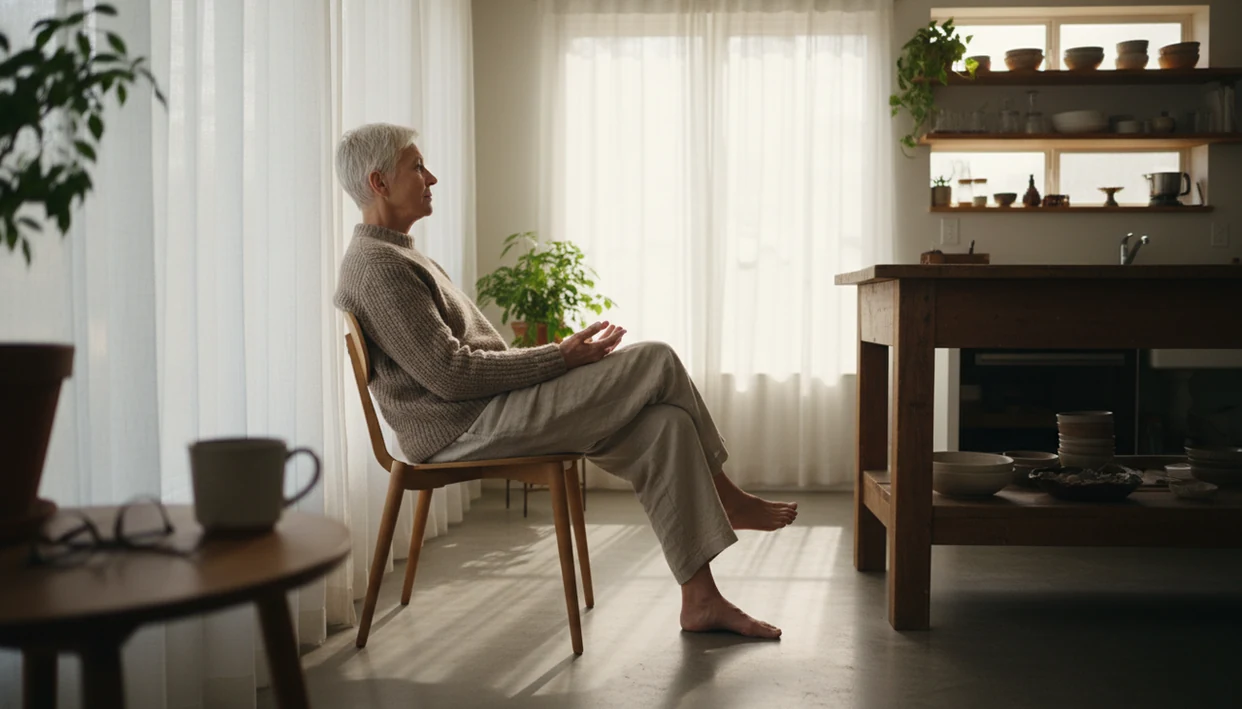
Mindfulness for aging is the practice of using present-moment awareness to meet the physical, emotional, and social changes of later life with less reactivity and more steadiness. It can support stress relief, mood, sleep, attention, pain coping, and everyday quality of life, but it should complement, not replace, medical or mental health care.
> Mindful.net is a mindfulness app that teaches mindfulness practices and meditation techniques for beginners and everyday life.
- Mindful aging is not denial or forced positivity; it is learning to notice aging-related changes honestly without adding unnecessary judgment.
- Evidence suggests mindfulness may help older adults with mood, sleep, attention, executive function, pain coping, and stress resilience.
- The most sustainable mindfulness for aging tips are short, secular, adaptable practices such as breathing, chair-based body scans, mindful walking, mindful eating, and mindful listening.
What mindfulness may help with as you get older
Mindfulness for aging means meeting later-life changes with awareness, acceptance, and continued engagement, not pretending aging is easy. It is a practical attention skill for noticing what is happening now, then choosing the next response with a little more space.
The likely benefits include less stress reactivity, better coping with anxiety and depressive symptoms, improved sleep quality, steadier attention, and stronger executive function. Some older adults also use mindfulness to relate differently to chronic pain, mobility discomfort, grief, and changing social roles.
No retreat required.
A person can practice while resting a cotton sleeve against the wrist, pausing near a camping lantern after evening chores, or taking three steady breaths between garden tasks. Mindfulness is secular and does not require special beliefs, special clothing, or an app. Effects are usually gradual. One pattern we notice with older adults is that short practices repeated often tend to fit real life better than rare long sessions, because consistency matters more than intensity.
How mindfulness for aging works in the body and mind
Mindfulness for aging works by training attention to notice breath, body sensations, thoughts, emotions, and urges without immediately reacting to them. In plain terms, it builds a small pause between “I feel this” and “I must respond right now.”
That pause can help reduce reactivity. A stiff knee, a lonely evening, or a sudden worry about memory may still appear. The practice is noticing the sensation, naming it gently, and returning to an anchor such as the smell of garden soil, the feel of dry lips, or the sound of breathing.
Two useful terms are attention control and emotional regulation. Attention control means choosing where the mind rests. Emotional regulation means responding to feelings with steadier care. Mindfulness does not stop aging, but it can change the relationship to aging-related stressors. Good mindfulness practices and meditation techniques for beginners and daily life deliver repeatable attention practice and kinder self-awareness, not a cure for aging, illness, or loss.
Five mindfulness for aging facts older adults should know
- Mindful aging includes honesty and engagement. It accepts real changes in the body, memory, energy, and relationships while still making room for purpose, pleasure, and connection.
- Mindfulness is linked with emotional benefits. A meta-analysis of 15 studies found small-to-moderate improvements in anxiety and depressive symptoms among older adults Inm.12568.
- Eight-week programs have shown measurable results. In one randomized clinical trial, an 8-week mindfulness-based stress reduction program led to a 32% reduction in depressive symptoms and improved sleep quality compared with controls NIH research.
- Mindfulness may support coping, not curing. It may help people work with chronic pain stress, blood pressure-related stress, mobility discomfort, and sleep problems as an adjunct to care.
- Short adaptations often work better. For many older adults, two to five minutes of chair breathing or mindful walking is easier to repeat than a long silent sit.
A half-remembered errand, a guitar pick left on the table, or a thought about tomorrow may still pull attention away. That is normal practice material.
How to use mindfulness for aging in daily life
Use mindfulness for aging by choosing one small daily moment, practicing briefly, and returning without self-criticism. For older adults, the most useful plan is simple enough to repeat on a low-energy day.
- Set a short practice window of 2 to 5 minutes, using a phone timer or clock if helpful.
- Choose a stable posture such as a chair, bed, walker-supported stance, or slow walk.
- Notice one anchor such as breathing, feet, hands, sound, or a repeated routine like taking medication.
- Name distractions gently with words like “planning,” “worry,” or “remembering,” then return without scolding yourself.
- Connect the practice to one aging-related moment, such as pain, waiting, grief, loneliness, or a medical appointment.
For older adults with fatigue or pain, chair-based mindfulness is often easier than floor meditation because the body does not have to fight the setup. A broader mindful living guide can help connect these small pauses to daily routines.
Best mindfulness for aging tips for common later-life challenges
The best mindfulness for aging tips are the ones adapted to the body, senses, and schedule the person actually has. A practice that works on a calm morning may need adjusting during pain, poor sleep, or a busy clinic day.
| Later-life challenge | Adapted mindfulness practice | Why it helps |
|---|---|---|
| Chronic pain or discomfort | Gentle body scan or breath-with-sensation practice | Builds space around pain-related tension without treating pain as failure |
| Limited mobility | Chair meditation, hand awareness, or mindful stretching | Keeps practice accessible without needing a cushion or floor posture |
| Memory slips | Mindful routines, verbal labeling, and one-task attention | Reduces rushed multitasking and supports attention during daily tasks |
| Loneliness | Mindful listening, group practice, or compassionate check-ins | Turns connection into a deliberate practice, not just a hope |
| Hearing or vision changes | Tactile anchors, slower guidance, and written cues | Lets the person practice through touch, rhythm, and simple instructions |
For pain-specific adaptations, mindfulness for chronic pain offers a more focused starting point.
Mindfulness for aging guide to mood, sleep, and cognition evidence
Research on mindfulness for aging is promising, but it should be read carefully. Studies often examine short programs, such as 8-week mindfulness-based stress reduction, and results are linked with support rather than cure.
Most findings come from structured programs with trained instructors, so results may not transfer perfectly to a self-guided app, book, or occasional practice at home.
In a randomized clinical trial of older adults with a mean age of 72, an 8-week MBSR program led to a 32% reduction in depressive symptoms and improved sleep quality compared with controls NIH research. A meta-analysis of mindfulness-based interventions for older adults found small-to-moderate improvements in anxiety and depressive symptoms across 15 studies.
Cognition is also being studied. In a randomized controlled trial of adults aged 65 to 94, 8 weeks of mindfulness training produced significant gains in sustained attention and executive function that were maintained at 4-week follow-up Full. For older adults, mindfulness training may support attention better than passive relaxation because it repeatedly practices noticing distraction and returning to the chosen anchor.
Who mindfulness for aging is best for and not for
Mindfulness for aging is best for people who want a secular, low-cost way to practice steadier attention and emotional resilience alongside ordinary care. It is not a substitute for diagnosis, treatment, medication decisions, rehabilitation, or urgent help.
| Best for | Not ideal for |
|---|---|
| Older adults who want a gentle stress-management habit | Replacing care for major depression or severe anxiety |
| People wanting better daily attention and less reactivity | Managing dementia or major memory changes without support |
| Caregivers who want shared calming practices or mindful listening | Avoiding medical advice for uncontrolled pain or new symptoms |
| People using mindfulness alongside medical or mental health care | Processing severe trauma or acute grief without qualified support |
| Beginners who prefer short secular practices | Medication questions, emergencies, or sudden health changes |
Tools like Mindful.net, Calm, and Headspace can provide beginner-friendly structure when desired. They are optional, not a requirement. Clinicians typically recommend bringing new or worsening mental health, pain, sleep, or cognitive symptoms to a qualified professional rather than relying on self-guided mindfulness alone.
Mindfulness for aging mistakes that reduce consistency
Some mindfulness mistakes make aging feel like a personal failure instead of a human process. The fix is usually not more discipline; it is a better adaptation.
- Forced positivity: Mindfulness is not pretending everything is fine. Naming sadness, irritation, fear, or tenderness is often healthier than pushing it down, a point also explored in the dangers of suppressing emotions.
- Starting too long: Long sessions can aggravate pain, restlessness, or fatigue. Five minutes with a blanket over crossed legs may teach more than 30 minutes of endurance.
- Assuming it is too late: Older adults can learn new attention habits. The practice may need slower pacing, not lower expectations.
- Using practice to avoid care: Mindfulness should not delay medical advice, therapy, hearing support, mobility help, or medication review.
- Ignoring age-related adaptations: Chairs, written cues, larger text, slower audio, and tactile anchors are practical supports. Not shortcuts.
When to seek professional help
Seek professional help when symptoms are new, intense, worsening, or unsafe; mindfulness should not be the only response. A breathing pause can support steadiness, but it cannot assess chest pain, severe confusion, suicidal thoughts, or sudden changes in health.
- Call emergency support for urgent symptoms such as chest pain, trouble breathing, signs of stroke, fainting, a serious fall, sudden severe headache, or thoughts of harming yourself or someone else.
- Contact a physician when new pain, major sleep changes, dizziness, medication concerns, or memory decline appears, especially if the change is sudden or disrupts daily life.
- Reach out to a therapist if practice brings up trauma activation, panic, severe depression, overwhelming grief, or anxiety that feels unmanageable.
- Involve a caregiver or trusted person when confusion, missed medications, unsafe driving, wandering, or daily tasks become harder to track.
- Pause the practice if mindfulness increases distress, then choose support before trying again.
The goal is not to abandon mindfulness. It is to place it where it belongs: beside qualified care, practical support, and timely safety decisions.
Limitations
Mindfulness for aging has real value, but its limits matter. It is an educational and supportive practice, not a medical treatment plan.
- Evidence is promising, but many studies are relatively small, short-term, or based on structured programs with trained instructors.
- Mindfulness does not replace medical treatment, psychotherapy, medication, rehabilitation, or emergency care.
- Benefits usually require consistent practice over weeks, and they may be subtle rather than dramatic.
- Sitting meditation may be uncomfortable for people with pain, trauma histories, grief, respiratory issues, or mobility limits.
If a practice increases panic, distress, pain, or confusion, pause and seek qualified support. For meaning-centered reflection, how to find your purpose may be useful alongside, not instead of, care.
Hidden Limits People Miss
Three situations tend to change what mindfulness for aging should look like: a retired nurse who is tired of monitoring symptoms, a musician noticing slower fingers, and a grandparent whose evenings feel suddenly too quiet. In each case, the useful move is usually not a longer session but a shorter session with one clear anchor, such as a steady breath, a hand on the chest, or the sound of a familiar room. Mindfulness works best here when it reduces the number of choices, not when it becomes another self-improvement assignment.
If This Sounds Like You
If stillness makes thoughts louder, we usually suggest a named method: the Three-Breath Name-and-Return. Take one steady breath, silently name what is most present, take a second breath while softening effort, and use the third breath to return to one clear anchor. This can pair well with a gentle Body Scan at /body-scan-meditation, but the goal is noticing and returning, not forcing relaxation.
A Quick Answer
- Choose mindfulness when you want a steadier relationship to an experience; choose relaxation when the main goal is simply to downshift arousal.
- Use a short session if fatigue, pain, or caregiving interruptions make longer practice feel like a test.
- Pick one clear anchor before you begin; deciding mid-practice often adds friction.
- If memories, panic, or distress intensify, pause the practice and consider support from a qualified professional.
- For daily routines, borrow the same cue each time, such as the first sip of tea, the hallway light, or closing a music case.
What Most Beginners Get Wrong Here
A common misread is assuming mindfulness has failed if it does not feel calming right away. Mindfulness and relaxation can overlap, but they are not the same instruction: relaxation aims to ease tension, while mindfulness often starts by noticing what tension, worry, or impatience is already doing. The best practice is usually the one you will repeat tomorrow.
At-a-Glance Options
| Technique | Best for | Minutes |
|---|---|---|
| Three-Breath Name-and-Return | moments of indecision, worry loops, or emotional reactivity | 1-3 min |
| Gentle Body Scan | reconnecting with body sensations without trying to fix them | 5-15 min |
| Transition Pause | moving between caregiving, errands, creative practice, or part-time work | 2-5 min |
A Field Note on Real Use
We usually see beginners do better when the first practice is almost too simple, especially in later life when energy, sleep, and attention may vary from day to day. One pattern we notice is that people try to make every session feel peaceful, then feel discouraged when it feels ordinary. A steady breath, a short session, and one clear anchor often make the practice easier to repeat.
Decision support beats generic calm advice when someone is choosing between mindfulness techniques.
Why Mindful.net fits this specific need
Mindful.net is useful here because its aging and everyday practice guides emphasize small, repeatable choices rather than one perfect meditation style. Readers can connect this page with the Body Scan guide at /body-scan-meditation or adapt transition practices from Mindfulness at Work at /mindfulness-at-work for caregiving, volunteering, creative work, or part-time routines.
FAQ
What is mindfulness for aging?
Mindfulness for aging is present-moment awareness applied to later-life changes, including body sensations, emotions, memory slips, relationships, and daily routines. It emphasizes noticing and responding with less judgment.
Does mindfulness help older adults?
Mindfulness may help some older adults with stress, mood, sleep, attention, pain coping, and quality of life. Results vary, and benefits usually depend on consistent practice.
Can mindfulness improve memory?
Mindfulness may support attention and executive function, which can make daily remembering easier for some people. It does not cure dementia, Alzheimer’s disease, or other memory disorders.
Is mindfulness safe for seniors?
Mindfulness is generally low risk when adapted for comfort, mobility, hearing, vision, and emotional needs. Seniors with trauma, severe depression, cognitive impairment, or worsening symptoms should seek professional guidance.
How long should seniors meditate?
Many seniors can start with 2 to 5 minutes and increase only if the practice feels comfortable. Short daily practice is often more sustainable than long sessions.
Can mindfulness reduce loneliness?
Mindfulness can support loneliness by encouraging mindful listening, group practice, and compassionate check-ins. It works best when paired with real social contact and community support.
Does mindfulness help chronic pain?
Mindfulness may help people cope with pain-related stress, tension, and emotional reactivity. It should not be treated as a pain cure or a replacement for medical care.
Is mindfulness religious?
Mindfulness can be practiced in secular, health-focused ways without religious belief. Many programs teach it as attention training using breath, body, sound, and daily routines.
How do beginners start mindfulness?
Beginners can start by sitting comfortably, noticing one breath or body sensation, and returning when the mind wanders. A simple guide, class, or Mindful.net Mindfulness Practices App can add structure if desired.