
Healing Benefits of Mindfulness: Evidence, Practice, and Limits


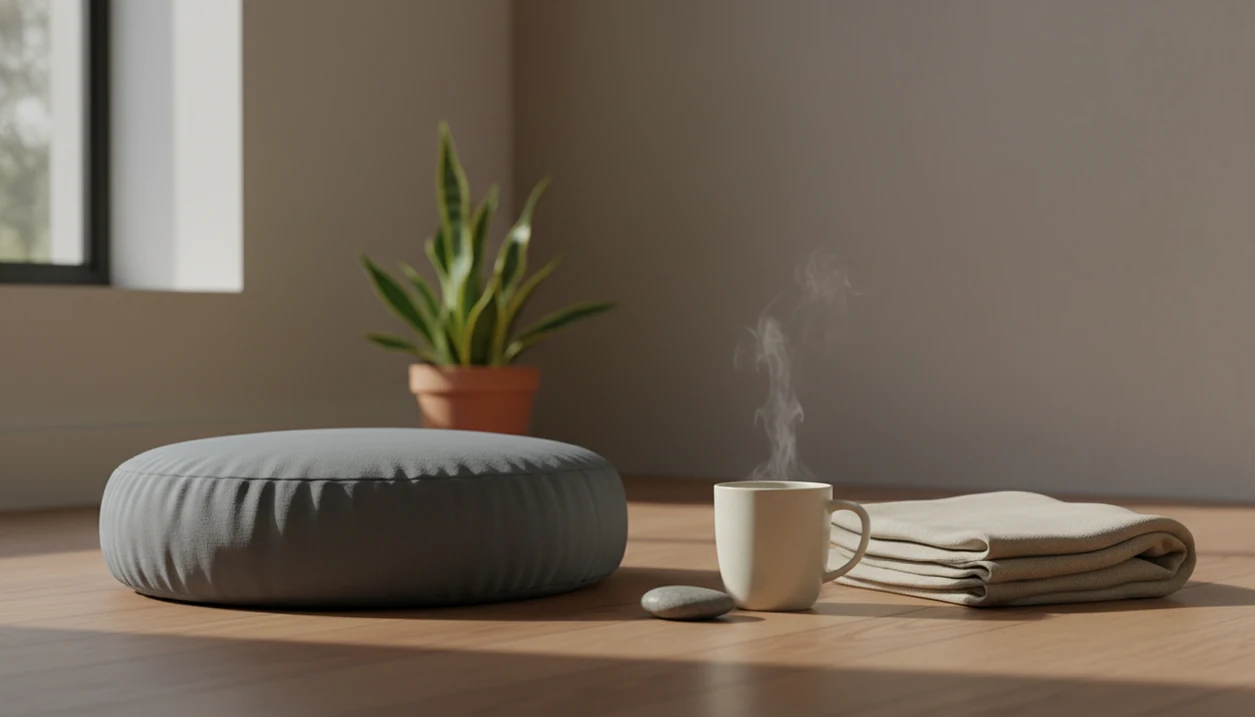
The healing benefits of mindfulness come from learning to notice present-moment thoughts, sensations, and emotions without judgment, so you can meet stress and discomfort with less automatic reactivity. Mindfulness changes your relationship to difficult experiences rather than removing them. It is not a cure-all, but it can support emotional balance, pain coping, and everyday self-regulation.
The best-supported outcomes are modest, not dramatic. A review of 47 randomized trials found small to moderate improvements in anxiety, depression, and pain. For beginners, short practices and ordinary routines offer a manageable starting point. Clear boundaries matter too: mindfulness should support appropriate care, and a practice that increases distress needs adjustment, not more effort.
What matters most
- Mindfulness helps by changing your relationship to stress, pain, and difficult emotions rather than removing all discomfort.
- The best-supported benefits are stress reduction, improved coping, and small to moderate reductions in anxiety, depression, and pain.
- Short daily practices, mindful routines, and realistic boundaries make mindfulness safer and more useful for beginners.
What “healing” means in mindfulness practice
The healing power of mindfulness means learning to meet stress, pain, and emotion with clearer attention instead of instant reaction. Mindfulness is present-moment, purposeful, nonjudgmental attention; the healing part is the shift in relationship.
That matters because many people come to mindfulness hoping it will erase discomfort. It usually does something quieter. You notice the tight jaw, the worried thought, the urge to answer sharply, and you get a small space before acting.
Small space. Real difference.
Mindfulness is a skill, not a cure, religion, or personality test. It can be practiced in secular, beginner-friendly ways: three breaths before opening a laptop, feet on carpet before a hard call, or a phone timer set for five minutes. For a broader plain-language foundation, our what is mindfulness definition guide breaks down the term from several angles.
What 47 randomized trials found about symptom relief
The strongest evidence for mindfulness is for stress reduction, anxiety symptoms, depressive symptoms, and pain coping, not for curing disease. A large meta-analysis of 47 randomized controlled trials found small to moderate reductions in anxiety, depression, and pain after mindfulness meditation programs JAMA study.
- Anxiety: Mindfulness programs can reduce anxiety symptoms for many participants, especially when taught in a structured format.
- Depressive symptoms: Mindfulness-based cognitive therapy and related mindfulness programs may reduce depressive symptoms and help some people prevent relapse, but effects vary by population and program design (NIH research).
- Pain: Mindfulness may help people cope with pain by changing attention, appraisal, and reactivity, even when pain is still present.
- MBSR history: Early MBSR research in chronic pain patients reported meaningful symptom reductions after a structured program, but the study was small and should not be treated as proof of a universal effect (PubMed research).
- Evidence wording: “Support,” “reduce,” “cope,” and “respond” are safer words than “cure,” “fix,” or “reverse.”
Clinicians typically recommend mindfulness as a supportive practice, not a replacement for therapy, medication, or medical care.
Attention, distance from thoughts, and body awareness
Mindfulness works through trainable attention, decentering, and nervous-system awareness. In plain language, it helps you notice what is happening before the body and mind run the whole script.
First, attention training teaches you to notice where the mind goes and return to a chosen anchor. The anchor might be breath, sound, or the feeling of shoulder blades pressing the chair. Wandering is not failure; returning is the repetition.
Second, decentering means seeing thoughts as mental events rather than facts or commands. “I can’t handle this” becomes a thought you are noticing, not an order you must obey.
Third, mindfulness can support the pause between trigger and response. It does not magically “rewire the brain” overnight. But it can make stress, rumination, pain signals, and emotional reactivity easier to observe. For many beginners, mindful breathing is often easier than silent sitting because the breath gives attention a concrete place to return.
A five-step practice for two to five minutes
A daily mindfulness practice works best when it is short, repeatable, and easy to place inside ordinary life. Five minutes done often is more useful than an hour you avoid.
- Set a timer for 2 to 5 minutes and sit on a chair, bed edge, or bus seat.
- Feel one body sensation, such as feet on tile, hands resting, or the contact of your back against the chair.
- Follow three slow breaths, noticing the inhale, the exhale, and the brief pause between them.
- Label wandering thoughts gently, such as “planning,” “worrying,” or “remembering,” without arguing with them.
- Return attention to the breath, body, or sound, then repeat during walking, washing dishes, or waiting in line.
The mind may jump to a grocery list. That counts too. The practical next step is not to stay calm forever; it is to notice and return.
Track daily functioning, not just calm during practice
A pleasant session is not the same as lasting symptom relief. Before starting a regular practice, record what you want to change, such as anxious rumination or difficulty completing daily activities. Reassess after about eight weeks, a common measurement point in the 2014 review of meditation programs, and again several months later. This is an evidence-informed schedule, not a deadline for improvement. Our overview of mindfulness results after 90 days explores possible changes while keeping individual differences and realistic expectations in view.
Keep a brief record of sessions, perceived difficulty, sleep, and any increased distress. For more systematic tracking, validated questionnaires such as the GAD-7 for anxiety or PHQ-9 for depression can support discussion with a clinician. Interpret scores alongside work, relationships, and basic daily tasks. Structured program results do not guarantee that a particular number of meditation minutes will help, and worsening symptoms are a reason to seek support rather than extend sessions. For an earlier checkpoint, meditation results after 30 days can help frame what to observe without promising improvement.
Seven ways to make beginner practice manageable
Beginner mindfulness gets easier when the practice is small enough to repeat on a normal day. Start with minutes, not ambition.
- The 2-minute start: Begin with 2 to 5 minutes instead of long sessions.
- One-anchor practice: Use breath, feet, hands, or sound so attention has a clear home.
- Wandering-as-training: Treat mind wandering as part of the exercise, not a mistake.
- Routine pairing: Practice while walking, waiting, brushing teeth, or closing a workday.
- Eyes-open option: Keep the eyes softly open if closing them feels uncomfortable.
- Guided support:
- Real-life transfer: Use one breath before answering a message, especially when the phone buzz is already pulling your hand.
Beginner mindfulness practices train steadier attention and kinder self-awareness; they do not promise instant peace or a particular medical outcome. For grounded examples of gradual change, mindfulness success stories show how people describe progress in everyday life.
Using mindfulness alongside care for stress, pain, and trauma
Mindfulness fits best as a support for awareness, coping, and self-regulation. It is not a substitute for care, sleep, medication, therapy, safety planning, or human support.
| Situation | Mindfulness may help with | Mindfulness should not replace |
|---|---|---|
| Daily stress | Noticing tension, pausing, responding less automatically | Workload changes, rest, practical problem-solving |
| Rumination | Seeing repetitive thoughts more clearly | Therapy when thoughts feel unmanageable |
| Emotional reactivity | Creating a pause before speaking or acting | Crisis care or safety support |
| Chronic pain | Changing the relationship to pain signals | Medical evaluation or pain treatment |
| Trauma history | Grounding, if adapted and guided | Trauma-informed therapy when stillness feels unsafe |
Per the CDC, adults generally need 7 or more hours of sleep per night (CDC guidance), so mindfulness should not become a way to tolerate chronic sleep deprivation. If pain is part of your reason for practicing, our guide to mindfulness for chronic pain gives more specific boundaries.
When distress needs clinical or urgent support
Seek professional help when anxiety, depression, trauma reactions, pain, or distress feel severe, persistent, or unsafe to manage alone. Mindfulness can support licensed clinical care, but it should not replace therapy, medical treatment, medication guidance, or crisis support.
A calm pause is useful; a safety plan is different. If stillness brings up trauma flashbacks, panic, numbness, or a sense of being trapped, choose eyes-open grounding or movement and consider a trauma-informed teacher, therapist, or clinician.
- Contact a licensed mental health or medical professional if severe anxiety, depression, trauma flashbacks, or worsening symptoms are interfering with sleep, work, relationships, or basic care.
- Seek urgent help right away if you have thoughts of suicide, self-harm, harming someone else, or you feel unable to stay safe.
- Leave or get support for unsafe relationships or situations where mindfulness is being used to tolerate threat, coercion, or abuse.
- Ask for trauma-informed guidance if silent sitting, body scans, or closed eyes feel activating, overwhelming, or unsafe.
- Use mindfulness as one tool among others: care, connection, rest, practical support, and professional treatment all count.
Needing help is not failure. It is a wise adjustment.
Mindfulness does not require an empty or relaxed mind
“Is mindfulness supposed to empty my mind?” No. Mindfulness is noticing the mind clearly, including the thoughts that keep showing up. For more answers about starting practice, explore meditation questions for beginners before deciding what feels manageable for you.
- Mindfulness is not emptying the mind. A quiet mind may happen sometimes, but it is not the assignment.
- Mindfulness is not forcing positive thoughts. Suppressing sadness, anger, or fear can backfire; our guide to the dangers of suppressing emotions explains why.
- Mindfulness is not always relaxing. Sometimes you notice restlessness, grief, or irritation first.
- Mindfulness is not only sitting cross-legged in silence. A folded towel on bedroom carpet works just as well as a meditation cushion.
- Mindfulness is not a quick cure. Trauma, depression, chronic illness, and severe anxiety deserve appropriate professional support.
Reset the expectation. The practice is awareness with a gentler return.
Photo guidance for an ordinary home practice
If this guide uses a practice photo, choose an ordinary home scene: a kitchen chair, bedroom floor, or quiet corner. Avoid dramatic lighting, spiritual symbols, or medical imagery, because the goal is to make the practice feel doable rather than mystical.
Suggested caption: “A beginner practices mindful breathing at home, using present-moment awareness as part of everyday practice and the healing power of mindfulness.”
Alt text should describe the scene plainly: “Person sitting on a chair at home with feet on the floor, practicing mindful breathing.” Avoid stuffing the primary keyword into the alt text. The image should help a reader recognize, “I could try that here,” not imply that a pose or room style creates the benefit. A simple home scene also fits the broader habits covered in our mindful living guide.
Try a brief breathing pause
During an ordinary stressful moment, a brief breathing pause gives attention somewhere concrete to rest. The free breathing timer can provide structure, while Mindful.net’s short guided meditations offer spoken guidance. Neither is medical treatment. When focusing on breathing feels uncomfortable, try feet on the floor or surrounding sounds instead; persistent anxiety, pain, or trauma reactions call for professional support.
Limits of Mindfulness
- Seek professional help for treatment needs rather than relying on mindfulness as a standalone treatment plan.
- Mindfulness does not work equally well for everyone, and benefits usually depend on regular practice and realistic expectations.
- Evidence is stronger for stress, anxiety symptoms, depressive symptoms, and pain coping than for curing disease.
- If meditation increases distress, especially with a trauma history, stop and try sound, walking, or feeling the floor.
Mindfulness benefits and safety questions
What are the healing benefits of mindfulness?
Mindfulness can help you respond less automatically to stress, pain, and difficult emotions. Research finds small to moderate average improvements in anxiety, depression, and pain, rather than cures. The practical benefit may be a pause before reacting or better coping with discomfort. Individual results vary, and appropriate treatment still matters.
Can mindfulness help anxiety, or make it worse?
Mindfulness programs can reduce anxiety symptoms, but not everyone benefits. Stillness or attention to bodily sensations can also increase distress for some people. Try eyes-open attention to sounds, contact with the floor, or gentle movement instead. Stop a practice that worsens symptoms and seek professional support when anxiety is persistent or disruptive.
Can mindfulness help prevent depression from returning?
Mindfulness-based cognitive therapy, or MBCT, has evidence for reducing depressive relapse risk in some studies. It is a structured approach, not simply a few minutes of independent meditation. Results vary across comparisons. Discuss relapse prevention with a qualified clinician, and do not stop medication or therapy because you have started mindfulness practice.
Does mindfulness relieve chronic pain?
Mindfulness programs have shown small to moderate average improvements in pain. Practice may help you change your relationship to discomfort, but it does not establish or treat the underlying cause. Continue appropriate medical care. New, worsening, or unexplained pain needs clinical assessment rather than a longer meditation session.
How long does mindfulness take to help?
A few sessions cannot tell you much about lasting benefit. Research commonly measures outcomes around eight weeks and again several months later. That is a useful reassessment point, not a promise. Look for changes in symptoms and daily functioning, and seek help sooner if practice increases distress or symptoms worsen.
How many minutes of mindfulness should a beginner practice?
Start with two to five minutes if that feels manageable. Choose one anchor, such as sounds or the contact of your feet with the floor, and return to it when attention wanders. Longer sessions are not guaranteed to help more. Adjust the duration to your comfort rather than pushing through distress.
Do I need to feel calm for mindfulness to be useful?
No. Mindfulness involves noticing your experience, which may include worry, irritation, or sadness. Immediate relaxation is not a reliable measure of longer-term benefit. Look instead at coping, symptoms, and daily activities over time. However, becoming consistently more distressed is not something to ignore or treat as proof that practice is working.