
Mindfulness for Chronic Pain: A Practical Guide
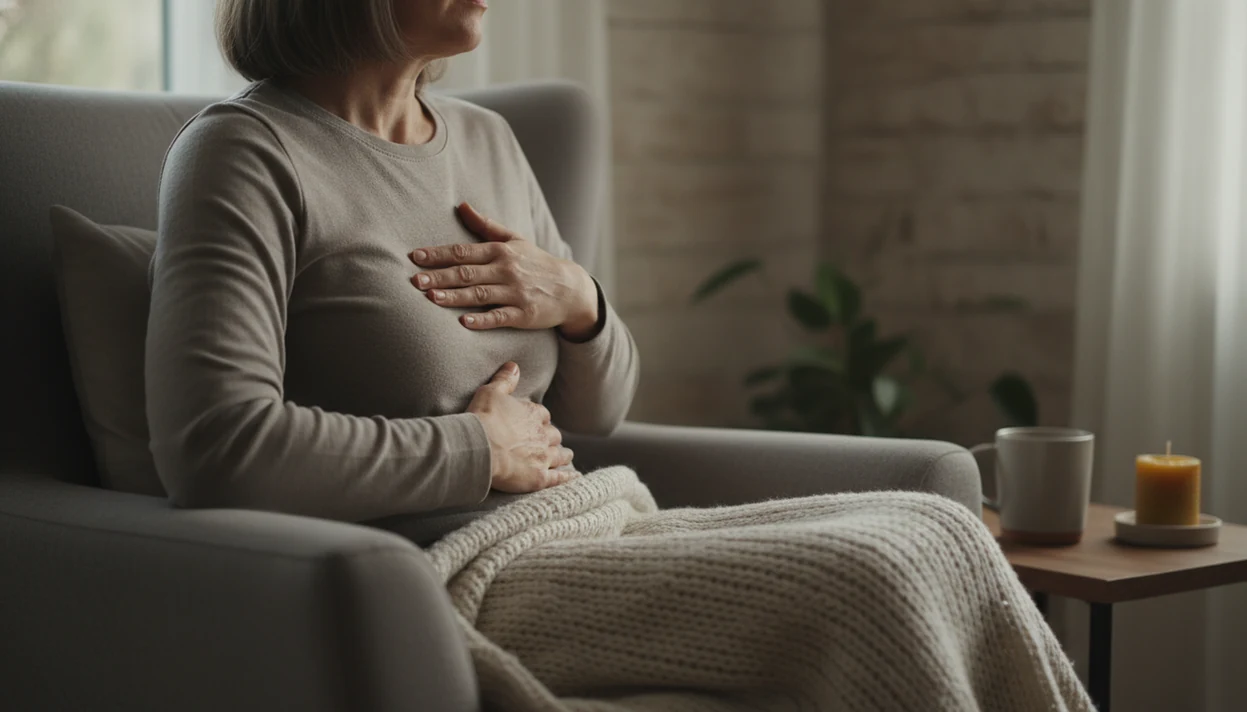
Mindfulness for chronic pain helps you relate to ongoing pain with less fear, tension, and reactivity, even when the pain itself does not fully disappear. It is a secular, skills-based approach that works best alongside medical care, physical therapy, sleep support, and other parts of a pain plan.
This guide is educational and is not a diagnosis, treatment plan, or substitute for care from a licensed clinician. Seek medical advice for new, severe, spreading, or unexplained pain.
> Definition: Mindfulness for chronic pain is the practice of paying steady, nonjudgmental attention to body sensations, thoughts, emotions, and urges so pain becomes less dominating in daily life.
TL;DR
- Mindfulness does not mean chronic pain is imaginary; it trains attention and emotional response so pain feels less overwhelming.
- Research suggests mindfulness-based programs can produce small to moderate improvements in pain, function, coping, and quality of life.
- The most useful practices are often simple: breathing, body scans, mindful movement, and 1–5 minute reset practices during flares.
Mindfulness for Chronic Pain: The Short Practical Answer
Mindfulness for chronic pain is a way to notice pain, thoughts, tension, and emotion without immediately bracing against them. It does not promise to erase pain; it helps change how pain is experienced and how much it takes over the day.
That distinction matters. A flare can still hurt, but the added layer of panic, anger, “what if this never stops,” and muscle guarding may soften. For many people, that means less suffering and more room to choose the next useful action.
The CDC estimated that 20.4% of U.S. adults had chronic pain in 2016, and 8.0% had high-impact chronic pain that limited life or work activities CDC guidance. Chronic pain support matters because pain often touches sleep, mood, movement, and relationships, not just one body part. Clinicians typically recommend using mindfulness as part of care, not instead of diagnosis, medication guidance, physical therapy, or urgent medical help.
Start small.
How Mindfulness for Chronic Pain Works in the Brain and Body
Mindfulness for chronic pain works by training attention, reducing threat reactivity, and changing how the brain processes pain signals. Pain intensity is the “how strong is it?” part; pain unpleasantness is the “how distressing is this?” part.
Those two pieces can move differently. During practice, you might notice burning, pressure, or pulsing, then also notice fear, frustration, or the urge to freeze. Naming those layers can reduce catastrophizing, which means the mind’s habit of predicting the worst. It may also reduce muscle guarding, the protective tightening that can make pain feel larger.
The nervous system learns through repetition. A five-minute phone timer on a kitchen chair is enough to begin. Brain imaging research has found that brief mindfulness meditation can reduce pain intensity and unpleasantness through mechanisms distinct from placebo responses, according to UC San Diego reporting on pain-related brain scans Brain Scans Reveal That Mindfulness Meditation For Pain Is N.
One practical translation: mindfulness trains “notice and return,” not “make pain vanish.” For a plain-language foundation, the what is mindfulness definition guide covers the basic skill.
Five Evidence-Based Facts About Mindfulness for Chronic Pain
- Mindfulness does not mean chronic pain is “all in your head.” It means the brain, body, attention, and stress response all shape the lived experience of pain.
- Evidence for mindfulness-based interventions shows small to moderate benefits for many people, not guaranteed pain elimination. A 2017 meta-analysis found moderate evidence for reduced pain and improved physical functioning and quality of life across low back pain, fibromyalgia, and arthritis PubMed research.
- Brain imaging studies suggest mindfulness affects pain processing through pathways that are not simply placebo. That helps explain why attention practice can feel practical, not imaginary.
- In a multisite trial among veterans with chronic pain, telehealth mindfulness-based interventions increased the likelihood of at least 30% improvement in pain-related function at 10 weeks, 6 months, and 1 year compared with usual care JAMA study.
- Regular practice over weeks to months matters more than one heroic session. A notebook open after practice can help track distress, recovery time, sleep, and activity, not only a pain score.
Best-Fit and Poor-Fit Uses for Mindfulness for Chronic Pain
Mindfulness fits best as a coping and self-regulation tool for persistent pain, especially when pain flares are worsened by fear, stress, sleep loss, or emotional overload. It is a poor fit when it is used to avoid medical evaluation or push through warning signs.
| Situation | Better fit for mindfulness | Not ideal for mindfulness alone |
|---|---|---|
| Pain flares | Brief breathing, grounding, and softening resistance | New severe pain, injury, fever, weakness, or unexplained symptoms |
| Chronic conditions | Support for low back pain, arthritis, fibromyalgia, and mixed persistent pain | Replacing diagnosis, prescribed treatment, or physical therapy |
| Emotional load | Working with frustration, grief, fear, and reactivity | Acute crisis, psychosis, or unsafe thoughts without professional support |
| Movement fear | Gentle awareness during pacing or rehab exercises | Forcing movement beyond clinician guidance |
| Sleep disruption | Bedtime body scan or breath awareness | Ignoring untreated sleep disorders or medication side effects |
For people with trauma histories, eyes-open practice, shorter sessions, or a trained therapist may be safer. Mindfulness practices and meditation techniques for beginners and daily life can deliver steadier awareness and coping skills, not a cure or proof that pain is harmless.
How to Use Mindfulness for Chronic Pain During Daily Life
“How do I use mindfulness for chronic pain when I’m actually hurting?” Start with a short check-in, then choose one practice that lowers reactivity enough to take the next sensible step.
- Pause for 30 seconds before longer meditation. Notice pain level, mood, and the urge to brace or rush.
- Breathe slowly for three cycles. Track one inhale with your fingertips, or feel the ribs widening under a sweater.
- Scan the painful area and nearby areas. Include neutral places too, such as feet on carpet or the back resting against a chair.
- Name sensations in plain words: tight, hot, sharp, dull, moving, pulsing, steady. Leave out the story for a moment.
- Soften one layer of resistance. Unclench the jaw, lower the shoulders, or let the belly move while breathing.
- Choose one next action. Stretch gently, message a clinician, rest, walk to the mailbox, or return to a valued task.
Track what changes in distress, function, and recovery time. The pain number matters, but it is not the whole report.
Mindfulness for Chronic Pain Exercises You Can Try
Brief practices often work better than long sessions during pain spikes. These exercises are secular, beginner-friendly, and easy to adapt.
Three-Minute Breathing Space
Use this during a flare. Spend one minute noticing what is happening, one minute feeling the breath, and one minute widening attention to the whole body. Three breaths before unmuting on a hard work call can count.
Body Scan for Pain Sensations
Try 10 minutes when you have steadier time. Move attention through the body and describe sensations without ranking them as good or bad. Shoulder blades pressing the chair can become a neutral anchor.
Mindful Movement for Guarding
Use slow walking, gentle stretching, or clinician-approved movement. Notice when fear makes the body overprotect, then reduce effort by a small amount.
Other helpful options include RAIN-style emotion labeling: recognize, allow, investigate gently, and nurture. It can help with frustration, fear, or grief around limitations. Image caption suggestion: Seated breathing practice for mindfulness for chronic pain, showing a calm body scan posture without strain.
For everyday routines beyond pain care, our mindful living guide gives simple ways to bring attention practice into ordinary moments.
Mindfulness-Based Pain Management Within a Broader Pain Plan
Mindfulness-based pain management works best as one part of a wider plan. It can support coping, pacing, emotional regulation, and activity choices, but it should not carry the whole load.
Coordination matters. A clinician can evaluate changing symptoms. A physical therapist can help with safe movement and strengthening. A mental health professional can adapt practice when pain is tangled with trauma, depression, anxiety, or grief.
Medication changes should be clinician-guided, never self-directed because meditation feels helpful for a few days. That includes tapering, skipping doses, or mixing over-the-counter medicines with prescriptions. Boring advice, but important.
Practical companions include sleep routines, gentle movement, pacing, heat or cold if recommended, and values-based activity. Values-based activity means choosing one life direction that still matters, then taking a small step toward it. For some people, how to find your purpose can be a useful reflection when pain has narrowed daily life.
When to Seek Medical or Mental Health Help
Seek medical or mental health help when pain changes suddenly, feels unsafe, or comes with symptoms that mindfulness cannot evaluate. Mindfulness can support care, but it cannot diagnose the cause of pain or replace a clinician’s judgment.
- Get prompt medical evaluation for new severe pain, pain after injury, chest pain, shortness of breath, fever, fainting, spreading numbness, new weakness, loss of bladder or bowel control, unexplained weight loss, or pain that is rapidly worsening.
- Call your prescribing clinician before changing medication. Do not stop, taper, skip, combine, or increase doses because a meditation practice seems to be helping or because pain feels frightening.
- Reach for professional mental health support if pain is paired with thoughts of self-harm, feeling unsafe, panic that feels unmanageable, severe depression, hallucinations, dissociation, or inability to function.
- Choose trauma-informed or adapted mindfulness guidance if closing the eyes, body scanning, stillness, or silence increases flashbacks, panic, shame, or numbness. Eyes-open grounding, movement, and shorter practices may be safer.
- Use mindfulness as a companion to diagnosis, treatment, rehab, and support, not as proof that symptoms are harmless.
Mindful.net Support for Mindfulness for Chronic Pain Practice
Tools can help when practice is easy to forget. Mindful.net is a mindfulness app that teaches mindfulness practices and meditation techniques for beginners and everyday life.
For chronic pain, an app should be treated as practice support, not medical treatment. Guided breathing, body scan sessions, and daily reminders can make it easier to repeat the skill when motivation is low. The point is not to perform meditation well. It is to return, gently, after the mind wanders to the grocery list or the next appointment.
Apps such as Mindful.net, Calm, Headspace, and mindful.org resources may help beginners compare styles. A Mindfulness Practices App is most useful when it keeps sessions short, secular, and easy to restart from an ordinary moment: sitting on the bed edge, waiting for water to boil, or breathing through the first minute of a flare. It should never diagnose pain, cure a condition, or replace clinical pain care.
Limitations
Mindfulness has real uses for chronic pain, but it has boundaries. Keep these limits in view:
- Benefits are often small to moderate, not dramatic cures.
- Some people notice better mood, coping, sleep, or recovery time before they notice lower pain intensity.
- Consistent practice over weeks or months is usually needed.
- Mindfulness is not a substitute for diagnosis, urgent medical care, imaging, medication review, or physical therapy when those are needed.
Reset the plan.
What We Usually Suggest
One pattern we repeatedly notice is that people often judge mindfulness for pain too early, especially if the first session makes sensations feel more obvious. We usually suggest starting smaller: one steady breath, one clear anchor, and a short session that ends before frustration takes over. That approach does not guarantee relief, but it tends to make the practice easier to repeat tomorrow.
If This Sounds Like You
- If pain spikes make you hold your breath, start with one steady breath and a single physical anchor; the goal is less bracing, not forced relaxation.
- If you are a parent who only gets a short session, practice for two minutes during a predictable pause rather than waiting for a quiet day that may not come.
- If you are a nurse, musician, athlete, or shift worker with irregular recovery time, choose a repeatable cue such as washing hands, tuning an instrument, or stepping outside after work.
- If body scans make pain feel louder, try mindful walking instead; movement sometimes gives attention one clear anchor without making the sore area the whole focus.
- If mindfulness starts to feel like therapy homework, keep the practice smaller and consider whether therapy, medical care, or pain education is the better next support.
A Decision Shortcut
Mindfulness may help some people relate differently to chronic pain, but it does not answer every pain question. If the pain is changing, unexplained, or linked with fear that feels unmanageable, it is reasonable to prioritize medical or mental health support before adding another practice. The practical question is not “Will this fix pain?” but “Can this help me meet the next few minutes with less struggle?”
What Changes After One Week
| If you... | Try | Why | Note |
|---|---|---|---|
| You notice pain most when resting at night | Brief breath tracking with a soft count | A simple count may reduce the number of decisions when attention keeps returning to discomfort. | If counting becomes frustrating, drop the count and return to plain breathing. |
| You feel restless, trapped, or irritated during sitting practice | Mindful Walking | Walking gives attention rhythm, contact, and direction, which may feel less confrontational than stillness. | Keep the route safe, familiar, and medically appropriate for your condition. |
| You keep switching techniques because nothing feels dramatic | Practice Decision Support | A decision guide can help match the method to the moment instead of chasing the perfect practice. | Changing methods too often can make progress harder to notice. |
A Practical Starting Point
| If you... | Try | Why | Note |
|---|---|---|---|
| Your thoughts race: “What if this never improves?” | Name the thought as planning, fearing, or remembering, then return to one clear anchor. | Labeling may create a little space between pain and the story around pain. | This is not a substitute for therapy when fear feels overwhelming. |
| You push through symptoms until you crash | Pause before the next task and ask, “What pace would reduce struggle by 10%?” | A smaller pace adjustment is often easier to repeat than a dramatic lifestyle change. | Use medical guidance for activity limits, especially after injury or surgery. |
| You feel angry that mindfulness is being suggested at all | Try a 60-second neutral noticing practice: sound, breath, contact, stop. | Neutral anchors can make practice feel less like pretending pain is acceptable. | If the suggestion feels invalidating, bring that reaction into a care conversation. |
Technique Snapshot
| Technique | Best for | Minutes |
|---|---|---|
| Breath counting | Reducing decision load during a short session | 3-5 min |
| Mindful Walking | Restlessness, pacing, or discomfort with still practice | 5-15 min |
| Body scan with choice points | Noticing tension without forcing painful areas to relax | 8-20 min |
The best pain practice is usually the one you can repeat without fighting yourself.
Why Mindful.net fits this specific need
Mindful.net is useful here because chronic pain practice often needs practical choice-making, not just generic calm advice. Readers can use Practice Decision Support at /discover-best-mindfulness-practice to choose a technique, or explore Mindful Walking at /mindful-walking when stillness feels like the wrong starting point.
FAQ
Can mindfulness reduce chronic pain?
Mindfulness may reduce pain intensity for some people, but it more reliably helps reduce distress, fear, and pain-related interference. It works best as part of a broader care plan.
Is chronic pain all mental?
No. Chronic pain is real, and mindfulness does not deny body-based pain signals. It trains attention, stress response, and emotional reactivity so pain may feel less dominating.
How long until mindfulness helps?
Many people need regular practice for several weeks to several months before benefits become noticeable. Short daily practice is usually more useful than rare long sessions.
What is the best pain meditation?
The best pain meditation depends on the moment: breathing space can help during flares, body scan can map sensations, and mindful movement can help with guarding. Beginners often start with 3 to 10 minutes.
Can mindfulness help pain flares?
Yes, brief mindfulness practices can help reduce panic, muscle guarding, and emotional escalation during a flare. They do not replace medical care when symptoms are severe, new, or unsafe.
Is MBSR good for pain?
Mindfulness-Based Stress Reduction and similar programs have evidence for small to moderate improvements in pain, function, and quality of life. Results vary by condition, program quality, and practice consistency.
Can mindfulness replace pain medication?
No. Mindfulness should not replace pain medication or clinical care unless a licensed clinician guides the change. Never stop or taper medication only because meditation feels helpful.
Is mindfulness safe for everyone?
Most people can try gentle breathing or grounding practices. People with trauma histories, psychosis, dissociation, or acute crisis may need adapted support from a qualified professional.
How often should I practice?
A realistic beginner rhythm is a few minutes daily plus brief resets during flares. Mindful.net or another simple timer can help, but consistency matters more than the tool.