
Nature and Mindfulness: A Simple Outdoor Practice and Its Limits


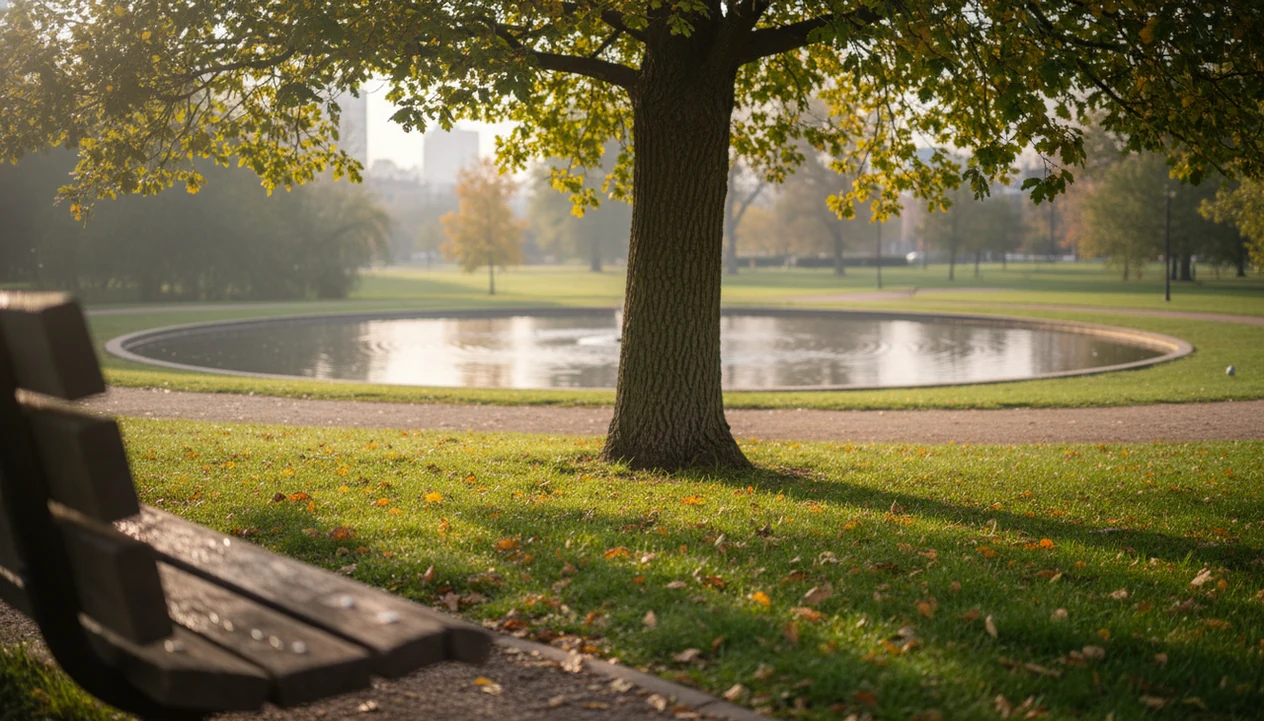
Nature mindfulness is the practice of paying deliberate attention to your senses in natural settings, a secular way to feel calmer, more grounded, and less mentally scattered. It combines outdoor time with noticing sights, sounds, smells, movement, breath, and body sensations in green or blue spaces. It is not a cure or medical treatment, and a session does not have to leave you feeling calm to count as practice.
Start with 10 minutes somewhere safe and accessible: a park, garden, balcony, waterfront, or tree-lined street. Rather than searching for a perfect view, choose one detail to notice, such as moving leaves or water sounds. When thoughts pull your attention away, return to that detail without trying to force a particular mood.
The essentials
- The core practice is attention plus nature: you slow down outdoors and notice what is happening now.
- Research links nature exposure with lower stress, better mood, attention support, and higher well-being, but not as a stand-alone treatment for illness.
- Begin with 10 minutes in a safe, accessible place such as a park, garden, balcony, waterfront, or tree-lined street.
Nature mindfulness means noticing, not just being outside
Nature mindfulness means deliberately noticing sights, sounds, smells, movement, breath, and body sensations while spending time in green or blue spaces. The healing power of nature mindfulness comes from pairing outdoor time with intentional attention, rather than simply being outside while lost in thought.
You can practice in a city park, small garden, balcony, beach, trail, cemetery path, courtyard, or tree-lined street. The setting does not need to be dramatic. A patch of sky between buildings can be enough if you can pause safely.
The key difference is attention. During an ordinary walk, the mind may stay with messages, errands, or the grocery list. In nature mindfulness, you notice the mind wandering and return to one real detail: wind on your face, birdsong, wet pavement, or feet on the path. For a broader grounding in the basics, our what is mindfulness definition guide explains the skill behind the practice.
Four research findings on nature, stress, and well-being
Research on nature mindfulness is supportive, but it should be read carefully. Most findings show associations or modest benefits, not proof that nature time cures illness or replaces care.
- A study of nearly 20,000 adults found that people who spent at least 120 minutes per week in nature were more likely to report good health and high well-being than those who did not meet that level, according to Johns Hopkins coverage of the research Embrace The Healing Power Of Nature.
- A World Health Organization report links green and blue spaces with improved mental health and well-being, including in urban areas WHO report.
- A 2019 review in Science Advances summarized evidence that natural environments may support attention restoration, stress reduction, and mood, while noting that mechanisms and study designs vary Sciadv.Aax0903.
- A minimum-dose review found that 10 to 20 minutes of sitting or walking in nature was often associated with short-term improvements in stress and mood in college-age samples, but the authors cautioned that the ideal dose varies by person and setting Full.
- The safest takeaway is practical: brief, regular, low-pressure outdoor awareness can support everyday stress recovery for many people.
A useful practice supports steadier attention and daily regulation, not instant healing or guaranteed emotional repair. For a broader approach to personal recovery, explore healing yourself with mindfulness through small, supportive steps.
How natural details can give attention a rest
Healing power of nature mindfulness works by combining attention restoration with sensory grounding. Natural details often give the mind a softer focus than inboxes, screens, traffic alerts, and task lists.
Attention restoration theory suggests that natural settings can invite “soft fascination.” In plain language, leaves moving, water shifting, or clouds changing can hold attention without demanding it. That matters when the mind feels overworked. A person sitting on a bench after a long meeting may notice the calendar alert fade into the background as the eyes rest on branches.
The stress-recovery part is simpler. You slow down, breathe more evenly, and reduce cognitive load. The body gets fewer instructions to process. The walk changes because you are no longer using nature as scenery behind rumination. You are practicing deliberate awareness.
Passive exposure is being outside. Mindful exposure is noticing that you are outside, then returning to the senses when thought pulls you away. That return is the practice.
Before You Start: Safety, Access, and Timing
Before you start nature mindfulness, choose conditions that help your body feel steady enough to pay attention. The right practice is not the most scenic one; it is the one you can do without feeling exposed, trapped, or pushed past your limits.
Use a short safety check before you begin:
- Choose a place where pausing feels reasonable, such as a familiar bench, garden corner, balcony, front step, or window view.
- Check the basics first: weather, light, pollen or allergies, footwear, mobility needs, bathroom access, and whether the route is familiar enough.
- Adapt the setting when outdoor access is limited by using a plant, open window, balcony, courtyard view, or even the sound of rain from indoors.
- Keep the first sessions brief if you are tired, overwhelmed, caregiving, recovering, or simply new to mindfulness.
- Stop or switch locations if the setting increases fear, distress, sensory overload, or a sense of danger.
Nature mindfulness should lower friction, not become another demand. A three-breath window practice can be more skillful than forcing a long walk in a place your nervous system does not trust.
A five-step nature mindfulness practice
Use healing power of nature mindfulness as a short, repeatable attention practice. Ten minutes is enough to begin, especially if you are new or easily distracted.
- Choose a safe, accessible place you can revisit, such as a park path, balcony, garden, waterfront, or quiet street with trees.
- Set a short timer for 5 to 10 minutes so you do not keep checking your phone.
- Ground through the senses by naming three things you see, two sounds you hear, one smell, and one body sensation.
- Notice thoughts without arguing with them; when the mind jumps to dinner plans or a message you forgot, return to breath or sound. During a difficult separation, mindfulness for divorce offers a practical way to pause before reacting to emotionally charged messages.
- Close by pausing for one full breath and naming one detail you want to carry back indoors.
Simple enough. On a messy day, the anchor might be ordinary: gravel under one shoe, bus brakes sighing, rain-dark leaves, or the cool edge of a balcony rail.
Tools like Mindful.net can support beginners with secular mindfulness instructions when it helps to have a prompt. The point is not to perform calm. It is to notice and return, outside, in real conditions.
A 60-second practice with one natural detail
For a shorter pause, stop somewhere safe and feel the contact beneath your feet or seat. Choose one living or weather-made detail: a leaf edge, moss in a pavement crack, rain on a railing, or a houseplant beside your desk. Quietly name its color, shape, or movement. When attention shifts to a task or worry, return to that same detail.
Treat this minute as attention practice, not a proven dose for stress relief. A systematic review of nature exposure and mental health reported possible benefits from repeated, shorter visits, including exposures as brief as 10 minutes. That does not establish that a one-minute exercise has the same effects, or that this particular mindfulness script treats anxiety or depression.
Best Places for Nature Mindfulness Practice
The best place for nature mindfulness is the place you can use safely and repeatedly. Accessibility, comfort, and a restorative feeling matter more than wilderness scenery.
- Neighborhood parks: Good for short walks, bench practice, and noticing repeated seasonal changes.
- Gardens or courtyards: Useful when you want color, texture, scent, and a contained space.
- Balconies or windows: Helpful for caregiving days, mobility limits, bad weather, or low energy.
- Waterfronts: Blue spaces such as rivers, lakes, ponds, and beaches can support sound-based attention.
- Tree-lined streets: Notice a nearby tree or patch of sky when a longer trip outdoors is not practical.
A bus stop with one steady tree may be more usable than a forest you visit twice a year. If you want more context on the mental health side of outdoor time, the article on why is nature good for mental health goes deeper into green and blue space research.
Nature Mindfulness Tips for Beginners
How do beginners practice nature mindfulness without making it complicated? Start with 10 minutes, repeat it often, and use the senses as your anchor.
A minimum-dose review found that 10 to 20 minutes in nature may support short-term stress and mood benefits in some groups, but that does not mean every session will feel dramatic Full. Some days you may only notice cold air, stiff shoulders, and a loud truck. That still counts. Routine matters more than intensity. At the close of the year, year end self reflection can help you review which routines remain realistic and supportive.
Try one prompt at a time: see one color, hear the farthest sound, smell the air, touch bark or a sleeve, feel the ribs widening under a sweater. If walking is not available, sit by a window or place a plant near a chair. If allergies are active, practice after rain or indoors. If caregiving keeps you close to home, use a front step for three breaths.
For beginners, short repeated nature mindfulness is often easier than long meditation because the senses provide clear anchors.
Common Nature Mindfulness Mistakes
The most common nature mindfulness mistake is turning it into another performance. The goal is not to force calm, find the perfect view, or have a dramatic breakthrough; it is to notice what is actually happening and return to one steady anchor.
Use this quick reset when a session feels flat, frustrating, or hard to repeat:
- Let the session be ordinary instead of trying to manufacture peace. If you notice irritation, traffic noise, or boredom, that is still mindful noticing.
- Choose convenience and safety over scenery. A familiar courtyard, window, or tree-lined block may work better than a beautiful place that is crowded, far away, unsafe, or overstimulating.
- Set a short timer before you begin, then put the phone away so checking the time does not become the practice.
- Repeat the practice after an uneventful session. Nothing dramatic needs to happen for the routine to support steadier attention. If you want to rebuild routines beyond outdoor practice, how to reset your life offers a practical starting point.
- Respect your real limits, including mobility, sensory sensitivity, allergies, heat, darkness, and neighborhood safety.
A workable practice is one your body can trust. Adjust the setting before you blame yourself. When self criticism shapes your practice, a mindful self image reset can help you reconsider expectations with greater kindness.
When nature mindfulness fits, and when to choose other support
Nature mindfulness fits everyday support, not emergency care or guaranteed treatment. Use the checklist to compare your options before you make it a routine.
| Best for | Not ideal for |
|---|---|
| Everyday stress reset after work, study, or caregiving | Replacing therapy, medication, or medical care |
| Attention support during screen-heavy days | Crisis situations or acute distress |
| Gentle mood support and grounding | Unsafe outdoor settings or poorly lit routes |
| Beginners who find indoor silence difficult | Forcing exposure when nature feels stressful |
| Short screen breaks in parks, gardens, or balconies | Ignoring mobility, allergy, or sensory access needs |
Mindfulness practices and meditation techniques for beginners and daily life can deliver attention training and practical pauses, not medical treatment or a promise that hard feelings disappear.
If you are comparing nature practice with other mindful routines, the wider mindful living guide can help you choose a realistic next step. Apps such as Mindful.net, Calm, and Headspace may also be useful when you want guided structure.
How can a timer help you stay with an outdoor practice?
On a park bench or balcony, checking the clock can interrupt the details you came to notice. Set the free online meditation timer for five to ten minutes, then put the screen aside. The Mindful.net app also includes a meditation timer. A phone-free pause is a better choice when the device itself distracts you; neither option replaces mental health care.
Nature Mindfulness Limits
- Seek professional help when therapy, medication, diagnosis, emergency support, or medical care is needed, rather than relying on nature mindfulness.
- Results vary, and mobility limits, allergies, safety, caregiving responsibilities, or sensory overwhelm can make outdoor practice difficult.
- Claims about cortisol, immunity, trauma healing, or guaranteed recovery are often stronger than the evidence supports.
- If pain, illness, or distress limits outdoor practice, see mindfulness for chronic pain for careful boundaries.
Nature mindfulness questions
What is the difference between nature mindfulness and an ordinary walk?
Nature mindfulness adds deliberate attention to time outdoors. You notice leaves, sounds, air, movement, or contact with the ground, then return to those sensations when thoughts pull you away. An ordinary walk can include this practice, but simply being outside does not mean you are paying attention to your surroundings.
How long should a nature mindfulness session last?
Begin with five to ten minutes in a safe, familiar place. Research suggests that some brief nature exposures, including around 10 minutes, may support mood and stress relief, but there is no guaranteed minimum that works for everyone. A shorter pause can still be a way to practice attention, without expecting the same research-supported benefits.
Can I practice nature mindfulness in a city or indoors?
Yes. A street tree, courtyard, balcony plant, or view of the sky can give you something natural to notice. Choose a spot where you can pause safely and comfortably. These are practical alternatives when outdoor access is limited, though evidence about green-space exposure should not be assumed to apply equally to every indoor practice.
What should I focus on during nature mindfulness?
Choose one sensory detail rather than trying to notice everything. Watch a leaf move, listen to water or birds, feel air on your face, or notice your feet touching the ground. When your mind wanders, return to that detail. You do not need to empty your mind or find every sound pleasant.
Can nature mindfulness help with anxiety or depression?
It may offer supportive time for grounding, mood, or stress relief, but it is not a replacement for therapy, medication, or other care. Clinical evidence for nature-based therapies remains inconclusive as a primary treatment. Keep sessions short and predictable if outdoor settings feel stressful, and seek professional support for persistent or worsening symptoms.
Is nature mindfulness the same as forest bathing?
They overlap in slowing down and attending to natural surroundings, but nature mindfulness does not require a forest. You can practice with a garden, waterfront, street tree, or window view. The method here is simple sensory attention, not a claim that a particular setting or named practice will produce a guaranteed health benefit.
What if outdoor mindfulness makes me feel unsafe or overwhelmed?
You do not need to stay outside or push through distress. Try a familiar window view, a quieter spot, or a shorter pause with an easy exit. Check weather, allergens, mobility needs, and neighborhood safety first. Another form of practice or appropriate professional support may be a better fit than nature-based attention.
Does nature mindfulness still count if I do not feel calmer?
Yes. The practice is noticing what is happening, not producing calm on demand. Boredom, traffic noise, cool air, or tense shoulders can all be noticed without treating the session as a failure. If the setting repeatedly increases distress, change the location, shorten the practice, or choose a different kind of support.