
How to Share Mindfulness With Clear Instructions and Choice


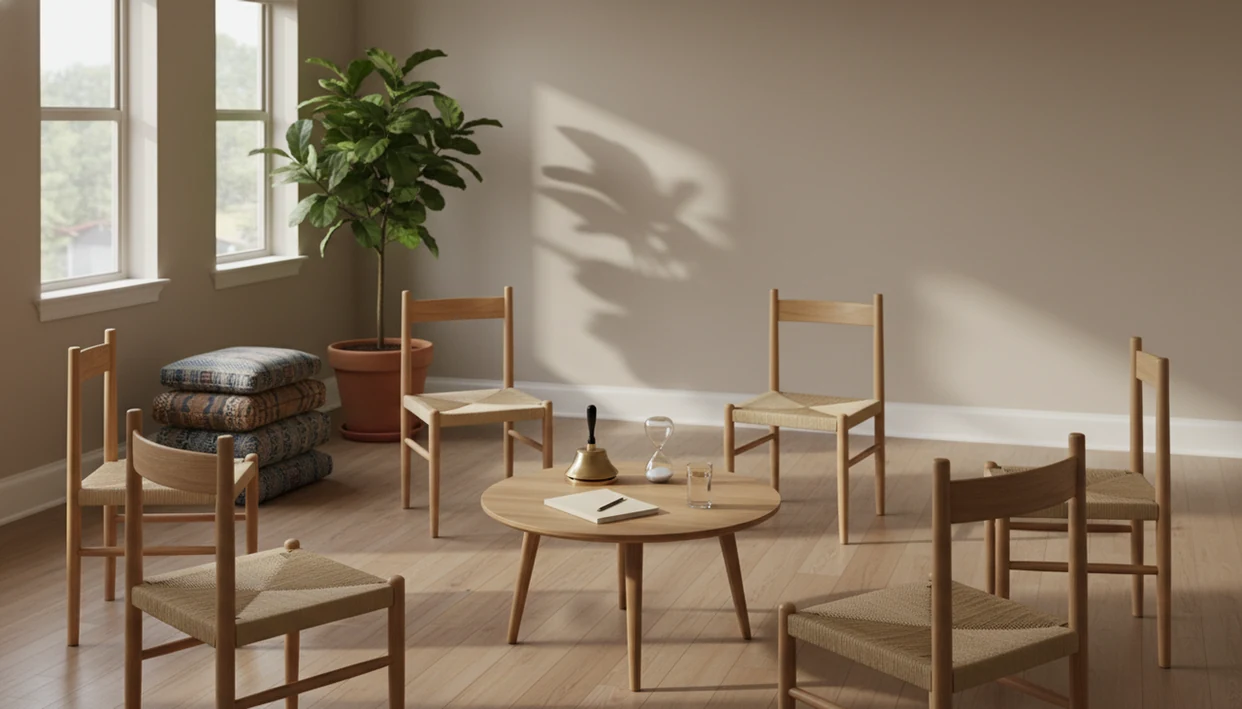
To share mindfulness with others, build your own regular practice, explain it in plain secular language, and offer short exercises that people can adapt or stop. Teaching mindfulness means helping people notice present-moment thoughts, emotions, body sensations, and surroundings with curiosity and less judgment. You are guiding attention, not acting as a therapist or spiritual authority.
Begin with 3-10 minutes of breathing, listening, body awareness, or a mindful daily task. Explain the exercise before starting, offer choices such as eyes open or attention to sound, and leave time for reflection without requiring anyone to share. Keep the goal modest: practicing everyday awareness, not producing calm on demand. Mindfulness can support well-being, but it does not replace medical or mental health care.
The essentials
- Begin with your own practice before guiding anyone else.
- Use short, choice-based exercises such as breathing, body scans, listening, and mindful daily tasks.
- Stay within scope: mindfulness can support well-being, but it is not a substitute for medical or mental health care.
Teach present-moment awareness, not therapy
Teaching mindfulness means helping people practice present-moment awareness without turning you into a fixer, therapist, or spiritual authority. The work is simple, but it asks for care.
Field note: mindfulness is the practice of noticing present-moment experience with less automatic judgment. That might be breath, hallway perfume, a shirt sleeve brushing skin, dry lips, a worried thought, or the feeling of heavy legs after caregiving. You are not asking people to approve of everything they notice. You are helping them observe clearly enough to have a little more choice about what happens next.
Mindfulness is not making the mind blank. It is not escaping problems, diagnosing pain, or telling someone what their feelings mean. If someone wants a broader foundation first, a what is mindfulness definition guide can help keep the language grounded.
Beginner-friendly guides or apps can support secular learning, but the heart of teaching is still human: guide, pause, listen, and don’t overreach.
Five Facts Before You Teach Mindfulness To Others
Before you teach mindfulness, keep five variables in view: your own practice, short instructions, normalization, choice, and reflection.
- Practice before teaching. A teacher should have a regular personal mindfulness practice, even if it is a five-minute phone timer on a kitchen chair.
- Start short. Begin with 3-10 minute practices before longer sessions; most beginners learn better in small doses.
- Wandering is normal. The teachable moment is noticing the grocery list thought and returning, not staying focused forever. If repetition feels dull, understanding why meditation feels boring can help beginners adjust expectations without forcing themselves to continue.
- Choice is safety. Offer eyes open, movement, external anchors, and permission to stop.
- Reflection transfers learning. Guided practice plus a short debrief helps people connect mindfulness to home, school, work, and relationships.
Per the CDC, about 17.3% of U.S. adults had ever used some form of mindfulness meditation in 2017, which means many people have heard of it, but may still need clear basics CDC guidance.
Help people notice, return, and reflect
Mindfulness teaching works through a learning loop: notice attention, name what is present, return gently, then reflect on how that skill applies outside practice. That loop is teachable because attention and body awareness can strengthen through repetition. Reviews of mindfulness research describe attention regulation, body awareness, emotion regulation, and changes in self-related processing as plausible mechanisms, though effects vary by population and program design Nrn3916.
The basic mechanism is attention training. A person notices that attention has moved, perhaps from breathing to the next care task, then returns to an anchor without scolding themselves. Body awareness and emotion labeling add another layer. “Heavy legs,” “sadness,” or “planning” becomes data the person can work with, not an instruction they must obey.
Small cues help the skill travel. A recipe card on the counter, a diaper bag strap on the shoulder, or a pause between gardening clients can become a reminder to notice one breath and one body sensation. After practice, ask, “Where might this be useful today?” Evidence for mindfulness is promising, but usually small to moderate rather than miraculous. Beginner practices and everyday mindfulness exercises train repeatable awareness skills; they do not promise instant calm or replace clinical treatment. Exploring whether meditation can change your life helps put everyday practice and realistic expectations for lasting benefits into perspective.
The pause is ordinary. That is the point.
Six Steps To Teach Mindfulness To Others
To teach a beginner mindfulness session, use a short, choice-based structure that explains the practice, guides attention, normalizes distraction, and ends with reflection. Keep your voice plain and your instructions brief.
- Set a simple intention. Explain the exercise in one or two sentences, such as “We’ll practice noticing sound for three minutes.”
- Invite choice. Offer sitting, standing, eyes open or closed, and full permission to skip or stop.
- Guide one anchor. Use breath, sound, or feet on the floor; a three-minute breathing pause before opening a laptop is enough.
- Normalize wandering. Say that minds move, and the practice is to notice and return gently.
- Ask brief reflection questions. Try “What did you notice?” and “Was any part uncomfortable or useful?”
- Suggest one daily-life practice. Ask people to try one mindful transition, such as pausing before entering a room. At bedtime, a mind full vs mindful reset can turn a busy evening transition into a brief awareness practice.
For beginners, a short guided practice is often easier than silent meditation because the next step is clear.
Explain possible discomfort before starting
Consent needs more than permission to keep eyes open. Before practice, explain that meditation can sometimes bring distressing thoughts, emotions, or bodily sensations, including anxiety or difficult memories. Make clear that participants can change the exercise, pause, or stop without penalty. The NCCIH guidance on meditation safety describes meditation as generally low risk, while emphasizing that too few studies systematically assess harms to establish definite safety claims.
Avoid presenting a single percentage as someone's personal risk. A 2020 systematic review of meditation-related adverse events covered 83 studies involving 6,703 participants and estimated a pooled prevalence of 8.3%. Estimates differed substantially between experimental and observational studies. These findings support honest disclosure, but they do not establish the risk of a brief listening exercise with friends or tell you who will experience difficulties.
Five Beginner Mindfulness Practices For Groups
Choose beginner mindfulness practices by matching the exercise to the setting, comfort level, and purpose of the group. Short, concrete practices usually work better than abstract talks.
- Breath counting. Count each exhale from one to five, then start again. Choose this for simple attention training when the group feels settled.
- Body scan. Guide attention through body areas, but allow people to skip places or use sound instead. This helps body awareness, but can feel too intimate for some.
- Mindful listening. Invite people to notice nearby and distant sounds without labeling them good or bad. It fits classrooms, teams, and relational work.
- Five senses exercise. Ask people to name what they see, hear, feel, smell, and taste. Use it for grounding when stillness feels hard.
- Everyday mindfulness. Practice eating, walking, washing hands, or transitions. The mindful living guide gives more examples for ordinary routines.
A kitchen timer beside a mug can teach more than a long lecture.
Mindfulness Teaching Settings: Adults, Schools, Workplaces, And Families
Mindfulness teaching fits best where people consent to practice and the goal is attention, pausing, self-awareness, or everyday stress skills. It does not fit situations where someone needs diagnosis, trauma treatment, or pressure to participate.
| Setting | Best practice | Caution | Session length |
|---|---|---|---|
| Adults | Breath, sound, or daily-life pauses | Avoid therapy claims | 5-15 minutes |
| Schools | Senses, listening, short movement | Never force stillness or eyes closed | 2-8 minutes |
| Workplaces | Transition pauses, mindful listening | Keep it optional and non-religious | 3-10 minutes |
| Families | Simple routines, gratitude, walking | Avoid correcting children’s emotions | 2-5 minutes |
| Beginners | External anchors and reflection | Watch for discomfort or overwhelm | 3-10 minutes |
School and workplace trials have reported improvements in attention, behavior, stress, or well-being, but results vary by program and context. For adults, practical framing matters. A steering wheel under the hands can become a cue to breathe before driving away.
Four-Session And Eight-Week Mindfulness Curriculum For Others
A mindfulness curriculum should move from concrete attention anchors to more complex skills like emotions, thoughts, communication, and daily-life practice. Increase complexity only after people have confidence with the basics.
A simple four-session sequence
Session one can teach breath or sound. Session two can introduce body awareness, with permission to skip areas. Session three can use the five senses and simple emotion naming. Session four can connect mindfulness to conversations, transitions, and home practice.
Keep it short. Early light on the wall, one breath, one sound, one return.
A longer eight-week sequence
An eight-week sequence might progress through breath, body scan, senses, emotions, thoughts, communication, compassion, and everyday mindfulness. Each session should include a guided practice, plain-language teaching, reflection, and one home exercise. For a longer home practice structure, a 12-week mindfulness plan can help organize small daily exercises.
Mindfulness usually works best when people repeat a simple practice in real settings, while longer curricula fit groups ready for structure and follow-up. The 21/90 rule for mindfulness habits offers another framework for repetition, without treating fixed timelines as guarantees.
Difficult Reactions During Mindfulness Teaching
If someone becomes upset during mindfulness, pause the practice and offer choice, grounding, and respect. Do not probe for trauma stories or interpret what their reaction means.
Say clearly that people can stop, open their eyes, move, stand, or choose another anchor. External anchors often help. Invite them to notice a sound in the room, a color on the wall, or contact with the chair. A steady voice matters more than extra explanation.
Respond with validation: “Thank you for noticing that. You don’t have to continue.” Then offer practical options, such as stepping out, drinking water, or returning to a neutral sensory cue.
Refer to a qualified professional when distress is intense, persistent, or linked to trauma, psychosis, severe depression, substance use, or self-harm risk. Mindfulness can help some people relate differently to feelings, but pushing through distress can backfire. For emotional safety context, the dangers of suppressing emotions are worth understanding.
Follow up when distress continues after practice
A reaction that settles after stopping differs from symptoms that continue or interfere with daily life. Check in after practice and again at later sessions, without requesting a trauma history in front of the group. Ask when the difficulty began, how intense it is, how long it lasts, and whether it affects sleep or everyday functioning. Clinical guidance on mindfulness-program safety supports monitoring and prompt communication when a participant deteriorates.
Persistent symptoms, impaired functioning, or severe reactions call for a licensed mental health professional, not more meditation instructions. Suicidal thoughts require urgent professional help. Do not diagnose, recommend medication changes, or try to process traumatic memories yourself. Formal programs need trained teachers, supervision, and referral arrangements. The guidance supports these safeguards but does not establish one universally validated screening tool or response protocol for every teaching setting.
Common Mistakes When Teaching Mindfulness
Pressuring people to sit still, feel calm, share emotions, or accept exaggerated claims can undermine a mindfulness session. Safer teaching is simpler, more optional, and more concrete.
- Offer choice before practice. Say that eyes may stay open, bodies may move, and anyone can pause, stop, or use a different anchor.
- Avoid promising outcomes. Do not sell mindfulness as guaranteed calm, healing, productivity, or treatment. Frame it as practice in noticing and returning.
- Use plain language. With secular beginner groups, skip abstract spiritual phrases unless the group asked for that frame. “Notice your feet” usually lands better than “raise your vibration.”
- Build in grounding. Provide alternatives such as sound, sight, touch, standing, or looking around the room, especially before breath or body-focused work.
- Practice sooner. Keep the opening explanation short, then guide a two- or three-minute exercise. People learn the rhythm by trying it, not by hearing a long lecture about it.
A good session leaves people with permission, not performance pressure.
Prepare your pacing with guided practices
A mindfulness app can be useful as optional support while you build consistency before guiding others. Use it to observe pacing, plain-language cues, and how short practices are structured, not as a substitute for training, supervision, or clinical judgment.
Use guided practices to prepare yourself, not to outsource responsibility for the group. Notice how beginner instructions are paced, how pauses are used, and how simple phrases make practice easier to follow. Voice prompt fading into silence can be a useful model for your own timing.
Apps such as Calm, Headspace, mindful.org, and Mindful.net can help you compare teaching styles. Treat any Mindfulness Practices App as optional support, not required training or a clinical tool.
Timing a short practice before you lead others
Before guiding a brief breathing exercise, rehearse the timing and leave space between instructions. The free breathing timer can help structure that preparation, while the Mindful.net app offers short guided sessions. Neither provides teacher training or clinical supervision. Keep breathing comfortable rather than requiring a set rhythm, and offer sound or another external anchor when breath focus feels uncomfortable.
Limits of Sharing Mindfulness
- Mindfulness should not replace therapy, medication, crisis care, or medical advice.
- Evidence is mixed, with small to moderate effects rather than universal benefits, as discussed in the JAMA study.
- Breath or body focus can trigger some people, especially those with a trauma history.
- Seek qualified care for severe, persistent, risky symptoms or daily impairment, reading how meditation supports health with these limits.
Questions about sharing mindfulness
Can I share mindfulness without being a qualified teacher?
You can invite a friend to try a brief, optional awareness exercise without presenting yourself as a qualified teacher. Explain what you are offering and stay within your competence. Leading a structured program or working with clinical needs calls for relevant training, supervised experience, and clear referral arrangements.
What mindfulness exercise should I teach first?
Choose one concrete anchor, such as nearby sounds or contact between feet and the floor. Breath counting is another option when participants are comfortable with it. Explain the task briefly and offer an alternative. A body scan may feel too intimate for some people, so it need not be the starting exercise.
Should people close their eyes during mindfulness?
No. Offer eyes open or closed, along with permission to move, stand, or stop. Closing the eyes is not a requirement for paying attention. Someone who finds inward focus uncomfortable can attend to a sound or color in the room instead. State these options before beginning, rather than waiting for distress.
How do I share mindfulness with someone who is not interested?
Offer an invitation, not a persuasion campaign. Explain the exercise and let the person decline without needing to justify their choice. Do not promise that mindfulness will fix stress or make them calmer. In families, schools, and workplaces, participation should remain optional rather than becoming a test of cooperation.
How do I teach mindfulness to children?
Keep instructions concrete and practices short, using listening, the senses, or gentle movement. For school settings, the suggested starting range is 2-8 minutes. Never force stillness or closed eyes. Offer a way to sit out, and avoid treating the exercise as therapy or requiring children to disclose personal feelings.
What should I do if someone becomes upset during mindfulness?
Pause the exercise and tell them they do not have to continue. Offer practical choices: opening their eyes, moving, noticing a sound, or stepping out. Do not ask for trauma details or interpret the reaction. If symptoms persist, affect daily functioning, or become severe, help them seek professional support.
Does mindfulness always make people feel calmer?
No. Mindfulness is practice in noticing experience, not a guarantee of relaxation. People may notice restlessness, sadness, anxiety, or difficult memories. Research also documents adverse effects, with estimates varying by study and reporting method. Make room for neutral or uncomfortable experiences, but do not encourage someone to push through worsening distress.