
Mindfulness for Parents of Disabled Children: Short Practices for Caregiver Stress


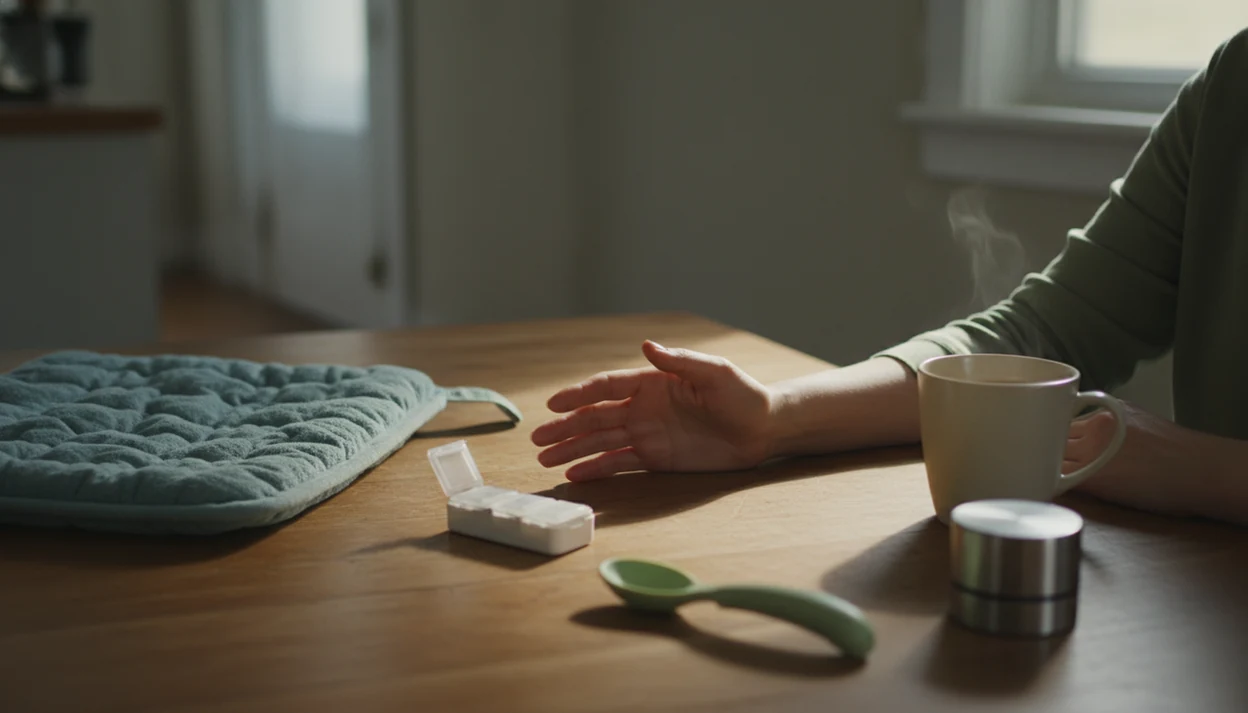
Mindfulness for parents of disabled children means using brief, present-moment attention practices to meet caregiving stress with more awareness, steadiness, and self-kindness. A practice might be noticing your feet on the floor before a school call, or taking a few comfortable breaths while waiting at a clinic. The aim is to notice what is happening and give yourself a moment to choose your response, not to feel calm all the time.
Mindfulness is not a cure for disability or a replacement for therapy, respite care, disability services, or crisis support. It can be a practical, secular coping skill alongside those supports. Start with something that fits the care you are providing: 30 seconds of grounding, a short breathing pause, or mindful walking when it is safe to do so.
Definition: Mindfulness for parents of disabled children means using brief, present-moment attention practices to meet caregiving stress with more awareness, steadiness, and self-kindness.
The essentials
- Research suggests mindfulness programs can reduce stress, anxiety, and depression in parents of children with disabilities.
- The most useful practices are short and realistic: 30-second grounding, 3-minute breathing, mindful walking, and pausing before reacting.
- Mindfulness supports coping and parent-child interactions, but it does not replace therapy, respite care, disability services, or crisis support.
What research says about parents' stress and mood
- Mindfulness has evidence for reducing parental stress, anxiety, and depression in parents of children with disabilities.
- A Vanderbilt University randomized trial of 243 mothers of children with autism or other developmental disabilities found reduced stress, depression, and anxiety after a 6-week program, with benefits maintained at 6-month follow-up PubMed research.
- A 2017 systematic review found consistent reductions in stress, anxiety, and depression, plus increases in acceptance and mindful awareness; the authors also noted limits in study size and methods PubMed research.
- Child outcomes may improve indirectly when parents recover faster, pause before reacting, and respond more consistently. For everyday interactions, mindful parenting tips can support calm communication and clear limits suited to your child’s needs.
- Mindfulness does not treat a child’s disability or make support needs disappear.
Start with a brief practice you can repeat during an existing care routine.
Noticing stress before you react
Mindfulness works by training attention, body awareness, nonjudging, and the pause before reacting. In plain terms, it gives your nervous system a little more room before the next email, medication reminder, school call, or hard conversation.
Caregiver stress often moves in a quick chain: something happens, warm cheeks or tense calves show up, the mind jumps ahead, and the next response is already forming. A mindful pause gives you a small space inside that chain. You might notice a shirt sleeve brushing your skin while a clinician explains the next step, feel the weight of a hospital clipboard in your hands, or take one steady breath before walking toward your child.
Brief practice counts here. A useful beginner practice helps you notice stress and choose a steadier response; it does not promise constant calm or solve the family's care needs. Tools like Mindful.net teach secular mindfulness practices and meditation techniques for beginners and everyday life, alongside broader basics such as what is mindfulness definition.
Fitting short practices into daily care
The easiest way to use mindfulness in daily care is to pair it with moments that already exist. Don’t wait for ideal silence. An airport security line, a clinic hallway, the few seconds before signing a form, or the warmth of a ceramic mug between your hands can all become practice points. Small routines can also include teaching gratitude to children, without expecting positivity during painful or exhausting moments.
- Set a tiny goal: Choose 30 seconds or 3 minutes, not an ideal hour-long routine.
- Choose an anchor: Use breath, feet on carpet, sounds in the room, or one hand resting on your leg.
- Practice during an existing routine: Try one mindful breath before opening the laptop, making a call, or entering an appointment. If evenings allow, adapt bedtime meditation for children to your child’s comfort, communication style, and support needs.
- Name the feeling: Say silently, “anger,” “fear,” “tired,” or “guilt,” then return to the anchor.
- Reset after hard moments: If you snapped, pause, breathe once, repair if needed, and begin again. Gentle gratitude in parenting can mean noticing one supportive moment without denying frustration or the need for help.
Notebook open after practice. Two lines are enough.
For parents with very little time, 30-second grounding is often easier than formal meditation because it can happen inside caregiving, not outside it.
Choosing a mindfulness course you can actually access
Before joining a course, ask how its materials and attendance requirements fit your caregiving responsibilities. Useful options include audio-only practices, captions, transcripts, plain-language instructions, and seated or movement-free exercises. Flexible sessions that you can access on your own schedule may be more workable than a fixed class requiring uninterrupted private time.
Caregiver programs can adapt delivery without changing the core skills of attention, emotional labeling, self-kindness, and deliberate action. An adapted eight-week caregiver course protocol supports tailoring practice to caregiving demands, but concerns dementia caregivers rather than parents of disabled children. Agree on accessible formats with the provider; do not assume every course offers them.
Grounding during loud, tiring, or unpredictable moments
Use mindfulness during hard moments as a short stabilizing action, not a demand to feel peaceful. These adaptations work better when caregiving is unpredictable, loud, or physically tiring.
Thirty-second grounding
Choose one clear contact point and stay with it for a few breaths: calves working as you stand in line, fingers holding a backpack strap, hands resting on a wheelchair handle, or palms around a warm mug.
Eyes-open practice
Eyes-open mindfulness is valid. Parents who need to watch a child, monitor equipment, or stay alert should keep their gaze soft and steady.
Mindful pause before reacting
Before a meltdown response or difficult school conversation, take one breath and feel the exhale. The pause may not change the situation, but it can change the first sentence you say.
Sound-based mindfulness can help when sitting still is impossible. Notice three sounds in a hospital hallway or while walking to the car. If stress shows up as body pain, our guide to mindfulness for chronic pain may also feel relevant.
Matching a coping practice to the support you need
Mindfulness is best used as a coping and attention skill, not as a replacement for care, advocacy, or rest. The table below sets realistic expectations.
| Fit | What mindfulness can support | What it should not replace |
|---|---|---|
| ✅ Brief coping tools | 30-second grounding, 3-minute breathing, mindful walking | Respite care or practical help |
| ✅ Emotional recovery | Noticing anger, grief, fear, and guilt without adding shame | Therapy for significant distress |
| ✅ Less reactive caregiving | Pausing before yelling, withdrawing, or overexplaining | Disability services or school advocacy |
| ⚠️ Trauma histories | Modified eyes-open, choice-based, body-neutral practices | Trauma treatment with a qualified clinician |
| ❌ Crisis risk | A small grounding tool while getting help | Emergency care, crisis support, medication, or medical advice |
Clinicians typically recommend professional support when severe depression, PTSD symptoms, suicidality, or safety concerns are present. Mindfulness can sit beside that care, but it cannot carry it alone.
If you are worried you might hurt yourself, your child, or someone else, treat that as urgent. In the U.S., call or text 988 for crisis support; outside the U.S., contact local emergency services or a local crisis line.
When to Seek Professional Help or Crisis Support
Seek professional help when distress feels unsafe, unmanageable, or is changing how you function day to day. Mindfulness can support steadier moments, but it cannot replace clinical treatment, crisis care, or practical support.
Red flags include thoughts of suicide, fear that you may hurt your child or someone else, panic that feels uncontrollable, severe depression, or PTSD symptoms such as flashbacks, numbness, nightmares, or feeling constantly on guard. None of this means you are a bad parent. Exhausted caregivers can reach a point where the load is simply too heavy to carry alone.
- Act immediately if there is any current safety risk: call emergency services, go to an emergency department, or contact a crisis line in your country.
- Tell someone you trust what is happening, using plain words such as “I am not safe alone right now.”
- Contact care providers such as your therapist, primary doctor, psychiatrist, pediatric medical team, or disability support coordinator.
- Ask for relief through respite care, family help, school supports, disability services, or medical teams who understand your child’s needs.
- Use mindfulness only as a bridge while help is being arranged: one breath, feet on the floor, then the next safe action.
Possible benefits for parent-child interactions
Can parent mindfulness affect child outcomes? Research suggests it may help some children indirectly through calmer, more aware parent-child interactions, but it does not directly treat the child’s disability. Learning about strengths and limits in parenting can help you recognize abilities without overlooking your child’s support needs.
In a randomized controlled trial of parents of children with developmental delays, an 8-week mindfulness-based stress reduction group had children with greater reductions in internalizing problems than a waitlist group PMC research article. The same research linked increases in “acting with awareness” and “nonjudging” with greater child improvements over time.
The likely pathway is practical. A parent notices anger rising, uses a 30-Second Reset, and offers one clear instruction instead of five rushed ones. Or the parent recovers after a difficult appointment and comes back with a steadier voice. For family routines beyond formal practice, a mindful living guide can help connect small attention practices to ordinary days.
Image guidance: a brief pause during daily care
Use an image that shows a parent taking one quiet breath during a normal caregiving routine. A good scene might be a parent seated near a backpack, medication chart, lunch container, or folded blanket, with the child present only if the image feels respectful and ordinary.
Avoid pity-based disability imagery, medical melodrama, or a staged expression of total calm. Real caregiving rarely looks like a spa poster.
Suggested caption: A parent takes a brief mindful breath during a daily care routine, showing how mindfulness for parents of disabled children can fit into ordinary moments.
Alt text should describe the action without labeling the child unnecessarily. For example: “Parent pauses with one hand on a chair before continuing a caregiving routine.”
A timed breathing pause between care tasks
Between a school call and the next care task, a short timed pause can give you a clear beginning and end without requiring a full meditation session. Mindful.net's free breathing timer offers a browser option, and the app includes short guided meditations and breathing exercises. Keep your attention available for supervision. When you need sleep, another pair of hands, or treatment for persistent distress, a timer is not the right support.
Mindfulness Limits in Caregiving
- Mindfulness is not a substitute for mental health care, medical care, therapy, medication, legal advocacy, or disability services.
- Severe depression, PTSD, suicidality, panic, or crisis risk requires professional support.
- Mindfulness does not fix inadequate services, poverty, discrimination, school conflict, insurance barriers, or lack of respite.
- Mindfulness is not emotional suppression; the dangers of suppressing emotions support gentle noticing rather than forcing calm.
Mindfulness questions for parent caregivers
Can mindfulness reduce stress for parents of disabled children?
Mindfulness may help you notice stress sooner and pause before reacting. It is a coping skill, not a way to remove the demands of caregiving. Brief practice can sit alongside therapy, respite, and practical help, but persistent or disabling distress needs professional assessment rather than more meditation alone.
How can I use mindfulness during my child's meltdown?
Prioritize your child's safety and immediate support needs. If you can spare a moment without losing attention, feel your feet on the floor or notice one comfortable breath before responding. The purpose is to steady your own response, not to stop the meltdown or expect your child to become calm because you are practicing.
Should I keep my eyes open while practicing mindfulness?
Yes, especially when you need to supervise your child or monitor equipment. Choose an anchor that leaves attention available, such as contact between your feet and the floor. Closing your eyes is not required. Stop the exercise if it distracts you from safe care or makes you less aware of what is happening.
Can mindfulness help with anger or guilt about caregiving?
A pause can help you recognize anger or guilt without immediately acting on it or adding harsh self-judgment. Name what is happening, then consider one practical next step, such as asking for help or postponing a nonessential task. These feelings do not mean you are a bad parent, but safety concerns need urgent support.
Can my mindfulness practice improve my child's disability?
Mindfulness does not treat or cure your child's disability. Its role here is to support your attention and responses during care. More aware parent-child interactions may offer indirect benefits, but they are not guaranteed and should not replace your child's therapies, communication supports, medical care, or educational services.
Can mindfulness help parents of disabled children sleep better?
Mindfulness may help you settle at bedtime by noticing thoughts without trying to solve every problem. You could try a gentle body scan or listen to surrounding sounds. It cannot remove nighttime caregiving demands, but it may support rest when you have the opportunity. Persistent sleep problems deserve medical advice.