
Find Calm in Five Minutes With a Short Mindful Pause
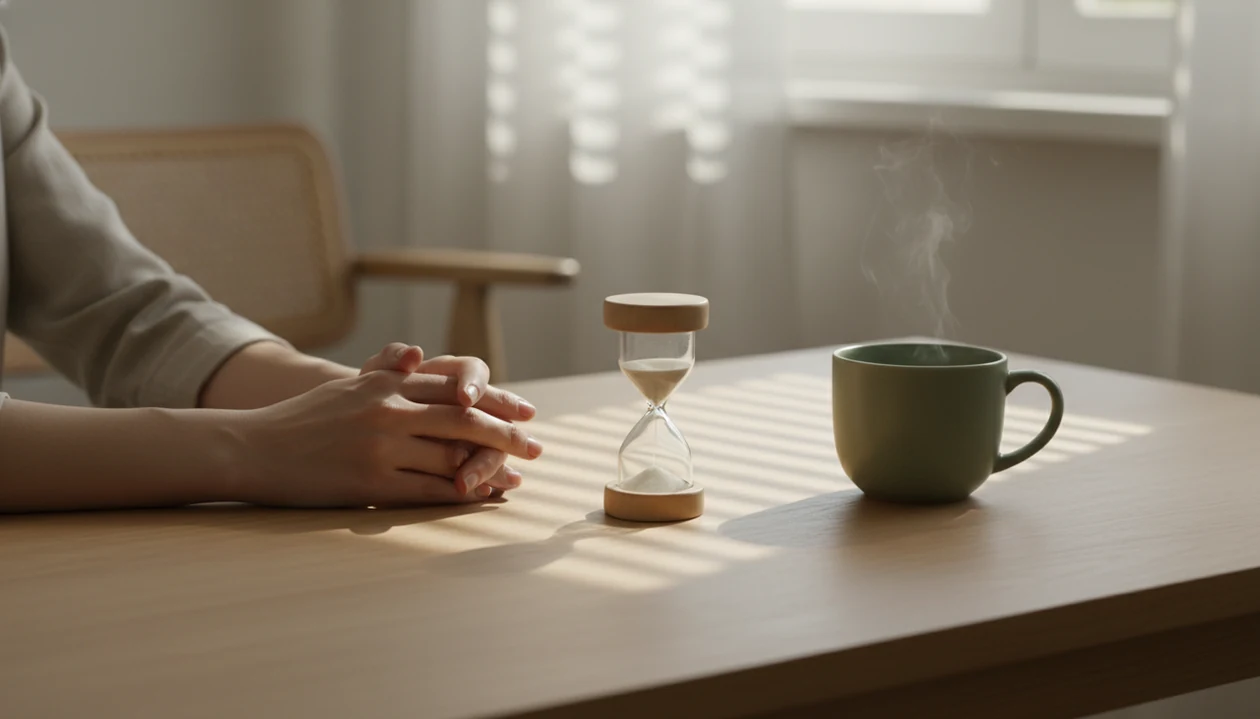
You can find calm in five minutes by using a simple mindful pause that anchors attention in breathing, body sensations, or the senses. It will not erase stress or solve the situation, but it can help you feel steadier enough to choose your next step.
> A five minute calm exercise is a short, secular mindfulness practice that uses breath, body, or sensory awareness to interrupt stress reactivity and return attention to the present moment.
- Start with one anchor: breathing, touch, sound, sight, or body sensation.
- Keep expectations modest: a short mindful pause can reduce momentary stress, not fix every cause of stress.
- Repeat the same practice at predictable moments, such as before meetings, after difficult emails, or before sleep.
At-a-Glance Five Minute Calm Exercise
Before you start, think of a five-minute calm exercise as five small moves: arrive, breathe, sense, notice, choose. It can fit beside a photography edit, while standing near an airport queue sign, or during a pause while organizing the garage.
Try this simple structure: spend one minute arriving, one minute breathing naturally, one minute sensing contact with the chair or floor, one minute noticing thoughts and emotions, and one minute choosing your next action. Eyes can stay open. You do not need silence, a cushion, or an empty mind.
The mind will wander. That is expected. You might notice a fluttering stomach, the wobble of a ceiling fan, a diaper bag strap pulling at one shoulder, or the warmth of a coffee mug in your palms before you remember to return.
When attention drifts to retouching decisions, an awkward conversation, or the next errand, gently come back to the anchor. One pattern we notice in short practices is that the return matters more than staying focused the whole time.
Why Five-Minute Mindfulness Can Reduce Stress Reactivity
Brief mindfulness can help because stress often narrows attention and speeds up thought loops. A short pause gives the brain one steady place to rest attention, even if the problem remains.
- About 27.6% of U.S. adults reported feeling so stressed most days that they could not function, according to the American Psychological Association’s 2023 Stress in America reporting: APA research
- A 2018 meta-analysis of brief mindfulness interventions found small-to-moderate benefits, with study practice times ranging from 5 to 120 minutes: Bul0000154
- A randomized study of brief mindfulness training reported immediate reductions in negative mood and anxiety after short guided practice, but this does not prove long-term treatment effects: J.Concog.2010.03.014
- Effects are usually modest, short-term, and variable by person.
That last point matters. Quick calming mindfulness is a practical next step, not a guarantee that your body will relax on command.
How a Short Mindful Pause Works
A short mindful pause works by shifting attention from rumination to a present-moment anchor, such as breathing, body contact, sound, or visual detail. Thoughts are noticed rather than suppressed.
Stress can pull attention into prediction, replay, and problem-scanning. Mindfulness interrupts that loop by giving the nervous system a steadier reference point. Breath, the weight of a bag strap, dim light like a movie theater, or the color of a wall can all become anchors.
This is attention practice, not belief.
The mechanism is sometimes described as cue-practice-reset. A cue appears, such as noticing pressure build during a detailed photo edit. You practice returning attention. Then you reset enough to act with a little more choice. Repetition makes that loop easier to access under pressure.
How to Use a Five Minute Calm Exercise
Use this five-minute sequence when you want a structured pause without making the practice complicated. If closing your eyes feels uncomfortable, keep them open and lower your gaze.
- Set a phone timer for five minutes, or choose a natural stopping point like the end of a song.
- Place attention on one safe anchor, such as feet, hands, breath, sounds, or sights.
- Breathe naturally without forcing deep breaths or trying to make the body relax.
- Notice thoughts, emotions, and body sensations without arguing with them.
- Choose one next action after the pause, such as sending the message, standing up, or waiting.
For beginners, this is often easier than an open-ended meditation because the steps are clear and short. A fuller 5-minute mindfulness practice can help if you want more structure later.
Best Short Mindful Pause Anchors for Busy Places
The safest anchor depends on your setting and your body’s response. Inward anchors can help some people, but they may feel uncomfortable during intense anxiety or trauma reminders.
| Anchor | Works well when | Try it like this |
|---|---|---|
| Breath | You feel mildly scattered | Notice air moving in and out without changing it. |
| Feet | You need a discreet reset | Feel soles pressing into carpet, tile, or shoes. |
| Hands | You want a visible anchor | Rest thumbs on chair arms or touch fingertips together. |
| Sounds | Body focus feels too intense | Name near, middle, and far sounds. |
| Sight | You need eyes open | Find three colors, two shapes, and one line. |
| Five senses | Thoughts are racing | Name one thing you can see, hear, feel, smell, and taste. |
For a short mindful pause in a busy place, external anchors such as sounds, colors, shapes, or objects may be easier than breath. Many everyday mindfulness practices work for the same reason: they give attention a simple place to return.
A Repeatable Find Calm in Five Minutes Habit
Can you make five-minute calm easier to access? Yes, if you repeat the same short practice at predictable moments instead of waiting until stress is already high.
Consistency matters more than perfect technique. Pick one anchor for one week, such as feet on the floor before opening email. Use it after calls, before meetings, after commuting, or before bed. The fewer choices you make, the more likely you are to practice.
CDC/NCHS survey data showed meditation use among U.S. adults increased from 4.1% in 2012 to 14.2% in 2017: CDC guidance That growth fits what many beginners need: short, accessible attention practice during ordinary life.
Good mindfulness practices and meditation techniques for beginners and daily life deliver repeatable attention training, not instant emotional control. If you want a broader rhythm, a daily mindfulness routine can turn one pause into a steady habit.
Is There an App That Teaches Quick Calming Mindfulness?
Yes, an app can help if it keeps practices short, secular, and easy to repeat. Look for five-minute options, breath and sensory practices, beginner language, reminders, and no exaggerated promises.
Mindful.net is a Mindfulness Practices App with short, secular practices and beginner-friendly reminders. Headspace, Calm, and mindful.org also provide structure; no app is required for the exercise in this article.
A useful app should make the next step obvious. Open lesson, set timer, practice, stop. For tiny prompts during the day, an app that gives one-minute mindfulness prompts may fit better than a longer course. Mindful.net can also be considered as a Mindfulness Practices App for people who want beginner-friendly guidance.
Limitations
Five minutes of mindfulness is not a cure for anxiety disorders, trauma, depression, burnout, or unsafe life circumstances. It is a short self-regulation practice, not medical treatment.
- Benefits may be short-lived unless the practice is repeated.
- Some people feel more anxious when focusing on breath, heartbeat, or body sensations.
- Eyes-open practice or external sensory anchors may be safer when inward focus feels unsafe.
- Severe distress, panic, trauma symptoms, or thoughts of self-harm may require professional support.
Clinicians typically recommend getting qualified support when distress is severe, persistent, or linked to safety concerns.
A Practical Observation
We usually see beginners do better when they stop trying to create calm and instead choose one simple anchor for a short session. The first minute may feel awkward, especially for people who are used to moving quickly or caring for others. A steady breath can help, but we usually suggest switching to sound, touch, or walking if breath focus feels strained.
What Surprised Us in Practice
- If a five-minute pause makes you feel more agitated, do not force stillness; try a more concrete grounding cue such as naming five visible colors or touching a textured object.
- If you are in immediate danger, driving, operating equipment, or responsible for urgent care, a short mindful pause is not the priority; safety and action come first.
- If closing your eyes feels exposing, keep them open and use one clear anchor, such as the edge of a doorway, the sound of running water, or a steady breath.
- If thoughts race faster during the short session, that does not mean you failed; it may simply mean the mind has become easier to notice.
- If you keep switching techniques, use a named retrieval anchor like the Three-Breath Reset so the tired brain has fewer decisions to make.
Which Technique Fits This Situation
A five-minute mindfulness pause tends to fit best when you need a little space before responding, not when you need instant problem-solving. Mindfulness asks you to notice what is happening, while grounding often works better when you need stronger contact with the room, the floor, or the senses. Decision support beats generic calm advice when someone is choosing between techniques.
If This Sounds Like You
Short pauses have become common in workplaces, clinics, rehearsal rooms, and athletic settings partly because many people cannot step away for a full meditation session. A nurse between rounds, a parent outside a child’s bedroom, or a musician before walking onstage may need a practice that is brief, plain, and repeatable. If your stress is tied to meetings or transitions, Mindfulness at Work can offer a wider frame; if stillness feels impossible, Mindful Walking may be a better first door.
Three Paths Worth Trying
| Technique | Best for | Minutes |
|---|---|---|
| Three-Breath Reset | Choosing a response before speaking, texting, or entering a tense room | 1-3 min |
| One-Sound Anchor | Busy places where closing the eyes or scanning the body feels impractical | 3-5 min |
| Slow Walk Count | Restless energy, shift changes, or people who feel worse when sitting still | 5-10 min |
Why Mindful.net fits this specific need
Mindful.net is useful here because this page treats five-minute calm as a practical pause, not a cure-all. Related guides such as Mindfulness at Work and Mindful Walking can help readers choose whether a seated breath anchor, sensory grounding, or movement-based practice fits the moment.
FAQ
Can five minutes calm anxiety?
Five minutes may reduce momentary anxious arousal for some people, especially when attention has been caught in racing thoughts. It is not a treatment for anxiety disorders.
What is the fastest calming technique?
A simple breath anchor or five-senses check-in often works quickly because it gives attention one concrete place to return. The aim is noticing and returning, not forcing calm.
Do I need to close my eyes?
No, you can keep your eyes open. External anchors such as colors, sounds, or objects may feel more comfortable.
Can mindfulness make anxiety worse?
Yes, inward focus can feel uncomfortable for some people, especially during intense anxiety or trauma reminders. Modify the practice or seek support if distress increases.
How often should I practice?
Practice short pauses once or twice daily at predictable cues, such as before email or before bed. Repetition matters more than long sessions.
Can I do this at work?
Yes, use discreet anchors such as feet on the floor, hand contact, sounds, or a bathroom reset. Mindfulness at work is most useful when it stays practical and low-pressure.
Is an app necessary for a five minute calm exercise?
No app is necessary for a five minute calm exercise. A beginner-friendly app such as Mindful.net can provide structure and reminders if you want guidance.