
How to Cultivate Resilience With Small Daily Practices


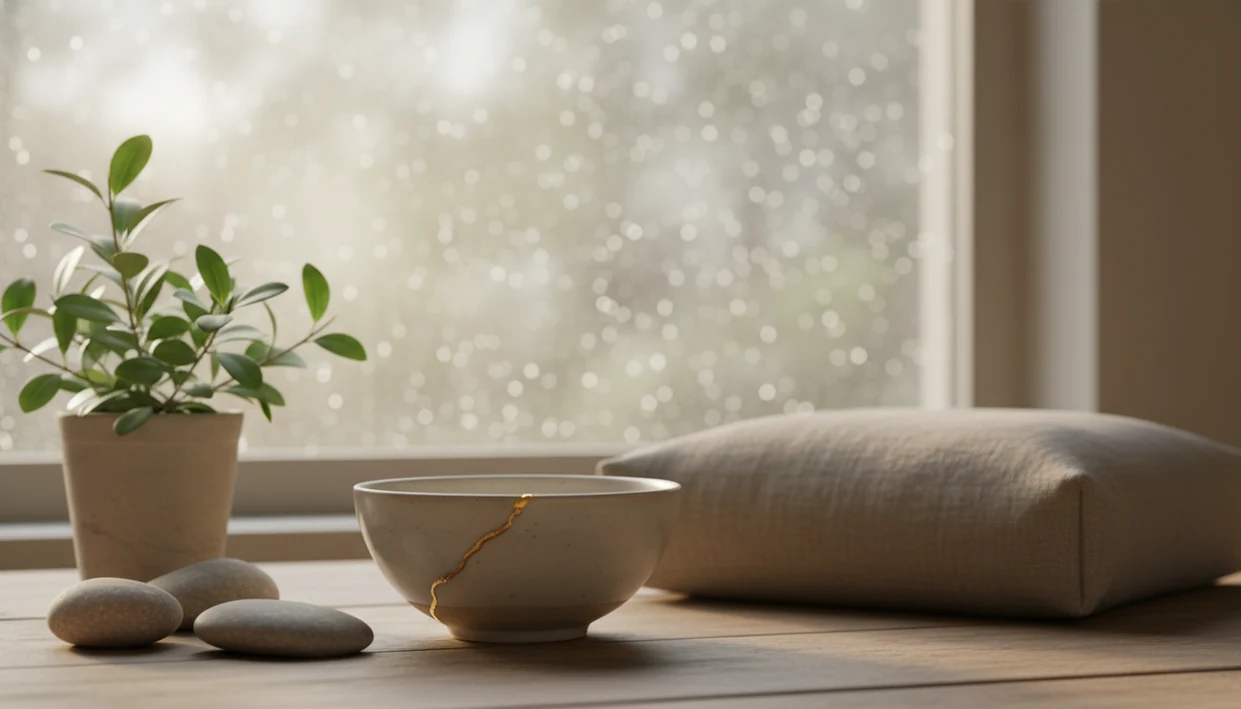
To cultivate resilience, build small, repeatable habits that help you notice stress, settle your body, name emotions, act on your values, and ask for support before you become overwhelmed. Resilience means strengthening the mental, emotional, physical, and social resources that help you adapt after stress, setbacks, or major life changes. It is a learnable process, not a fixed personality trait or a requirement to pretend everything is fine.
Mindfulness gives you a way to practice noticing what is happening before reacting. Pair that awareness with breathing, grounding, supportive relationships, problem-solving, and realistic recovery routines. The aim is not constant calm. It is being able to acknowledge difficulty, choose a useful next step, and make room for rest and help.
The essentials
- Resilience is a process and skill set, not a fixed personality trait.
- Mindfulness supports resilience by improving present-moment awareness, emotional regulation, cognitive flexibility, and self-compassion.
- The most practical resilience plan combines breathing, grounding, values-based action, supportive relationships, and realistic recovery routines. You can also cultivate gratitude by noticing one specific source of support or relief at the end of each day.
Start with a pause, a named feeling, and one next step
How to cultivate resilience: practice small skills that help your mind and body recover after stress, rather than forcing yourself to “be fine.” Resilience means adaptation and recovery. It does not mean hiding sadness, fear, anger, or exhaustion.
A beginner-friendly resilience practice has six parts: nervous system regulation, emotional awareness, values, relationships, problem-solving, and rest. One simple way to try it is to pause before reacting, feel your feet on the floor, name what is happening, then choose one next step.
This is the pocket-check moment: your hand goes to your phone, your shoulders creep up, and you get one breath to decide whether to react or reset.
Mindfulness helps because it is a secular attention practice. It trains noticing and returning, not instant calm. Brief mindfulness and meditation practices help beginners rehearse returning their attention, but they do not guarantee that everyday stress will disappear.
Resilience Mechanisms in the Mind and Nervous System
Cultivating resilience works by reducing automatic stress reactivity and improving recovery time after a trigger. In plain language, the nervous system learns to notice pressure, pause, and return to steadier functioning more often.
Stress reactivity is the fast alarm response. Recovery time is how long it takes to settle after the alarm. Adaptive flexibility is the ability to change course when the first plan fails. Mindfulness builds a small space between trigger and response, like taking one breath before answering a tense message.
Research supports this cautiously. A 2022 review of 21 studies found mindfulness-based programs were associated with moderate improvements in resilience and perceived stress NIH research. A 2019 randomized controlled trial of 129 adults found that an 8-week mindfulness-based intervention increased trait resilience compared with a wait-list group. PubMed research
Present-focus, cognitive reappraisal, tolerance of uncertainty, and self-compassion all matter here. For beginners, that may look like noticing tight calves against the mattress and saying, “stress is here,” instead of arguing with it.
Before You Start a Resilience Practice
Before you start a resilience practice, make it small, safe, and easy to stop. The goal is to build familiarity before your system is already in full alarm.
- Choose a low-stakes time to practice. Try it while waiting for coffee, sitting in a parked car, or winding down at night, not first during an argument or panic spike.
- Keep your eyes open if inward focus feels too intense. Look around the room, name colors, or feel your feet on the floor instead of closing your eyes or scanning the body.
- Set a short timer. One to five minutes is enough. A clear endpoint helps the practice feel manageable rather than like another demand.
- Identify support before you need it. Pick one trusted person, clinician, hotline, community service, or local resource you could contact if stress escalates.
- Stop if distress increases. If panic, dissociation, numbness, or shame gets stronger, open your eyes, orient to the room, move your body, and seek qualified support if needed.
Resilience practice should leave you with a little more room to choose, not pressure you to endure more than you can safely hold.
A five-minute daily routine for stress recovery
Use this simple resilience guide once a day, preferably before stress becomes too large to sort through. A phone timer set for five minutes is enough.
- Notice the stress signal in the body. Look for a clenched jaw, shallow breath, heavy chest, restless legs, or a hot face.
- Breathe or ground for 30 to 90 seconds. Feel your feet on carpet or tile, or count three slow exhales.
- Name the emotion without judging it. Try “I’m anxious,” “I’m disappointed,” or “I feel overloaded.”
- Choose one values-based next action. Send the honest email, drink water, ask for help, or step away before reacting.
- Review what helped and repeat tomorrow. Keep the part that worked and make the next practice smaller if needed.
For most beginners, a short daily reset is easier than a long weekly session because it fits real stress patterns. A broader mindful living guide can help you connect these steps to ordinary routines.
5 Resilience Resources Beginners Can Cultivate
Resilience is not willpower alone; it is a set of resources you can build before, during, and after difficulty. Five are especially useful for beginners.
- Regulated attention: Mindful breathing trains you to place attention somewhere steady, then return when the mind wanders.
- Emotional literacy: Naming feelings makes stress less vague. “I’m hurt” is easier to work with than “everything is terrible.”
- Cognitive flexibility: Reframing thoughts helps you ask, “What else might be true?” without denying the problem.
- Social support: Asking for help early prevents isolation from becoming part of the stress cycle. Recognizing habits that harm relationships can help you replace unhelpful patterns with clearer communication when stress makes connection harder.
- Purpose: Values-based choices give direction when emotions are loud.
For people facing uncertainty, values-based action is often steadier than mood-based action because it does not require waiting to feel ready. If purpose feels unclear, our guide on how to find your purpose offers a practical next step.
Resilience Tips for Stressful Moments
Stressful moments need short practices, not complicated routines. These tools will not erase stress instantly, but they can reduce reactivity enough to choose your next move.
A 3-minute breathing pause
Pause before opening your laptop or replying to a difficult message. For one minute, notice what is happening. For one minute, feel the breath. For one minute, widen attention to the whole body.
A 5-4-3-2-1 grounding practice
Name five things you see, four you feel, three you hear, two you smell, and one you taste. Hands feeling a steering wheel can become the cue to come back to the present.
Other useful options include a short body check-in, mindful walking, and micro-journaling. If inward focus feels activating, keep your eyes open or orient to the room instead. Try three prompts: “What am I feeling? What matters now? What is one next step?” For emotional safety, it also helps to understand the dangers of suppressing emotions.
When self-guided resilience practice is enough, and when it is not
A mindfulness-based resilience practice is a good fit for everyday stress and recovery skills, but it is not enough for every situation. Use the table below to compare your options.
| Fit | Good match | Not enough on its own |
|---|---|---|
| Everyday stress | Work pressure, family tension, uncertainty | Unsafe environments or ongoing harm |
| Emotional reactivity | Pausing before reacting | Severe symptoms or crisis |
| Setbacks | Rebuilding routines after disappointment | Untreated trauma that feels overwhelming |
| Support | Asking earlier, practicing repair | Replacing therapy or medical care |
| Routine | Sleep, movement, short pauses | Structural stressors that need practical change |
Tools like Mindful.net can support beginners with guided mindfulness practices without requiring spiritual framing.
When to Seek Professional Support
Seek professional support when stress feels unsafe, severe, or beyond what self-practice can hold. Mindfulness can support recovery, but it should not replace therapy, medical care, crisis help, or practical protection.
- Call urgent or crisis support if you have suicidal thoughts or urges to harm yourself. If you might act on those thoughts, use emergency services, a crisis line, or the nearest safe medical setting now.
- Contact a qualified clinician if symptoms are intense or persistent. PTSD symptoms, dissociation, severe depression, panic that disrupts daily life, or trauma memories that feel unmanageable deserve skilled care.
- Use local safety resources when your environment is uncertain. Unsafe housing, workplace harm, relationship violence, food insecurity, or medical risk may need advocates, shelters, legal aid, community services, or trusted people nearby.
- Treat mindfulness as one layer of support. A breathing pause can help you get through the next minute; it is not a substitute for diagnosis, medication, therapy, or safety planning when those are needed.
- Ask for practical help early. Resilience often grows through rides, meals, childcare, safer routines, time off, and someone sitting with you while you make the next call. Practicing gratitude for relationships means thanking people specifically for the practical help and care they offer during difficult times.
Evidence for Mindfulness and Resilience Skills
The evidence supports mindfulness as one helpful contributor to resilience, not a magic shield. It may support attention, emotional regulation, stress recovery, and self-compassion.
- A 2014 JAMA Internal Medicine meta-analysis of 39 randomized trials found small to moderate reductions in anxiety, depression, and psychological distress JAMA study.
- Longitudinal military research links higher resilience and social support with lower post-deployment depression and trauma symptoms, but these findings should not be treated as a guarantee for any individual.
- The National Center for PTSD reports that about 6 in 10 men and 5 in 10 women experience at least one trauma in their lives Common Adults.Asp.
- Mindfulness research often studies structured programs, so brief self-guided practice should be viewed more modestly.
- Resilience also depends on sleep, relationships, safety, health care access, and practical support.
Clinicians typically recommend professional support when stress includes severe symptoms, trauma distress, safety concerns, or suicidal thoughts. For related context, how meditation supports health explains what meditation can and cannot responsibly claim.
Common Resilience Mistakes During Stress
One common mistake is thinking resilient people do not feel sadness, fear, or overwhelm. A kinder alternative is to let the emotion be real, then choose a supportive next step.
Another mistake is treating resilience as an inborn trait. It is more useful to treat it as practice: breathe, name, reframe, connect, rest, repeat.
Beginners also try to clear the mind or force calm. That usually backfires. The practice is to notice and return, even when the mind wanders to a grocery list.
Willpower alone is too thin a plan. Sleep, food, movement, safe housing, relationships, advocacy, and practical help all affect resilience. Lower back meeting the cushion might help you settle for a minute, but it cannot fix an unsafe workplace or unpaid bill by itself.
Turn a setback into one small experiment
After a mistake, write four short answers: What happened? What was under my control? What did I predict incorrectly? What is one change I will try next time? Keep the answers about the event, not your worth as a person. This is a practical synthesis consistent with CBT-oriented approaches, not a separately validated treatment. A systematic review of resilience interventions found benefits from CBT-based, mindfulness-based, and combined programs. Practicing humility and self-respect can help you learn from mistakes without turning them into judgments about your worth.
For example, after missing a deadline, you might identify that you underestimated the work and waited too long to ask for clarification. The next experiment could be to confirm the task requirements before starting and arrange an earlier check-in. Judge that change by what happens next, not by whether you immediately feel confident. The point is to find a specific adjustment while leaving room for factors you could not control.
How can a timer help you practice before stress builds?
A quiet moment before work or after dinner is a practical time to rehearse noticing stress, rather than waiting for an argument or a difficult message. Set the free online meditation timer for one to five minutes, feel your feet, and name what you notice. The Mindful.net app also offers breathing exercises. For severe symptoms, trauma-related distress, or unsafe circumstances, professional care and practical support matter more than another timed session.
Build a support check into your resilience routine
Give your resilience practice a clear place for help from others. Choose a recurring situation, such as finishing a difficult workday, as a cue to check both your inner response and your available support. Keep a short note with people you could contact, what you could ask each person for, and when they are usually available. Include practical help as well as someone who can listen. Use the routine below to connect mindful attention and self-compassion with a specific request. Practicing mindfulness for better relationships can help you listen carefully and ask for support with greater awareness of others.
- Pause at your chosen cue. Notice where your attention is going without requiring yourself to become calm.
- Check your inner response. If you notice self-criticism, acknowledge the difficulty without treating it as a personal failure.
- Identify what you need now: company, help with a task, information, or space to rest.
- Check your support note. Choose someone whose availability and kind of help fit your current need.
- Make one clear request and ask whether the person has capacity. If they are unavailable, consider another contact or arrange a later time rather than treating one response as the end of your options.
Resilience Practice Limits
- Seek professional mental health care for severe depression, PTSD, suicidal thoughts, or crisis, rather than relying on resilience practices.
- Brief practice without guidance may not match the structured programs used in research studies.
- Mindfulness cannot shield you from pain, grief, discrimination, poverty, unsafe conditions, or chronic stress.
- Long body scans, silence, or inward focus may be activating for some trauma survivors.
Questions about building resilience
Can resilience be learned, or is it a personality trait?
Resilience can be strengthened through practice and support; it is not simply a trait you either have or lack. Research on resilience interventions shows average improvements, with results varying across programs and people. Relationships, health, material conditions, and the difficulty of the situation also affect how well someone can recover.
How do I start building resilience when I feel overwhelmed?
Start with one manageable action rather than a full routine. Keep your eyes open, feel your feet on the floor, and name the feeling in plain words. Then choose one useful step, such as asking for help or stepping away from a tense exchange. When distress is severe or unsafe, seek support rather than pushing through.
How does mindfulness help with resilience?
Mindfulness helps you notice thoughts, feelings, and stress signals before responding automatically. That pause can support emotional awareness and a more flexible response. It does not remove the problem or guarantee calm. Resilience practice also needs practical action, supportive relationships, and recovery habits, not attention training alone.
How long does it take to become more resilient?
There is no reliable deadline for becoming more resilient. Intervention studies report average gains, not a timetable for an individual. Start with short, repeatable practices and notice concrete changes: recognizing stress earlier, asking for help sooner, or choosing a less reactive response. A difficult week does not mean the practice has failed.
Does being resilient mean staying positive?
No. Resilience means adapting and recovering while allowing sadness, fear, anger, or exhaustion to be real. Forced positivity can distract from what needs attention. A more useful response is to acknowledge the difficulty and choose a realistic next step, including rest, practical help, or a conversation with someone you trust.
Can journaling help me recover after a setback?
Journaling can give you a concrete way to examine a setback without turning it into a judgment about your identity. Write what happened, what you controlled, what you misjudged, and one change to try. This four-question exercise is a practical approach informed by CBT-style resilience work, not a treatment proven on its own.
What if meditation makes me feel more distressed?
Stop or shorten the practice rather than forcing yourself to continue. Try keeping your eyes open, looking around the room, or noticing contact with the floor instead of focusing inward. Some trauma survivors find silence or body scans activating. Persistent distress, dissociation, or overwhelming trauma memories are reasons to seek qualified professional support.